Support Groups in Greenville, SC
Group consists of suffers of tinnitus. Size:6-10 people. Shares experiences, learn coping skills.

Hosted by Kenneth P. Smith, M.Ed.; MRC; LPC
Licensed Professional Counselor, MEd, MRC, LPC
Verified Verified
Group meets in Greenville, SC 29605
Group consists of suffers of tinnitus. Size:6-10 people. Shares experiences, learn coping skills.
This is an 8-week Virtual Parenting Group that meets once a week on either Thursday from 6pm-7:30pm or Saturday from 10am-11:30am via Zoom. Parenting classes are educational courses parents attend to learn about caring for their children. Parents attend the ...

Hosted by Upstate Counseling Center, LLC
Licensed Professional Counselor, MA, LPC, NCC, TF-CBT, LAC
Verified Verified
Group meets in Greenville, SC 29607
This is an 8-week Virtual Parenting Group that meets once a week on either Thursday from 6pm-7:30pm or Saturday from 10am-11:30am via Zoom. Parenting classes are educational courses parents attend to learn about caring for their children. Parents attend the ...
Let's explore your inner being through a fantasy character! Meeting once a week, this group plays the most popular role playing game in the world- Dungeons and Dragons. Through a variety of techniques, Tim, the DM, using world building and ...

Hosted by Tym Jackson
Marriage & Family Therapist, MMFT, LMFT-SC
Verified Verified
Group meets in Greenville, SC 29607
Let's explore your inner being through a fantasy character! Meeting once a week, this group plays the most popular role playing game in the world- Dungeons and Dragons. Through a variety of techniques, Tim, the DM, using world building and ...
At Tapestry Counseling we believe that in our search for happiness and meaning in life, we sometimes lose our way and our sense of hope. Life can present us with painful challenges, and we strive to meet you exactly where ...

Hosted by Jordan Bland
Counselor, LISW
Verified Verified
Group meets in Greenville, SC 29609
At Tapestry Counseling we believe that in our search for happiness and meaning in life, we sometimes lose our way and our sense of hope. Life can present us with painful challenges, and we strive to meet you exactly where ...
The stresses of our complex world take a great toll on ourselves, our families, and our careers. Are you afraid of losing your job or have you already been laid off? How is the boss treating you? Does your current ...

Hosted by Joanne Armstrong
Psychologist, PhD
Verified Verified
Group meets in Greenville, SC 29615
The stresses of our complex world take a great toll on ourselves, our families, and our careers. Are you afraid of losing your job or have you already been laid off? How is the boss treating you? Does your current ...
Designed for both pregnant and new parents, the Bringing Baby Home program will give you skills and information recognize and cope successfully with the normal stressors of becoming a family. Classes are offered 3-4 times a year. Please visit our ...
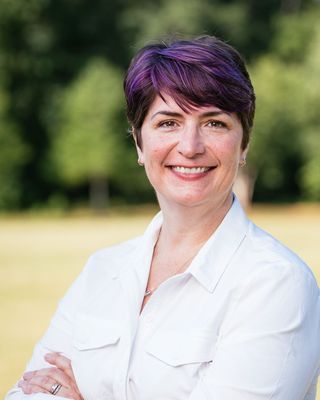
Hosted by Susannah Baldwin
Licensed Professional Counselor, Counsel, MEd, LPC, PMH-C
Verified Verified
Group meets in Greenville, SC 29607
Designed for both pregnant and new parents, the Bringing Baby Home program will give you skills and information recognize and cope successfully with the normal stressors of becoming a family. Classes are offered 3-4 times a year. Please visit our ...
A FREE gathering open to any mom with young children (infancy through preschool age) wanting to feel better, share experiences & connect with other moms. Each month an expert facilitator will share tools for coping and enhancing well-being while including ...

Hosted by Reproductive Journey Counseling & Support
MEd, LPC, PMH-C
Verified Verified
Group meets in Greenville, SC 29607
A FREE gathering open to any mom with young children (infancy through preschool age) wanting to feel better, share experiences & connect with other moms. Each month an expert facilitator will share tools for coping and enhancing well-being while including ...
Do you: Experience anxiety, distress, or self-criticism if you make a mistake or fall short of expectations? Feel like your accomplishments are never good enough or tasks have to be just right? Overcommit because you struggle to say no or ...

Hosted by Christopher Grandits
Psychologist, PhD
Verified Verified
Group meets in Greenville, SC 29607
Do you: Experience anxiety, distress, or self-criticism if you make a mistake or fall short of expectations? Feel like your accomplishments are never good enough or tasks have to be just right? Overcommit because you struggle to say no or ...
Social Skills and Anxiety Group: Learn coping skills to manage anxiety behaviors and symptoms. Learn healthy social skills to engage with others. Wednesdays 3-4pm ages 6-10 years old. Health Insurance accepted: BCBS, Molina Medicaid, United healthcare, Cigna, Aetna, Humana Medicaid, ...

Hosted by Lakita Allen
Licensed Professional Counselor, MA, LPC
Verified Verified
Group meets in Greenville, SC 29615
Social Skills and Anxiety Group: Learn coping skills to manage anxiety behaviors and symptoms. Learn healthy social skills to engage with others. Wednesdays 3-4pm ages 6-10 years old. Health Insurance accepted: BCBS, Molina Medicaid, United healthcare, Cigna, Aetna, Humana Medicaid, ...
This group is for women that feel overwhelmed by work, taking care of family or life in general. Maybe a crisis has occurred in your life that you haven't been able to recover from. Do you feel alone and as ...

Hosted by Chandra Mills
Licensed Professional Counselor, LPC, LAC, AADC
Verified Verified
Group meets in Greenville, SC 29601
This group is for women that feel overwhelmed by work, taking care of family or life in general. Maybe a crisis has occurred in your life that you haven't been able to recover from. Do you feel alone and as ...
At Tapestry Counseling we believe that in our search for happiness and meaning in life, we sometimes lose our way and our sense of hope. Life can present us with painful challenges, and we strive to meet you exactly where ...

Hosted by Emily P Gilliam
Licensed Professional Counselor, LCPC, CRADC, MISAII
Verified Verified
Group meets in Greenville, SC 29609
At Tapestry Counseling we believe that in our search for happiness and meaning in life, we sometimes lose our way and our sense of hope. Life can present us with painful challenges, and we strive to meet you exactly where ...

Hosted by Barbara Robinson
Licensed Professional Counselor, MA, LPC, CCPT-II
Verified Verified
Group meets in Greenville, SC 29615
Provide individual and family counseling for a variety of diagnoses with clinicians available in person in an office setting or virtually. Health Insurance is accepted.

Hosted by Davina Kavanaugh
Licensed Professional Counselor, LPC
Verified Verified
Group meets in Greenville, SC 29607
Provide individual and family counseling for a variety of diagnoses with clinicians available in person in an office setting or virtually. Health Insurance is accepted.
If you are navigating recovery from infidelity, I hope you will join one of our our 8-12 weeks groups.
1. A Start to Infidelity Recovery; Seeing a Path to Your New Relationship After Infidelity.
2. Advanced Infidelity; Rebuilding Trust. Navigating ...

Hosted by Robin E Finley
Marriage & Family Therapist, EdS, LMFT, CSTIP, CFNC
Verified Verified
Group meets in Greenville, SC 29615
If you are navigating recovery from infidelity, I hope you will join one of our our 8-12 weeks groups.
1. A Start to Infidelity Recovery; Seeing a Path to Your New Relationship After Infidelity.
2. Advanced Infidelity; Rebuilding Trust. Navigating ...
Whether you are court ordered or just need parenting skills to help you with your child's emotions and behaviors, we are here for you. Certificates are provided.

Hosted by Denean Banister
Licensed Professional Counselor, MEd, LPC, LPC-S
Verified Verified
Group meets in Greenville, SC 29605
Whether you are court ordered or just need parenting skills to help you with your child's emotions and behaviors, we are here for you. Certificates are provided.
Certified Anger Management Group for court ordered participants --- Saturdays from 11-12:45. ---Pre-attendance Evaluation ($85 and 45 minutes). ---$50 per group session. ---Duration: 8-12 weeks (no more than one absence in a row or 3 total absences to qualify for ...

Hosted by Jenn Stublick Jones
Licensed Professional Counselor, LPC, AADC
Verified Verified
Group meets in Greenville, SC 29609
Certified Anger Management Group for court ordered participants --- Saturdays from 11-12:45. ---Pre-attendance Evaluation ($85 and 45 minutes). ---$50 per group session. ---Duration: 8-12 weeks (no more than one absence in a row or 3 total absences to qualify for ...

Hosted by Shoray Kirk
Licensed Professional Counselor, PhD, MS, LPC-SC, Coach
Verified Verified
Group meets in Greenville, SC 29601
Christian maturity: Application of the scriptures to problems and challenges of life in a fallen world. Combines sound principles of psychology with the teachings of the Master. Provides a safe, biblical based approach to treatment that has received world wide ...

Hosted by Journey Pathways to Healing
Pastoral Counselor, Dr, Phy, PhD, Rev
Verified Verified
Group meets in Greenville, SC 29617
Christian maturity: Application of the scriptures to problems and challenges of life in a fallen world. Combines sound principles of psychology with the teachings of the Master. Provides a safe, biblical based approach to treatment that has received world wide ...
This is an interactive, social skills group targeted for 3rd-5th grade ages. It's once a week, for 8 weeks with the goal to help the client practice skills learned in individual counseling, in a group setting. Goals worked on including ...

Hosted by Pettigru Counseling
Licensed Professional Counselor
Verified Verified
Group meets in Greenville, SC 29601
This is an interactive, social skills group targeted for 3rd-5th grade ages. It's once a week, for 8 weeks with the goal to help the client practice skills learned in individual counseling, in a group setting. Goals worked on including ...
Are you a mom experiencing intrusive or unwanted thoughts? If you're looking for strategies, support, and community, join me on Zoom every 1st and 3rd Wednesday of the month for a pregnancy and postpartum support group specifically for women struggling ...

Hosted by Susannah Long
Marriage & Family Therapist, MMFT, LMFT
Verified Verified
Group meets in Greenville, SC 29615
Are you a mom experiencing intrusive or unwanted thoughts? If you're looking for strategies, support, and community, join me on Zoom every 1st and 3rd Wednesday of the month for a pregnancy and postpartum support group specifically for women struggling ...
See more therapy options for Greenville


FAQs - About Group Therapy and Support Groups
How can I find a support group in Greenville?
Search for nearby support groups by inputting your city, zip code, or the name of the group into the search bar. From there, you can filter to find a group that suits your needs, whether you are looking for support for a teenager, a group that focuses on a specific issue, such as depression, or a particular program type, such as one geared toward developing social skills. To navigate between locations within the same country, enter a new city or zip code into the search bar.
How does group therapy work?
Therapy groups are led by one or more therapists and serve to help people process their experiences and learn from others who understand their challenges firsthand. They can be based on a specific issue, such as addiction, grief, physical illnesses, parenting, and caregiving. They can involve a specific type of program or therapy, such as a social skills group or CBT group. They can also be specific to a particular population or community, such as teens or LGBTQ.
Support groups, like Alcoholics Anonymous, also focus on a specific issue, but are typically led by members with lived experiences and are less structured than therapy groups. Most therapy groups will meet for a fixed length of time with a consistent group of members, while many support groups meet for an indefinite period of time with members coming and going.
Support groups, like Alcoholics Anonymous, also focus on a specific issue, but are typically led by members with lived experiences and are less structured than therapy groups. Most therapy groups will meet for a fixed length of time with a consistent group of members, while many support groups meet for an indefinite period of time with members coming and going.
What are the benefits of group therapy?
Support groups help connect people with shared challenges or physical and mental health conditions. In a group setting, participants can receive support and feedback from peers and can acquire new skills, strategies and perspectives by listening to one another. Discussing your experience with someone who also has a cancer diagnosis, or whose son also struggles with addiction, for example, can help you feel less alone, reduce distress, find empathy and connection, and learn practical or medical information that has helped others. Group therapy can also be a more affordable option than individual therapy and just as effective.
Is group therapy as effective as individual therapy?
Support groups can be deeply valuable for both emotional support and/or treatment outcomes. It’s difficult to make a blanket statement on efficacy due to the many different types of support groups and conditions treated, but group therapy has been found to be just as effective as individual therapy in establishing long-term abstinence for conditions such as substance abuse, addiction and alcohol abuse.
How much does group therapy cost?
Group counseling is typically less expensive than individual counseling, with each session costing on average between $60 to $75. Meanwhile, individual therapy sessions can run anywhere from $100 to $200 and up, even after insurance. It is possible to find low-cost group therapy options and many therapists offer group sessions free of charge.
Does insurance cover group therapy?
As with individual therapy, many insurance companies do offer coverage for group therapy sessions. However, the coverage varies based on your insurance plan details and whether you choose an in-network or out-of-network mental healthcare provider. Individuals are encouraged to check with their insurance providers to verify coverage.
How long does group therapy last?
The length of a support group session is often one hour but can fall anywhere between 45 minutes and two hours. The amount of time that people remain in a support group varies based on their specific needs and goals and the type of therapy. Some individuals may seek a shorter-term group, such as a bereavement group, that may last between six and 20 weeks. Some may seek a longer-term group that lasts for a year or indefinitely.
What are the limitations of support groups?
Support groups have many benefits, but there are a few limitations as well. Support groups do not constitute formal therapeutic or medical treatment, and are not run by licensed mental health professionals, so some people may opt for group therapy or individual therapy instead. Additionally, support groups can depend on the other participants, so a disruptive individual has the potential to mar the group dynamic, and the anecdotal information shared may sometimes be unhelpful or inaccurate. Because it is a group setting, confidentiality can be more difficult to guard and participants receive less personalized attention than they would in an individual therapy session.