Support Groups in Greer, SC
Parenting is hard.Parenting while grieving the loss of your own parent can feel lonely, overwhelming, and heavy. You are not alone. Connect with others who understand. This is a 6 week virtual group designed to connect those who have experienced similar losses.

Parenting is hard.Parenting while grieving the loss of your own parent can feel lonely, overwhelming, and heavy. You are not alone. Connect with others who understand. This is a 6 week virtual group designed to connect those who have experienced similar losses.
We meet you where you are and help you get where you want to go. We believe therapy is a collaborative process. Therapy is not to "fix" you, rather it is to encourage you and help you grow. You aren't too much to handle and you won't be judged for where you are on the journey, who you are, or what you have been through. We are here to partner along side of you. Flourishupstatecounseling.com
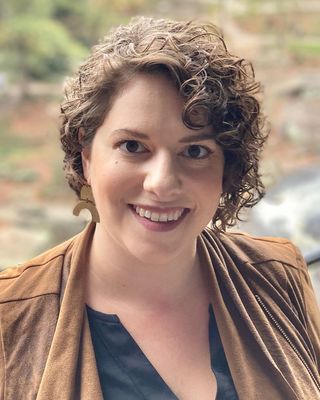
Hosted by Rebecca Phifer-Ball
Licensed Professional Counselor, LPC, MEd, EdS
Group meets in Greer, SC 29650
We meet you where you are and help you get where you want to go. We believe therapy is a collaborative process. Therapy is not to "fix" you, rather it is to encourage you and help you grow. You aren't too much to handle and you won't be judged for where you are on the journey, who you are, or what you have been through. We are here to partner along side of you. Flourishupstatecounseling.com
greenvillecounseling.com

Hosted by Ashley Vernon Bischoff
Licensed Professional Counselor, LPC, NBCC
Group meets in Greer, SC 29650
greenvillecounseling.com
Caring for an aging or disabled loved one can be meaningful, but it often brings exhaustion, stress, grief, and isolation. This therapist-led caregiver group offers a supportive space to share experiences, process life changes, and reconnect with yourself alongside others who understand caregiving. We’ll learn practical tools for managing stress, mind-body regulation, and maintaining balance while supporting someone you love. We’ll explore boundaries, family dynamics, and how old patterns can surface during caregiving. This group focuses on resilience, connection, and helping caregivers care for themselves while caring for others. Caring for them means caring for you.

Caring for an aging or disabled loved one can be meaningful, but it often brings exhaustion, stress, grief, and isolation. This therapist-led caregiver group offers a supportive space to share experiences, process life changes, and reconnect with yourself alongside others who understand caregiving. We’ll learn practical tools for managing stress, mind-body regulation, and maintaining balance while supporting someone you love. We’ll explore boundaries, family dynamics, and how old patterns can surface during caregiving. This group focuses on resilience, connection, and helping caregivers care for themselves while caring for others. Caring for them means caring for you.
The Emotional Resilience Group is a 4 week introduction into developing Emotional Resilience. What is 'resilience?' and 'how can I develop increased resilience?' are topics to be covered. Resilience is going through challenges and landing on your feet rather than being anxious, depressed or overwhelmed. An assessment by the therapist is required before inclusion in this group. The group is organized on an as-needed basis. Please call for more information and/or to express interest. Class minimum is 6 attendees.

The Emotional Resilience Group is a 4 week introduction into developing Emotional Resilience. What is 'resilience?' and 'how can I develop increased resilience?' are topics to be covered. Resilience is going through challenges and landing on your feet rather than being anxious, depressed or overwhelmed. An assessment by the therapist is required before inclusion in this group. The group is organized on an as-needed basis. Please call for more information and/or to express interest. Class minimum is 6 attendees.
More Groups Nearby
This group meets weekly and satisfies the Seventh Judicial Circuit Solicitor's Intervention Office requirements for alcohol and substance use psychoeducation (6 to 13 weeks). Classes are focused on prevention of addiction through developing insight into the use of alcohol and substances, understanding outcomes associated with misuse, and providing tools for making and sustaining changes in behavior.

Hosted by Susan Lea
Marriage & Family Therapist, LMFT, LMFTS, CGP
Group meets in Spartanburg, SC 29306
This group meets weekly and satisfies the Seventh Judicial Circuit Solicitor's Intervention Office requirements for alcohol and substance use psychoeducation (6 to 13 weeks). Classes are focused on prevention of addiction through developing insight into the use of alcohol and substances, understanding outcomes associated with misuse, and providing tools for making and sustaining changes in behavior.
Supportive, psychoeducational group for parents of kiddos with mental health challenges.

Hosted by Amy Strait
Licensed Professional Counselor, LPC/S, LAC
Group meets in Spartanburg, SC 29306
Supportive, psychoeducational group for parents of kiddos with mental health challenges.
This is a 26 week program that meets weekly and is approved by the Seventh Judicial Circuit Solicitor's Office for court-ordered services for domestic violence. The program has a focus on anger management, communication skills, and intrapsychic issues with the goals of learning healthy relationship skills and healing from issues related to domestic violence.
Hosted by Susan Lea
Marriage & Family Therapist, LMFT, LMFTS, CGP
Group meets in Spartanburg, SC 29306
This is a 26 week program that meets weekly and is approved by the Seventh Judicial Circuit Solicitor's Office for court-ordered services for domestic violence. The program has a focus on anger management, communication skills, and intrapsychic issues with the goals of learning healthy relationship skills and healing from issues related to domestic violence.
Group identified for clients with PTSD and substance use issues.
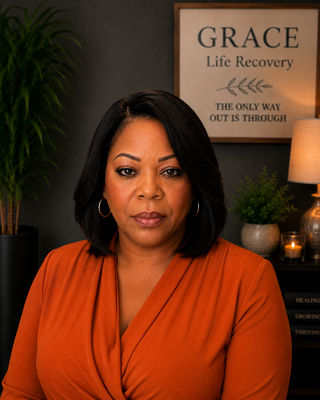
Hosted by Shelly L Atkinson
Licensed Professional Counselor, LPC/S, LAC, AADC, CS, SAE
Group meets in Simpsonville, SC 29681
Group identified for clients with PTSD and substance use issues.
Psychological evaluations as required to obtain visas for hardship, etc.

Hosted by Yadira Baez-Lockard, Psy.D. Forensic
Psychologist, PsyD, MA, Legal
Group meets in Piedmont, SC 29673
Psychological evaluations as required to obtain visas for hardship, etc.
Designed for both pregnant and new parents, the Bringing Baby Home program will give you skills and information recognize and cope successfully with the normal stressors of becoming a family. Classes are offered 3-4 times a year. Please visit our website for current class offerings and to sign up. reproductivejourney.com
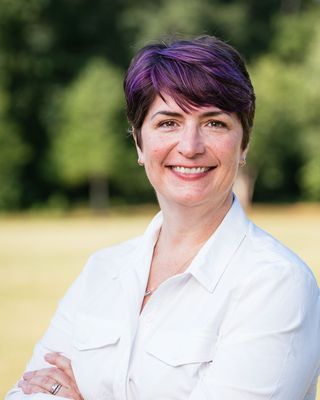
Hosted by Susannah Baldwin
Licensed Professional Counselor, Counsel, MEd, LPC, PMH-C
Group meets in Greenville, SC 29607
Designed for both pregnant and new parents, the Bringing Baby Home program will give you skills and information recognize and cope successfully with the normal stressors of becoming a family. Classes are offered 3-4 times a year. Please visit our website for current class offerings and to sign up. reproductivejourney.com
In this psycho-educational and processing group, strategies and techniques for managing ADHD will be explored--whether in the academic, home, social, or work setting. Participants will feel validated as they share their concerns and can offer support to one another. Topics previously covered include: Stress Reduction; Career Decision Making; Goal Setting; Time Management; Organization, Self-Monitoring, Medication Management, and Social Judgment.

Hosted by Riner Counseling, LLC
Psychologist, PhD, EdS, MS, PMH-C, ART
Group meets in Greenville, SC 29605
In this psycho-educational and processing group, strategies and techniques for managing ADHD will be explored--whether in the academic, home, social, or work setting. Participants will feel validated as they share their concerns and can offer support to one another. Topics previously covered include: Stress Reduction; Career Decision Making; Goal Setting; Time Management; Organization, Self-Monitoring, Medication Management, and Social Judgment.
Level Up: The Social Reset is a skills-based group for teens designed to build emotional regulation, confidence, and healthy social connection. In a supportive, judgment-free environment, participants learn how to manage overwhelming feelings, communicate effectively, and navigate friendships with greater ease. This group blends practical tools with real-life application, helping teens feel more in control of their emotions and more connected in their relationships.

Hosted by Shanna Martin
Licensed Professional Counselor, MA, LPC
Group meets in Greenville, SC 29601
Level Up: The Social Reset is a skills-based group for teens designed to build emotional regulation, confidence, and healthy social connection. In a supportive, judgment-free environment, participants learn how to manage overwhelming feelings, communicate effectively, and navigate friendships with greater ease. This group blends practical tools with real-life application, helping teens feel more in control of their emotions and more connected in their relationships.
Rays of Resilience is a virtual support circle for moms who want connection, encouragement, and a place to be honest about motherhood. We make room for both the meaningful moments and the harder parts that aren't always talked about. Connect with other moms who understand, without needing to have it all together. Infants and young children are welcome virtually.

Hosted by Joanna Jackson
Marriage & Family Therapist, MMFT, LMFT
Group meets in Greenville, SC 29615
Rays of Resilience is a virtual support circle for moms who want connection, encouragement, and a place to be honest about motherhood. We make room for both the meaningful moments and the harder parts that aren't always talked about. Connect with other moms who understand, without needing to have it all together. Infants and young children are welcome virtually.
Losing a loved one can be traumatic. You may feel numb and alone. You might not know how to cope with the overwhelming flood of emotions that are occurring. This group is for anyone that is looking for a safe and supportive group to grieve with others that are experiencing similar situations. This group is also for individuals that have experienced other losses such relationship break-ups or loss of a job that has kept you stuck in life. If you want to learn tools to help you move forward in your grieving process and healing from the hurt this is the group for you.
Hosted by Chandra Mills
Licensed Professional Counselor, LPC, LAC, AADC
Group meets in Greenville, SC 29601
Losing a loved one can be traumatic. You may feel numb and alone. You might not know how to cope with the overwhelming flood of emotions that are occurring. This group is for anyone that is looking for a safe and supportive group to grieve with others that are experiencing similar situations. This group is also for individuals that have experienced other losses such relationship break-ups or loss of a job that has kept you stuck in life. If you want to learn tools to help you move forward in your grieving process and healing from the hurt this is the group for you.
Gender specific Groups designed for individuals who have addiction and Trauma issues.
Hosted by Shelly L Atkinson
Licensed Professional Counselor, LPC/S, LAC, AADC, CS, SAE
Group meets in Simpsonville, SC 29681
Gender specific Groups designed for individuals who have addiction and Trauma issues.
A women's 18+ group about establishing healthy boundaries, healthy communication, and healthy relationships to create positive changes in current and future relationships. Being able to say "No" is one of the most empowering things you can do for yourself. Constantly feel as though you are a doormat for people? Feel that you are manipulated by your partner in your relationship or past relationships you've been in? This group will help to empower you to ensure your needs are also being met in relationships. The group will be 6 weeks & meet once/week. Cost $25/person per session.
Hosted by Sarah (Pregel) Russell
Licensed Professional Counselor, EdS, MEd, LPC
Group meets in Simpsonville, SC 29681
A women's 18+ group about establishing healthy boundaries, healthy communication, and healthy relationships to create positive changes in current and future relationships. Being able to say "No" is one of the most empowering things you can do for yourself. Constantly feel as though you are a doormat for people? Feel that you are manipulated by your partner in your relationship or past relationships you've been in? This group will help to empower you to ensure your needs are also being met in relationships. The group will be 6 weeks & meet once/week. Cost $25/person per session.
This group is designed for individuals in the recovery process from an eating disorder/disordered eating. The purpose is to provide peer support, shared experiences and encouragement. I will also provide psychoeducation, strategies for maintaining recovery, and evidence based eating disorder skills. The group runs from April 1-May 20, 2025 (8 weeks) from 12:30-1:30 at Reedy River Counseling. The cost is $75 self pay (please inquire about sliding scale if needed) To apply: Email office at office@reedyrivercounseling.com.

Hosted by Reedy River Counseling Associates Eating Disorders
Verified Verified
Group meets in Greenville, SC 29609
This group is designed for individuals in the recovery process from an eating disorder/disordered eating. The purpose is to provide peer support, shared experiences and encouragement. I will also provide psychoeducation, strategies for maintaining recovery, and evidence based eating disorder skills. The group runs from April 1-May 20, 2025 (8 weeks) from 12:30-1:30 at Reedy River Counseling. The cost is $75 self pay (please inquire about sliding scale if needed) To apply: Email office at office@reedyrivercounseling.com.
The most common problems diagnosed and treated by neurologists include strokes, epilepsy (seizures), headaches, dementias (Alzheimer's disease), multiple sclerosis, Parkinson's disease and various forms of pain. Neurologists may serve as consultants to other physicians as well as provide long-term care to patients with chronic neurologic disorders. Our office is aware that many neurological conditions can be accompanied by social discomfort and embarrassment; therefore, we emphasize sensitivity and discretion when dealing with all our patients.

The most common problems diagnosed and treated by neurologists include strokes, epilepsy (seizures), headaches, dementias (Alzheimer's disease), multiple sclerosis, Parkinson's disease and various forms of pain. Neurologists may serve as consultants to other physicians as well as provide long-term care to patients with chronic neurologic disorders. Our office is aware that many neurological conditions can be accompanied by social discomfort and embarrassment; therefore, we emphasize sensitivity and discretion when dealing with all our patients.
Our Radically open DBT group is part of a comprehensive RO-DBT program which includes individual therapy, skills group, consultation team, and phone coaching. Many people struggle with mental health issues associated with overcontrol including anorexia nervosa, autism spectrum disorder, chronic depression, and obsessive-compulsive personality disorders. These adolescents are often perfectionistic, serious about life, set high personal standards, behave appropriately, work hard, and sacrifice personal needs. In social relationships, individuals with issues of overcontrol often struggle with joining with others and creating intimate bonds. RO-DBT teaches “radical openness:” openness, flexibility, and social connectedness.

Hosted by Emily McClung Williams
Licensed Professional Counselor, LPC/S, LAC/S, MAC, DBT-LBC
Group meets in Greenville, SC 29615
Our Radically open DBT group is part of a comprehensive RO-DBT program which includes individual therapy, skills group, consultation team, and phone coaching. Many people struggle with mental health issues associated with overcontrol including anorexia nervosa, autism spectrum disorder, chronic depression, and obsessive-compulsive personality disorders. These adolescents are often perfectionistic, serious about life, set high personal standards, behave appropriately, work hard, and sacrifice personal needs. In social relationships, individuals with issues of overcontrol often struggle with joining with others and creating intimate bonds. RO-DBT teaches “radical openness:” openness, flexibility, and social connectedness.
See more therapy options for Greer


FAQs - About Group Therapy and Support Groups
How can I find a support group in Greer?
To find a support group in your area, start by entering your city, zip code, or the name of the group into the search bar at the top of the page. When searching, consider whether you prefer an in-person or virtual group. This can help you decide how broad your geographic search should be. If you are open to virtual groups, you might want to search by state instead of just your city, especially if there are limited options nearby.
Once you complete your search, you can use the filters to narrow the results by selecting specialties (such as grief, trauma, or eating disorders), therapeutic approaches, age groups, and other criteria to find a group that best fits your needs.
How does group therapy work?
Group therapy is led by one or more trained therapists and provides a space where participants can process their experiences and learn from others facing similar challenges. Groups may focus on a specific issue—such as addiction, grief, physical illnesses, parenting, or caregiving—or they may center around a particular therapeutic approach, such as Cognitive Behavioral Therapy (CBT), social skill development, or Exposure Therapy. Some groups are also designed for specific populations, such as teens, veterans, or LGBTQ+ individuals.
It’s also important to distinguish group therapy from peer-led support groups, like Alcoholics Anonymous. While both can offer valuable support, therapy groups are typically led by licensed professionals and follow a more structured format. Therapy groups often meet for a fixed length of time with a consistent group of members, while many peer support groups meet for an indefinite period of time with members coming and going.
What are the benefits of group therapy?
Group therapy offers several important benefits. It brings together people facing similar challenges—whether related to mental health, physical health, or life transitions—and creates a supportive environment where participants can exchange feedback, share experiences, and learn from one another. Hearing different perspectives can help individuals discover new coping strategies and practical tools they may not have encountered on their own. Sharing personal experiences, such as coping with a serious illness or navigating family struggles, can also reduce feelings of isolation and foster a sense of connection and understanding. In addition to emotional support, group members often gain useful, real-world advice from peers who have faced similar situations.
Group therapy is typically more affordable than individual therapy and, for certain conditions, can be equally effective. Many groups also include structured activities—such as guided journaling, cognitive-behavioral exercises, or role-playing—to help participants develop concrete skills they can apply in daily life.
Is group therapy as effective as individual therapy?
It is difficult to make a blanket statement about the effectiveness of support groups, as they vary widely in focus and the conditions they address. However, support groups can be highly valuable in helping individuals gain emotional support and achieve meaningful treatment outcomes. For certain conditions, such as substance use, research has shown that group therapy can be particularly effective—sometimes just as effective as individual therapy—in supporting long-term recovery.
Many professionals attribute the effectiveness of group therapy to the unique benefits of the group setting, which fosters peer-to-peer learning and a sense of connection through shared experiences. Group settings also offer accountability and encouragement from both facilitators and fellow participants, which helps sustain motivation and supports continued progress. These factors together play a key role in promoting the overall effectiveness of group therapy.
How much does group therapy cost?
Group therapy is typically less expensive than individual therapy, with sessions typically costing between $50 and $75 each. In comparison, individual therapy can cost anywhere from $100 to $200 or more per session, even with insurance. Some therapists or organizations offer low-cost or free group therapy options, particularly through community centers or nonprofit organizations. In some cases, groups may require payment upfront for a set number of sessions, such as paying for six weekly sessions at the first meeting. However, many providers offer payment plans to help make participation more accessible if this upfront payment is required.
Does insurance cover group therapy?
As with individual therapy, insurance coverage for group therapy varies based on factors such as your specific insurance plan, the purpose of the group, your diagnosis, and whether the group provider is in-network. Many insurance plans cover group therapy sessions that address diagnosable mental health conditions, such as substance use disorders, anxiety, or depression.
However, groups that focus on topics not directly tied to a mental health diagnosis—such as parenting support or divorce recovery—are less likely to be covered. Because coverage can vary widely, it’s important to check with your insurance provider before joining a group to confirm whether the sessions will be covered and what out-of-pocket costs you may be responsible for.
How long does group therapy last?
The length of each group therapy session typically ranges from 45 minutes to two hours, depending on the therapy approach, the group’s goals, and how often the group meets. In some cases, group therapy is part of a larger treatment program, such as an Intensive Outpatient Program (IOP), where group sessions complement individual therapy and are scheduled as part of the program’s overall structure.
The duration of participation in a group also varies. Some groups are designed to be short-term, lasting anywhere from 6 to 24 weeks—for example, bereavement groups or skills-based groups like those using Dialectical Behavioral Therapy (DBT). Other groups may be longer-term, lasting a year or more, and some ongoing support groups meet indefinitely, allowing participants to stay as long as they find the group helpful.
What are the limitations of support groups?
Support groups offer many benefits, but they also have certain limitations. Unlike therapy groups, many support groups do not provide formal therapeutic treatment and are not led by licensed mental health professionals. For individuals seeking clinical treatment for specific mental health diagnoses—such as depression, eating disorders, or substance use—individual therapy or group therapy led by a licensed professional may offer more personalized and specialized care.
The effectiveness of a support group also depends heavily on the group’s participants and the overall group dynamic. When members engage respectfully and offer constructive support, the group can foster valuable peer-to-peer learning. However, if certain participants dominate discussions, provide inaccurate advice, or create conflict, it can disrupt the group’s sense of safety and reduce its effectiveness. Confidentiality can also be harder to maintain in support groups, particularly in open groups where participants can join or leave at any time. With new members regularly entering the group, it can be more difficult to build and sustain a consistent sense of trust and privacy.