Support Groups in Stony Brook, NY
Provide a safe and supportive social environment as a transitional stage to the real world.

Provide a safe and supportive social environment as a transitional stage to the real world.
G-TEP stands for Group Traumatic Episode Protocol, an adaption of EMDR (Eye Movement Desensitization and Reprocessing) therapy used for individual trauma processing. Ideal for communities or groups who have experienced shared trauma. Benefits are supportive group environment, no pressure to share personal story, effective for recent trauma. Group is 8-weeks on Wed 6:30pm-7-30pm, $75 per group session.

Hosted by Frank John Guastella
Clinical Social Work/Therapist, LCSW
Group meets in Stony Brook, NY 11790
G-TEP stands for Group Traumatic Episode Protocol, an adaption of EMDR (Eye Movement Desensitization and Reprocessing) therapy used for individual trauma processing. Ideal for communities or groups who have experienced shared trauma. Benefits are supportive group environment, no pressure to share personal story, effective for recent trauma. Group is 8-weeks on Wed 6:30pm-7-30pm, $75 per group session.
Group therapy provides 4 modules of skills training including: mindfulness, distress tolerance, emotion regulation and interpersonal effectiveness skills.

Group therapy provides 4 modules of skills training including: mindfulness, distress tolerance, emotion regulation and interpersonal effectiveness skills.
Do small disagreements turn into big fights? Many couples feel stuck in cycles of tension, bickering, or silence — often about chores, money, parenting, or feeling unheard. This group brings couples together in a safe space to realize they are not alone. With therapist guidance, partners learn skills for calmer communication, respectful listening, and expressing needs without blame. The group format is unique: you watch, learn, and practice alongside other couples, gaining insights not only from your own relationship but also from the patterns you see in others.

Hosted by Cl. Director Demi Kostouros
Counselor, Marital, Affair, Fights
Group meets in Stony Brook, NY 11790
Do small disagreements turn into big fights? Many couples feel stuck in cycles of tension, bickering, or silence — often about chores, money, parenting, or feeling unheard. This group brings couples together in a safe space to realize they are not alone. With therapist guidance, partners learn skills for calmer communication, respectful listening, and expressing needs without blame. The group format is unique: you watch, learn, and practice alongside other couples, gaining insights not only from your own relationship but also from the patterns you see in others.
Do small disagreements turn into big fights? Many couples feel stuck in cycles of tension, bickering, or silence — often about chores, money, parenting, or feeling unheard. This group brings couples together in a safe space to realize they are not alone. With therapist guidance, partners learn skills for calmer communication, respectful listening, and expressing needs without blame. The group format is unique: you watch, learn, and practice alongside other couples, gaining insights not only from your own relationship but also from the patterns you see in others.

Do small disagreements turn into big fights? Many couples feel stuck in cycles of tension, bickering, or silence — often about chores, money, parenting, or feeling unheard. This group brings couples together in a safe space to realize they are not alone. With therapist guidance, partners learn skills for calmer communication, respectful listening, and expressing needs without blame. The group format is unique: you watch, learn, and practice alongside other couples, gaining insights not only from your own relationship but also from the patterns you see in others.
8 Week Anger Management. Learn communication skills, stress management, emotional intelligence, self awareness, emotional awareness, emotional regulation and impulse control in supportive and comfortable setting. This group is limited to 8 participants and books up quickly.

Hosted by Anger Management U
Clinical Social Work/Therapist, LCSW-R, CAMF
Group meets in Stony Brook, NY 11790
8 Week Anger Management. Learn communication skills, stress management, emotional intelligence, self awareness, emotional awareness, emotional regulation and impulse control in supportive and comfortable setting. This group is limited to 8 participants and books up quickly.
Ever wondered why people cheat? It isn’t just men — women do too, though it often goes undiscovered. Affairs may be long-term, impulsive, or even emotional without sex, but the pain they cause runs deep. For the one who cheated, questions arise: “Why did I do this? Do I want to stay?” For the betrayed: “Am I enough? Can I ever forgive?” This group offers a safe, therapist-led space to explore the reasons behind infidelity. Sharing stories with others reduces shame, builds understanding, and helps couples consider what healing or moving forward looks like.
Ever wondered why people cheat? It isn’t just men — women do too, though it often goes undiscovered. Affairs may be long-term, impulsive, or even emotional without sex, but the pain they cause runs deep. For the one who cheated, questions arise: “Why did I do this? Do I want to stay?” For the betrayed: “Am I enough? Can I ever forgive?” This group offers a safe, therapist-led space to explore the reasons behind infidelity. Sharing stories with others reduces shame, builds understanding, and helps couples consider what healing or moving forward looks like.
This 8 week adult Psycho-educational class teaches anger management skills which includes, communication skills, stress management and emotional intelligence enhancement. ( Not covered by health insurance). You will learn concrete skills to manage your anger utilizing the "Managing Our Anger, Managing Our lives" workbook (This is our published workbook which is available on Amazon). The group format is a powerful tool because, in addition to learning the material in the workbook, you can learn from other's experiences and support. 95 % of participants are self referred because anger is negatively impacting a relationship and they report amazing results.

Hosted by Long Island Behavioral Health
Clinical Social Work/Therapist, LCSW-R
Group meets in Stony Brook, NY 11790
This 8 week adult Psycho-educational class teaches anger management skills which includes, communication skills, stress management and emotional intelligence enhancement. ( Not covered by health insurance). You will learn concrete skills to manage your anger utilizing the "Managing Our Anger, Managing Our lives" workbook (This is our published workbook which is available on Amazon). The group format is a powerful tool because, in addition to learning the material in the workbook, you can learn from other's experiences and support. 95 % of participants are self referred because anger is negatively impacting a relationship and they report amazing results.
As a certified Grief Educator, group is geared towards women who have experienced loss and feel stuck in grief. In this group we will witness each others losses, be present with each other, and have a safe space to talk about our loved one, while learning how to live life with more joy than pain. This will be a safe and supportive group that will also share some insights that help individuals navigate grief in a way that is meaningful to them. We are not supposed to grieve alone. We need our grief to be witnessed by others to heal.
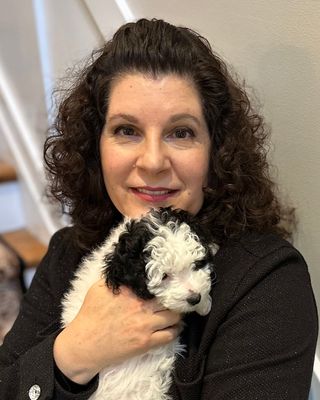
Hosted by Adrienne Licari
Clinical Social Work/Therapist, LCSW-R
Group meets in Stony Brook, NY 11790
As a certified Grief Educator, group is geared towards women who have experienced loss and feel stuck in grief. In this group we will witness each others losses, be present with each other, and have a safe space to talk about our loved one, while learning how to live life with more joy than pain. This will be a safe and supportive group that will also share some insights that help individuals navigate grief in a way that is meaningful to them. We are not supposed to grieve alone. We need our grief to be witnessed by others to heal.
Ever wondered why people cheat? It isn’t just men — women do too, though it often goes undiscovered. Affairs may be long-term, impulsive, or even emotional without sex, but the pain they cause runs deep. For the one who cheated, questions arise: “Why did I do this? Do I want to stay?” For the betrayed: “Am I enough? Can I ever forgive?” This group offers a safe, therapist-led space to explore the reasons behind infidelity. Sharing stories with others reduces shame, builds understanding, and helps couples consider what healing or moving forward looks like.
Hosted by Cl. Director Demi Kostouros
Counselor, Marital, Affair, Fights
Group meets in Stony Brook, NY 11790
Ever wondered why people cheat? It isn’t just men — women do too, though it often goes undiscovered. Affairs may be long-term, impulsive, or even emotional without sex, but the pain they cause runs deep. For the one who cheated, questions arise: “Why did I do this? Do I want to stay?” For the betrayed: “Am I enough? Can I ever forgive?” This group offers a safe, therapist-led space to explore the reasons behind infidelity. Sharing stories with others reduces shame, builds understanding, and helps couples consider what healing or moving forward looks like.
8 week Anger Management. Learn communication skills, stress management, emotional intelligence, self awareness, emotional awareness, emotional regulation and impulse control. In this program we teach core skills using our Anger Filters™ workbook, which serve as the program anchors. This program is filled with fun activities and lessons that keep adolescents engaged and learning, it also includes parent meetings. Typically takes 8-12 sessions to learn the skill sets.
Hosted by Anger Management U
Clinical Social Work/Therapist, LCSW-R, CAMF
Group meets in Stony Brook, NY 11790
8 week Anger Management. Learn communication skills, stress management, emotional intelligence, self awareness, emotional awareness, emotional regulation and impulse control. In this program we teach core skills using our Anger Filters™ workbook, which serve as the program anchors. This program is filled with fun activities and lessons that keep adolescents engaged and learning, it also includes parent meetings. Typically takes 8-12 sessions to learn the skill sets.
Why do kids seem to know exactly how to push every button? Parenting can feel like a nonstop cycle of tantrums, backtalk, and daily battles. This group brings parents together who face the same struggles, creating a supportive space to realize you’re not alone. With therapist guidance, you’ll learn strategies for setting limits with love, handling meltdowns calmly, and creating routines that actually work. Hearing from other parents helps reduce stress and isolation, while each session blends discussion and skills you can immediately use to bring more calm and confidence into your home.
Hosted by Cl. Director Demi Kostouros
Counselor, Marital, Affair, Fights
Group meets in Stony Brook, NY 11790
Why do kids seem to know exactly how to push every button? Parenting can feel like a nonstop cycle of tantrums, backtalk, and daily battles. This group brings parents together who face the same struggles, creating a supportive space to realize you’re not alone. With therapist guidance, you’ll learn strategies for setting limits with love, handling meltdowns calmly, and creating routines that actually work. Hearing from other parents helps reduce stress and isolation, while each session blends discussion and skills you can immediately use to bring more calm and confidence into your home.
Being a grown Curvy Girl, I developed this group for teen girls to share their journey with scoliosis. Being a girl already comes with challenges, & scoliosis diagnosis typically occurs at the most awkward time girls bodies are changing due to puberty. Wearing a brace can impact the way girls see themselves, interact with others, & their self-confidence. Girls with a back brace for scoliosis will have a place to talk about things people just don't understand, emotionally, physically, & medically. Group provides emotional support, tips & tricks, as well as having a fun group with other girls who get it.
Hosted by Adrienne Licari
Clinical Social Work/Therapist, LCSW-R
Group meets in Stony Brook, NY 11790
Being a grown Curvy Girl, I developed this group for teen girls to share their journey with scoliosis. Being a girl already comes with challenges, & scoliosis diagnosis typically occurs at the most awkward time girls bodies are changing due to puberty. Wearing a brace can impact the way girls see themselves, interact with others, & their self-confidence. Girls with a back brace for scoliosis will have a place to talk about things people just don't understand, emotionally, physically, & medically. Group provides emotional support, tips & tricks, as well as having a fun group with other girls who get it.
Why do kids seem to know exactly how to push every button? Parenting can feel like a nonstop cycle of tantrums, backtalk, and daily battles. This group brings parents together who face the same struggles, creating a supportive space to realize you’re not alone. With therapist guidance, you’ll learn strategies for setting limits with love, handling meltdowns calmly, and creating routines that actually work. Hearing from other parents helps reduce stress and isolation, while each session blends discussion and skills you can immediately use to bring more calm and confidence into your home.
Why do kids seem to know exactly how to push every button? Parenting can feel like a nonstop cycle of tantrums, backtalk, and daily battles. This group brings parents together who face the same struggles, creating a supportive space to realize you’re not alone. With therapist guidance, you’ll learn strategies for setting limits with love, handling meltdowns calmly, and creating routines that actually work. Hearing from other parents helps reduce stress and isolation, while each session blends discussion and skills you can immediately use to bring more calm and confidence into your home.
This program teaches core anger management skills through connection and technology using our effective and engaging "Anger Filters". After the initial assessment, which includes the guardians, participants will be placed in an appropriate group of up to eight adolescents. The group format can be a powerful tool because, in addition to learning the tools, the participants are able to learn from each other’s experiences. Benefits of the program include the following: A better understanding of self, Improved communication, Stress management techniques, Improved problem-solving and decision making, Improved self-control, empathy, and compassion, Improved impulse control.
Hosted by Long Island Behavioral Health
Clinical Social Work/Therapist, LCSW-R
Group meets in Stony Brook, NY 11790
This program teaches core anger management skills through connection and technology using our effective and engaging "Anger Filters". After the initial assessment, which includes the guardians, participants will be placed in an appropriate group of up to eight adolescents. The group format can be a powerful tool because, in addition to learning the tools, the participants are able to learn from each other’s experiences. Benefits of the program include the following: A better understanding of self, Improved communication, Stress management techniques, Improved problem-solving and decision making, Improved self-control, empathy, and compassion, Improved impulse control.
Our EMDR Group Therapy Intensive Program uses the Group Traumatic Episode Protocol (G-TEP) to help participants process and heal from trauma in a supportive group setting. G-TEP is an adaptation of EMDR therapy tailored for groups, making it ideal for those who’ve experienced shared traumatic events.
Hosted by Long Island Behavioral Health
Clinical Social Work/Therapist, LCSW-R
Group meets in Stony Brook, NY 11790
Our EMDR Group Therapy Intensive Program uses the Group Traumatic Episode Protocol (G-TEP) to help participants process and heal from trauma in a supportive group setting. G-TEP is an adaptation of EMDR therapy tailored for groups, making it ideal for those who’ve experienced shared traumatic events.
More Groups Nearby
Join a supportive, judgement-free group for caregivers who need connection, guidance, and a place to be seen and heard. What you will gain: Emotional support and shared understanding, coping tools for stress, burnout, caregiving challenges, and grief; Encouragement, Connection, Community - A reminder that your wellbeing matters too! Facilitated by a caregiver who knows first hand the rewarding yet challenging role it can be!

Join a supportive, judgement-free group for caregivers who need connection, guidance, and a place to be seen and heard. What you will gain: Emotional support and shared understanding, coping tools for stress, burnout, caregiving challenges, and grief; Encouragement, Connection, Community - A reminder that your wellbeing matters too! Facilitated by a caregiver who knows first hand the rewarding yet challenging role it can be!
Managing stress and anxiety can be very difficult for adolescents. Especially in a post pandemic era. Adjusting to he social situations and changes is not easy. Learning how to manage your feelings and not feel overwhelmed can be difficult. This group will teach adolescents how to manage all of those difficult emotions as well as provide validation with peers and a professional art therapist! Use creative outlets to express yourself nd learn positive coping skills in this group!

Managing stress and anxiety can be very difficult for adolescents. Especially in a post pandemic era. Adjusting to he social situations and changes is not easy. Learning how to manage your feelings and not feel overwhelmed can be difficult. This group will teach adolescents how to manage all of those difficult emotions as well as provide validation with peers and a professional art therapist! Use creative outlets to express yourself nd learn positive coping skills in this group!
This is a virtual Dialectical Behavior Therapy (DBT) Skills Training Group for adolescents. This is an open group with openings at the start of each module. Collateral sessions are offered for parents. Participants must complete an intake prior to beginning group. Please call or e-mail for more information.

This is a virtual Dialectical Behavior Therapy (DBT) Skills Training Group for adolescents. This is an open group with openings at the start of each module. Collateral sessions are offered for parents. Participants must complete an intake prior to beginning group. Please call or e-mail for more information.
Ready, Set, Thrive! is a supportive back-to-school anxiety and confidence group for teens ages 13–17. The group helps teens develop practical skills to manage test and performance anxiety, social anxiety, body image concerns, social media stress, and school-related pressures. Through interactive activities, discussion, and peer support, teens will build confidence, strengthen coping skills, and feel more prepared for the school year. Sessions incorporate evidence-based CBT, DBT, ACT, mindfulness, and psychoeducation strategies in a small, supportive group setting.

Ready, Set, Thrive! is a supportive back-to-school anxiety and confidence group for teens ages 13–17. The group helps teens develop practical skills to manage test and performance anxiety, social anxiety, body image concerns, social media stress, and school-related pressures. Through interactive activities, discussion, and peer support, teens will build confidence, strengthen coping skills, and feel more prepared for the school year. Sessions incorporate evidence-based CBT, DBT, ACT, mindfulness, and psychoeducation strategies in a small, supportive group setting.
See more therapy options for Stony Brook


FAQs - About Group Therapy and Support Groups
How can I find a support group in Stony Brook?
To find a support group in your area, start by entering your city, zip code, or the name of the group into the search bar at the top of the page. When searching, consider whether you prefer an in-person or virtual group. This can help you decide how broad your geographic search should be. If you are open to virtual groups, you might want to search by state instead of just your city, especially if there are limited options nearby.
Once you complete your search, you can use the filters to narrow the results by selecting specialties (such as grief, trauma, or eating disorders), therapeutic approaches, age groups, and other criteria to find a group that best fits your needs.
Once you complete your search, you can use the filters to narrow the results by selecting specialties (such as grief, trauma, or eating disorders), therapeutic approaches, age groups, and other criteria to find a group that best fits your needs.
How does group therapy work?
Group therapy is led by one or more trained therapists and provides a space where participants can process their experiences and learn from others facing similar challenges. Groups may focus on a specific issue—such as addiction, grief, physical illnesses, parenting, or caregiving—or they may center around a particular therapeutic approach, such as Cognitive Behavioral Therapy (CBT), social skill development, or Exposure Therapy. Some groups are also designed for specific populations, such as teens, veterans, or LGBTQ+ individuals.
It’s also important to distinguish group therapy from peer-led support groups, like Alcoholics Anonymous. While both can offer valuable support, therapy groups are typically led by licensed professionals and follow a more structured format. Therapy groups often meet for a fixed length of time with a consistent group of members, while many peer support groups meet for an indefinite period of time with members coming and going.
It’s also important to distinguish group therapy from peer-led support groups, like Alcoholics Anonymous. While both can offer valuable support, therapy groups are typically led by licensed professionals and follow a more structured format. Therapy groups often meet for a fixed length of time with a consistent group of members, while many peer support groups meet for an indefinite period of time with members coming and going.
What are the benefits of group therapy?
Group therapy offers several important benefits. It brings together people facing similar challenges—whether related to mental health, physical health, or life transitions—and creates a supportive environment where participants can exchange feedback, share experiences, and learn from one another. Hearing different perspectives can help individuals discover new coping strategies and practical tools they may not have encountered on their own. Sharing personal experiences, such as coping with a serious illness or navigating family struggles, can also reduce feelings of isolation and foster a sense of connection and understanding. In addition to emotional support, group members often gain useful, real-world advice from peers who have faced similar situations.
Group therapy is typically more affordable than individual therapy and, for certain conditions, can be equally effective. Many groups also include structured activities—such as guided journaling, cognitive-behavioral exercises, or role-playing—to help participants develop concrete skills they can apply in daily life.
Group therapy is typically more affordable than individual therapy and, for certain conditions, can be equally effective. Many groups also include structured activities—such as guided journaling, cognitive-behavioral exercises, or role-playing—to help participants develop concrete skills they can apply in daily life.
Is group therapy as effective as individual therapy?
It is difficult to make a blanket statement about the effectiveness of support groups, as they vary widely in focus and the conditions they address. However, support groups can be highly valuable in helping individuals gain emotional support and achieve meaningful treatment outcomes. For certain conditions, such as substance use, research has shown that group therapy can be particularly effective—sometimes just as effective as individual therapy—in supporting long-term recovery.
Many professionals attribute the effectiveness of group therapy to the unique benefits of the group setting, which fosters peer-to-peer learning and a sense of connection through shared experiences. Group settings also offer accountability and encouragement from both facilitators and fellow participants, which helps sustain motivation and supports continued progress. These factors together play a key role in promoting the overall effectiveness of group therapy.
Many professionals attribute the effectiveness of group therapy to the unique benefits of the group setting, which fosters peer-to-peer learning and a sense of connection through shared experiences. Group settings also offer accountability and encouragement from both facilitators and fellow participants, which helps sustain motivation and supports continued progress. These factors together play a key role in promoting the overall effectiveness of group therapy.
How much does group therapy cost?
Group therapy is typically less expensive than individual therapy, with sessions typically costing between $50 and $75 each. In comparison, individual therapy can cost anywhere from $100 to $200 or more per session, even with insurance. Some therapists or organizations offer low-cost or free group therapy options, particularly through community centers or nonprofit organizations. In some cases, groups may require payment upfront for a set number of sessions, such as paying for six weekly sessions at the first meeting. However, many providers offer payment plans to help make participation more accessible if this upfront payment is required.
Does insurance cover group therapy?
As with individual therapy, insurance coverage for group therapy varies based on factors such as your specific insurance plan, the purpose of the group, your diagnosis, and whether the group provider is in-network. Many insurance plans cover group therapy sessions that address diagnosable mental health conditions, such as substance use disorders, anxiety, or depression.
However, groups that focus on topics not directly tied to a mental health diagnosis—such as parenting support or divorce recovery—are less likely to be covered. Because coverage can vary widely, it’s important to check with your insurance provider before joining a group to confirm whether the sessions will be covered and what out-of-pocket costs you may be responsible for.
However, groups that focus on topics not directly tied to a mental health diagnosis—such as parenting support or divorce recovery—are less likely to be covered. Because coverage can vary widely, it’s important to check with your insurance provider before joining a group to confirm whether the sessions will be covered and what out-of-pocket costs you may be responsible for.
How long does group therapy last?
The length of each group therapy session typically ranges from 45 minutes to two hours, depending on the therapy approach, the group’s goals, and how often the group meets. In some cases, group therapy is part of a larger treatment program, such as an Intensive Outpatient Program (IOP), where group sessions complement individual therapy and are scheduled as part of the program’s overall structure.
The duration of participation in a group also varies. Some groups are designed to be short-term, lasting anywhere from 6 to 24 weeks—for example, bereavement groups or skills-based groups like those using Dialectical Behavioral Therapy (DBT). Other groups may be longer-term, lasting a year or more, and some ongoing support groups meet indefinitely, allowing participants to stay as long as they find the group helpful.
The duration of participation in a group also varies. Some groups are designed to be short-term, lasting anywhere from 6 to 24 weeks—for example, bereavement groups or skills-based groups like those using Dialectical Behavioral Therapy (DBT). Other groups may be longer-term, lasting a year or more, and some ongoing support groups meet indefinitely, allowing participants to stay as long as they find the group helpful.
What are the limitations of support groups?
Support groups offer many benefits, but they also have certain limitations. Unlike therapy groups, many support groups do not provide formal therapeutic treatment and are not led by licensed mental health professionals. For individuals seeking clinical treatment for specific mental health diagnoses—such as depression, eating disorders, or substance use—individual therapy or group therapy led by a licensed professional may offer more personalized and specialized care.
The effectiveness of a support group also depends heavily on the group’s participants and the overall group dynamic. When members engage respectfully and offer constructive support, the group can foster valuable peer-to-peer learning. However, if certain participants dominate discussions, provide inaccurate advice, or create conflict, it can disrupt the group’s sense of safety and reduce its effectiveness. Confidentiality can also be harder to maintain in support groups, particularly in open groups where participants can join or leave at any time. With new members regularly entering the group, it can be more difficult to build and sustain a consistent sense of trust and privacy.
The effectiveness of a support group also depends heavily on the group’s participants and the overall group dynamic. When members engage respectfully and offer constructive support, the group can foster valuable peer-to-peer learning. However, if certain participants dominate discussions, provide inaccurate advice, or create conflict, it can disrupt the group’s sense of safety and reduce its effectiveness. Confidentiality can also be harder to maintain in support groups, particularly in open groups where participants can join or leave at any time. With new members regularly entering the group, it can be more difficult to build and sustain a consistent sense of trust and privacy.