Support Groups in Reno, NV
This virtual group is open to those in later stages of recovery from an eating disorder, or highly motivated clients in early stages of recovery. Group is led by a fully licensed therapist and focuses on various recovery topics each ...

Hosted by Kimberly Bernstein
Clinical Social Work/Therapist, LCSW
Verified Verified
Group meets in Reno, NV 89519
This virtual group is open to those in later stages of recovery from an eating disorder, or highly motivated clients in early stages of recovery. Group is led by a fully licensed therapist and focuses on various recovery topics each ...
While you might countdown to retirement, rarely is the transition (or reality) of it is what you were expecting. Sometimes having time on your hands without the distraction of work highlights all the personal and family issues you had been ...
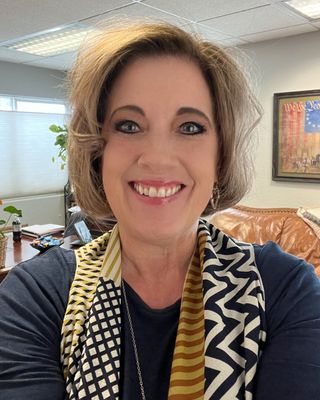
Hosted by Erin Chapel
Counselor, NCC, CPC, LCADC-S, CPGC-S, CFRC
Verified Verified
Group meets in Reno, NV 89509
While you might countdown to retirement, rarely is the transition (or reality) of it is what you were expecting. Sometimes having time on your hands without the distraction of work highlights all the personal and family issues you had been ...
Begin healing from perinatal loss and grief while surrounded by understanding individuals facing similar circumstances. This free support group is intended for individuals struggling with miscarriage, stillbirth, SIDS, early infant death, molar pregnancies, and other perinatal complications. All are welcome.

Hosted by Thrive Wellness Reno
Treatment Center
Verified Verified
Group meets in Reno, NV 89501
Begin healing from perinatal loss and grief while surrounded by understanding individuals facing similar circumstances. This free support group is intended for individuals struggling with miscarriage, stillbirth, SIDS, early infant death, molar pregnancies, and other perinatal complications. All are welcome.
We offer many different groups.

Hosted by C & C Health Care Services
LCSW, MD, CPC, APRN
Verified Verified
Group meets in Reno, NV 89502
We offer many different groups.
DBT skills group is designed to teach clients 4 distinct types of skills: Mindfulness, Emotional Regulation, Interpersonal Effectiveness and Distress Tolerance. DBT skills groups are are structured similar to a class where group members engage in a mindfulness practice, share ...
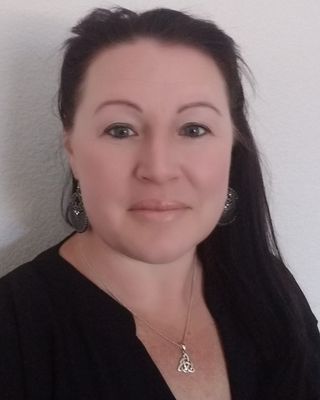
Hosted by Shannon Servi
Clinical Social Work/Therapist, LCSW
Verified Verified
Group meets in Reno, NV 89502
DBT skills group is designed to teach clients 4 distinct types of skills: Mindfulness, Emotional Regulation, Interpersonal Effectiveness and Distress Tolerance. DBT skills groups are are structured similar to a class where group members engage in a mindfulness practice, share ...
Our unique and supportive group best described by one member is like “taking off the heavy chainmail”. This is a psychosocial group but facilitated by a licensed clinician certified as a Specialist in Autism Spectrum Disorder. Group includes two mentors ...
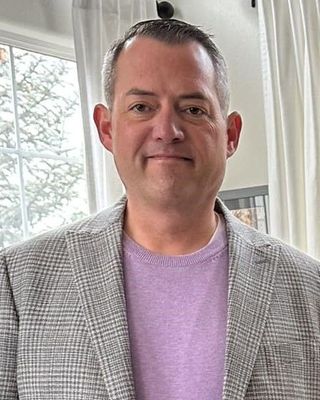
Hosted by Brian Crane
Clinical Social Work/Therapist, MSW, LCSW
Verified Verified
Group meets in Reno, NV 89511
Our unique and supportive group best described by one member is like “taking off the heavy chainmail”. This is a psychosocial group but facilitated by a licensed clinician certified as a Specialist in Autism Spectrum Disorder. Group includes two mentors ...
At Two Minds Wellness, we firmly believe in the power of partnership and collaboration in the journey towards mental well-being. Our name signifies the healing and transformative power that emerges when two minds - yours and your psychologist - unite ...
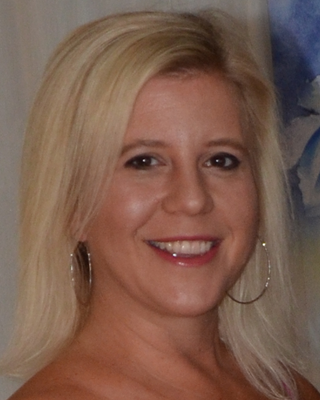
Hosted by Jen Schafer
Psychologist, PsyD
Verified Verified
Group meets in Reno, NV 89501
At Two Minds Wellness, we firmly believe in the power of partnership and collaboration in the journey towards mental well-being. Our name signifies the healing and transformative power that emerges when two minds - yours and your psychologist - unite ...
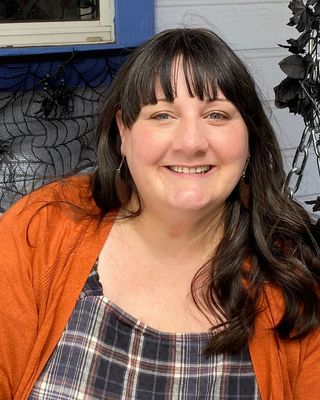
Hosted by Sarah Barr
Licensed Professional Counselor, PhD, CPC, CADC
Verified Verified
Group meets in Reno, NV 89509
Lifeworks group focuses on improving social skills, helping people deal with a range of issues such as anger, shyness, loneliness, loss, relapse prevention, and low self-esteem. We tackle communication, assertiveness, and boundary issues in a safe, caring and confidential environment.
Hosted by Lynn L Dyas
Marriage & Family Therapist, MFT, LCADC, NCC
Verified Verified
Group meets in Reno, NV 89503
Lifeworks group focuses on improving social skills, helping people deal with a range of issues such as anger, shyness, loneliness, loss, relapse prevention, and low self-esteem. We tackle communication, assertiveness, and boundary issues in a safe, caring and confidential environment.
We currently offer gender specific, court approved domestic and family violence intervention. We also offer aggression control and parenting programs. Please contact the office for scheduled group times and availability. Office hours are by appointment only.
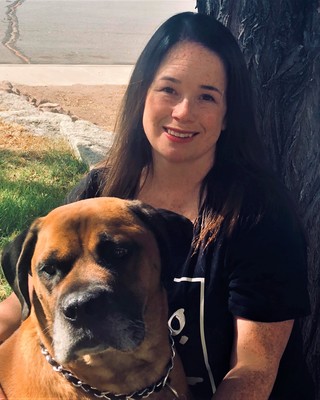
Hosted by Restorative Counseling and Wellness, LLC
Licensed Professional Counselor, LCPC, LDVTSP, NCC
Verified Verified
Group meets in Reno, NV 89511
We currently offer gender specific, court approved domestic and family violence intervention. We also offer aggression control and parenting programs. Please contact the office for scheduled group times and availability. Office hours are by appointment only.
DBT skills training group. Clinicians trained in adherent intensive Dialectical Behavior Therapy as created and taught by Marsha Linehan, Phd.

Hosted by Healing Minds, LLC
Clinical Social Work/Therapist, MSW, LCSW
Verified Verified
Group meets in Reno, NV 89509
DBT skills training group. Clinicians trained in adherent intensive Dialectical Behavior Therapy as created and taught by Marsha Linehan, Phd.
Join a supportive group to explore the psychological and emotional significance of your dreams. Use your imagination to collaborate with fellow group members, discovering multiple dream meanings. An introduction to dream analysis will be given by the group facilitator - ...
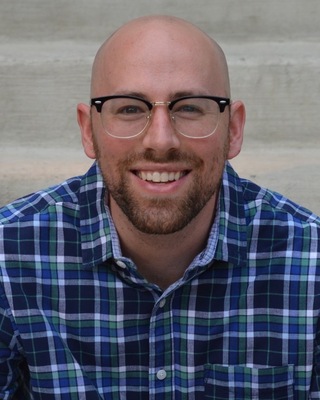
Hosted by Steven Dente
Marriage & Family Therapist, LMFT
Verified Verified
Group meets in Reno, NV 89501
Join a supportive group to explore the psychological and emotional significance of your dreams. Use your imagination to collaborate with fellow group members, discovering multiple dream meanings. An introduction to dream analysis will be given by the group facilitator - ...
Memor Health is full service mental health clinic with highly qualified therapists and psychiatrists. We work together with psychotherapy and medication management to help you move towards balance and clarity in your life.
Hosted by James Bertone
Clinical Social Work/Therapist, LCSW
Verified Verified
Group meets in Reno, NV 89521
Memor Health is full service mental health clinic with highly qualified therapists and psychiatrists. We work together with psychotherapy and medication management to help you move towards balance and clarity in your life.
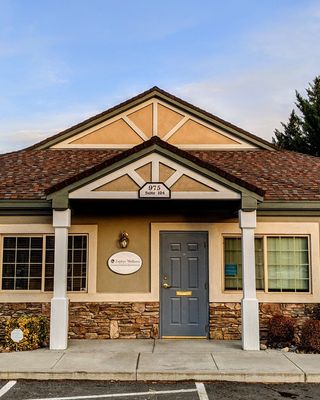
Hosted by Zephyr Wellness
Treatment Center, MFT, CPC
Verified Verified
Group meets in Reno, NV 89502
In the dynamic realm of psychology, our roles as guides require continual self-evolution. Guiding others necessitates our growth. This group honors the wisdom of therapists and provides a space of support and shared expereinces. Elevate your approach through shared insights ...
Hosted by Amaia Oiz
Marriage & Family Therapist, MA, MFT, RYT
Verified Verified
Group meets in Reno, NV 89523
In the dynamic realm of psychology, our roles as guides require continual self-evolution. Guiding others necessitates our growth. This group honors the wisdom of therapists and provides a space of support and shared expereinces. Elevate your approach through shared insights ...
If you’re a mama struggling with depression or anxiety and you’re looking for a sense of community during these isolating times, join us for the Afterglow Support Group. We cover topics related to coping tools, self-care, what to expect, questions ...

Hosted by Ashley Hanna-Morgan
Clinical Social Work/Therapist, LCSW
Verified Verified
Group meets in Reno, NV 89509
If you’re a mama struggling with depression or anxiety and you’re looking for a sense of community during these isolating times, join us for the Afterglow Support Group. We cover topics related to coping tools, self-care, what to expect, questions ...
The Emotional Skills Group (two times, 415pm and 515pm) is for adults who struggle with symptoms of depression, anxiety and more. Discussion focuses on behaviors that often interfere with personal relationships, work satisfaction, and general life satisfaction. The group will ...

Hosted by Great Basin Behavioral Health
Treatment Center, LCSW, LMFT, LCPC
Verified Verified
Group meets in Reno, NV 89511
The Emotional Skills Group (two times, 415pm and 515pm) is for adults who struggle with symptoms of depression, anxiety and more. Discussion focuses on behaviors that often interfere with personal relationships, work satisfaction, and general life satisfaction. The group will ...
The model of recovery includes the following elements: Basic education about emotional, physical, and sexual abuse. How current behaviors are linked to past abuses. A reframing of current symptoms as attempts to cope with unbearable trauma. An appreciation of the ...
Hosted by Meridian Health
Treatment Center, LMFT, LCADC, LCSW
Verified Verified
Group meets in Reno, NV 89502
The model of recovery includes the following elements: Basic education about emotional, physical, and sexual abuse. How current behaviors are linked to past abuses. A reframing of current symptoms as attempts to cope with unbearable trauma. An appreciation of the ...
Our group will be facilitated by our licensed clinician who has years of experience with ASD. The purpose of the group is to allow those with ASD to come together and be able to meet others in similar circumstances, and ...

Hosted by Tasha Hamilton
Clinical Social Work/Therapist, LCSW, LCADC
Verified Verified
Group meets in Reno, NV 89511
Our group will be facilitated by our licensed clinician who has years of experience with ASD. The purpose of the group is to allow those with ASD to come together and be able to meet others in similar circumstances, and ...
Hosted by Memor Health
Psychiatrist, MD
Verified Verified
Group meets in Reno, NV 89521
See more therapy options for Reno


FAQs - About Group Therapy and Support Groups
How can I find a support group in Reno?
Search for nearby support groups by inputting your city, zip code, or the name of the group into the search bar. From there, you can filter to find a group that suits your needs, whether you are looking for support for a teenager, a group that focuses on a specific issue, such as depression, or a particular program type, such as one geared toward developing social skills. To navigate between locations within the same country, enter a new city or zip code into the search bar.
How does group therapy work?
Therapy groups are led by one or more therapists and serve to help people process their experiences and learn from others who understand their challenges firsthand. They can be based on a specific issue, such as addiction, grief, physical illnesses, parenting, and caregiving. They can involve a specific type of program or therapy, such as a social skills group or CBT group. They can also be specific to a particular population or community, such as teens or LGBTQ.
Support groups, like Alcoholics Anonymous, also focus on a specific issue, but are typically led by members with lived experiences and are less structured than therapy groups. Most therapy groups will meet for a fixed length of time with a consistent group of members, while many support groups meet for an indefinite period of time with members coming and going.
Support groups, like Alcoholics Anonymous, also focus on a specific issue, but are typically led by members with lived experiences and are less structured than therapy groups. Most therapy groups will meet for a fixed length of time with a consistent group of members, while many support groups meet for an indefinite period of time with members coming and going.
What are the benefits of group therapy?
Support groups help connect people with shared challenges or physical and mental health conditions. In a group setting, participants can receive support and feedback from peers and can acquire new skills, strategies and perspectives by listening to one another. Discussing your experience with someone who also has a cancer diagnosis, or whose son also struggles with addiction, for example, can help you feel less alone, reduce distress, find empathy and connection, and learn practical or medical information that has helped others. Group therapy can also be a more affordable option than individual therapy and just as effective.
Is group therapy as effective as individual therapy?
Support groups can be deeply valuable for both emotional support and/or treatment outcomes. It’s difficult to make a blanket statement on efficacy due to the many different types of support groups and conditions treated, but group therapy has been found to be just as effective as individual therapy in establishing long-term abstinence for conditions such as substance abuse, addiction and alcohol abuse.
How much does group therapy cost?
Group counseling is typically less expensive than individual counseling, with each session costing on average between $60 to $75. Meanwhile, individual therapy sessions can run anywhere from $100 to $200 and up, even after insurance. It is possible to find low-cost group therapy options and many therapists offer group sessions free of charge.
Does insurance cover group therapy?
As with individual therapy, many insurance companies do offer coverage for group therapy sessions. However, the coverage varies based on your insurance plan details and whether you choose an in-network or out-of-network mental healthcare provider. Individuals are encouraged to check with their insurance providers to verify coverage.
How long does group therapy last?
The length of a support group session is often one hour but can fall anywhere between 45 minutes and two hours. The amount of time that people remain in a support group varies based on their specific needs and goals and the type of therapy. Some individuals may seek a shorter-term group, such as a bereavement group, that may last between six and 20 weeks. Some may seek a longer-term group that lasts for a year or indefinitely.
What are the limitations of support groups?
Support groups have many benefits, but there are a few limitations as well. Support groups do not constitute formal therapeutic or medical treatment, and are not run by licensed mental health professionals, so some people may opt for group therapy or individual therapy instead. Additionally, support groups can depend on the other participants, so a disruptive individual has the potential to mar the group dynamic, and the anecdotal information shared may sometimes be unhelpful or inaccurate. Because it is a group setting, confidentiality can be more difficult to guard and participants receive less personalized attention than they would in an individual therapy session.