Support Groups in Carson City, NV
Geared towards teaching adolescents new ways of interacting with peers with an emphasis on problem-solving and expression of self. This group goes beyond basic skills to uncover barriers to connection that your child might not be aware of while increasing confidence in their overall social abilities.
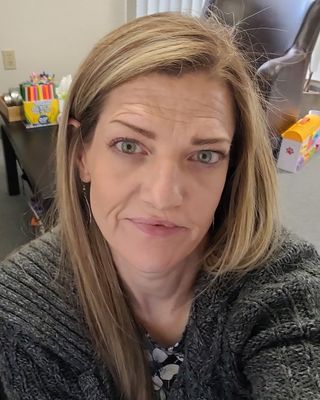
Hosted by Kristi L Berg
Clinical Social Work/Therapist, MSW, LCSW
Group meets in Carson City, NV 89701
Geared towards teaching adolescents new ways of interacting with peers with an emphasis on problem-solving and expression of self. This group goes beyond basic skills to uncover barriers to connection that your child might not be aware of while increasing confidence in their overall social abilities.
Geared towards teaching adolescents (ages 13-20) new ways of interacting with peers and meeting/making new friends.
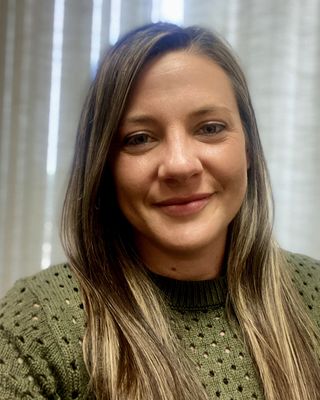
Hosted by Stephanie L Feeney
Clinical Social Work/Therapist, MSW, LCSW
Group meets in Carson City, NV 89701
Geared towards teaching adolescents (ages 13-20) new ways of interacting with peers and meeting/making new friends.
Treat yourself some "me" time, focused on breathing, relaxation, visualization and processing to connect mind and body. Expect a conversation about stress, intention and the connection between the breath, body and movement to release tension and stress. This will be a restorative class, no experience necessary. Bring an open mind and discover a safe place to process and experience support that focuses on the unique experiences of being a woman.

Hosted by Higher Dimensions of Healing
Marriage & Family Therapist, LMFT, KAP, NLP
Group meets in Carson City, NV 89706
Treat yourself some "me" time, focused on breathing, relaxation, visualization and processing to connect mind and body. Expect a conversation about stress, intention and the connection between the breath, body and movement to release tension and stress. This will be a restorative class, no experience necessary. Bring an open mind and discover a safe place to process and experience support that focuses on the unique experiences of being a woman.
Trauma focused group to assist parents/caregivers of family members that have been traumatized. Many families deal with the after effects of trauma seen in the children they foster, adopt and or gave birth to. This support groups focus is on understanding what the brain body connection is and understanding what behaviors and emotions are seen in small and large T traumas, and how to support them.
Trauma focused group to assist parents/caregivers of family members that have been traumatized. Many families deal with the after effects of trauma seen in the children they foster, adopt and or gave birth to. This support groups focus is on understanding what the brain body connection is and understanding what behaviors and emotions are seen in small and large T traumas, and how to support them.
These retreats will provide a supportive, intimate setting where women can focus on enhancing their well-being through: Mindfulness Skills: Cultivating present-moment awareness to reduce stress and enhance mental clarity; Self-Compassion Practices: Learning to treat yourself with kindness, especially during difficult moments; Happiness Enhancement: Exploring tools and techniques to increase joy and life satisfaction; Nature Walks and Journaling: Reconnecting with nature while engaging in reflective journaling activities to deepen personal insight. This retreat is ideal for women who want to improve their mental health, increase emotional resilience, and connect with like-minded individuals in a peaceful, supportive environment.

These retreats will provide a supportive, intimate setting where women can focus on enhancing their well-being through: Mindfulness Skills: Cultivating present-moment awareness to reduce stress and enhance mental clarity; Self-Compassion Practices: Learning to treat yourself with kindness, especially during difficult moments; Happiness Enhancement: Exploring tools and techniques to increase joy and life satisfaction; Nature Walks and Journaling: Reconnecting with nature while engaging in reflective journaling activities to deepen personal insight. This retreat is ideal for women who want to improve their mental health, increase emotional resilience, and connect with like-minded individuals in a peaceful, supportive environment.
This group has an emphasis on substance abuse with other co-occurring disorders such as depression or anxiety. You can expect a safe place to learn and share coping skills, processing and psycho education. Court clients are welcome.
Hosted by Higher Dimensions of Healing
Marriage & Family Therapist, LMFT, KAP, NLP
Group meets in Carson City, NV 89706
This group has an emphasis on substance abuse with other co-occurring disorders such as depression or anxiety. You can expect a safe place to learn and share coping skills, processing and psycho education. Court clients are welcome.
More Groups Nearby
Certified by all states to meet court requirements for all levels of DUI/Substance Abuse/Minor in Possession programs and other sentences.

Hosted by Sierra Counseling Center
Marriage & Family Therapist, MA, MFT, LADC
Group meets in Sparks, NV 89431
Certified by all states to meet court requirements for all levels of DUI/Substance Abuse/Minor in Possession programs and other sentences.
Paws & Hearts: Navigating Pet Loss Together is a therapist-led online support group for adults grieving the loss of a beloved pet. Pet loss can be as painful as losing a family member, yet many people feel their grief is misunderstood. This group offers a compassionate, judgment-free space to share your story, connect with others who understand, & learn healthy ways to cope. Led by a licensed clinical social worker, sessions include guided discussion, practical coping strategies, and opportunities to honor the bond you shared with your pet.

Paws & Hearts: Navigating Pet Loss Together is a therapist-led online support group for adults grieving the loss of a beloved pet. Pet loss can be as painful as losing a family member, yet many people feel their grief is misunderstood. This group offers a compassionate, judgment-free space to share your story, connect with others who understand, & learn healthy ways to cope. Led by a licensed clinical social worker, sessions include guided discussion, practical coping strategies, and opportunities to honor the bond you shared with your pet.
A group created from the Wild Woman Project. What is The Wild Woman Project? "The Wild Woman Project is at once a philosophy (an invigorating approach to life as a wondrous, often messy, creative project) & a growing movement of courageous, creative, heart centered (often weird & wonderful) women on a mission to remember, to reimagine what it means to be a woman – untamed"
A group created from the Wild Woman Project. What is The Wild Woman Project? "The Wild Woman Project is at once a philosophy (an invigorating approach to life as a wondrous, often messy, creative project) & a growing movement of courageous, creative, heart centered (often weird & wonderful) women on a mission to remember, to reimagine what it means to be a woman – untamed"
The Next Step Recovery Group is a supportive, skills-based group designed for individuals at any stage of their recovery journey seeking growth, connection, and practical tools for lasting change. Whether beginning recovery, strengthening your foundation, maintaining progress, or returning after a setback, this group offers a space to build skills and receive support in a nonjudgmental environment. Group topics may include: understanding triggers and cravings, relapse prevention strategies, coping skills, stress and emotion management, communication and boundary setting, support systems, self-awareness and resilience, and healthy routines and recovery-focused goals. This group provides a safe environment where progress, not perfection, is the focus.
The Next Step Recovery Group is a supportive, skills-based group designed for individuals at any stage of their recovery journey seeking growth, connection, and practical tools for lasting change. Whether beginning recovery, strengthening your foundation, maintaining progress, or returning after a setback, this group offers a space to build skills and receive support in a nonjudgmental environment. Group topics may include: understanding triggers and cravings, relapse prevention strategies, coping skills, stress and emotion management, communication and boundary setting, support systems, self-awareness and resilience, and healthy routines and recovery-focused goals. This group provides a safe environment where progress, not perfection, is the focus.
Psychoeducational and support based group with process for the treatment of substance abuse and dependence. A focus on skills to manage and gain stability in recovery.
Hosted by Healing Minds, LLC
Clinical Social Work/Therapist, MSW, LCSW
Group meets in Reno, NV 89509
Psychoeducational and support based group with process for the treatment of substance abuse and dependence. A focus on skills to manage and gain stability in recovery.
This is a focused, clinically supported therapy intensive using Exposure and Response Prevention (ERP), a well-researched treatment for anxiety and related concerns. ERP helps people gently and intentionally practice facing fears without relying on avoidance or safety behaviors, so anxiety can loosen its grip over time. Over three days, we work together to approach fears related to OCD, phobias, body image concerns, social anxiety, and trauma, in a supportive setting.
This is a focused, clinically supported therapy intensive using Exposure and Response Prevention (ERP), a well-researched treatment for anxiety and related concerns. ERP helps people gently and intentionally practice facing fears without relying on avoidance or safety behaviors, so anxiety can loosen its grip over time. Over three days, we work together to approach fears related to OCD, phobias, body image concerns, social anxiety, and trauma, in a supportive setting.
Inspired by Francis Weller’s The Wild Edge of Sorrow, this retreat offers a sacred space to honor loss, give language to what feels unspeakable, and rediscover the threads of belonging. Through guided practices, soulful ritual, and time in nature, participants are invited to lean into grief not as a problem to solve, but as a doorway into deeper connection with self, community, and the living world. MARCH 19-21, 2027. Go to www.galileetahoe.org to learn more and register.

Hosted by Monica B Campbell
Marriage & Family Therapist, LMFT, ATR-P
Group meets in Glenbrook, NV 89413
Inspired by Francis Weller’s The Wild Edge of Sorrow, this retreat offers a sacred space to honor loss, give language to what feels unspeakable, and rediscover the threads of belonging. Through guided practices, soulful ritual, and time in nature, participants are invited to lean into grief not as a problem to solve, but as a doorway into deeper connection with self, community, and the living world. MARCH 19-21, 2027. Go to www.galileetahoe.org to learn more and register.
Our weekly group provides a unique and organic environment where autistic/divergent teens can practice and enhance their social interactions, learn appropriate social cues, and develop friendships. Group is co-facilitated by mentors who have similar experiences which reduces feelings of isolation, while teaching techniques for managing stress and emotions. Shared activities and discussions, teens can learn and practice emotional regulation strategies. Success in group activities and positive social interactions can boost self-confidence and self-esteem. Observing one another offers valuable insights into different ways of handling social situations. Group sessions is enjoyable and engaging, offering a break from the stressors of daily life.

Our weekly group provides a unique and organic environment where autistic/divergent teens can practice and enhance their social interactions, learn appropriate social cues, and develop friendships. Group is co-facilitated by mentors who have similar experiences which reduces feelings of isolation, while teaching techniques for managing stress and emotions. Shared activities and discussions, teens can learn and practice emotional regulation strategies. Success in group activities and positive social interactions can boost self-confidence and self-esteem. Observing one another offers valuable insights into different ways of handling social situations. Group sessions is enjoyable and engaging, offering a break from the stressors of daily life.
Individual & Relationship Counseling Associates is attachment-focused, therapist collaborative founded by Cornelius and dedicated to excellence in Emotionally Focused Therapy (EFT). Our team has advanced training in Emotionally Focused Therapy (EFT) for Couples, Individuals and Families. EFT is a highly effective, non-judgmental and accepting therapy that gets to the root of distress. Learn more at www.iceeft.com or our website, csheehanjr.com. Call us for a free consultation. We will make sure you're pointed in the right direction, even if the referral is outside of our group.

Hosted by Cornelius (Con) Sheehan, LCSW, PLLC
Clinical Social Work/Therapist, LCSW
Group meets in Reno, NV 89501
Individual & Relationship Counseling Associates is attachment-focused, therapist collaborative founded by Cornelius and dedicated to excellence in Emotionally Focused Therapy (EFT). Our team has advanced training in Emotionally Focused Therapy (EFT) for Couples, Individuals and Families. EFT is a highly effective, non-judgmental and accepting therapy that gets to the root of distress. Learn more at www.iceeft.com or our website, csheehanjr.com. Call us for a free consultation. We will make sure you're pointed in the right direction, even if the referral is outside of our group.
Interpersonal Process Group creates a space where your relational patterns naturally emerge in real time as you interact with other group members. This allows you to better understand how you affect others and how they affect you, while practicing new ways of connecting and building more authentic, fulfilling connections both inside and outside the group.
Interpersonal Process Group creates a space where your relational patterns naturally emerge in real time as you interact with other group members. This allows you to better understand how you affect others and how they affect you, while practicing new ways of connecting and building more authentic, fulfilling connections both inside and outside the group.
Our weekly group provides a unique and organic environment where autistic/divergent teens can practice and enhance their social interactions, learn appropriate social cues, and develop friendships. Group is co-facilitated by mentors who have similar experiences which reduces feelings of isolation, while teaching techniques for managing stress and emotions. Shared activities and discussions, teens can learn and practice emotional regulation strategies. Success in group activities and positive social interactions can boost self-confidence and self-esteem. Observing one another offers valuable insights into different ways of handling social situations. Group sessions is enjoyable and engaging, offering a break from the stressors of daily life.
Hosted by Northern Nevada Mental Health and Substance Abuse
Clinical Social Work/Therapist, LCSW
Group meets in Reno, NV 89511
Our weekly group provides a unique and organic environment where autistic/divergent teens can practice and enhance their social interactions, learn appropriate social cues, and develop friendships. Group is co-facilitated by mentors who have similar experiences which reduces feelings of isolation, while teaching techniques for managing stress and emotions. Shared activities and discussions, teens can learn and practice emotional regulation strategies. Success in group activities and positive social interactions can boost self-confidence and self-esteem. Observing one another offers valuable insights into different ways of handling social situations. Group sessions is enjoyable and engaging, offering a break from the stressors of daily life.
At Two Minds Wellness, we firmly believe in the power of partnership and collaboration in the journey towards mental well-being. Our name signifies the healing and transformative power that emerges when two minds - yours and your psychologist - unite with a shared commitment to your wellness. Our mission is simple: to walk alongside you on your path to mental health and well-being, supporting you every step of the way. Take the first step towards your mental health journey today.
At Two Minds Wellness, we firmly believe in the power of partnership and collaboration in the journey towards mental well-being. Our name signifies the healing and transformative power that emerges when two minds - yours and your psychologist - unite with a shared commitment to your wellness. Our mission is simple: to walk alongside you on your path to mental health and well-being, supporting you every step of the way. Take the first step towards your mental health journey today.
The Adolescent Emotional Skills Group is for teens who struggle with symptoms of depression, anxiety and more. Discussion focuses on behaviors that often interfere with personal relationships, work satisfaction, and general life satisfaction. The group will teach skills that Impact: Distress Tolerance Emotion Regulation Interpersonal Effectiveness

Hosted by Great Basin Behavioral Health
Marriage & Family Therapist, LCSW, LMFT, LCPC
Group meets in Reno, NV 89511
The Adolescent Emotional Skills Group is for teens who struggle with symptoms of depression, anxiety and more. Discussion focuses on behaviors that often interfere with personal relationships, work satisfaction, and general life satisfaction. The group will teach skills that Impact: Distress Tolerance Emotion Regulation Interpersonal Effectiveness
Unbreakable Us is a trauma support group designed to help survivors heal through connection, understanding, and resilience. The group provides a safe, confidential space where individuals can share experiences, process emotions, and learn healthy coping strategies without judgment. Members support one another while building confidence, trust, and emotional strength. Guided by compassion and empowerment, the clinician encourages personal growth, and recovery from past pain. Through discussion, encouragement, and therapeutic activities, participants discover they are not alone in their healing journey. The group’s mission is to transform survival into strength and remind every member that healing and hope are possible.

Unbreakable Us is a trauma support group designed to help survivors heal through connection, understanding, and resilience. The group provides a safe, confidential space where individuals can share experiences, process emotions, and learn healthy coping strategies without judgment. Members support one another while building confidence, trust, and emotional strength. Guided by compassion and empowerment, the clinician encourages personal growth, and recovery from past pain. Through discussion, encouragement, and therapeutic activities, participants discover they are not alone in their healing journey. The group’s mission is to transform survival into strength and remind every member that healing and hope are possible.
See more therapy options for Carson City


FAQs - About Group Therapy and Support Groups
How can I find a support group in Carson City?
To find a support group in your area, start by entering your city, zip code, or the name of the group into the search bar at the top of the page. When searching, consider whether you prefer an in-person or virtual group. This can help you decide how broad your geographic search should be. If you are open to virtual groups, you might want to search by state instead of just your city, especially if there are limited options nearby.
Once you complete your search, you can use the filters to narrow the results by selecting specialties (such as grief, trauma, or eating disorders), therapeutic approaches, age groups, and other criteria to find a group that best fits your needs.
Once you complete your search, you can use the filters to narrow the results by selecting specialties (such as grief, trauma, or eating disorders), therapeutic approaches, age groups, and other criteria to find a group that best fits your needs.
How does group therapy work?
Group therapy is led by one or more trained therapists and provides a space where participants can process their experiences and learn from others facing similar challenges. Groups may focus on a specific issue—such as addiction, grief, physical illnesses, parenting, or caregiving—or they may center around a particular therapeutic approach, such as Cognitive Behavioral Therapy (CBT), social skill development, or Exposure Therapy. Some groups are also designed for specific populations, such as teens, veterans, or LGBTQ+ individuals.
It’s also important to distinguish group therapy from peer-led support groups, like Alcoholics Anonymous. While both can offer valuable support, therapy groups are typically led by licensed professionals and follow a more structured format. Therapy groups often meet for a fixed length of time with a consistent group of members, while many peer support groups meet for an indefinite period of time with members coming and going.
It’s also important to distinguish group therapy from peer-led support groups, like Alcoholics Anonymous. While both can offer valuable support, therapy groups are typically led by licensed professionals and follow a more structured format. Therapy groups often meet for a fixed length of time with a consistent group of members, while many peer support groups meet for an indefinite period of time with members coming and going.
What are the benefits of group therapy?
Group therapy offers several important benefits. It brings together people facing similar challenges—whether related to mental health, physical health, or life transitions—and creates a supportive environment where participants can exchange feedback, share experiences, and learn from one another. Hearing different perspectives can help individuals discover new coping strategies and practical tools they may not have encountered on their own. Sharing personal experiences, such as coping with a serious illness or navigating family struggles, can also reduce feelings of isolation and foster a sense of connection and understanding. In addition to emotional support, group members often gain useful, real-world advice from peers who have faced similar situations.
Group therapy is typically more affordable than individual therapy and, for certain conditions, can be equally effective. Many groups also include structured activities—such as guided journaling, cognitive-behavioral exercises, or role-playing—to help participants develop concrete skills they can apply in daily life.
Group therapy is typically more affordable than individual therapy and, for certain conditions, can be equally effective. Many groups also include structured activities—such as guided journaling, cognitive-behavioral exercises, or role-playing—to help participants develop concrete skills they can apply in daily life.
Is group therapy as effective as individual therapy?
It is difficult to make a blanket statement about the effectiveness of support groups, as they vary widely in focus and the conditions they address. However, support groups can be highly valuable in helping individuals gain emotional support and achieve meaningful treatment outcomes. For certain conditions, such as substance use, research has shown that group therapy can be particularly effective—sometimes just as effective as individual therapy—in supporting long-term recovery.
Many professionals attribute the effectiveness of group therapy to the unique benefits of the group setting, which fosters peer-to-peer learning and a sense of connection through shared experiences. Group settings also offer accountability and encouragement from both facilitators and fellow participants, which helps sustain motivation and supports continued progress. These factors together play a key role in promoting the overall effectiveness of group therapy.
Many professionals attribute the effectiveness of group therapy to the unique benefits of the group setting, which fosters peer-to-peer learning and a sense of connection through shared experiences. Group settings also offer accountability and encouragement from both facilitators and fellow participants, which helps sustain motivation and supports continued progress. These factors together play a key role in promoting the overall effectiveness of group therapy.
How much does group therapy cost?
Group therapy is typically less expensive than individual therapy, with sessions typically costing between $50 and $75 each. In comparison, individual therapy can cost anywhere from $100 to $200 or more per session, even with insurance. Some therapists or organizations offer low-cost or free group therapy options, particularly through community centers or nonprofit organizations. In some cases, groups may require payment upfront for a set number of sessions, such as paying for six weekly sessions at the first meeting. However, many providers offer payment plans to help make participation more accessible if this upfront payment is required.
Does insurance cover group therapy?
As with individual therapy, insurance coverage for group therapy varies based on factors such as your specific insurance plan, the purpose of the group, your diagnosis, and whether the group provider is in-network. Many insurance plans cover group therapy sessions that address diagnosable mental health conditions, such as substance use disorders, anxiety, or depression.
However, groups that focus on topics not directly tied to a mental health diagnosis—such as parenting support or divorce recovery—are less likely to be covered. Because coverage can vary widely, it’s important to check with your insurance provider before joining a group to confirm whether the sessions will be covered and what out-of-pocket costs you may be responsible for.
However, groups that focus on topics not directly tied to a mental health diagnosis—such as parenting support or divorce recovery—are less likely to be covered. Because coverage can vary widely, it’s important to check with your insurance provider before joining a group to confirm whether the sessions will be covered and what out-of-pocket costs you may be responsible for.
How long does group therapy last?
The length of each group therapy session typically ranges from 45 minutes to two hours, depending on the therapy approach, the group’s goals, and how often the group meets. In some cases, group therapy is part of a larger treatment program, such as an Intensive Outpatient Program (IOP), where group sessions complement individual therapy and are scheduled as part of the program’s overall structure.
The duration of participation in a group also varies. Some groups are designed to be short-term, lasting anywhere from 6 to 24 weeks—for example, bereavement groups or skills-based groups like those using Dialectical Behavioral Therapy (DBT). Other groups may be longer-term, lasting a year or more, and some ongoing support groups meet indefinitely, allowing participants to stay as long as they find the group helpful.
The duration of participation in a group also varies. Some groups are designed to be short-term, lasting anywhere from 6 to 24 weeks—for example, bereavement groups or skills-based groups like those using Dialectical Behavioral Therapy (DBT). Other groups may be longer-term, lasting a year or more, and some ongoing support groups meet indefinitely, allowing participants to stay as long as they find the group helpful.
What are the limitations of support groups?
Support groups offer many benefits, but they also have certain limitations. Unlike therapy groups, many support groups do not provide formal therapeutic treatment and are not led by licensed mental health professionals. For individuals seeking clinical treatment for specific mental health diagnoses—such as depression, eating disorders, or substance use—individual therapy or group therapy led by a licensed professional may offer more personalized and specialized care.
The effectiveness of a support group also depends heavily on the group’s participants and the overall group dynamic. When members engage respectfully and offer constructive support, the group can foster valuable peer-to-peer learning. However, if certain participants dominate discussions, provide inaccurate advice, or create conflict, it can disrupt the group’s sense of safety and reduce its effectiveness. Confidentiality can also be harder to maintain in support groups, particularly in open groups where participants can join or leave at any time. With new members regularly entering the group, it can be more difficult to build and sustain a consistent sense of trust and privacy.
The effectiveness of a support group also depends heavily on the group’s participants and the overall group dynamic. When members engage respectfully and offer constructive support, the group can foster valuable peer-to-peer learning. However, if certain participants dominate discussions, provide inaccurate advice, or create conflict, it can disrupt the group’s sense of safety and reduce its effectiveness. Confidentiality can also be harder to maintain in support groups, particularly in open groups where participants can join or leave at any time. With new members regularly entering the group, it can be more difficult to build and sustain a consistent sense of trust and privacy.