Three Oaks Behavioral Health 
Three Oaks Behavioral Health is a private, free standing mental health facility operating a Partial Hospitalization Program treating adults and adolescents, and an Intensive Outpatient Program treating adults, as licensed by the Mississippi Department of Mental Health. Our mission is ...
Hosted by Naomi Fortune Muffuletto
Licensed Professional Counselor, LPC
Verified Verified
Group meets in Ridgeland, MS 39157
Three Oaks Behavioral Health is a private, free standing mental health facility operating a Partial Hospitalization Program treating adults and adolescents, and an Intensive Outpatient Program treating adults, as licensed by the Mississippi Department of Mental Health. Our mission is ...
Acorn Counseling LLC 
Our clinicians specialize in the treatment of a variety of emotional and psychological issues. Our counselors are Board Certified Licensed Professional Counselors (LPCs) who also have advanced education and experience in treating trauma. Our counselors are not only trained to ...
Hosted by Kate Hilton
Licensed Professional Counselor, DPC, LPC-S, NCC
Verified Verified
Group meets in Madison, MS 39110
Our clinicians specialize in the treatment of a variety of emotional and psychological issues. Our counselors are Board Certified Licensed Professional Counselors (LPCs) who also have advanced education and experience in treating trauma. Our counselors are not only trained to ...
Gulf Coast Men's Center 
Hosted by David Wilson
Marriage & Family Therapist, MA, LMFT
Verified Verified
Group meets in Gulfport, MS 39501
Desoto Family Counseling & Pediatric Therapy Ctr 
We offer Behavioral Health, Medication Management, Occupational, Physical and Speech Therapy.
Hosted by Desoto Family Counseling Center, PLLC
Licensed Professional Counselor, MEd, LPC-S, NCC
Verified Verified
Group meets in Southaven, MS 38671
We offer Behavioral Health, Medication Management, Occupational, Physical and Speech Therapy.
Adult Dialectical Behavioral Therapy 
DBT Groups focus on giving clients better skills to cope effectively with feelings and life stressors.
Hosted by Bobby Scott & Associates Professional Counseling.
Marriage & Family Therapist, MA, LMFT, CAADC, DBT-C
Verified Verified
Group meets in Southaven, MS 38672
DBT Groups focus on giving clients better skills to cope effectively with feelings and life stressors.
Women's Issues 
This group will support the unique needs and issues women face today. If you need support, encouragement, and new strategies to cope with daily stressors or depression, sign up for this group today!
Hosted by Phyllis Houston
Licensed Professional Counselor, EdS, LPC-S, NCC, NCSC
Verified Verified
Group meets in Jackson, MS 39211
This group will support the unique needs and issues women face today. If you need support, encouragement, and new strategies to cope with daily stressors or depression, sign up for this group today!
Smoking cessation 
The purpose of this structured, time-limited group is to develop emotional and behavioral skills that will help participants stop smoking. This includes learning about the process of nicotine withdrawal (for example, its impact on your physical and emotional states), developing ...
The purpose of this structured, time-limited group is to develop emotional and behavioral skills that will help participants stop smoking. This includes learning about the process of nicotine withdrawal (for example, its impact on your physical and emotional states), developing ...
Schedule Your Appointment Today 
All sessions are individualized to the client, with the implementation of an evidence-based therapeutic framework in order to assist in guiding clients in the direction to help them develop new attitudes, a new outlook, and new ways to deal with ...
Hosted by Healing Minds Counseling Center LLC
Licensed Professional Counselor, DPC, LPC
Verified Verified
Group meets in Clinton, MS 39056
All sessions are individualized to the client, with the implementation of an evidence-based therapeutic framework in order to assist in guiding clients in the direction to help them develop new attitudes, a new outlook, and new ways to deal with ...
Magnolia Counseling Associates, PLLC, Madison, MS 
We are Christian therapists who are deeply committed to confidentially help you reach your therapeutic goals with no judgment or hidden agenda. We understand that the best therapists work on themselves, and we love to join you on the journey ...
Hosted by Rebecca Kirk
Licensed Professional Counselor, LPC
Verified Verified
Group meets in Madison, MS 39110
We are Christian therapists who are deeply committed to confidentially help you reach your therapeutic goals with no judgment or hidden agenda. We understand that the best therapists work on themselves, and we love to join you on the journey ...
Heale Counseling 
Hosted by Debra Wuichet
Clinical Social Work/Therapist, MSSW, LCSW, C-ASWCM, CCM
Verified Verified
Group meets in Tupelo, MS 38804
Girls Pre-teen Self-Esteem 
Pre-teens are typically just entering the identity crisis stage. They are wondering how and where do they fit within the context of their own world? During this self-discovery, girls can develop a negative self image and decreased self-esteem. The aim ...
Hosted by Barbara Ann Allman
Licensed Professional Counselor, DPC, MS, LPC, NCC
Verified Verified
Group meets in Southaven, MS 38672
Pre-teens are typically just entering the identity crisis stage. They are wondering how and where do they fit within the context of their own world? During this self-discovery, girls can develop a negative self image and decreased self-esteem. The aim ...
Nurture Group (TBRI) 
This group will use activities from Trust Based Relational Intervention to teach children through play and model therapeutic interventions for caregivers. This group is designed to teach regulation strategies, life skills, and provide nurturing connections between children and caregivers. This ...
Hosted by Emily Loupe
Licensed Professional Counselor, MA, LPC
Verified Verified
Group meets in Starkville, MS 39759
This group will use activities from Trust Based Relational Intervention to teach children through play and model therapeutic interventions for caregivers. This group is designed to teach regulation strategies, life skills, and provide nurturing connections between children and caregivers. This ...
Stillwaters Counseling Group 
Hosted by John Leslie Stevens
Licensed Professional Counselor, PhD , LPC-S
Verified Verified
Group meets in Ridgeland, MS 39157
Support Group for Grieving Parents 
The members of this support group are parents and step-parents surviving the death of a child or children. We meet monthly to provide encouragement , insight, coping skills, resources, a listening ear, and a caring heart to one another. The ...
Hosted by Nancy Dickens, LPC, LLC
Licensed Professional Counselor, MS, NCC, LPC-S
Verified Verified
Group meets in Madison, MS 39110
The members of this support group are parents and step-parents surviving the death of a child or children. We meet monthly to provide encouragement , insight, coping skills, resources, a listening ear, and a caring heart to one another. The ...
Anger Management, Life Skills, Self-Care Groups 
I offer anger management, family life skills, and self-care groups throughout the year. Call for dates, times, and scheduling.
Hosted by Amy Gallimore
Licensed Professional Counselor, MS, NCC, LPC
Verified Verified
Group meets in Southaven, MS 38671
I offer anger management, family life skills, and self-care groups throughout the year. Call for dates, times, and scheduling.
Anger Management 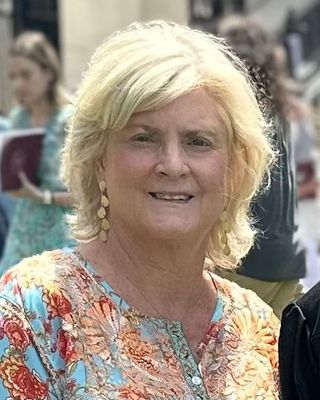
Hosted by Cathy C Foster Lpc-S
Licensed Professional Counselor, MEd, NCC, LPC- S
Verified Verified
Group meets in Clarksdale, MS 38614
Relapse Prevention 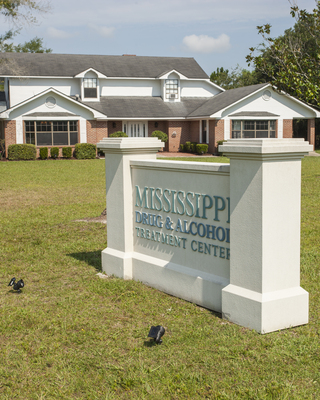
Relapse Prevention focuses on identifying relapse triggers and developing a healthy defence against the first drink or drug. Utilizing coping skills and avoiding stressful situations.
Hosted by Mississippi Drug And Alcohol Treatment Center
Treatment Center, Mississippi Drug And Alcohol Treatment Center, Mcap, Icadc
Not Verified Not Verified
Group meets in Biloxi, MS 39532
Relapse Prevention focuses on identifying relapse triggers and developing a healthy defence against the first drink or drug. Utilizing coping skills and avoiding stressful situations.
Anger Management 
Do you fume when someone cuts you off in traffic? Does your blood pressure rocket when your child refuses to cooperate? Anger is a normal and even healthy emotion - but it's important to deal with it in a positive ...
Hosted by Yeates Consulting
Licensed Professional Counselor, LPCS, NCC, MS
Verified Verified
Group meets in Columbus, MS 39705
Do you fume when someone cuts you off in traffic? Does your blood pressure rocket when your child refuses to cooperate? Anger is a normal and even healthy emotion - but it's important to deal with it in a positive ...
social skills 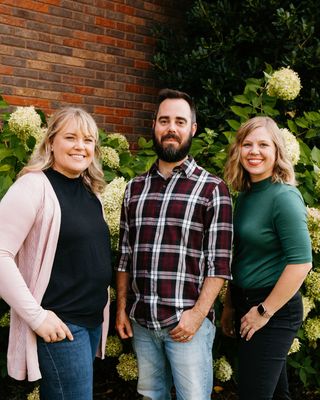
I provide a few social skills groups for preschoolers and adolescents with ASD, social anxiety, and ADHD.
Hosted by Irby Psychological Services, LLC
Psychologist, PhD, BCBA
Verified Verified
Group meets in Southaven, MS 38671
I provide a few social skills groups for preschoolers and adolescents with ASD, social anxiety, and ADHD.
The Shepherd's Staff 
The Shepherd's Staff Counseling Center is a non-profit, non-denominational, professional counseling organization committed to realizing hope through empowerment, restoration, & growth. Founded in 1981, The Shepherd's Staff is dedicated to spiritual ideals, although we are not affiliated with any particular ...
Hosted by Will Mcneese
Licensed Professional Counselor, MA, LPC
Verified Verified
Group meets in Flowood, MS 39232
The Shepherd's Staff Counseling Center is a non-profit, non-denominational, professional counseling organization committed to realizing hope through empowerment, restoration, & growth. Founded in 1981, The Shepherd's Staff is dedicated to spiritual ideals, although we are not affiliated with any particular ...
See more therapy options for Mississippi


FAQs - About Group Therapy and Support Groups
How can I find a support group in Mississippi?
Search for nearby support groups by inputting your city, zip code, or the name of the group into the search bar. From there, you can filter to find a group that suits your needs, whether you are looking for support for a teenager, a group that focuses on a specific issue, such as depression, or a particular program type, such as one geared toward developing social skills. To navigate between locations within the same country, enter a new city or zip code into the search bar.
How does group therapy work?
Therapy groups are led by one or more therapists and serve to help people process their experiences and learn from others who understand their challenges firsthand. They can be based on a specific issue, such as addiction, grief, physical illnesses, parenting, and caregiving. They can involve a specific type of program or therapy, such as a social skills group or CBT group. They can also be specific to a particular population or community, such as teens or LGBTQ.
Support groups, like Alcoholics Anonymous, also focus on a specific issue, but are typically led by members with lived experiences and are less structured than therapy groups. Most therapy groups will meet for a fixed length of time with a consistent group of members, while many support groups meet for an indefinite period of time with members coming and going.
Support groups, like Alcoholics Anonymous, also focus on a specific issue, but are typically led by members with lived experiences and are less structured than therapy groups. Most therapy groups will meet for a fixed length of time with a consistent group of members, while many support groups meet for an indefinite period of time with members coming and going.
What are the benefits of group therapy?
Support groups help connect people with shared challenges or physical and mental health conditions. In a group setting, participants can receive support and feedback from peers and can acquire new skills, strategies and perspectives by listening to one another. Discussing your experience with someone who also has a cancer diagnosis, or whose son also struggles with addiction, for example, can help you feel less alone, reduce distress, find empathy and connection, and learn practical or medical information that has helped others. Group therapy can also be a more affordable option than individual therapy and just as effective.
Is group therapy as effective as individual therapy?
Support groups can be deeply valuable for both emotional support and/or treatment outcomes. It’s difficult to make a blanket statement on efficacy due to the many different types of support groups and conditions treated, but group therapy has been found to be just as effective as individual therapy in establishing long-term abstinence for conditions such as substance abuse, addiction and alcohol abuse.
How much does group therapy cost?
Group counseling is typically less expensive than individual counseling, with each session costing on average between $60 to $75. Meanwhile, individual therapy sessions can run anywhere from $100 to $200 and up, even after insurance. It is possible to find low-cost group therapy options and many therapists offer group sessions free of charge.
Does insurance cover group therapy?
As with individual therapy, many insurance companies do offer coverage for group therapy sessions. However, the coverage varies based on your insurance plan details and whether you choose an in-network or out-of-network mental healthcare provider. Individuals are encouraged to check with their insurance providers to verify coverage.
How long does group therapy last?
The length of a support group session is often one hour but can fall anywhere between 45 minutes and two hours. The amount of time that people remain in a support group varies based on their specific needs and goals and the type of therapy. Some individuals may seek a shorter-term group, such as a bereavement group, that may last between six and 20 weeks. Some may seek a longer-term group that lasts for a year or indefinitely.
What are the limitations of support groups?
Support groups have many benefits, but there are a few limitations as well. Support groups do not constitute formal therapeutic or medical treatment, and are not run by licensed mental health professionals, so some people may opt for group therapy or individual therapy instead. Additionally, support groups can depend on the other participants, so a disruptive individual has the potential to mar the group dynamic, and the anecdotal information shared may sometimes be unhelpful or inaccurate. Because it is a group setting, confidentiality can be more difficult to guard and participants receive less personalized attention than they would in an individual therapy session.