Support Groups in 33445
Brain SPECT imaging and comprehensive Amen results analysis. SPECT scans can help identify and aid in treatment of many disorders. Essentially these brain scans take a snapshot of brain activity that can then provide insight on Traumatic Brain Injury including: sports-related concussions and acquired brain injury, stroke, drug addictions, near-drowning and neurotoxic factors. SPECT imaging is also valuable for identifying dementia types, PTSD, ADHD/ADD, anxiety, depression, OCD, bipolar disorder, and executive dysfunction. SPECT gives us a picture of your metabolic brain function so we can better target treatment.
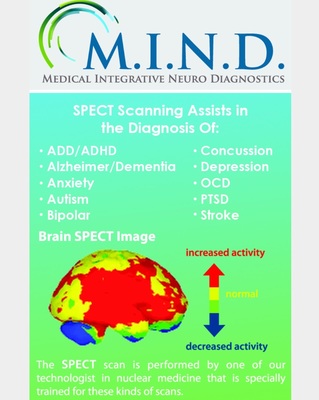
Hosted by Brain Spect-Medical Integrative Neuro Diagnostics
Treatment Center, RDMS, RVT, RDCS
Group meets in Delray Beach, FL 33445
Brain SPECT imaging and comprehensive Amen results analysis. SPECT scans can help identify and aid in treatment of many disorders. Essentially these brain scans take a snapshot of brain activity that can then provide insight on Traumatic Brain Injury including: sports-related concussions and acquired brain injury, stroke, drug addictions, near-drowning and neurotoxic factors. SPECT imaging is also valuable for identifying dementia types, PTSD, ADHD/ADD, anxiety, depression, OCD, bipolar disorder, and executive dysfunction. SPECT gives us a picture of your metabolic brain function so we can better target treatment.
Dialectical Behavior Therapy Groups allow clients to live their lives in a mindful way, by learning skills to help regulate emotions, handle distress and crisis, and to decrease interpersonal conflict.

Hosted by Stephanie Burstein
Marriage & Family Therapist, MS, LMFT, QS
Group meets in Delray Beach, FL 33445
Dialectical Behavior Therapy Groups allow clients to live their lives in a mindful way, by learning skills to help regulate emotions, handle distress and crisis, and to decrease interpersonal conflict.
Our Dialectical Behavior Therapy Groups allow our clients to live their lives in a mindful way, by learning skills to help regulate emotions, handle distress and crisis, and to decrease interpersonal conflict. We offer traditional DBT, Advanced DBT, DBTeen, DBTween, DBT-E for young adults and DBT based Skills Group for children. All group participants must be seen by an Oasis therapist for individual treatment. Please call for times, prices and enrollment details.

Hosted by Therapeutic Oasis of the Palm Beaches
Treatment Center
Group meets in Delray Beach, FL 33445
Our Dialectical Behavior Therapy Groups allow our clients to live their lives in a mindful way, by learning skills to help regulate emotions, handle distress and crisis, and to decrease interpersonal conflict. We offer traditional DBT, Advanced DBT, DBTeen, DBTween, DBT-E for young adults and DBT based Skills Group for children. All group participants must be seen by an Oasis therapist for individual treatment. Please call for times, prices and enrollment details.
Dialectical Behavior Therapy skills group is an evidenced based treatment of choice for individulas with longstanding personality and co-occurring disorders. Individuals in this group report making more progress in 6 months of this treatment than 6 years of prior therapy. I have worked with my co-facilitator for over 15 years and have been intensively trained in DBT treatment. This group is co-facilitated by two psychologist who adhere to the standards DBT protocol. There is extensive research on the effectiveness of DBT with highly suicidal clients and clients who are suffering from long standing emotional pain.

Dialectical Behavior Therapy skills group is an evidenced based treatment of choice for individulas with longstanding personality and co-occurring disorders. Individuals in this group report making more progress in 6 months of this treatment than 6 years of prior therapy. I have worked with my co-facilitator for over 15 years and have been intensively trained in DBT treatment. This group is co-facilitated by two psychologist who adhere to the standards DBT protocol. There is extensive research on the effectiveness of DBT with highly suicidal clients and clients who are suffering from long standing emotional pain.
Guardian Recovery Network was created in 2006 with the goal of providing world-class substance use disorder treatment. Clients are treated using the latest evidenced-based clinical methods as well as break-through holistic and alternative treatments. Offering a full continuum of care, Guardian Recovery Network facilities provide comprehensive treatment and support through all levels of care. With over 250 available client spots, we can extend our services across the country, offering much-needed programs and services to those suffering and seeking help with substance use disorders.
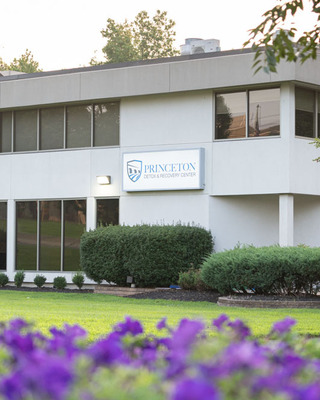
Hosted by Guardian Recovery - Princeton Detox & Recovery
Treatment Center
Group meets in Delray Beach, FL 33445
Guardian Recovery Network was created in 2006 with the goal of providing world-class substance use disorder treatment. Clients are treated using the latest evidenced-based clinical methods as well as break-through holistic and alternative treatments. Offering a full continuum of care, Guardian Recovery Network facilities provide comprehensive treatment and support through all levels of care. With over 250 available client spots, we can extend our services across the country, offering much-needed programs and services to those suffering and seeking help with substance use disorders.
MBSR is an 8 week course that is modeled after Jon Kabat-Zinn MBSR program. This course is an excellent training in mindfulness exercises and practices that help reduce stress, improve health, and emotional functioning. MBCT is an 8 week course developed for people to prevent relapse from recurring depression and deep sadness. Both require full commitment to weekly classes, home practice.and attendance at a full day retreat.
MBSR is an 8 week course that is modeled after Jon Kabat-Zinn MBSR program. This course is an excellent training in mindfulness exercises and practices that help reduce stress, improve health, and emotional functioning. MBCT is an 8 week course developed for people to prevent relapse from recurring depression and deep sadness. Both require full commitment to weekly classes, home practice.and attendance at a full day retreat.
WOMEN's GROUP provides a caring and supportive space where women can bond with one another and embark on their journey toward self-discovery. This group offers women a place to build female relationships, to laugh and have fun, to support one another with compassion, and to learn from the wisdom of those around them. WOMEN's WISDOM GROUP is a place for women to connect with their body through experiential exercises and process. Participants will work toward developing positive body image and learn to connect to the wisdom within.
Hosted by Therapeutic Oasis of the Palm Beaches
Treatment Center
Group meets in Delray Beach, FL 33445
WOMEN's GROUP provides a caring and supportive space where women can bond with one another and embark on their journey toward self-discovery. This group offers women a place to build female relationships, to laugh and have fun, to support one another with compassion, and to learn from the wisdom of those around them. WOMEN's WISDOM GROUP is a place for women to connect with their body through experiential exercises and process. Participants will work toward developing positive body image and learn to connect to the wisdom within.
Mindfulness Based Cognitive Therapy (MBCT), Mindfulness Based Stress Reduction (MBSR) and Mindful Self Compassion (MSC) are offered as a part of on going group and treatment as advanced DBT groups or stand alone groups for clients an d the community to receive these evidenced based programs to increase skillful living, reduce sufferings and reach therapeutic and life goals in relationships, health, wellbeing, career, school, and creative ventures.
Hosted by Therapeutic Oasis of the Palm Beaches
Treatment Center
Group meets in Delray Beach, FL 33445
Mindfulness Based Cognitive Therapy (MBCT), Mindfulness Based Stress Reduction (MBSR) and Mindful Self Compassion (MSC) are offered as a part of on going group and treatment as advanced DBT groups or stand alone groups for clients an d the community to receive these evidenced based programs to increase skillful living, reduce sufferings and reach therapeutic and life goals in relationships, health, wellbeing, career, school, and creative ventures.

Hosted by Natalie Jean Baptiste
Psychiatric Nurse Practitioner, PMHNP, BC
Group meets in Delray Beach, FL 33445
Hosted by Natalie Jean Baptiste
Psychiatric Nurse Practitioner, PMHNP, BC
Group meets in Delray Beach, FL 33445
More Groups Nearby
Meet caring women who are looking to provide and receive support in a warm, safe, and non-judgmental space. Topics include, anxiety, depression, relationships, loss, self-esteem, work/life balance, stress management, and wellness.

Meet caring women who are looking to provide and receive support in a warm, safe, and non-judgmental space. Topics include, anxiety, depression, relationships, loss, self-esteem, work/life balance, stress management, and wellness.
For people in need of therapy, motivation, empowerment, and healing

Hosted by Palm Beach Counseling and Behavioral Health
Clinical Social Work/Therapist, LMHC
Group meets in West Palm Beach, FL 33409
For people in need of therapy, motivation, empowerment, and healing
This is a three-session workshop for people with chronic pain. You will learn to use self-hypnosis to get pain relief. Sessions will combine education and experiential exercises in self-hypnosis, breath work, meditation, mindfulness, and self-compassion. We meet online. Dr. Eimer is a clinical psychologist who has specialized in pain management for over 35 years, co-directed a pain clinic, and authored books on pain control. Please contact me for more details. Learn more at https://bruceeimer.com
This is a three-session workshop for people with chronic pain. You will learn to use self-hypnosis to get pain relief. Sessions will combine education and experiential exercises in self-hypnosis, breath work, meditation, mindfulness, and self-compassion. We meet online. Dr. Eimer is a clinical psychologist who has specialized in pain management for over 35 years, co-directed a pain clinic, and authored books on pain control. Please contact me for more details. Learn more at https://bruceeimer.com
We offer virtual & in person groups teaching DBT skills for people wanting to improve their ability to regulate emotions, maintain healthy relationships, manage impulsive tendencies, to feel better about themselves. DBT also targets destructive behaviors like self-harming & suicidal thinking. We teach individuals about their emotional system, better ways to respond to emotions and crises, and interpersonal skills for relationship effectiveness. Call now for a free consultation (954) 477-7455.

We offer virtual & in person groups teaching DBT skills for people wanting to improve their ability to regulate emotions, maintain healthy relationships, manage impulsive tendencies, to feel better about themselves. DBT also targets destructive behaviors like self-harming & suicidal thinking. We teach individuals about their emotional system, better ways to respond to emotions and crises, and interpersonal skills for relationship effectiveness. Call now for a free consultation (954) 477-7455.
This is a free group that meets virtually the first and third Sunday of each month at 8 pm. This group is faith-based.
Hosted by Leah Marie Syberg
Licensed Professional Counselor, BS, MS, LMHC
Group meets in Lantana, FL 33462
This is a free group that meets virtually the first and third Sunday of each month at 8 pm. This group is faith-based.
This group was created to discuss women's issues as it relates to the different hats we wear as mothers, spouces, homemakers and more. Moms are encourage to take time for themselves and this group is one way they can find support in the hardest job in the world in which there is no handbook.

Hosted by Boca Raton Counseling Center
Marriage & Family Therapist, MA, LMFT
Group meets in Boca Raton, FL 33487
This group was created to discuss women's issues as it relates to the different hats we wear as mothers, spouces, homemakers and more. Moms are encourage to take time for themselves and this group is one way they can find support in the hardest job in the world in which there is no handbook.
I work with individuals struggling with loss and with the help of my new workbook: Losing A Loved One, from grief to joy... I help people heal, trust and love again! To get more information on the next workshop December 6,2015 from 1-4 in east Boca raton, contact me. The workbook is available on Amazon.com🙏

Hosted by Individual, Couples, Family,Divorce and Grief
Clinical Social Work/Therapist, LCSW
Group meets in Boca Raton, FL 33433
I work with individuals struggling with loss and with the help of my new workbook: Losing A Loved One, from grief to joy... I help people heal, trust and love again! To get more information on the next workshop December 6,2015 from 1-4 in east Boca raton, contact me. The workbook is available on Amazon.com🙏
Over an eight week period your child will work through a variety of kid-friendly mediums (art, crafts, song, music, games) to begin understanding their emotions. In a small group setting, your child will work with a mental health counselor to identify feelings of anxiety in the body and mind. Throughout the group, your child will work to create and establish coping skills to better control anxious thoughts and feelings. Children will be provided with an open space to share, as well as provided with education to better understand their feelings.

Hosted by Palm Beach Center For Child Therapy
Counselor, MS, LMHC, BCBA
Group meets in Coconut Creek, FL 33073
Over an eight week period your child will work through a variety of kid-friendly mediums (art, crafts, song, music, games) to begin understanding their emotions. In a small group setting, your child will work with a mental health counselor to identify feelings of anxiety in the body and mind. Throughout the group, your child will work to create and establish coping skills to better control anxious thoughts and feelings. Children will be provided with an open space to share, as well as provided with education to better understand their feelings.
DBT Adult Skills Group provides valuable, interactive learning to practice coping skills for difficult situations when big emotions flare up or shut us down in life. DBT Skills leave you more skillful in your dealings with others, more accepting of circumstances and changes, and more balanced and effective in solving problems and tolerating painful situations in our lives and relationships. Based on a 12-week syllabus adapted from Linehan’s skills workbook, we spend 2-4 Class sessions on the following four (4) core modules of dialectical and behavioral skills: Mindfulness, Distress Tolerance, Emotion Regulation, and Interpersonal Effectiveness.

Hosted by Carla Barrow
Marriage & Family Therapist, JD, LMFT, MT3973
Group meets in Fort Lauderdale, FL 33308
DBT Adult Skills Group provides valuable, interactive learning to practice coping skills for difficult situations when big emotions flare up or shut us down in life. DBT Skills leave you more skillful in your dealings with others, more accepting of circumstances and changes, and more balanced and effective in solving problems and tolerating painful situations in our lives and relationships. Based on a 12-week syllabus adapted from Linehan’s skills workbook, we spend 2-4 Class sessions on the following four (4) core modules of dialectical and behavioral skills: Mindfulness, Distress Tolerance, Emotion Regulation, and Interpersonal Effectiveness.
Mom and Me is a mental health support group for all mothers, grandmothers, foster mothers, step mothers, aunts, caregivers, and their teenage counterparts. The group is a mix of psychoeducation (learning a new skill or information) and processing (sharing personal experience or giving feedback to others). We believe that by using creative outlets such as journaling, scrapbooking, role plays, and open discussion mothers and daughters can deepen their understanding of themselves and strengthen their bond with one another. We are currently offering this virtual group for free until further notice.

Mom and Me is a mental health support group for all mothers, grandmothers, foster mothers, step mothers, aunts, caregivers, and their teenage counterparts. The group is a mix of psychoeducation (learning a new skill or information) and processing (sharing personal experience or giving feedback to others). We believe that by using creative outlets such as journaling, scrapbooking, role plays, and open discussion mothers and daughters can deepen their understanding of themselves and strengthen their bond with one another. We are currently offering this virtual group for free until further notice.
See more therapy options for 33445


FAQs - About Group Therapy and Support Groups
How can I find a support group in 33445?
To find a support group in your area, start by entering your city, zip code, or the name of the group into the search bar at the top of the page. When searching, consider whether you prefer an in-person or virtual group. This can help you decide how broad your geographic search should be. If you are open to virtual groups, you might want to search by state instead of just your city, especially if there are limited options nearby.
Once you complete your search, you can use the filters to narrow the results by selecting specialties (such as grief, trauma, or eating disorders), therapeutic approaches, age groups, and other criteria to find a group that best fits your needs.
How does group therapy work?
Group therapy is led by one or more trained therapists and provides a space where participants can process their experiences and learn from others facing similar challenges. Groups may focus on a specific issue—such as addiction, grief, physical illnesses, parenting, or caregiving—or they may center around a particular therapeutic approach, such as Cognitive Behavioral Therapy (CBT), social skill development, or Exposure Therapy. Some groups are also designed for specific populations, such as teens, veterans, or LGBTQ+ individuals.
It’s also important to distinguish group therapy from peer-led support groups, like Alcoholics Anonymous. While both can offer valuable support, therapy groups are typically led by licensed professionals and follow a more structured format. Therapy groups often meet for a fixed length of time with a consistent group of members, while many peer support groups meet for an indefinite period of time with members coming and going.
What are the benefits of group therapy?
Group therapy offers several important benefits. It brings together people facing similar challenges—whether related to mental health, physical health, or life transitions—and creates a supportive environment where participants can exchange feedback, share experiences, and learn from one another. Hearing different perspectives can help individuals discover new coping strategies and practical tools they may not have encountered on their own. Sharing personal experiences, such as coping with a serious illness or navigating family struggles, can also reduce feelings of isolation and foster a sense of connection and understanding. In addition to emotional support, group members often gain useful, real-world advice from peers who have faced similar situations.
Group therapy is typically more affordable than individual therapy and, for certain conditions, can be equally effective. Many groups also include structured activities—such as guided journaling, cognitive-behavioral exercises, or role-playing—to help participants develop concrete skills they can apply in daily life.
Is group therapy as effective as individual therapy?
It is difficult to make a blanket statement about the effectiveness of support groups, as they vary widely in focus and the conditions they address. However, support groups can be highly valuable in helping individuals gain emotional support and achieve meaningful treatment outcomes. For certain conditions, such as substance use, research has shown that group therapy can be particularly effective—sometimes just as effective as individual therapy—in supporting long-term recovery.
Many professionals attribute the effectiveness of group therapy to the unique benefits of the group setting, which fosters peer-to-peer learning and a sense of connection through shared experiences. Group settings also offer accountability and encouragement from both facilitators and fellow participants, which helps sustain motivation and supports continued progress. These factors together play a key role in promoting the overall effectiveness of group therapy.
How much does group therapy cost?
Group therapy is typically less expensive than individual therapy, with sessions typically costing between $50 and $75 each. In comparison, individual therapy can cost anywhere from $100 to $200 or more per session, even with insurance. Some therapists or organizations offer low-cost or free group therapy options, particularly through community centers or nonprofit organizations. In some cases, groups may require payment upfront for a set number of sessions, such as paying for six weekly sessions at the first meeting. However, many providers offer payment plans to help make participation more accessible if this upfront payment is required.
Does insurance cover group therapy?
As with individual therapy, insurance coverage for group therapy varies based on factors such as your specific insurance plan, the purpose of the group, your diagnosis, and whether the group provider is in-network. Many insurance plans cover group therapy sessions that address diagnosable mental health conditions, such as substance use disorders, anxiety, or depression.
However, groups that focus on topics not directly tied to a mental health diagnosis—such as parenting support or divorce recovery—are less likely to be covered. Because coverage can vary widely, it’s important to check with your insurance provider before joining a group to confirm whether the sessions will be covered and what out-of-pocket costs you may be responsible for.
How long does group therapy last?
The length of each group therapy session typically ranges from 45 minutes to two hours, depending on the therapy approach, the group’s goals, and how often the group meets. In some cases, group therapy is part of a larger treatment program, such as an Intensive Outpatient Program (IOP), where group sessions complement individual therapy and are scheduled as part of the program’s overall structure.
The duration of participation in a group also varies. Some groups are designed to be short-term, lasting anywhere from 6 to 24 weeks—for example, bereavement groups or skills-based groups like those using Dialectical Behavioral Therapy (DBT). Other groups may be longer-term, lasting a year or more, and some ongoing support groups meet indefinitely, allowing participants to stay as long as they find the group helpful.
What are the limitations of support groups?
Support groups offer many benefits, but they also have certain limitations. Unlike therapy groups, many support groups do not provide formal therapeutic treatment and are not led by licensed mental health professionals. For individuals seeking clinical treatment for specific mental health diagnoses—such as depression, eating disorders, or substance use—individual therapy or group therapy led by a licensed professional may offer more personalized and specialized care.
The effectiveness of a support group also depends heavily on the group’s participants and the overall group dynamic. When members engage respectfully and offer constructive support, the group can foster valuable peer-to-peer learning. However, if certain participants dominate discussions, provide inaccurate advice, or create conflict, it can disrupt the group’s sense of safety and reduce its effectiveness. Confidentiality can also be harder to maintain in support groups, particularly in open groups where participants can join or leave at any time. With new members regularly entering the group, it can be more difficult to build and sustain a consistent sense of trust and privacy.