Support Groups in 06033
New VIRTUAL Start-Up! Put you first NOW! Beginning November 14, 2024, 6:00-7:15 p.m. This weekly on-line educational support group uniquely created for women offers an open, accepting virtual environment to share personal issues that lead to anxiety, depression, chronic PTSD, and overwhelming daily stress. Learn to manage your emotions, communicate more effectively, & establish healthy boundaries. Feel more confident in everyday life within your family and/or at work! Please contact me for information, or to register. $60/session. One-time registration fee $40. Group services not covered by insurance.

Hosted by Leigh Anne Mehldau, LCSW
Clinical Social Work/Therapist, LCSW
Verified Verified
Group meets in Glastonbury, CT 06033
With an engaging, dynamic & empathetic approach, I can help you more effectively manage anxiety, depression, trauma issues, or relationship/family conflicts that effect daily functioning. Loss, infertility & parenting a child with a learning/physical impairment can be overwhelming and feel endlessly frustrating for many people. Together, we can work toward healing, thriving, and achieving a higher quality of life. Working toward a healthy life balance is challenging, yet rewarding for my clients with an accepting & interactive approach. If you'd like, my certified emotional support dog, Colby, is available to help too!
A therapeutic social skills group that is designed to teach participants DBT and CBT skills utilizing Dungeons and Dragons. Group meets for 10 weeks beginning June 10th.

Hosted by Aaron Radden
Marriage & Family Therapist, LMFT
Verified Verified
Group meets in Glastonbury, CT 06033
We all have trials and tribulations we face in life, that does not mean we need to face them alone. I'm a firm believer that the compassion and aid of another can do wonders in navigating life when one is going through a challenging time. Throughout my time as a Therapist I have learned that people possess all the tools needed to solve their own problem, though sometimes lack the knowledge in how to use them. I believe that people grown and overcome the hurdles of life when they have a safe space to go and can struggle without fear of judgment. If you are looking for a place and person who can offer this contact me today.

Hosted by Mary Anne Lisa Costerella
Drug & Alcohol Counselor, MA, CAC, LADC
Verified Verified
Group meets in Glastonbury, CT 06033
Boys Club- for boys ages 11-17 Group therapy can be a very effective intervention for adolescents. In the group, boys have the ability to get support and feedback from their peers. They will learn new skills for reducing stress and how to solve problems. Within groups, social communication is always addressed and they are able to try out new skills in "real time." Participants will identify their strengths, set goals, change negative thinking patterns, support each other, face fears and anxiety, and participate in stress reduction techniques such as relaxation training, visualization, and breathing.

Hosted by Sheryll Waring
Licensed Professional Counselor, LPC, LADC
Verified Verified
Group meets in Glastonbury, CT 06033
Hello! I am a Licensed Professional Counselor and a Certified Trauma Specialist. I received a master's degree in counseling with advanced training in Trauma Informed Treatment with Dr. Greenwald. I pride myself on being able to effectively target areas for treatment, devise scientifically-based treatment programs (specifically Applied Behavioral Analysis and Cognitive Behavioral Therapy), and implement the programs to facilitate change and transformation. I enjoy working on behavior modification and with children that have complex behaviors. In addition, I utilize my training in family dynamics and cooperative parenting to help families function and feel better quickly.
This is a virtual group that allows students to express themselves freely in a safe space. The Student Stress Management group is a supportive group that provides psycho education and teaches coping skills while addressing issues such as anxiety, depression, PTSD, and self-esteem.

Hosted by Yma Orne Campbell
Marriage & Family Therapist Associate, MA, LMFTA
Verified Verified
Group meets in Glastonbury, CT 06033
My experience includes working with groups, individuals, children and families. I enjoy working with people from diverse backgrounds embracing all ethnicities and populations. I currently work within various therapy settings providing different therapeutic interventions to help clients heal from past pain, support them in the present, and navigate them to a brighter future. My previous experience includes working within the child welfare system and working with individuals and their families who have been impacted by substance abuse. I utilize a person-centered approach and trauma-informed approach to help others meet their goals.
As of March 2020, group TEMPORARILY PAUSED. Young adults with autism or learning disabilities often experience depression & anxiety, yet they usually have fewer internal resources to manage their feelings/behavior. Daily activities can be difficult & overwhelming, especially in social situations. Many also tend to struggle significantly with learning and implementing daily life skills. By participating in this small, uniquely designed group for young adults, you can identify personal obstacles, learn effective coping strategies, & become more independent. Fun, creative, and thought-provoking activities are utilized. Group held weekly for 12 weeks, Refreshments provided. Register today! Space is limited!
Hosted by Leigh Anne Mehldau, LCSW
Clinical Social Work/Therapist, LCSW
Verified Verified
Group meets in Glastonbury, CT 06033
With an engaging, dynamic & empathetic approach, I can help you more effectively manage anxiety, depression, trauma issues, or relationship/family conflicts that effect daily functioning. Loss, infertility & parenting a child with a learning/physical impairment can be overwhelming and feel endlessly frustrating for many people. Together, we can work toward healing, thriving, and achieving a higher quality of life. Working toward a healthy life balance is challenging, yet rewarding for my clients with an accepting & interactive approach. If you'd like, my certified emotional support dog, Colby, is available to help too!
Hosted by Mary Anne Lisa Costerella
Drug & Alcohol Counselor, MA, CAC, LADC
Verified Verified
Group meets in Glastonbury, CT 06033
no groups at this time
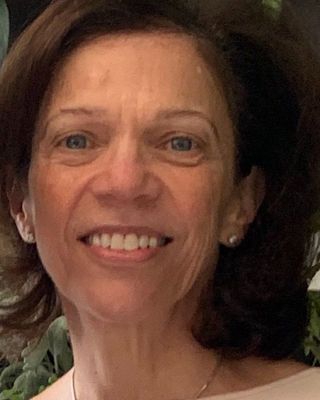
Hosted by Suzanne Femino
Psychiatric Nurse Practitioner, APRN
Verified Verified
Group meets in Glastonbury, CT 06033
It is important for each person to feel a connection with a provider. My hope is to individualize care, treat each person with respect, and enhance a sense of wellbeing. Although I work with different ages, I specialize in working with adolescents and young adults. I offer medication management and psychotherapy in Marblehead, MA and Glastonbury CT.
No fee. Professional APRN collaborative group for peer reviewed case studies, meeting every three months. There is no fee for this network meeting. Please self refer with credentials via email.
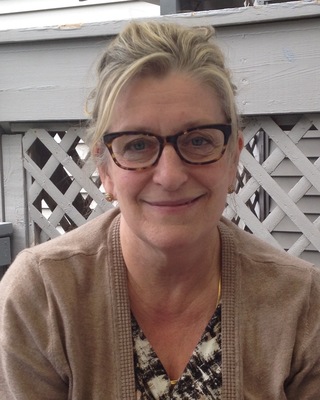
Hosted by Deborah Collins-Perrica
Psychiatric Nurse Practitioner, APRN, PMH-CNS
Verified Verified
Group meets in Glastonbury, CT 06033
Deborah Collins-Perrica APRN is a board certified Psychiatric Clinical Nurse Specialist with over 20 years of experience in the treatment of mental illness providing the following: comprehensive diagnostic evaluations; medication ordering and management; psychotherapy; nutritional medicine; weight loss support; psychotherapy; pregnancy and postpartum mental health; ordering and interpretation of bloodwork and tests; referrals for consultation to other specialists as needed.
Parenting Groups Groups will focus on effective parenting strategies for children, as well as providing parents with support. Learn how to raise responsible children with strong self-esteem, eliminate power struggles, teach your children to be healthy and make good decisions, and how to effectively use positive parenting techniques. Groups are offered twice weekly in the evenings.
Hosted by Sheryll Waring
Licensed Professional Counselor, LPC, LADC
Verified Verified
Group meets in Glastonbury, CT 06033
Hello! I am a Licensed Professional Counselor and a Certified Trauma Specialist. I received a master's degree in counseling with advanced training in Trauma Informed Treatment with Dr. Greenwald. I pride myself on being able to effectively target areas for treatment, devise scientifically-based treatment programs (specifically Applied Behavioral Analysis and Cognitive Behavioral Therapy), and implement the programs to facilitate change and transformation. I enjoy working on behavior modification and with children that have complex behaviors. In addition, I utilize my training in family dynamics and cooperative parenting to help families function and feel better quickly.
This group is specifically tailored to address social concerns and build emotional resilience in a supportive, dynamic, and fun format. Groups are structured around activities such as, role-playing, educational games, and hands-on programs. In this engaging format, your child will learn lessons in: how to deal with bullies, flexibility in social situations, impulse control, social problem solving, working cooperatively, social norms, and decreasing social anxiety and stress.
Hosted by Sheryll Waring
Licensed Professional Counselor, LPC, LADC
Verified Verified
Group meets in Glastonbury, CT 06033
Hello! I am a Licensed Professional Counselor and a Certified Trauma Specialist. I received a master's degree in counseling with advanced training in Trauma Informed Treatment with Dr. Greenwald. I pride myself on being able to effectively target areas for treatment, devise scientifically-based treatment programs (specifically Applied Behavioral Analysis and Cognitive Behavioral Therapy), and implement the programs to facilitate change and transformation. I enjoy working on behavior modification and with children that have complex behaviors. In addition, I utilize my training in family dynamics and cooperative parenting to help families function and feel better quickly.
Hopewell Health is offering an adolescent Intensive Outpatient Program. The IOP is for adolescents who are struggling with anxiety, depression, identity, self-harm, and significant levels of distress. There is a family component of the program that is required. The program is typically 6 weeks but could be longer. It is appropriate for adolescents and families that need a "reset" or adolescents being discharged from inpatient hospitalization. The program is facilitated by a Psychiatrist, Psychologist, and two Licensed Clinical Social Workers. We appreciate insurance for the IOP- please call 860-946-0447.

Hosted by Hopewell Health Solutions Psychology Group
Psychologist, PhD
Verified Verified
Group meets in Glastonbury, CT 06033
Hi! This is your first step to feeling and doing better- it is very difficult to find a place that that you can trust with your mental health. We have been in thriving for the last 14 years and the reason is that our clients are provided with an exceptional experience at HHS. We will match you with a therapist who specializes in what you are seeking and put you on the road to getting better. We also have other services in house such as medication management, psychiatric care, and outpatient group programs. We work together to address all the issues that can come up during your journey to health and wellness!
More Groups Nearby
Cultures from around the world speak of the transformative power of dreams. Through the dream group process participants will learn to use the tools of meditation, lucid dreaming, and Jungian dream techniques to explore dreaming and the world of the collective unconscious. The group experience is often like a dream, a reflection of one's inner landscape for the purpose of personal growth and transformation. Come and see for yourself. * Space is limited/Call or Email for details*

Hosted by Andrew W Burkamp
Marriage & Family Therapist, LMFT
Verified Verified
Group meets in South Glastonbury, CT 06073
Welcome. I am an experienced therapist who works with adults, children, & couples to reach their highest potential. My approach weaves together a respect for my clients strengths and life experiences with practical techniques for change.
This group is for parents Adults 18-35 who need support to learn how to advocate for themselves. Develop an adult approach to the next phase of life. Set and achieve SMART Goals. Hone social skills and connect with age appropriate peers.

Hosted by Dawson Holistic Healing
MS, CPC, LCM
Verified Verified
Group meets in East Hartford, CT 06108
We understand how difficult it can be trying to deal with issues and stress on your own. Our support services are created to provide a sense of relief. Our goal is to be a valuable resource to help navigate life, while you achieve goals and realize your dreams. Setting yourself on a path that will prove life changing and stainable. Our approach of working with you at a comfortable pace, makes change possible in each session. Those looking for guidance and help mapping out success plans in personal, spiritual, educational or professional areas. Will benefit from 1:1 sessions, while reading and journaling in between our time together

Hosted by Alexandra Sherwood
Professional Counselor Associate, LPCA, MA
Verified Verified
Group meets in Rocky Hill, CT 06067
Men/non-binary (ages 18 & over) *Tips for Stress management *The importance of self-care *Healthy relationships *Self-expression *When anger hurts *Communication *Juggling work/college/family

Hosted by JourNey Towards Healing U, LLC
Licensed Professional Counselor, M,Ed, LPC, LMHC
Verified Verified
Group meets in Wethersfield, CT 06109
Greetings, I'm glad you are here, that means you have figured out you deserve to have a better life for yourself and have taken that first step, Awesome! As we go through life's transitions, at times we may find ourselves at a crossroads feeling stuck, drained of energy and discouraged. Please come with me and take this journey towards healing you as we work together to help you find your inner strength & voice while challenging those negative thoughts and emotions that are holding you back. Allow me to teach you valuable skills to help you move forward. I I also conduct assessments for Bariatric surgery & Perinatal mood disorders.
Our Professionals Recovery Group addresses the unique issues faced by working professionals who are looking for support and stability in their recovery and lives. We will look at how to handle life stressors and the consequences of substance use on their careers and livelihood. Our specialized group provides a confidential, safe, and welcoming environment where professionals will feel at ease and supported.

Hosted by Kari Ann Greaves
Drug & Alcohol Counselor, LADC
Verified Verified
Group meets in Wethersfield, CT 06109
Do you find yourself drinking more and more due to stress at work or issues in your relationships? You think you have it under control but know deep down, it may be time to talk to someone and are feeling embarrassed. I understand that asking for help can be hard and believe that by reflecting on what's currently contributing to your drinking will help motivate you to make changes. You want to feel better and drink less and I can help support you in cutting back and getting back into doing things you once enjoyed.
Women/non-binary ages 18 & over, addressing topics such as *Women's issues *Seeking Safety model (Evidenced Based Practice) *The importance of self-care *Healthy relationships *Life Transitions *Communication *Healthy boundaries *Juggling work/college/family
Hosted by JourNey Towards Healing U, LLC
Licensed Professional Counselor, M,Ed, LPC, LMHC
Verified Verified
Group meets in Wethersfield, CT 06109
Greetings, I'm glad you are here, that means you have figured out you deserve to have a better life for yourself and have taken that first step, Awesome! As we go through life's transitions, at times we may find ourselves at a crossroads feeling stuck, drained of energy and discouraged. Please come with me and take this journey towards healing you as we work together to help you find your inner strength & voice while challenging those negative thoughts and emotions that are holding you back. Allow me to teach you valuable skills to help you move forward. I I also conduct assessments for Bariatric surgery & Perinatal mood disorders.
This group provides a safe, non-judgmental space for adults who have experienced a brain injury. Individuals are invited to come as they are and be present with others who understand. This group is CBT (Cognitive Behavioral Therapy) centered with the goal of learning how brain injuries affect overall functioning as well as skills to improve mood, behavior, and social interactions. This small (up to 4 participants), closed group is formatted with a combination of discussion and structured activities.

Hosted by Carolyn D. Frye, LCSW, LLC
Clinical Social Work/Therapist, LCSW
Verified Verified
Group meets in Manchester, CT 06040
I empower adults to overcome personal obstacles so their overall health and well-being improve. My experience includes working as a clinician, group facilitator, and administrator with children, adults, and families encountering significant and often debilitating behavioral health struggles. I work with a lot of individuals suffering from trauma, mood disorders, as well as developmental disabilities.
Hosted by Kari Ann Greaves
Drug & Alcohol Counselor, LADC
Verified Verified
Group meets in Wethersfield, CT 06109
See more therapy options for 06033


FAQs - About Group Therapy and Support Groups
How can I find a support group in 06033?
Search for nearby support groups by inputting your city, zip code, or the name of the group into the search bar. From there, you can filter to find a group that suits your needs, whether you are looking for support for a teenager, a group that focuses on a specific issue, such as depression, or a particular program type, such as one geared toward developing social skills. To navigate between locations within the same country, enter a new city or zip code into the search bar.
How does group therapy work?
Therapy groups are led by one or more therapists and serve to help people process their experiences and learn from others who understand their challenges firsthand. They can be based on a specific issue, such as addiction, grief, physical illnesses, parenting, and caregiving. They can involve a specific type of program or therapy, such as a social skills group or CBT group. They can also be specific to a particular population or community, such as teens or LGBTQ.
Support groups, like Alcoholics Anonymous, also focus on a specific issue, but are typically led by members with lived experiences and are less structured than therapy groups. Most therapy groups will meet for a fixed length of time with a consistent group of members, while many support groups meet for an indefinite period of time with members coming and going.
Support groups, like Alcoholics Anonymous, also focus on a specific issue, but are typically led by members with lived experiences and are less structured than therapy groups. Most therapy groups will meet for a fixed length of time with a consistent group of members, while many support groups meet for an indefinite period of time with members coming and going.
What are the benefits of group therapy?
Support groups help connect people with shared challenges or physical and mental health conditions. In a group setting, participants can receive support and feedback from peers and can acquire new skills, strategies and perspectives by listening to one another. Discussing your experience with someone who also has a cancer diagnosis, or whose son also struggles with addiction, for example, can help you feel less alone, reduce distress, find empathy and connection, and learn practical or medical information that has helped others. Group therapy can also be a more affordable option than individual therapy and just as effective.
Is group therapy as effective as individual therapy?
Support groups can be deeply valuable for both emotional support and/or treatment outcomes. It’s difficult to make a blanket statement on efficacy due to the many different types of support groups and conditions treated, but group therapy has been found to be just as effective as individual therapy in establishing long-term abstinence for conditions such as substance abuse, addiction and alcohol abuse.
How much does group therapy cost?
Group counseling is typically less expensive than individual counseling, with each session costing on average between $60 to $75. Meanwhile, individual therapy sessions can run anywhere from $100 to $200 and up, even after insurance. It is possible to find low-cost group therapy options and many therapists offer group sessions free of charge.
Does insurance cover group therapy?
As with individual therapy, many insurance companies do offer coverage for group therapy sessions. However, the coverage varies based on your insurance plan details and whether you choose an in-network or out-of-network mental healthcare provider. Individuals are encouraged to check with their insurance providers to verify coverage.
How long does group therapy last?
The length of a support group session is often one hour but can fall anywhere between 45 minutes and two hours. The amount of time that people remain in a support group varies based on their specific needs and goals and the type of therapy. Some individuals may seek a shorter-term group, such as a bereavement group, that may last between six and 20 weeks. Some may seek a longer-term group that lasts for a year or indefinitely.
What are the limitations of support groups?
Support groups have many benefits, but there are a few limitations as well. Support groups do not constitute formal therapeutic or medical treatment, and are not run by licensed mental health professionals, so some people may opt for group therapy or individual therapy instead. Additionally, support groups can depend on the other participants, so a disruptive individual has the potential to mar the group dynamic, and the anecdotal information shared may sometimes be unhelpful or inaccurate. Because it is a group setting, confidentiality can be more difficult to guard and participants receive less personalized attention than they would in an individual therapy session.