Support Groups in 04530
Individual Equine Assisted Psychotherapy sessions are available on a first come basis. Presently my practice is full, will announce openings should they occur. For more detailed information about equine assisted psychotherapy please visit www.workofheart.net.

Individual Equine Assisted Psychotherapy sessions are available on a first come basis. Presently my practice is full, will announce openings should they occur. For more detailed information about equine assisted psychotherapy please visit www.workofheart.net.
CBCT® (Cognitively-Based Compassion Training), a contemplative, evidence-based meditation program based on the lojong (mind training) tradition of Indo-Tibetan Buddhism that provides a structured approach to cultivating self-compassion, emotional regulation, empathy, & altruistic concern for others. Through guided practice & group discussion, participants learn skills to recognize shared humanity, reduce divisive attitudes, & build trust across social and generational lines. This course will help participants strengthen personal well-being while fostering mutual support & belonging. The shared practice of compassion meditation can serve as a unifying force—bridging differences, reducing isolation, & nurturing the interpersonal connections that sustain healthy, resilient communities.

CBCT® (Cognitively-Based Compassion Training), a contemplative, evidence-based meditation program based on the lojong (mind training) tradition of Indo-Tibetan Buddhism that provides a structured approach to cultivating self-compassion, emotional regulation, empathy, & altruistic concern for others. Through guided practice & group discussion, participants learn skills to recognize shared humanity, reduce divisive attitudes, & build trust across social and generational lines. This course will help participants strengthen personal well-being while fostering mutual support & belonging. The shared practice of compassion meditation can serve as a unifying force—bridging differences, reducing isolation, & nurturing the interpersonal connections that sustain healthy, resilient communities.
Weekly Telehealth, maximum 8 people. I have been trained (6 full days in person at Duke U Durham NC and at McLean Hospital, MA) by the Marsha Linehan Institute to facilitate DBT Skills Groups and I have of personally practicing these skills myself for 10 years after the training.

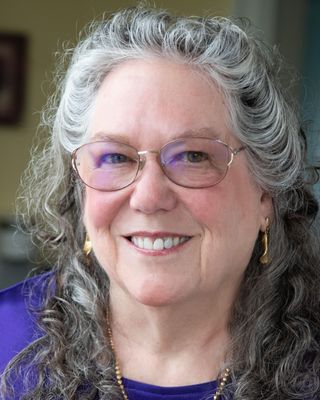
Hosted by Carol L Huntington
Clinical Social Work/Therapist, LCSW, DCSW, MSW, M Div, MSW
Group meets in Bath, ME 04530
Weekly Telehealth, maximum 8 people. I have been trained (6 full days in person at Duke U Durham NC and at McLean Hospital, MA) by the Marsha Linehan Institute to facilitate DBT Skills Groups and I have of personally practicing these skills myself for 10 years after the training.
More Groups Nearby
Have you experienced Narcissistic abuse? You are not crazy, a fool, or alone! If you are struggling you don't have to do it alone. Join this closed, 8-week, in-person group to start your recovery and heal. Lead by Tiffany Manson. To learn more visit, www.thecanvasoflife.com and click on therapy groups.

Hosted by Tiffany Manson
Clinical Professional Counselor, MS, LCPC, LADC, CCS, CGP
Group meets in Lewiston, ME 04240
Have you experienced Narcissistic abuse? You are not crazy, a fool, or alone! If you are struggling you don't have to do it alone. Join this closed, 8-week, in-person group to start your recovery and heal. Lead by Tiffany Manson. To learn more visit, www.thecanvasoflife.com and click on therapy groups.
Empathy for Dudes is a group designed to help men develop better relationship skills, and expand their understanding of their own and others' thoughts, feelings and behavior. Increased emotional intelligence will help you in business, romance, friendship, parenting, and being a good member of your community. The group aims to help men to become more empathic, but it's also about ensuring that men *receive* understanding. Not only because everyone deserves it, but because you need to experience what it feels like to receive empathy in order to fully understand what it's all about.

Empathy for Dudes is a group designed to help men develop better relationship skills, and expand their understanding of their own and others' thoughts, feelings and behavior. Increased emotional intelligence will help you in business, romance, friendship, parenting, and being a good member of your community. The group aims to help men to become more empathic, but it's also about ensuring that men *receive* understanding. Not only because everyone deserves it, but because you need to experience what it feels like to receive empathy in order to fully understand what it's all about.
This Group runs for 1 1/2hr per week. The group focus is practicing compassion & empathy, developing a social network, connecting within a community of kindness, learning about self-empathy by receiving from others and practice healthy communication skills This group does not present topics! Topics are brought by the participants. If you are interested feel free to reach out for more information.

Hosted by Phyllis Warchol
Drug & Alcohol Counselor, LADC , CCS, MHRT-C, Deep, OUI's
Group meets in Windham, ME 04062
This Group runs for 1 1/2hr per week. The group focus is practicing compassion & empathy, developing a social network, connecting within a community of kindness, learning about self-empathy by receiving from others and practice healthy communication skills This group does not present topics! Topics are brought by the participants. If you are interested feel free to reach out for more information.
The Women of Color Support Group at Psychology Specialists of Maine offers a safe and supportive space for those who identify as women of color living in Maine. The group is offered weekly online on Wednesdays 5:00PM to 6:30PM. We are currently accepting new group members. It is also an open group, which means that you are more than welcome to join the group after it had started.

The Women of Color Support Group at Psychology Specialists of Maine offers a safe and supportive space for those who identify as women of color living in Maine. The group is offered weekly online on Wednesdays 5:00PM to 6:30PM. We are currently accepting new group members. It is also an open group, which means that you are more than welcome to join the group after it had started.
For those struggling with recovering from divorce or going through divorce and all that it effects in your life and that of your family's.

Hosted by Advanced Counseling and Therapy Ctr
Counselor, MA, NCC, LCPC, LPC, BCPC
Group meets in Lewiston, ME 04240
For those struggling with recovering from divorce or going through divorce and all that it effects in your life and that of your family's.
The Path Within is a supportive 8-week therapy group for those seeking deeper connection with their inner world. Grounded in Internal Family Systems, the group invites participants to explore their inner “parts” with curiosity, compassion, and respect. IFS teaches that we all have multiple parts—some protective, some wounded, some longing to be heard—each with an important role. At the core is the Self: a calm, wise, and compassionate presence capable of healing. Together, we will listen inwardly, and understand how these parts have worked to keep us safe, cultivating calm, clarity, and self-compassion in daily life.

Hosted by Chad LeBlanc
Licensed Professional Counselor, LCPC-C, MHRT-C
Group meets in Portland, ME 04103
The Path Within is a supportive 8-week therapy group for those seeking deeper connection with their inner world. Grounded in Internal Family Systems, the group invites participants to explore their inner “parts” with curiosity, compassion, and respect. IFS teaches that we all have multiple parts—some protective, some wounded, some longing to be heard—each with an important role. At the core is the Self: a calm, wise, and compassionate presence capable of healing. Together, we will listen inwardly, and understand how these parts have worked to keep us safe, cultivating calm, clarity, and self-compassion in daily life.
Reclaiming Your Self is a 10-week therapy group for adults seeking personal growth, emotional clarity, and a deeper connection with themselves. We explore Growth Mindset, Internal Family Systems (IFS), Radical Acceptance, limiting beliefs, communication skills, and values-based living. This group is ideal for adults navigating life transitions, burnout, or patterns that feel hard to shift alone. A supportive, holistic space to grow with intention and compassion.

Hosted by Chad LeBlanc
Licensed Professional Counselor, LCPC-C, MHRT-C
Group meets in Portland, ME 04103
Reclaiming Your Self is a 10-week therapy group for adults seeking personal growth, emotional clarity, and a deeper connection with themselves. We explore Growth Mindset, Internal Family Systems (IFS), Radical Acceptance, limiting beliefs, communication skills, and values-based living. This group is ideal for adults navigating life transitions, burnout, or patterns that feel hard to shift alone. A supportive, holistic space to grow with intention and compassion.
In a supportive setting, we will have a chance to share our stories and learn to be intimate as men. Together we will create a sacred space to learn to honor self and others. This small on-going group offers an opportunity to develop effective ways to connect to and express emotions, increase intimacy with other men and therefore others, receive support in making changes, and increase empathy for others.

Hosted by Stephen Robert Andrew
Clinical Social Work/Therapist, LCSW, LADC, CCS
Group meets in Portland, ME 04101
In a supportive setting, we will have a chance to share our stories and learn to be intimate as men. Together we will create a sacred space to learn to honor self and others. This small on-going group offers an opportunity to develop effective ways to connect to and express emotions, increase intimacy with other men and therefore others, receive support in making changes, and increase empathy for others.
This Adult ADHD Group provides the framework for understanding ADHD & Executive Functions, learning and implementing strategies to improve regulation, organization, task initiation, self-awareness and more! Facilitators help participants identify goals, practice creating action plans and track progress in a supportive, nonjudgmental environment with other Adults with ADHD. Group will run for 8 weeks starting Tuesday, May 19th at 5 pm. For More Info/To Register: Go to www.ClearCatalystCoaching.com.

This Adult ADHD Group provides the framework for understanding ADHD & Executive Functions, learning and implementing strategies to improve regulation, organization, task initiation, self-awareness and more! Facilitators help participants identify goals, practice creating action plans and track progress in a supportive, nonjudgmental environment with other Adults with ADHD. Group will run for 8 weeks starting Tuesday, May 19th at 5 pm. For More Info/To Register: Go to www.ClearCatalystCoaching.com.
A monthly group focusing on health and wellness to addressing the Cognitive, Emotional, Social & Physical domains of our lives. Using drumming/rhythm as a practice and metaphor, this group explores wellness through group recreational music making. This group meets monthly (except for June, July & August) on the second Thursday of each month from 630-8pm. No musical knowledge or experience required. Drums will be provided.

A monthly group focusing on health and wellness to addressing the Cognitive, Emotional, Social & Physical domains of our lives. Using drumming/rhythm as a practice and metaphor, this group explores wellness through group recreational music making. This group meets monthly (except for June, July & August) on the second Thursday of each month from 630-8pm. No musical knowledge or experience required. Drums will be provided.
This is a Telehealth group to offer support to parents who are struggling with daily life, or who are wanting to learn new skills or improve on existing skills. We will discuss co-parenting, screen addictions, self-care, substance use, peer-pressure, eating healthy and many other topics.

Hosted by Healing Tide Therapy
Clinical Social Work/Therapist, LCSW, LADC, CCS
Group meets in South Portland, ME 04106
This is a Telehealth group to offer support to parents who are struggling with daily life, or who are wanting to learn new skills or improve on existing skills. We will discuss co-parenting, screen addictions, self-care, substance use, peer-pressure, eating healthy and many other topics.
Weekly in-person group therapy in North Yarmouth for men seeking emotional connection, support, guidance, and accountability. If you are a man who often feels disconnected, depressed, anxious, lonely, numb, bored, or unhappy with life, come join the group and improve your mental health. Screening required before joining. 12 week initial commitment.

Hosted by Warrior of the Heart Psychotherapy
Counselor, MA, LCPC
Group meets in North Yarmouth, ME 04097
Weekly in-person group therapy in North Yarmouth for men seeking emotional connection, support, guidance, and accountability. If you are a man who often feels disconnected, depressed, anxious, lonely, numb, bored, or unhappy with life, come join the group and improve your mental health. Screening required before joining. 12 week initial commitment.
This is a group designed for anyone who wants to make healthier choices in their lives. This could be eating, exercise, relationships, and many other topics where we make choices that aren't always the best. This group is not about perfection, it's not about judgment. This group is about identifying ways to add healthier options into everyday life, starting small, building momentum, and creating success. This is not about a deficit mindset, or "I can't have" thoughts, but it's about honoring what our body and mind need, and adding that in to daily life.

Hosted by Healing Tide Therapy
Clinical Social Work/Therapist, LCSW, LADC, CCS
Group meets in South Portland, ME 04106
This is a group designed for anyone who wants to make healthier choices in their lives. This could be eating, exercise, relationships, and many other topics where we make choices that aren't always the best. This group is not about perfection, it's not about judgment. This group is about identifying ways to add healthier options into everyday life, starting small, building momentum, and creating success. This is not about a deficit mindset, or "I can't have" thoughts, but it's about honoring what our body and mind need, and adding that in to daily life.
This is a group where people struggling with substance use disorders can come and get support from an experienced clinician, as well as each other. We will discuss topics including: coping skills; self-care; stress management; distress tolerance; triggers; education around substance use disorders, and many others.

Hosted by Healing Tide Therapy
Clinical Social Work/Therapist, LCSW, LADC, CCS
Group meets in South Portland, ME 04106
This is a group where people struggling with substance use disorders can come and get support from an experienced clinician, as well as each other. We will discuss topics including: coping skills; self-care; stress management; distress tolerance; triggers; education around substance use disorders, and many others.
EMERGE is a counseling group for people who have lost their sense of self in their relationships with others. Not being authentic with others can lead to depression over not being who you wanted to be in the past or anxiety about who you will be in the future. By gaining a better understanding of who you really are you can become more confident in the decisions you make each day and the way you communicate who you are and what you think to others. Join a small group of serious people like yourself who want to EMERGE as yourself.

EMERGE is a counseling group for people who have lost their sense of self in their relationships with others. Not being authentic with others can lead to depression over not being who you wanted to be in the past or anxiety about who you will be in the future. By gaining a better understanding of who you really are you can become more confident in the decisions you make each day and the way you communicate who you are and what you think to others. Join a small group of serious people like yourself who want to EMERGE as yourself.
Supervision for newly licensed mental health providers.

Supervision for newly licensed mental health providers.
Substance Use and Abuse often co-exist with Anger and Violence. SAMHSA data indicates 40% of cocaine users engage in some form of violent behavior. Anger and violence often can have a casual role in the initial of drug and alcohol use. Many clients are victims of traumatic life events, which in turn, lead to substance use, anger and violence. Despite the connection of anger and violence to substance abuse, few treatments have been developed to address anger and violence problems among people who abuse substances. This is a weekly workbook guided program available starting September.

Hosted by Lise M. Carrier-Pelletier
Drug & Alcohol Counselor, LADC, CCS, NCACII, SAP, DEEP
Group meets in Lewiston, ME 04240
Substance Use and Abuse often co-exist with Anger and Violence. SAMHSA data indicates 40% of cocaine users engage in some form of violent behavior. Anger and violence often can have a casual role in the initial of drug and alcohol use. Many clients are victims of traumatic life events, which in turn, lead to substance use, anger and violence. Despite the connection of anger and violence to substance abuse, few treatments have been developed to address anger and violence problems among people who abuse substances. This is a weekly workbook guided program available starting September.
See more therapy options for 04530
FAQs - About Group Therapy and Support Groups
How can I find a support group in 04530?
To find a support group in your area, start by entering your city, zip code, or the name of the group into the search bar at the top of the page. When searching, consider whether you prefer an in-person or virtual group. This can help you decide how broad your geographic search should be. If you are open to virtual groups, you might want to search by state instead of just your city, especially if there are limited options nearby.
Once you complete your search, you can use the filters to narrow the results by selecting specialties (such as grief, trauma, or eating disorders), therapeutic approaches, age groups, and other criteria to find a group that best fits your needs.
How does group therapy work?
Group therapy is led by one or more trained therapists and provides a space where participants can process their experiences and learn from others facing similar challenges. Groups may focus on a specific issue—such as addiction, grief, physical illnesses, parenting, or caregiving—or they may center around a particular therapeutic approach, such as Cognitive Behavioral Therapy (CBT), social skill development, or Exposure Therapy. Some groups are also designed for specific populations, such as teens, veterans, or LGBTQ+ individuals.
It’s also important to distinguish group therapy from peer-led support groups, like Alcoholics Anonymous. While both can offer valuable support, therapy groups are typically led by licensed professionals and follow a more structured format. Therapy groups often meet for a fixed length of time with a consistent group of members, while many peer support groups meet for an indefinite period of time with members coming and going.
What are the benefits of group therapy?
Group therapy offers several important benefits. It brings together people facing similar challenges—whether related to mental health, physical health, or life transitions—and creates a supportive environment where participants can exchange feedback, share experiences, and learn from one another. Hearing different perspectives can help individuals discover new coping strategies and practical tools they may not have encountered on their own. Sharing personal experiences, such as coping with a serious illness or navigating family struggles, can also reduce feelings of isolation and foster a sense of connection and understanding. In addition to emotional support, group members often gain useful, real-world advice from peers who have faced similar situations.
Group therapy is typically more affordable than individual therapy and, for certain conditions, can be equally effective. Many groups also include structured activities—such as guided journaling, cognitive-behavioral exercises, or role-playing—to help participants develop concrete skills they can apply in daily life.
Is group therapy as effective as individual therapy?
It is difficult to make a blanket statement about the effectiveness of support groups, as they vary widely in focus and the conditions they address. However, support groups can be highly valuable in helping individuals gain emotional support and achieve meaningful treatment outcomes. For certain conditions, such as substance use, research has shown that group therapy can be particularly effective—sometimes just as effective as individual therapy—in supporting long-term recovery.
Many professionals attribute the effectiveness of group therapy to the unique benefits of the group setting, which fosters peer-to-peer learning and a sense of connection through shared experiences. Group settings also offer accountability and encouragement from both facilitators and fellow participants, which helps sustain motivation and supports continued progress. These factors together play a key role in promoting the overall effectiveness of group therapy.
How much does group therapy cost?
Group therapy is typically less expensive than individual therapy, with sessions typically costing between $50 and $75 each. In comparison, individual therapy can cost anywhere from $100 to $200 or more per session, even with insurance. Some therapists or organizations offer low-cost or free group therapy options, particularly through community centers or nonprofit organizations. In some cases, groups may require payment upfront for a set number of sessions, such as paying for six weekly sessions at the first meeting. However, many providers offer payment plans to help make participation more accessible if this upfront payment is required.
Does insurance cover group therapy?
As with individual therapy, insurance coverage for group therapy varies based on factors such as your specific insurance plan, the purpose of the group, your diagnosis, and whether the group provider is in-network. Many insurance plans cover group therapy sessions that address diagnosable mental health conditions, such as substance use disorders, anxiety, or depression.
However, groups that focus on topics not directly tied to a mental health diagnosis—such as parenting support or divorce recovery—are less likely to be covered. Because coverage can vary widely, it’s important to check with your insurance provider before joining a group to confirm whether the sessions will be covered and what out-of-pocket costs you may be responsible for.
How long does group therapy last?
The length of each group therapy session typically ranges from 45 minutes to two hours, depending on the therapy approach, the group’s goals, and how often the group meets. In some cases, group therapy is part of a larger treatment program, such as an Intensive Outpatient Program (IOP), where group sessions complement individual therapy and are scheduled as part of the program’s overall structure.
The duration of participation in a group also varies. Some groups are designed to be short-term, lasting anywhere from 6 to 24 weeks—for example, bereavement groups or skills-based groups like those using Dialectical Behavioral Therapy (DBT). Other groups may be longer-term, lasting a year or more, and some ongoing support groups meet indefinitely, allowing participants to stay as long as they find the group helpful.
What are the limitations of support groups?
Support groups offer many benefits, but they also have certain limitations. Unlike therapy groups, many support groups do not provide formal therapeutic treatment and are not led by licensed mental health professionals. For individuals seeking clinical treatment for specific mental health diagnoses—such as depression, eating disorders, or substance use—individual therapy or group therapy led by a licensed professional may offer more personalized and specialized care.
The effectiveness of a support group also depends heavily on the group’s participants and the overall group dynamic. When members engage respectfully and offer constructive support, the group can foster valuable peer-to-peer learning. However, if certain participants dominate discussions, provide inaccurate advice, or create conflict, it can disrupt the group’s sense of safety and reduce its effectiveness. Confidentiality can also be harder to maintain in support groups, particularly in open groups where participants can join or leave at any time. With new members regularly entering the group, it can be more difficult to build and sustain a consistent sense of trust and privacy.