Domestic Violence, Assault, Resisting Arrest, Aggravated Menacing, etc. Court ordered or self referred. Certificate of Completion issued when you finish. 6-8 Sessions group &/or individual sessions. Or asked about One weekend session(8 hrs)Anger Mgmt.Course $250.00 or insurance.

Hosted by Girls/Guys Off Drugs (GOD) Program
Drug & Alcohol Counselor, DMin, DD, MA-Psy, ThB, BS
Verified Verified
Group meets in Dayton, OH 45417
CURRENTLY ACCEPTING NEW CLIENTS. Cast all your care upon Him, for He careth for you. I Pet.5:7. Looking for a new life. Tire of alcohol & other drugs controlling your life. Depression, worry, fear & anger. We can help!!
Individual, couples, group and family therapy.
Many people caring for family members or friends with dementia, Alzheimer's, developmental disabilities, aphasia, physical decline, etc. rarely have anyone supporting them. Group therapy for caregivers can provide relief, support, practical advice, and time devoted exclusively for them and their needs. Please contact me if interested in forming/joining such a group.
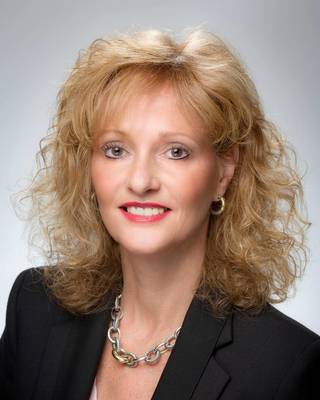
Hosted by Elizabeth Anne Hardy
Psychologist, PhD, MA
Verified Verified
Group meets in Oakwood, OH 45419
People strive to create meaningful relationships. Many enter psychotherapy because that need isn't being met, wasn't met, or because they fear it won't be met. People feel/behave for reasons often outside awareness. Attempts to master psychological pain determine why people behave consistently, predictably, and sometimes self-destructively. The therapeutic relationship is determined by my ability to provide a safe forum for examining thoughts, feelings, and behaviors by maintaining a nonjudgmental, empathic rapport. Successful treatment integrates cognitive and emotional components of people developing increasing self-awareness. It includes supportive and interpretive interventions, while also leveraging strengths.
This group is for those entering the counseling profession who want to connect with other new professionals, continue to fine tune their counseling skills, and clarify their theoretical orientation. Group meetings involve psychoeducation, triad practices, counseling skill drills, processing workplace issues, and case exploration. Professionals in the first 5 years of practice are encouraged to apply.
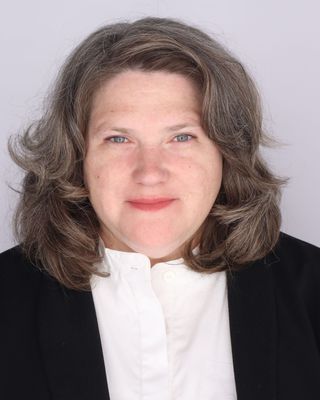
Hosted by Meredith Lt Montgomery
Counselor, EdD, LPCC-S
Verified Verified
Group meets in Moraine, OH 45439
I work predominantly, but not exclusively, with male clients. I have been described as pragmatic (definition: "dealing with things sensibly and realistically in a way that is based on practical rather than theoretical considerations" & "the study of how context contributes to meaning.") My approach in counseling is well captured in these descriptions. We will approach things sensibly and realistically, seeking understanding, clarity, & truth. We will explore language and context to gain insight, guide decision making, and heal old wounds. We will work as partners to identify growth areas, resolve issues, set goals, & affect change.
Addiction Awareness-For those who have lost their license, or tested positive on the job. Our Addiction Awareness program is a two-week program. Eight consecutive (2) hour sessions. Cash only. Outpatient Services -We provide outpatient support groups with an emphasis on recovery and life skills to assist in maintaining abstinence. OP- A minimum of (24) sessions, followed by 12- 6 weeks of Aftercare attending group two times per week (as needed basis).

Hosted by Mildred Elaine Arnold-Graham
Drug & Alcohol Counselor, LICDC, LMSW, CS
Verified Verified
Group meets in Dayton, OH 45424
Life has many challenges, at times we all need a listening ear of support. If your tired of being sick and tired let's work together to gain a balance in your relationships, work and personal growth. Living in Balance offers supportive and compassionate counseling for individual and family interventions, to help empower you in meeting life's struggles. LIB respects your choices and your beliefs, acknowledging that difficult situation can be workable by achieving a common understanding. We are very sensitive to the needs of individuals from diverse backgrounds.
Ongoing men's process talk group for looking at problems in relationships. Group addresses anger and intimacy issues inherent in male interactions within work and family. The group is open ended with members entering and leaving as they desire. Census is kept at eleven maximum. The group now meets the second and fourth Tuesday of each month.
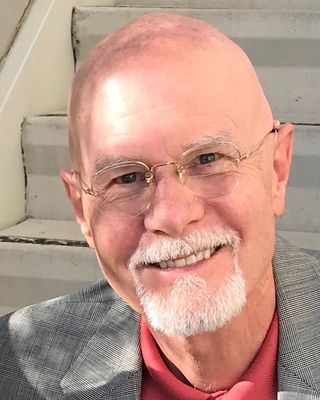
Hosted by Raymond Messer
Clinical Social Work/Therapist, MSW, LISW-S
Verified Verified
Group meets in Kettering, OH 45409
I am a direct, no-nonsense professional who has devoted his 40+ year career to helping people improve their lives. I work with adults (individual/couples) who are motivated to change. I work with children and teens within the structure of their family to resolve communication and behavioral difficulties. I have extensive experience working with adoptive and step families. If you are frustrated trying to connect with someone you love, yet continually experience getting stuck, outside intervention can help. What is seen as an emotional impasse to a client, is an opportunity for growth within an effective therapy.
This group is full, no openings for new clients to join. 18+ Dialectical Behavioral Therapy skills training group. Fridays 10 am to 12:00 pm. Check back in Autumn 2023 for new group openings.

Hosted by Katelyn Studebaker
Licensed Professional Clinical Counselor, MS, LPCC
Verified Verified
Group meets in Dayton, OH 45459
Accepting clients ages 6 and older. Do you or your child experience a lot of "big feelings?" Maybe you live with anxiety, depression, trauma, ADHD, Autism, or maybe you're going through a big life transition. If that sounds like you, I could be a good fit. I've been in the mental health field for 10 years, working with kids (ages 6+), teens, adults, and families from many backgrounds. I am a warm and welcoming, laid back therapist who believes that therapy can be a fun and uplifting process. I will assign homework, ask you to try new things, and I'll strive to be creative and flexible in our work together.
This group meets each week for 90 minutes to work on establishing sustainable recovery, improved relationships, healthy sexuality and supportive connections. The group is experiential and client-centered. If you are interested in attending this group, please set up a free consultation to see if this group meets your needs.
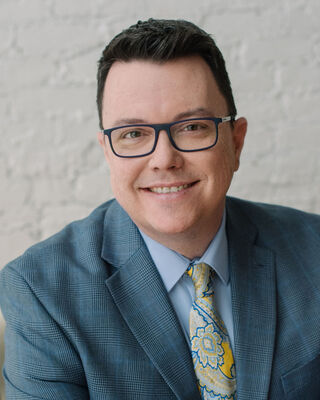
Hosted by Charles A Roberts
Counselor, LPCC-S, CSAT, RAE, BSP
Verified Verified
Group meets in Dayton, OH 45459
Groups Enrolling Now: Healing Trauma Therapy Group and Sex Addiction Therapy Group. Anxiety, shame, depression, and relationship stress are some of the most common impacts of trauma. Whether you have experienced trauma from childhood abuse or neglect, interpersonal violence, combat, infidelity or from your calling as a first responder or mental health professional, you deserve liberation. If you are stuck, overwhelmed or hopeless, I would be honored to sit with you, hear your story and help you find or restore joy and peace in your life.
Services provided are tele-mental health counseling, group seminars and workshops, motivational speaking

Hosted by Daniel Held
Clinical Social Work/Therapist, MDiv, MSW, LISW
Verified Verified
Group meets in Dayton, OH 45424
My clients are individuals experiencing troubling thoughts and emotions or unwanted habits and behaviors who are willing to engage in a tele-counseling relationship to resolve personal and relationship issues. If you feel stuck in your own efforts to solve an uncomfortable dilemma, I am here for confidential support and creative problem-solving for couples and individuals.
We have several counselors who are accepting new clients for appointments within 10 days at our Lebanon and Kettering Locations.
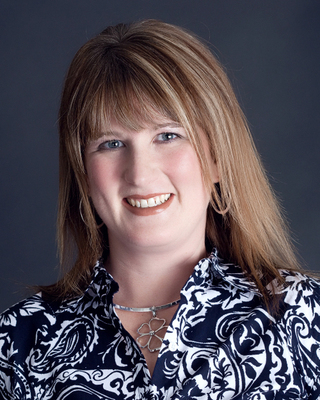
Hosted by Holly St. Pierre
Counselor, MSEd, LPCC, SUPV
Verified Verified
Group meets in Dayton, OH 45429
Lebanon Availability on Tuesdays & Thursdays 9-5pm Our counselors utilize different therapy styles (talk & neuro-based therapies) with clients from the age of 4 to adult to empower them to work through their struggles in partnership with respect, encouragement, and integrity. They will equip and support you with skills to be utilized in your daily lives to reach your full potential all at your pace.
Domestic Violence, Assault, Resisting Arrest, Aggravated Menacing, Court ordered or self referred. Certificate of Completion issued when finished. 6-8 Sessions group &/or individual sessions.
Hosted by New Beginnings Therapeutic Services, LLC
MS, LSW, LICDC, CCTP, CYMHS
Verified Verified
Group meets in Dayton, OH 45417
Services are designed to be brief and solution-focused in nature. The goal is to assist clients in identifying and mobilizing their own coping skills and natural supports as well as learning new skills and ways of dealing with their environment. The goal of treatment is not solution of problems, but rather the enhancement and development of skills to enable the client to engage in effective problem solving once out of the office.
This flexible group is open to adults and older teens of any gender suffering from a disordered relationship with food and body. Issues may include Binge-Eating Disorder, Anorexia, Bulimia, chronic dieting, compulsive overeating, or other related symptoms. For individuals who need more support than individual counseling alone can provide, the additional tools and structure of a group can help make recovery a reality. These therapeutic meetings are an opportunity to connect with people who have similar challenges, experiences, and goals. Clients are typically encouraged to establish a dietitian and coordinate care with a primary care physician.
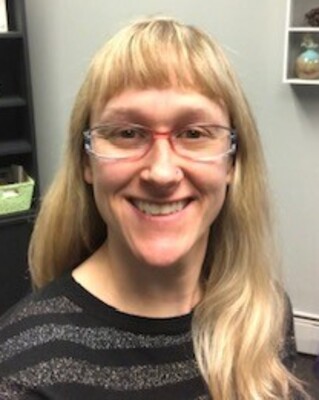
Hosted by Jennifer Scott
Counselor, LPCC-S, LICDC-S
Verified Verified
Group meets in Dayton, OH 45420
Limiting NEW individual therapy clients to those with EATING disorder related issues. Whether this is your first time in counseling or something you’ve tried many times in your life, I’m excited to take this journey with you. Coming to accept that your food or body image issues may be too much to handle on your own can be challenging. Having the right support can make recovery possible. Taking a new approach to face your challenges requires courage. I believe that allowing yourself to connect with others, such as in a group, can also be an invaluable part of the healing process.
Ohio LSWs continue to learn and grow in your clinical skills, ethical knowledge, discuss clinical cases, prepare for your licensure exam, and your career beyond. You can go from LSW to LISW in 24 months with consistent and through supervision. We provide up to 8 hours per month. Earning your “I” can help propel your career, increase your earnings potential and clinical skills, and give you the freedom over how you practice. Supervision conducted via Zoom (unless you desire in-person). Rates- $80/ 2hrs (Group); $100/2hrs (Individual).
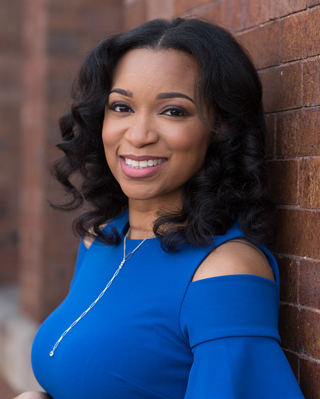
Hosted by Rise Counseling Group
Clinical Social Work/Therapist, MSW, LISW-S, LCSW
Verified Verified
Group meets in Dayton, OH 45459
"My mission in life is not to merely survive, but to thrive and do so with some passion, compassion, some humor, and some style." -Maya Angelou As black women we are usually the last on our list- the order is usually kids, partners, parents, family, jobs, friends... then you. All of this and we're barely making it. Why continue to struggle and merely survive, when you can thrive. Depression doesn't always look like tears and pity parties. It can look like overwhelm, anger, unstable emotions, isolation, and anxiety too! Sound like anyone you know? Is it you girl?
The Seven Principles Workshop is a couples workshop based on the internationally acclaimed research of Dr. John Gottman as presented in his New York Times bestselling book-The Seven Principles for Making Marriage Work. The workshop includes lectures, demonstrations, videos, and private couples exercises. This class is designed to strengthen your marriage or relationship. If you already have a strong relationship, this class will provide you with insights and tools to make it even better. If your relationship is distressed, this class will provide a road map for repair. Contact for details! www.heatonmft.com/seven-principles

Hosted by John E. Heaton
Marriage & Family Therapist, MA, IMFT
Verified Verified
Group meets in Beavercreek, OH 45432
Note: I am only doing couples/marriage/premarital counseling at this time. As a Marriage and Family Therapist, my perspective of the human condition and experience is derived from thinking about the context of relationships. Very few, if any, "problems" are a solitary experience; it is often experienced with others in our lives. We are relational beings, and who we are has been influenced by the relationships we have with others. Relationships can hurt, but relationships can also heal. Begin the process of healing and restoring you (and your relationships) today.
Support group faith-based, life coaching, mentoring, healthy lifestyle changes. Where the mind, body, soul are one!
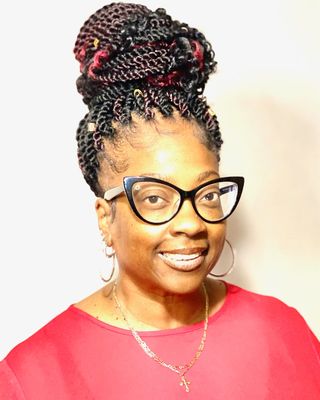
Hosted by TEARS for Tay Recovery LLC.
Drug & Alcohol Counselor, Chaplin, MS/QMHS, LICDC, DOT/SAP, Psy D
Verified Verified
Group meets in Trotwood, OH 45416
As a therapist my first goal is setting the stage by introducing myself as a therapist, who is here to supply support and resources for clients seeking therapy and life coaching changes. My voice tone and smile, along with twenty-seven plus years of experience, is everything and an immensely powerful tool when engaging with my clients. I must assure the client is aware, I am present, implementing my counseling skills of validating and confirming clients' purpose for counseling, with a non-judgmental clinical counseling approach. Please empower yourself to the desired steps toward positive, healthy, mind, body, and soul counseling.
Join a Wellness Cohort for adults interested in living a mentally healthy lifestyle! You may have found this program because you are experiencing a major life transition. Perhaps you are recently divorced, a new empty nester, or coming out of the pandemic realizing that your life isn’t where you want it to be. Wellness Cohorts are groups of 6-8 adults who work together to develop a richer relationship with themselves and a path to the life they want to live.
Hosted by Meredith Lt Montgomery
Counselor, EdD, LPCC-S
Verified Verified
Group meets in Moraine, OH 45439
I work predominantly, but not exclusively, with male clients. I have been described as pragmatic (definition: "dealing with things sensibly and realistically in a way that is based on practical rather than theoretical considerations" & "the study of how context contributes to meaning.") My approach in counseling is well captured in these descriptions. We will approach things sensibly and realistically, seeking understanding, clarity, & truth. We will explore language and context to gain insight, guide decision making, and heal old wounds. We will work as partners to identify growth areas, resolve issues, set goals, & affect change.
Discover and understand your God-given identity and purpose. Group members will purchase and read Matt's books: To Identity and Beyond and Confident Identity. Bring your personal agenda and questions about who you are. Members are encouraged to give support and feedback to others. RSVP because a minimum number of committed members is needed to start a group.

Are you ready to experience hopeful-assurance from a confident identity? No matter how discouraged you are or how much you feel beaten down by life, you can overcome. You don’t have to live with insecurity, anxiety, or a constant sense of panic. You can discover who you are and become empowered to pursue your purpose. I provide insight-oriented talk therapy to help you grow in awareness, understanding, and acceptance of who God made you to be. I’ll help you confront emotional wounds and false beliefs that rob you of the joy of living. You can experience peace in the present and hope for the future even when life has been harsh.
Music therapy group for women and gender queer individuals (aged 18+) looking to improve wellness, esteem, and empowerment resources. Music therapy is for all; no musical training needed. This group will involve creating, discussing, and listening to music to build resources, form connections, and deepen personal insight.
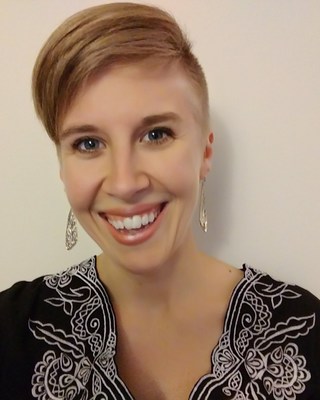
Hosted by Joy Willenbrink-Conte Music Therapy Vocal Psychotherapy
MA, MT-BC, AVPT
Verified Verified
Group meets in Dayton, OH 45459
Music therapy can be a space to foster creativity, empower, and build connections, therefore boosting your resilience in response to pain, conflict, loss, and trauma. Vocal Psychotherapy is a model of practice that relies on the voice and breath work to support trauma resilience and recovery. I practice in a person-centered and resource-oriented way, meaning I believe you have capacities for growth, recovery, and change that, when accessed, claimed, and activated, support your health and wellbeing. I believe in a culture- and gender-responsive approach to therapy, embracing the wholeness of personhood and perspective you embody.
This 90-minute Therapy Group is for all genders and anyone who is struggling with the impact of trauma, especially trauma from childhood or relationships, abuse or neglect. The group will be experiential, relational, and process-oriented. Group time will consist of building safety and stabilization through connecting to resources, processing of trauma and integration work.
Hosted by Charles A Roberts
Counselor, LPCC-S, CSAT, RAE, BSP
Verified Verified
Group meets in Dayton, OH 45402
Groups Enrolling Now: Healing Trauma Therapy Group and Sex Addiction Therapy Group. Anxiety, shame, depression, and relationship stress are some of the most common impacts of trauma. Whether you have experienced trauma from childhood abuse or neglect, interpersonal violence, combat, infidelity or from your calling as a first responder or mental health professional, you deserve liberation. If you are stuck, overwhelmed or hopeless, I would be honored to sit with you, hear your story and help you find or restore joy and peace in your life.
Bringing Baby Home (BBH) is a research-based, research-tested workshop for expectant couples and parents of infants. It was developed by the Gottman Institute, well known for decades of leading-edge scientific research on couples, child development and the transition to parenthood. The BBH program is a couples workshop designed to help new and expectant parents develop skills and techniques that will help ease the transition of bringing baby home. Designed by Drs John and Julie Gottman, this workshop is proven to help you adjust to parenthood with greater satisfaction. Contact for details! www.heatonmft.com/bringing-baby-home
Hosted by John E. Heaton
Marriage & Family Therapist, MA, IMFT
Verified Verified
Group meets in Beavercreek, OH 45432
Note: I am only doing couples/marriage/premarital counseling at this time. As a Marriage and Family Therapist, my perspective of the human condition and experience is derived from thinking about the context of relationships. Very few, if any, "problems" are a solitary experience; it is often experienced with others in our lives. We are relational beings, and who we are has been influenced by the relationships we have with others. Relationships can hurt, but relationships can also heal. Begin the process of healing and restoring you (and your relationships) today.
This group is facilitated by my colleague, a Licensed Social Worker at our Kettering office accepting clients with Medicaid, Aetna, UBH (which includes Optum, Premier, United Health Care), or sliding scale payment. It is an opportunity to learn and practice social skills as well as expand knowledge of mental illness and coping strategies. Open to individuals interested in support for issues related to anxiety, depression, self-esteem, grief, loneliness, coping with health conditions, or other life stressors. This group is in-person only.
Hosted by Jennifer Scott
Counselor, LPCC-S, LICDC-S
Verified Verified
Group meets in Kettering, OH 45420
Limiting NEW individual therapy clients to those with EATING disorder related issues. Whether this is your first time in counseling or something you’ve tried many times in your life, I’m excited to take this journey with you. Coming to accept that your food or body image issues may be too much to handle on your own can be challenging. Having the right support can make recovery possible. Taking a new approach to face your challenges requires courage. I believe that allowing yourself to connect with others, such as in a group, can also be an invaluable part of the healing process.
See more therapy options for Montgomery County


FAQs - About Group Therapy and Support Groups
How can I find a support group in Montgomery County?
Search for nearby support groups by inputting your city, zip code, or the name of the group into the search bar. From there, you can filter to find a group that suits your needs, whether you are looking for support for a teenager, a group that focuses on a specific issue, such as depression, or a particular program type, such as one geared toward developing social skills. To navigate between locations within the same country, enter a new city or zip code into the search bar.
How does group therapy work?
Therapy groups are led by one or more therapists and serve to help people process their experiences and learn from others who understand their challenges firsthand. They can be based on a specific issue, such as addiction, grief, physical illnesses, parenting, and caregiving. They can involve a specific type of program or therapy, such as a social skills group or CBT group. They can also be specific to a particular population or community, such as teens or LGBTQ.
Support groups, like Alcoholics Anonymous, also focus on a specific issue, but are typically led by members with lived experiences and are less structured than therapy groups. Most therapy groups will meet for a fixed length of time with a consistent group of members, while many support groups meet for an indefinite period of time with members coming and going.
Support groups, like Alcoholics Anonymous, also focus on a specific issue, but are typically led by members with lived experiences and are less structured than therapy groups. Most therapy groups will meet for a fixed length of time with a consistent group of members, while many support groups meet for an indefinite period of time with members coming and going.
What are the benefits of group therapy?
Support groups help connect people with shared challenges or physical and mental health conditions. In a group setting, participants can receive support and feedback from peers and can acquire new skills, strategies and perspectives by listening to one another. Discussing your experience with someone who also has a cancer diagnosis, or whose son also struggles with addiction, for example, can help you feel less alone, reduce distress, find empathy and connection, and learn practical or medical information that has helped others. Group therapy can also be a more affordable option than individual therapy and just as effective.
Is group therapy as effective as individual therapy?
Support groups can be deeply valuable for both emotional support and/or treatment outcomes. It’s difficult to make a blanket statement on efficacy due to the many different types of support groups and conditions treated, but group therapy has been found to be just as effective as individual therapy in establishing long-term abstinence for conditions such as substance abuse, addiction and alcohol abuse.
How much does group therapy cost?
Group counseling is typically less expensive than individual counseling, with each session costing on average between $60 to $75. Meanwhile, individual therapy sessions can run anywhere from $100 to $200 and up, even after insurance. It is possible to find low-cost group therapy options and many therapists offer group sessions free of charge.
Does insurance cover group therapy?
As with individual therapy, many insurance companies do offer coverage for group therapy sessions. However, the coverage varies based on your insurance plan details and whether you choose an in-network or out-of-network mental healthcare provider. Individuals are encouraged to check with their insurance providers to verify coverage.
How long does group therapy last?
The length of a support group session is often one hour but can fall anywhere between 45 minutes and two hours. The amount of time that people remain in a support group varies based on their specific needs and goals and the type of therapy. Some individuals may seek a shorter-term group, such as a bereavement group, that may last between six and 20 weeks. Some may seek a longer-term group that lasts for a year or indefinitely.
What are the limitations of support groups?
Support groups have many benefits, but there are a few limitations as well. Support groups do not constitute formal therapeutic or medical treatment, and are not run by licensed mental health professionals, so some people may opt for group therapy or individual therapy instead. Additionally, support groups can depend on the other participants, so a disruptive individual has the potential to mar the group dynamic, and the anecdotal information shared may sometimes be unhelpful or inaccurate. Because it is a group setting, confidentiality can be more difficult to guard and participants receive less personalized attention than they would in an individual therapy session.