Support Groups in Akron, OH
This free monthly virtual support group is a space where adult children who are estranged from family can share their experiences, be heard, and connect with others who genuinely understand. And you don't have to be no-contact to join us! The group meets virtually on the last Thursday of every month. Sessions are intentionally unstructured and non-clinical - there's no agenda, no pressure, just room to show up as you are. How to join: Text GROUP to 330-234-9694. This step ensures a safe, secure environment for everyone in the group.

This free monthly virtual support group is a space where adult children who are estranged from family can share their experiences, be heard, and connect with others who genuinely understand. And you don't have to be no-contact to join us! The group meets virtually on the last Thursday of every month. Sessions are intentionally unstructured and non-clinical - there's no agenda, no pressure, just room to show up as you are. How to join: Text GROUP to 330-234-9694. This step ensures a safe, secure environment for everyone in the group.
“True healing from trauma happens in community, not in solitude” -Elizabeth Smart. This is a healing group designed for women anywhere in Ohio recovering from infidelity/relational betrayal. Trauma and shame thrives in isolation, healing happens in connection. Research shows shared-group environments reduce shame, normalize emotional responses, and improve depression, anxiety, and trauma-related distress. In this group, women experience connection, validation, and relational safety. Attend for as many weeks as it feels helpful! www.cypresscouples.com to learn more and sign up.

“True healing from trauma happens in community, not in solitude” -Elizabeth Smart. This is a healing group designed for women anywhere in Ohio recovering from infidelity/relational betrayal. Trauma and shame thrives in isolation, healing happens in connection. Research shows shared-group environments reduce shame, normalize emotional responses, and improve depression, anxiety, and trauma-related distress. In this group, women experience connection, validation, and relational safety. Attend for as many weeks as it feels helpful! www.cypresscouples.com to learn more and sign up.
This group is designed to increase effective communication between partners. This groups goal is to identify the barriers to intimacy and connection. This group also addresses the challenges of parenting as partners.

This group is designed to increase effective communication between partners. This groups goal is to identify the barriers to intimacy and connection. This group also addresses the challenges of parenting as partners.
In this supportive group, you’ll learn more than just the basic skills. You'll also learn real-life strategies for implementing: Mindfulness: Stay present and centered. Interpersonal Effectiveness: Build healthy relationships. Emotional Regulation: Manage and express your emotions healthily. Distress Tolerance: Cope with life's challenges more effectively. Previous DBT skills training is not required. The group begins on 07/29/2024 and may be joined at any time. Text DBT to 330-861-6682 or email hello@windingroadtherapygroup.com

Hosted by Jennifer Rastetter
Licensed Professional Counselor, LPCC-S, KAP
Group meets in Akron, OH 44319
In this supportive group, you’ll learn more than just the basic skills. You'll also learn real-life strategies for implementing: Mindfulness: Stay present and centered. Interpersonal Effectiveness: Build healthy relationships. Emotional Regulation: Manage and express your emotions healthily. Distress Tolerance: Cope with life's challenges more effectively. Previous DBT skills training is not required. The group begins on 07/29/2024 and may be joined at any time. Text DBT to 330-861-6682 or email hello@windingroadtherapygroup.com
Want to embrace your true self and form genuine, meaningful connections? Join our weekly online, 1 and 1/2 hour therapy group designed for adult men & women who find it challenging to be themselves around others. You'll experience authentic connection in a safe, supportive space. You can practice taking off social masks and gain the confidence to build relationships based on genuine self-expression. Find out what you may be doing or not doing to better connect with others in a kind space.

Want to embrace your true self and form genuine, meaningful connections? Join our weekly online, 1 and 1/2 hour therapy group designed for adult men & women who find it challenging to be themselves around others. You'll experience authentic connection in a safe, supportive space. You can practice taking off social masks and gain the confidence to build relationships based on genuine self-expression. Find out what you may be doing or not doing to better connect with others in a kind space.
If you’ve been involved in an affair, you may carry a heavy mix of guilt, shame, confusion, or unmet needs. You might feel alone, unsure where you can speak honestly without judgement. This group offers a compassionate, judgment-free space to share your experience. You’ll be supported as you come to understand your own story, alongside other women doing the same work. You'll be guided in how to navigate moving past the affair to find healing, self forgiveness and self compassion while also being accountable.
If you’ve been involved in an affair, you may carry a heavy mix of guilt, shame, confusion, or unmet needs. You might feel alone, unsure where you can speak honestly without judgement. This group offers a compassionate, judgment-free space to share your experience. You’ll be supported as you come to understand your own story, alongside other women doing the same work. You'll be guided in how to navigate moving past the affair to find healing, self forgiveness and self compassion while also being accountable.
This integration group is led by Adriana online, specifically for patients undergoing our rapid treatment options, along with psychiatry and talk therapy. TMS and ketamine change the brain so quickly that patients find this free group helpful in developing their new identity apart from disease.

This integration group is led by Adriana online, specifically for patients undergoing our rapid treatment options, along with psychiatry and talk therapy. TMS and ketamine change the brain so quickly that patients find this free group helpful in developing their new identity apart from disease.
Join Our CPTSD Therapy Group! Are you struggling with Complex PTSD and looking for a supportive community to heal and grow? Our CPTSD Support Group is designed just for you! In this group, you'll gain: Psychoeducation: Learn about Polyvagal Theory and IFS parts work, how your body actually "keeps the score," and the many alternative therapeutic techniques for healing. Shared Experiences: Connect with others who understand your journey. Techniques: Hack your nervous system and brain to help you feel more grounded and in control.
Hosted by Jennifer Rastetter
Licensed Professional Counselor, LPCC-S, KAP
Group meets in Akron, OH 44319
Join Our CPTSD Therapy Group! Are you struggling with Complex PTSD and looking for a supportive community to heal and grow? Our CPTSD Support Group is designed just for you! In this group, you'll gain: Psychoeducation: Learn about Polyvagal Theory and IFS parts work, how your body actually "keeps the score," and the many alternative therapeutic techniques for healing. Shared Experiences: Connect with others who understand your journey. Techniques: Hack your nervous system and brain to help you feel more grounded and in control.
Inviting All Psychonauts! Find out how ketamine fits our Integrative Care Model. Explore Ketamine Psychotherapy with our educational, supportive group! We will learn about various modes of ketamine treatment, its benefits and risks, and the science behind it (including its effects on the brain and body and research studies that demonstrate these effects). We will discuss all things therapeutic and psychedelic. Group meets once for 1 hour and will include a time for an Ask Me Anything Q&A. We hold these groups weekly. Cost is $25. Text KAP to 330-861-6682 or email hello@windingroadtherapygroup.com
Hosted by Jennifer Rastetter
Licensed Professional Counselor, LPCC-S, KAP
Group meets in Akron, OH 44319
Inviting All Psychonauts! Find out how ketamine fits our Integrative Care Model. Explore Ketamine Psychotherapy with our educational, supportive group! We will learn about various modes of ketamine treatment, its benefits and risks, and the science behind it (including its effects on the brain and body and research studies that demonstrate these effects). We will discuss all things therapeutic and psychedelic. Group meets once for 1 hour and will include a time for an Ask Me Anything Q&A. We hold these groups weekly. Cost is $25. Text KAP to 330-861-6682 or email hello@windingroadtherapygroup.com

Hosted by Florence Kimbo, MD, LLC Psychiatry and Counseling
Treatment Center, MD
Group meets in Akron, OH 44333
More Groups Nearby
Join us for a fun, interactive workshop for children ages 5-10 using creative expression techniques and encouraging an appreciation of nature as a healing tool. Held on Saturday, July 11, 2026 from 9:30-11:30 am at the Richfield Heritage Preserve in Richfield, Ohio. Registration/Fee Required. Register a rjrd.recdesk.com.

Hosted by Lynne Cardilino
Clinical Social Work/Therapist, DDiv, MSSA, LISW-S, CIMHP
Group meets in Richfield, OH 44286
Join us for a fun, interactive workshop for children ages 5-10 using creative expression techniques and encouraging an appreciation of nature as a healing tool. Held on Saturday, July 11, 2026 from 9:30-11:30 am at the Richfield Heritage Preserve in Richfield, Ohio. Registration/Fee Required. Register a rjrd.recdesk.com.
CORE Counseling and Consulting offers a welcoming environment striving to make each client feel comfortable. Knowing the struggle some parents have getting their children to counseling, we offer a family approach for our young clients. Our therapists are licensed in Marriage and Family, Addiction Treatment, Play Therapy, EMDR and various other specialties to meet your mental health needs.

Hosted by Julia Copley
Licensed Professional Clinical Counselor, LSC, LPCC-S, RPT-S™
Group meets in Wadsworth, OH 44281
CORE Counseling and Consulting offers a welcoming environment striving to make each client feel comfortable. Knowing the struggle some parents have getting their children to counseling, we offer a family approach for our young clients. Our therapists are licensed in Marriage and Family, Addiction Treatment, Play Therapy, EMDR and various other specialties to meet your mental health needs.
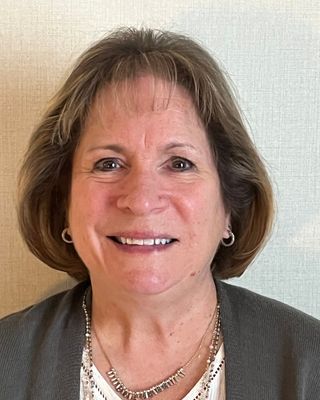
Groups are broken into groups of loss such as Accidental Overdose Loss, Murder Loss, and Suicide Loss. These groups meet for ten weeks with specific topics each week to help clients work through their traumatic loss. Check our website for when the next group will run, we run groups two times a year.
Groups are broken into groups of loss such as Accidental Overdose Loss, Murder Loss, and Suicide Loss. These groups meet for ten weeks with specific topics each week to help clients work through their traumatic loss. Check our website for when the next group will run, we run groups two times a year.
For grieving adults for various losses, group could be broken down to a specific group i.e. Spouse Loss, Parent Loss, etc. The group will meet weekly for eight weeks with specific topics. Check our website for when the next group will run, we run groups four times a year.
For grieving adults for various losses, group could be broken down to a specific group i.e. Spouse Loss, Parent Loss, etc. The group will meet weekly for eight weeks with specific topics. Check our website for when the next group will run, we run groups four times a year.
The Grove is an advanced dialectical behavioral therapy (DBT) skills group that's focus is on maintaining positive changes and growing your skills with DBT. This group meets weekly, for 12 weeks at a time. The Grove runs in the fall from September to December and then again in the spring from April to June.

Hosted by Jessica M Wolfal
Licensed Professional Clinical Counselor, LPCC
Group meets in Beachwood, OH 44122
The Grove is an advanced dialectical behavioral therapy (DBT) skills group that's focus is on maintaining positive changes and growing your skills with DBT. This group meets weekly, for 12 weeks at a time. The Grove runs in the fall from September to December and then again in the spring from April to June.
Using the SAMHSA Anger Management workbook, I facilitate a 6 week anger management virtual group where clients will learn about anger events and cues, anger control plans, the aggression cycle, cognitive restructuring, assertiveness training, the conflict resolution model, and what anger looks like in their family. Both court ordered clients and non court ordered clients may attend.

Using the SAMHSA Anger Management workbook, I facilitate a 6 week anger management virtual group where clients will learn about anger events and cues, anger control plans, the aggression cycle, cognitive restructuring, assertiveness training, the conflict resolution model, and what anger looks like in their family. Both court ordered clients and non court ordered clients may attend.
Our mission is to provide parents with the knowledge, skills, and support they need to raise happy, healthy, and well-adjusted children. Through our classes, we aim to empower parents to build loving and nurturing relationships with their children, while also setting clear boundaries and expectations. We strive to create a safe and supportive environment where parents can share their challenges and successes, learn from each other, and grow together as a community. Our goal is to equip parents with the tools and resources they need to navigate the complexities of parenthood with confidence and resilience.

Our mission is to provide parents with the knowledge, skills, and support they need to raise happy, healthy, and well-adjusted children. Through our classes, we aim to empower parents to build loving and nurturing relationships with their children, while also setting clear boundaries and expectations. We strive to create a safe and supportive environment where parents can share their challenges and successes, learn from each other, and grow together as a community. Our goal is to equip parents with the tools and resources they need to navigate the complexities of parenthood with confidence and resilience.
CCA provides individual and group counseling for those struggling with addiction to substances. Medication assisted therapy is always an option as part of the treatment process. Addiction treatment is conveniently provided online, or onsite. This service meets the requirements for medical providers, as well as any referring court ordered system or agency. CCA is the leader in providing high quality online and onsite outpatient recovery options for those struggling with addiction. Want to find freedom from the cycle of addiction? Call CCA today and get started on the pathway to recovery!
Hosted by Christian Counseling Associates of Eastern Ohio
Counselor, PhD
Group meets in Cleveland, OH 44109
CCA provides individual and group counseling for those struggling with addiction to substances. Medication assisted therapy is always an option as part of the treatment process. Addiction treatment is conveniently provided online, or onsite. This service meets the requirements for medical providers, as well as any referring court ordered system or agency. CCA is the leader in providing high quality online and onsite outpatient recovery options for those struggling with addiction. Want to find freedom from the cycle of addiction? Call CCA today and get started on the pathway to recovery!
FREE - 8-Week virtual Grief Group for women and men who have suffered the loss of an infant through stillbirth, miscarriage, SIDs, or death of an infant under the age of two. This group meets virtually one day per week. Must be committed to attending the group for eight consecutive weeks. For more information and free registration, please call 216-459-7222. This educational group will be using the Grief Recovery Method by the Grief Recovery Institute.

Hosted by Linette Graddic
Licensed Professional Counselor, MEd, LPC
Group meets in Cleveland, OH 44120
FREE - 8-Week virtual Grief Group for women and men who have suffered the loss of an infant through stillbirth, miscarriage, SIDs, or death of an infant under the age of two. This group meets virtually one day per week. Must be committed to attending the group for eight consecutive weeks. For more information and free registration, please call 216-459-7222. This educational group will be using the Grief Recovery Method by the Grief Recovery Institute.
IOP is a group therapy program that occurs after school or during the day on school breaks. Children and teens who are struggling with their mental health or behavioral issues can benefit from the structured, therapeutic environment of our day treatment program. In this program, children can learn how to interact with others, receive feedback, and find new ways to manage their emotions. This outpatient program offers convenience to parents and structured support to children and teens. At Beyond Healthcare, we support your whole family on the path to wellness.

Hosted by Beyond Healthcare - Willoughby Hills, OH
Treatment Center
Group meets in Beachwood, OH 44122
IOP is a group therapy program that occurs after school or during the day on school breaks. Children and teens who are struggling with their mental health or behavioral issues can benefit from the structured, therapeutic environment of our day treatment program. In this program, children can learn how to interact with others, receive feedback, and find new ways to manage their emotions. This outpatient program offers convenience to parents and structured support to children and teens. At Beyond Healthcare, we support your whole family on the path to wellness.
See more therapy options for Akron


FAQs - About Group Therapy and Support Groups
How can I find a support group in Akron?
To find a support group in your area, start by entering your city, zip code, or the name of the group into the search bar at the top of the page. When searching, consider whether you prefer an in-person or virtual group. This can help you decide how broad your geographic search should be. If you are open to virtual groups, you might want to search by state instead of just your city, especially if there are limited options nearby.
Once you complete your search, you can use the filters to narrow the results by selecting specialties (such as grief, trauma, or eating disorders), therapeutic approaches, age groups, and other criteria to find a group that best fits your needs.
Once you complete your search, you can use the filters to narrow the results by selecting specialties (such as grief, trauma, or eating disorders), therapeutic approaches, age groups, and other criteria to find a group that best fits your needs.
How does group therapy work?
Group therapy is led by one or more trained therapists and provides a space where participants can process their experiences and learn from others facing similar challenges. Groups may focus on a specific issue—such as addiction, grief, physical illnesses, parenting, or caregiving—or they may center around a particular therapeutic approach, such as Cognitive Behavioral Therapy (CBT), social skill development, or Exposure Therapy. Some groups are also designed for specific populations, such as teens, veterans, or LGBTQ+ individuals.
It’s also important to distinguish group therapy from peer-led support groups, like Alcoholics Anonymous. While both can offer valuable support, therapy groups are typically led by licensed professionals and follow a more structured format. Therapy groups often meet for a fixed length of time with a consistent group of members, while many peer support groups meet for an indefinite period of time with members coming and going.
It’s also important to distinguish group therapy from peer-led support groups, like Alcoholics Anonymous. While both can offer valuable support, therapy groups are typically led by licensed professionals and follow a more structured format. Therapy groups often meet for a fixed length of time with a consistent group of members, while many peer support groups meet for an indefinite period of time with members coming and going.
What are the benefits of group therapy?
Group therapy offers several important benefits. It brings together people facing similar challenges—whether related to mental health, physical health, or life transitions—and creates a supportive environment where participants can exchange feedback, share experiences, and learn from one another. Hearing different perspectives can help individuals discover new coping strategies and practical tools they may not have encountered on their own. Sharing personal experiences, such as coping with a serious illness or navigating family struggles, can also reduce feelings of isolation and foster a sense of connection and understanding. In addition to emotional support, group members often gain useful, real-world advice from peers who have faced similar situations.
Group therapy is typically more affordable than individual therapy and, for certain conditions, can be equally effective. Many groups also include structured activities—such as guided journaling, cognitive-behavioral exercises, or role-playing—to help participants develop concrete skills they can apply in daily life.
Group therapy is typically more affordable than individual therapy and, for certain conditions, can be equally effective. Many groups also include structured activities—such as guided journaling, cognitive-behavioral exercises, or role-playing—to help participants develop concrete skills they can apply in daily life.
Is group therapy as effective as individual therapy?
It is difficult to make a blanket statement about the effectiveness of support groups, as they vary widely in focus and the conditions they address. However, support groups can be highly valuable in helping individuals gain emotional support and achieve meaningful treatment outcomes. For certain conditions, such as substance use, research has shown that group therapy can be particularly effective—sometimes just as effective as individual therapy—in supporting long-term recovery.
Many professionals attribute the effectiveness of group therapy to the unique benefits of the group setting, which fosters peer-to-peer learning and a sense of connection through shared experiences. Group settings also offer accountability and encouragement from both facilitators and fellow participants, which helps sustain motivation and supports continued progress. These factors together play a key role in promoting the overall effectiveness of group therapy.
Many professionals attribute the effectiveness of group therapy to the unique benefits of the group setting, which fosters peer-to-peer learning and a sense of connection through shared experiences. Group settings also offer accountability and encouragement from both facilitators and fellow participants, which helps sustain motivation and supports continued progress. These factors together play a key role in promoting the overall effectiveness of group therapy.
How much does group therapy cost?
Group therapy is typically less expensive than individual therapy, with sessions typically costing between $50 and $75 each. In comparison, individual therapy can cost anywhere from $100 to $200 or more per session, even with insurance. Some therapists or organizations offer low-cost or free group therapy options, particularly through community centers or nonprofit organizations. In some cases, groups may require payment upfront for a set number of sessions, such as paying for six weekly sessions at the first meeting. However, many providers offer payment plans to help make participation more accessible if this upfront payment is required.
Does insurance cover group therapy?
As with individual therapy, insurance coverage for group therapy varies based on factors such as your specific insurance plan, the purpose of the group, your diagnosis, and whether the group provider is in-network. Many insurance plans cover group therapy sessions that address diagnosable mental health conditions, such as substance use disorders, anxiety, or depression.
However, groups that focus on topics not directly tied to a mental health diagnosis—such as parenting support or divorce recovery—are less likely to be covered. Because coverage can vary widely, it’s important to check with your insurance provider before joining a group to confirm whether the sessions will be covered and what out-of-pocket costs you may be responsible for.
However, groups that focus on topics not directly tied to a mental health diagnosis—such as parenting support or divorce recovery—are less likely to be covered. Because coverage can vary widely, it’s important to check with your insurance provider before joining a group to confirm whether the sessions will be covered and what out-of-pocket costs you may be responsible for.
How long does group therapy last?
The length of each group therapy session typically ranges from 45 minutes to two hours, depending on the therapy approach, the group’s goals, and how often the group meets. In some cases, group therapy is part of a larger treatment program, such as an Intensive Outpatient Program (IOP), where group sessions complement individual therapy and are scheduled as part of the program’s overall structure.
The duration of participation in a group also varies. Some groups are designed to be short-term, lasting anywhere from 6 to 24 weeks—for example, bereavement groups or skills-based groups like those using Dialectical Behavioral Therapy (DBT). Other groups may be longer-term, lasting a year or more, and some ongoing support groups meet indefinitely, allowing participants to stay as long as they find the group helpful.
The duration of participation in a group also varies. Some groups are designed to be short-term, lasting anywhere from 6 to 24 weeks—for example, bereavement groups or skills-based groups like those using Dialectical Behavioral Therapy (DBT). Other groups may be longer-term, lasting a year or more, and some ongoing support groups meet indefinitely, allowing participants to stay as long as they find the group helpful.
What are the limitations of support groups?
Support groups offer many benefits, but they also have certain limitations. Unlike therapy groups, many support groups do not provide formal therapeutic treatment and are not led by licensed mental health professionals. For individuals seeking clinical treatment for specific mental health diagnoses—such as depression, eating disorders, or substance use—individual therapy or group therapy led by a licensed professional may offer more personalized and specialized care.
The effectiveness of a support group also depends heavily on the group’s participants and the overall group dynamic. When members engage respectfully and offer constructive support, the group can foster valuable peer-to-peer learning. However, if certain participants dominate discussions, provide inaccurate advice, or create conflict, it can disrupt the group’s sense of safety and reduce its effectiveness. Confidentiality can also be harder to maintain in support groups, particularly in open groups where participants can join or leave at any time. With new members regularly entering the group, it can be more difficult to build and sustain a consistent sense of trust and privacy.
The effectiveness of a support group also depends heavily on the group’s participants and the overall group dynamic. When members engage respectfully and offer constructive support, the group can foster valuable peer-to-peer learning. However, if certain participants dominate discussions, provide inaccurate advice, or create conflict, it can disrupt the group’s sense of safety and reduce its effectiveness. Confidentiality can also be harder to maintain in support groups, particularly in open groups where participants can join or leave at any time. With new members regularly entering the group, it can be more difficult to build and sustain a consistent sense of trust and privacy.