When distance grows during the tween and teen years it can feel like it is impossible to feel connected. This is an interactive parent and child group session. 4 sessions.

Hosted by Kelly Mucha
Clinical Social Work/Therapist, LCSW
Verified Verified
Group meets in Merrillville, IN 46410
Welcome! I strive to help others discover balance to live fully. Balance is an individually defined mindset. I provide mental health services for children, teens, adults and families. Please visit my website to schedule quickly. https://kellypmucha10.wixsite.com/kellymuchalcsw
The goal of Anger Management is to provide men who use violence with the opportunity and skills to change the behavior, beliefs, and attitudes that support their use of violence against intimate partners.
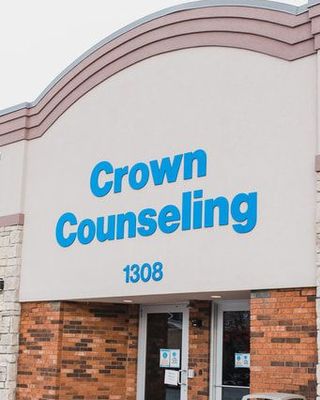
Crown Counseling offers various diagnostic and therapeutic services in individual, family, and group settings. We employ an experienced staff of highly skilled therapists all of whom possess at minimum a Master's level degree from an accredited learning institution. Many of our therapists have specialized training that allows them to treat challenging symptoms and diagnoses effectively. Our therapists approach each case with an individualized therapeutic plan encouraging self-awareness and empowerment. At Crown Counseling, individuals are included in the treatment planning process to promote self-discovery, treatment goal progress, and individual healing. All therapists are available by appointment and offer a multitude of therapeutic modalities to fit client needs, both in person and virtually. We accept most major health insurance and self-pay.
SPARCS is a group specifically for teens who have experienced trauma. The group aims to identify participants' strengths & ability to make better choices for their lives by helping them to identify what gives their lives purpose and meaning, to cultivate healthy relationships, and begin healing. Upon completion of the 16, one-hour sessions, group members will have improved attention/focus, better regulating of emotions, improved self-esteem, healthier relationships, fewer physical complaints, and be generally more hopeful. Groups are limited to 8 members.

On the outside everything looks ok! Your child or teen is attending school and is maybe even one of the popular kids. They play sports or are involved in an extracurricular activity they were once really passionate about. However, something’s changed. Perhaps they’ve even had a very scary or life-threatening experience. Behind closed doors, your child is really starting to struggle. The stress associated with appearing perfect on the outside is causing internal dilemmas that can lead to anxiety or depression. Developing a healthy sense of self can lead to a positive impact not only on your child, but the rest of your family.
I am offering a grief counseling group for anyone who has experienced a significant loss and find themselves struggling.
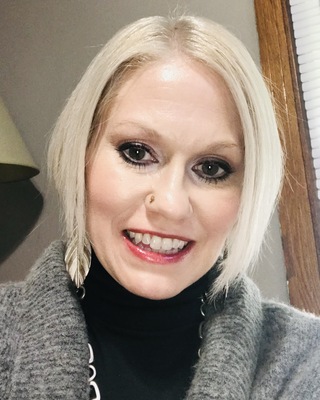
Hosted by Amy Masters
Pre-Licensed Professional, MS
Verified Verified
Group meets in Crown Point, IN 46307
Have you suffered a significant loss in your life? Are you surrounded by people, but still feel completely alone? Are you tired of pretending that you are just "fine", when truthfully you feel like you are barely hanging on each day? Are you looking for a safe place where you can be heard and understood, even if you aren't sure exactly how to express what you're feeling? Are you looking for a place where you can learn how to fully heal from your grief? You don't have to suffer your loss alone. I will help you work through depression, anxiety, pain, guilt, anger, accepting change and other stages of healing.
A story is behind every memory, every photo, every recipe passed on through generations. What's yours? Explore your stories through proven grief techniques of telling your story and verbally sharing. EFT, Emotional Freedom Technique is incorporated into the program. These 8 Weeks groups offered for types of loss: Loss of Spouse, Loss of Child, and Loss of Family Member. $20/week for 8 consecutive weeks. Register at https://forms.gle/6aFizUU8k5uT1iin8

Hosted by Julie Blackburn
Counselor, LCPC, NCC, ATR
Verified Verified
Group meets in Cedar Lake, IN 46303
Sometimes, life is more intense than ever expected. You have found this to be a difficult time as you are faced with a great loss in your life. You deserve a therapist that is well trained in your life experience. I focus exclusively on grief - grief that accompanies the loss of a loved one and transitioning into a caregiver role. Groups are an extremely helpful way to learning to live with grief and find your way as you live with the loss of your loved one. Online Groups & Self-Guided Programs are created to lift barriers to quality support for caregivers to folks in rural areas to busy professionals to create life balance.

Hosted by Meredith Naughgle
Clinical Social Work/Therapist, MSW, LCSW
Verified Verified
Group meets in Merrillville, IN 46410
The Wellness Warriors group is a Therapeutic Yoga Curriculum. The main theme of this curriculum will focus on learning and implementing new ways to self-regulate . Evidence based research has shown yoga to be a successful intervention with youth and adults that struggle with ADHD, Anxiety, Depression, and Trauma.

Hosted by Tiffany L Green-Mikell
Clinical Social Work/Therapist, MSW, LCSW, CIMHP, RYT-250
Verified Verified
Group meets in Merrillville, IN 46410
Imagine that tonight as you sleep a miracle occurs in your life. A magical thing happed that completing solved every problem or barrier you are currently experiencing. What is the first thing you will notice? So, Instead of focusing exclusively on how insoluble your problems are, and how difficult life is because of it ,lets switch attention to what will happen after the problem is dealt with. Lets focus on your desired outcome. Let me help you process what feeling symptom free from anxiety, depression, and stinking thinking feelings like. Lets shift energy towards what we can create and control.
They say separation and divorce are among the most stressful life events, second only to death. Often friends and family struggle to provide continual support as the litigation process can take months, if not years. In the meantime, the stress can lead to depression, anxiety, difficulty concentrating, and poor interpersonal relations. Our group is open to any adult who is struggling during the separation or divorce process. Groups are held on Sunday evenings in our Merrillville office. In most cases, this service can be billed to insurance. Call or go online to schedule an initial intake: www.foundationsnwi.com

Hello and welcome. I would like to see where you are in your life and talk about what things you might feel need to change. I will partner with you and discuss what things in your life are troubling or something you might just need to talk about. I will partner with you and together we can decide if or what changes you want to make in your life.

Hosted by Susie Marcus
Clinical Social Work/Therapist, LCSW
Verified Verified
Group meets in Munster, IN 46321
We have gathered a team of professionals who believe that even the most difficult clients can recover when exposed to recovery in a way that they can connect with. By offering multiple paths of recovery, intense clinical counseling, and family integration within an intentionally difficult recovery program, our clients will receive one-of-a-kind care. We simply do not focus on physical recovery, but emotional, spiritual, and cognitive balance in order to give our clients the optimum care they need. In our program clients will receive the support of 5-6 counselors during their time in treatment.

Hosted by Molly Ray
Counselor, LMHC, NCC , CADACII, RYT200
Verified Verified
Group meets in Lowell, IN 46356
Waitlist only at this time... I have a special place in my heart for highly sensitive persons, and those seeking to step into their personal power. As a therapist, my intention is to hold safe and comfortable space to help you feel heard and unconditionally accepted. Through use of EMDR, mindfulness techniques, and our unique therapeutic relationship, I offer in-depth therapy for individuals seeking to heal from trauma & attachment issues, depression, anxiety & perfectionism.
Matrix Model substance abuse group therapy. Women's group dual diagnosis issues.

I use cutting edge interventions with often quick results. My training and focus is to help you dismantle faulty beliefs, discover your goals and values, and achieve personal growth, so that you can discover the freedom to live your best life. Therapy can be a powerful experience that can positively impact your life in various ways. Whether issues are social, couples, family, work, childhood, trauma, physical and/or emotional abuse, substance and/or alcohol use, anger, trust issues, adhd, academic, lack of motivation, anxiety or depression, therapy can be effective in helping you achieve your goals to live your best life!
The Mindfulness/Meditation Group is an 8-week psychoeducational class designed to introduce participants to the theory and practice of Mindfulness. This interactive course will teach the concepts behind Mindfulness, offering various meditation techniques to become more present and actively aware with your emotions, thoughts and experiences. Scientific studies have shown that participating in an 8-week Mindfulness/Meditation group can reduce anxiety and depression, lower blood pressure and improve overall well-being. Mindfulness is not a religious-based practice, but rather a secular, inclusive form of self care. The course is open to adults of all ages, with no previous meditation experience necessary.

Hosted by Erin Swinson
Counselor, MS, LMHC, CDWF-C, NCC
Verified Verified
Group meets in Munster, IN 46321
I am a licensed mental health therapist and National Certified Counselor specialized in working with children, adolescents and adults in the treatment of anxiety and depression, trauma and grief, stress management and self-esteem struggles. I use a collaborative approach with clients to empower healing, wellness, and goal development and achievement. I strive to incorporate warmth, genuineness, and humor to create a strong therapeutic relationship in a safe environment.
This is a safe place to share your struggles with addiction and relationships. You'll find you are not alone as you hear the journey of other men on the road to recovery.

Hosted by David Fritch: Porn Addiction Infidelity Recovery
MA, BA, CLC, PSAP
Verified Verified
Group meets in Saint John, IN 46373
I am a trained Life Coach and Sex Addiction Professional with a focus on treating individuals impacted by sexual addiction, porn addiction, secret affairs, and traumatic events that impact their daily lives. Whether you are struggling with unwanted sexual behavior or wanting to work through a time of depression, broken relationships, or seeking life purpose, I'd love to help. We will work together to explore the underlying causes of unhealthy behavior so you can heal and begin to thrive in life.
The main group is for those who have a strong desire to stop using self-injury to cope with life's stresses. The goals and curriculum come from the S.A.F.E. Alternatives Program: 1- Increase awareness of destructive behaviors and their consequences. 2- Increase awareness of feelings and how to identify them. 3- Learn to tolerate feelings. 4- Learn to identify and constructively express feelings, wants, and needs 5- Use constructive coping in daily life. The family support group is for loved ones and friends of those who are struggling with self-injury. Visit selfinjuryNWI.org for more information.

Hosted by Ruth's Family Therapy
Marriage & Family Therapist, MS, LMFT
Verified Verified
Group meets in Crown Point, IN 46307
My focus is to empower families by improving their relationships and communication so family members are more of a support than a burden to each other. Family issues that I commonly treat are couple's communication, sexual issues in a relationship, mixed-agenda couples (where one is considering a divorce), co-parenting after a divorce, behavior issues with children, as well as abuse or neglect in families. I also help families where a member struggles with self-injury, depression, or anxiety.
This group is designed as a safe place for LGBTQ+ teens and allies to come and discuss everyday issues in a judgment free environment, make new friends as well as get support from others. The groups are usually run by therapist.

Hosted by Infinity Counseling & Wellness Center
PhD, LMHC
Verified Verified
Group meets in Crown Point, IN 46307
Are you wondering if medication is the best step for you? Or you are already taking medication and looking for a Psychiatrist to manage your future needs? We are here to help. Our Psychiatrist has over 42 years of diverse experience and ready to discuss your psychiatric needs. We also have a team of mental health counselors accepting same week appointments. Call us now.
I run mixed adult groups focusing on relationship skills and mood management. I am a nationally recognized trainer in group psychotherapy with 40 years experience running groups.

Hosted by Lawrence A Viers
Psychologist, PhD, FAGPA, HSPP, LCP
Verified Verified
Group meets in Highland, IN 46322
I am known for my direct manner and skill building emphasis. I believe in human potential and orient myself toward teaching people how to manage their lives rather than assuming the role of managing their life for them. My principal professional affiliation is with the American Group Psychotherapy Association (AGPA) of which I am a Fellow. I have found that group psychotherapy provides an effective avenue for personal change and skills consolidation, especially for people who struggle with relationships. I enjoy working with adolescents, marital cases and individuals with long term mood disorders.
Separation, divorce, relocating, deployment and ill family members. 9 sessions.
Hosted by Kelly Mucha
Clinical Social Work/Therapist, LCSW
Verified Verified
Group meets in Merrillville, IN 46410
Welcome! I strive to help others discover balance to live fully. Balance is an individually defined mindset. I provide mental health services for children, teens, adults and families. Please visit my website to schedule quickly. https://kellypmucha10.wixsite.com/kellymuchalcsw
Hosted by Susie Marcus
Clinical Social Work/Therapist, LCSW
Verified Verified
Group meets in Munster, IN 46321
The Men Matter Support Group was created to establish an inviting community of support for men who want to encourage each other to thrive in life, relationships, work, and business.
Crown Counseling offers various diagnostic and therapeutic services in individual, family, and group settings. We employ an experienced staff of highly skilled therapists all of whom possess at minimum a Master's level degree from an accredited learning institution. Many of our therapists have specialized training that allows them to treat challenging symptoms and diagnoses effectively. Our therapists approach each case with an individualized therapeutic plan encouraging self-awareness and empowerment. At Crown Counseling, individuals are included in the treatment planning process to promote self-discovery, treatment goal progress, and individual healing. All therapists are available by appointment and offer a multitude of therapeutic modalities to fit client needs, both in person and virtually. We accept most major health insurance and self-pay.
Start your day or week with intention and creativity. Caregivers and those adjusting to new ways of living... this group is for you. Take time in the week to explore YOU. This group is a meditative art group. What does that mean - a meditative art group? It begins with setting an intention, holding it to explore what it means to you, using your preferred art materials to create, then write to process your experience and share if you'd like. $20/week for 8 consecutive weeks. Register at https://forms.gle/KSECjC6Bxzfcf2uh7
Hosted by Julie Blackburn
Counselor, LCPC, NCC, ATR
Verified Verified
Group meets in Cedar Lake, IN 46303
Sometimes, life is more intense than ever expected. You have found this to be a difficult time as you are faced with a great loss in your life. You deserve a therapist that is well trained in your life experience. I focus exclusively on grief - grief that accompanies the loss of a loved one and transitioning into a caregiver role. Groups are an extremely helpful way to learning to live with grief and find your way as you live with the loss of your loved one. Online Groups & Self-Guided Programs are created to lift barriers to quality support for caregivers to folks in rural areas to busy professionals to create life balance.
See more therapy options for Lake County


FAQs - About Group Therapy and Support Groups
How can I find a support group in Lake County?
Search for nearby support groups by inputting your city, zip code, or the name of the group into the search bar. From there, you can filter to find a group that suits your needs, whether you are looking for support for a teenager, a group that focuses on a specific issue, such as depression, or a particular program type, such as one geared toward developing social skills. To navigate between locations within the same country, enter a new city or zip code into the search bar.
How does group therapy work?
Therapy groups are led by one or more therapists and serve to help people process their experiences and learn from others who understand their challenges firsthand. They can be based on a specific issue, such as addiction, grief, physical illnesses, parenting, and caregiving. They can involve a specific type of program or therapy, such as a social skills group or CBT group. They can also be specific to a particular population or community, such as teens or LGBTQ.
Support groups, like Alcoholics Anonymous, also focus on a specific issue, but are typically led by members with lived experiences and are less structured than therapy groups. Most therapy groups will meet for a fixed length of time with a consistent group of members, while many support groups meet for an indefinite period of time with members coming and going.
Support groups, like Alcoholics Anonymous, also focus on a specific issue, but are typically led by members with lived experiences and are less structured than therapy groups. Most therapy groups will meet for a fixed length of time with a consistent group of members, while many support groups meet for an indefinite period of time with members coming and going.
What are the benefits of group therapy?
Support groups help connect people with shared challenges or physical and mental health conditions. In a group setting, participants can receive support and feedback from peers and can acquire new skills, strategies and perspectives by listening to one another. Discussing your experience with someone who also has a cancer diagnosis, or whose son also struggles with addiction, for example, can help you feel less alone, reduce distress, find empathy and connection, and learn practical or medical information that has helped others. Group therapy can also be a more affordable option than individual therapy and just as effective.
Is group therapy as effective as individual therapy?
Support groups can be deeply valuable for both emotional support and/or treatment outcomes. It’s difficult to make a blanket statement on efficacy due to the many different types of support groups and conditions treated, but group therapy has been found to be just as effective as individual therapy in establishing long-term abstinence for conditions such as substance abuse, addiction and alcohol abuse.
How much does group therapy cost?
Group counseling is typically less expensive than individual counseling, with each session costing on average between $60 to $75. Meanwhile, individual therapy sessions can run anywhere from $100 to $200 and up, even after insurance. It is possible to find low-cost group therapy options and many therapists offer group sessions free of charge.
Does insurance cover group therapy?
As with individual therapy, many insurance companies do offer coverage for group therapy sessions. However, the coverage varies based on your insurance plan details and whether you choose an in-network or out-of-network mental healthcare provider. Individuals are encouraged to check with their insurance providers to verify coverage.
How long does group therapy last?
The length of a support group session is often one hour but can fall anywhere between 45 minutes and two hours. The amount of time that people remain in a support group varies based on their specific needs and goals and the type of therapy. Some individuals may seek a shorter-term group, such as a bereavement group, that may last between six and 20 weeks. Some may seek a longer-term group that lasts for a year or indefinitely.
What are the limitations of support groups?
Support groups have many benefits, but there are a few limitations as well. Support groups do not constitute formal therapeutic or medical treatment, and are not run by licensed mental health professionals, so some people may opt for group therapy or individual therapy instead. Additionally, support groups can depend on the other participants, so a disruptive individual has the potential to mar the group dynamic, and the anecdotal information shared may sometimes be unhelpful or inaccurate. Because it is a group setting, confidentiality can be more difficult to guard and participants receive less personalized attention than they would in an individual therapy session.