Support Groups in 94945
Support group for individuals who want to lose weight and maintain it by making healthy and conscious changes in the way they eat. Individualized food plans are developed to meet these goals. Psychological insight is gained by looking at what has prevented successful weight loss and management in the past. To assist in optimum food choices a monthly cooking class is part of the program that is educational and fun and where new habits can be firmly put in place. This is a multi-faceted approach encompassing support, individually developed food plans, education, exercise, and positive results.

Support group for individuals who want to lose weight and maintain it by making healthy and conscious changes in the way they eat. Individualized food plans are developed to meet these goals. Psychological insight is gained by looking at what has prevented successful weight loss and management in the past. To assist in optimum food choices a monthly cooking class is part of the program that is educational and fun and where new habits can be firmly put in place. This is a multi-faceted approach encompassing support, individually developed food plans, education, exercise, and positive results.
Twice monthly group offers men and women opportunities to explore and improve interpersonal skills while increasing self-understanding. Led by professional facilitators, the group becomes a safe and supportive container for personal growth. Self-exploration is deepened by peer inquiry and support. Sharing interactively increases understanding of the ways we relate with others. Witnessing other’s experiences brings awareness regarding own issues. Over time, the group community itself becomes a basis for personal change and healing. Through long-term participation, members can resolve feelings about their family of origin, gain self-acceptance and develop a more satisfying relational capacity.

Twice monthly group offers men and women opportunities to explore and improve interpersonal skills while increasing self-understanding. Led by professional facilitators, the group becomes a safe and supportive container for personal growth. Self-exploration is deepened by peer inquiry and support. Sharing interactively increases understanding of the ways we relate with others. Witnessing other’s experiences brings awareness regarding own issues. Over time, the group community itself becomes a basis for personal change and healing. Through long-term participation, members can resolve feelings about their family of origin, gain self-acceptance and develop a more satisfying relational capacity.
This group will explore and discuss relationship issues that to some seem insolvable, but to others the solutions are clear. Problem solving and solution focused is the process by which insight is attained and old, unhelpful behaviors are replaced by new more constructive ones.
We will cover different topics like, communication, sexuality, parenting styles, family of origin, blended families, and whatever else is most relevant to group members. Listening to other couples interact is a most helpful way to understand individual issues and the dynamics of couples relationships. The group process will be didactic, experiential, and provide insight for change.
Therapy for Personal Growth using horses, donkeys, llamas, pigs, goats, chickens, bunnies. Insight with be gained to learn new coping skills with improved self-esteem, and open and direct communication with family members, partner, friends, colleagues.
Therapy for Personal Growth using horses, donkeys, llamas, pigs, goats, chickens, bunnies. Insight with be gained to learn new coping skills with improved self-esteem, and open and direct communication with family members, partner, friends, colleagues.
More Groups Nearby
This therapy group will focus on what arises between group members, with a sensitivity to the group process as a whole, and the emotional development of each member. The group will be helpful if you: Have challenges with intimacy/difficulty finding a long-term relationship, are lonely/seeking community, have difficulty in groups, including feelings of exclusion, shame, competition, are struggling to assert your voice, would like feedback on your interpersonal style, have co-dependent/caretaking tendencies, struggle to engage with conflict constructively. Fee $70. For more info go to yaelmelamed.com and click on: psychotherapy---> group

Hosted by Yael Melamed, A Marriage Family Therapy Corp.
Marriage & Family Therapist, MBA, MFT
Group meets in San Francisco, CA 94123
This therapy group will focus on what arises between group members, with a sensitivity to the group process as a whole, and the emotional development of each member. The group will be helpful if you: Have challenges with intimacy/difficulty finding a long-term relationship, are lonely/seeking community, have difficulty in groups, including feelings of exclusion, shame, competition, are struggling to assert your voice, would like feedback on your interpersonal style, have co-dependent/caretaking tendencies, struggle to engage with conflict constructively. Fee $70. For more info go to yaelmelamed.com and click on: psychotherapy---> group
Join our 8-week Brainspotting Group to heal from trauma and reduce symptoms like anxiety, depression, relationship issues, avoidance, nightmares, and flashbacks. Using Brainspotting, a somatic therapy that targets where trauma is stored in the brain, you’ll process deep emotional pain that talk therapy often can’t reach. Each session blends psychoeducation, group discussions, and Brainspotting exercises to help alleviate trauma symptoms and activate the brain’s natural healing abilities. Connect with others on a similar journey, share experiences, and work through challenges in a safe, supportive environment. Experience the transformative power of trauma healing and recovery.

Hosted by Elizabeth Huck
Associate Clinical Social Worker, IFS, DBT, EMDR
Group meets in Oakland, CA 94609
Join our 8-week Brainspotting Group to heal from trauma and reduce symptoms like anxiety, depression, relationship issues, avoidance, nightmares, and flashbacks. Using Brainspotting, a somatic therapy that targets where trauma is stored in the brain, you’ll process deep emotional pain that talk therapy often can’t reach. Each session blends psychoeducation, group discussions, and Brainspotting exercises to help alleviate trauma symptoms and activate the brain’s natural healing abilities. Connect with others on a similar journey, share experiences, and work through challenges in a safe, supportive environment. Experience the transformative power of trauma healing and recovery.
This is a therapist-led 6-week psychotherapy group designed to support women during pregnancy and the transition into parenthood. The group focuses on common perinatal mental health concerns including anxiety depression and intrusive thoughts, addressing what to do when childbirth and breastfeeding don't go as planned and building coping skills. Participants will receive education on how symptoms can also present in non-birthing parents. Additionally we will explore identity shifts, relationship changes, & connection to community resources. Sessions incorporate evidence-based treatment and may be eligible through reimbursement with PPO insurance with Super Bill. Sonoma, Marin, Napa welcome.

Hosted by Dana Levandoski
Clinical Social Work/Therapist, LCSW, PMH-C
Group meets in Petaluma, CA 94952
This is a therapist-led 6-week psychotherapy group designed to support women during pregnancy and the transition into parenthood. The group focuses on common perinatal mental health concerns including anxiety depression and intrusive thoughts, addressing what to do when childbirth and breastfeeding don't go as planned and building coping skills. Participants will receive education on how symptoms can also present in non-birthing parents. Additionally we will explore identity shifts, relationship changes, & connection to community resources. Sessions incorporate evidence-based treatment and may be eligible through reimbursement with PPO insurance with Super Bill. Sonoma, Marin, Napa welcome.
This IFS (Internal Family Systems) and mindfulness-based therapy group offers a safe, supportive space to heal from trauma, grief, anxiety, depression, relationship challenges, work stress, and life transitions. You’ll explore your inner world, understand your “parts,” and cultivate deep self-compassion. Through experiential practices and meaningful group connection, you’ll gain practical tools to process unresolved emotions and navigate daily stress with greater clarity and resilience—while feeling truly seen, supported, and empowered. Schedule your free consultation to get started.
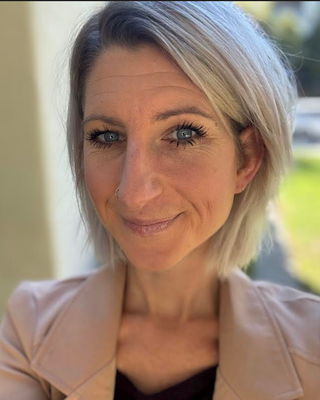
Hosted by Sara Minter
Marriage & Family Therapist Associate, AMFT, DBT, CBT
Group meets in Oakland, CA 94609
This IFS (Internal Family Systems) and mindfulness-based therapy group offers a safe, supportive space to heal from trauma, grief, anxiety, depression, relationship challenges, work stress, and life transitions. You’ll explore your inner world, understand your “parts,” and cultivate deep self-compassion. Through experiential practices and meaningful group connection, you’ll gain practical tools to process unresolved emotions and navigate daily stress with greater clarity and resilience—while feeling truly seen, supported, and empowered. Schedule your free consultation to get started.
This group is for female identified teens addressing the topics of self esteem/body image, social skils, anxiety, depression, female empowerment and more.

This group is for female identified teens addressing the topics of self esteem/body image, social skils, anxiety, depression, female empowerment and more.
Join our Harm Reduction Addiction Support Group for holistic recovery. Our compassionate space embraces diverse needs with structured sessions covering addiction, anxiety, depression, impulse control, relationships, and more. We focus on coping skills, healthy relationships, and relapse prevention, integrating IFS, CBT, mindfulness, trauma informed care, and attachment theory. Reclaim control, build community, and explore new possibilities with us. Book a free consultation today for personalized support on your journey to recovery.

Join our Harm Reduction Addiction Support Group for holistic recovery. Our compassionate space embraces diverse needs with structured sessions covering addiction, anxiety, depression, impulse control, relationships, and more. We focus on coping skills, healthy relationships, and relapse prevention, integrating IFS, CBT, mindfulness, trauma informed care, and attachment theory. Reclaim control, build community, and explore new possibilities with us. Book a free consultation today for personalized support on your journey to recovery.
Join our Harm Reduction Addiction Support Group for holistic recovery. Our compassionate space embraces diverse needs with structured sessions covering addiction, anxiety, depression, impulse control, relationships, and more. We focus on coping skills, healthy relationships, and relapse prevention, integrating IFS, CBT, mindfulness, trauma informed care, and attachment theory. Reclaim control, build community, and explore new possibilities with us. Book a free consultation today for personalized support on your journey to recovery.
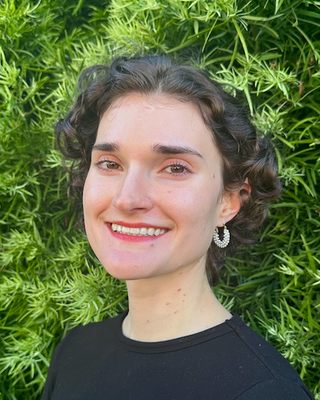
Hosted by Kendra Lewis
Associate Clinical Social Worker, ASW, DBT, IFS
Group meets in San Francisco, CA 94132
Join our Harm Reduction Addiction Support Group for holistic recovery. Our compassionate space embraces diverse needs with structured sessions covering addiction, anxiety, depression, impulse control, relationships, and more. We focus on coping skills, healthy relationships, and relapse prevention, integrating IFS, CBT, mindfulness, trauma informed care, and attachment theory. Reclaim control, build community, and explore new possibilities with us. Book a free consultation today for personalized support on your journey to recovery.
In this 8 week expressive arts therapy group for women, we will be utilizing movement, drama, painting, writing, and collage to explore the archetype of the Wild Woman as a doorway to personal power, intuitive knowing and creative energy. This group is wonderful for women who: have an active inner critic; struggle with self-esteem; feel like life has become too much work and too little play; want connection and nourishment in a community of women; desire more creative exploration and expression in their lives. Group begins: June 2026.
Saturday mornings. Intake session is required to join group.
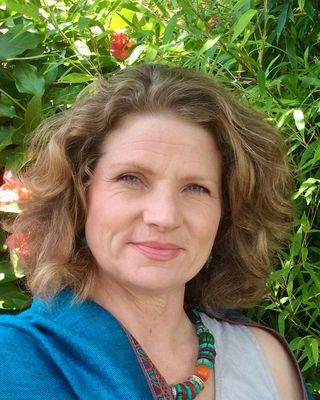
In this 8 week expressive arts therapy group for women, we will be utilizing movement, drama, painting, writing, and collage to explore the archetype of the Wild Woman as a doorway to personal power, intuitive knowing and creative energy. This group is wonderful for women who: have an active inner critic; struggle with self-esteem; feel like life has become too much work and too little play; want connection and nourishment in a community of women; desire more creative exploration and expression in their lives. Group begins: June 2026.
Saturday mornings. Intake session is required to join group.
Dialectical Behavior Therapy (DBT) is an evidence-based approach designed to reduce emotion dysregulation, impulsive behavior, self-harm and suicidal ideation, and treat other mental health or behavioral issues. The goal of DBT is to help teens change ineffective behavior patterns by learning skills that will help them reach their goals. Our programs include four DBT skills groups a week that cover core mindfulness, interpersonal effectiveness, emotion regulation, and distress tolerance. Teens learn a new DBT skill in each group. Our staff help teens practice these skills so that they know how to use them in their daily lives.

Hosted by Teen Anxiety & Depression Treatment at Evolve
Treatment Center
Group meets in Lafayette, CA 94549
Dialectical Behavior Therapy (DBT) is an evidence-based approach designed to reduce emotion dysregulation, impulsive behavior, self-harm and suicidal ideation, and treat other mental health or behavioral issues. The goal of DBT is to help teens change ineffective behavior patterns by learning skills that will help them reach their goals. Our programs include four DBT skills groups a week that cover core mindfulness, interpersonal effectiveness, emotion regulation, and distress tolerance. Teens learn a new DBT skill in each group. Our staff help teens practice these skills so that they know how to use them in their daily lives.
This group provides a safe space to work together with other adults motivated to recover from eating disorders.
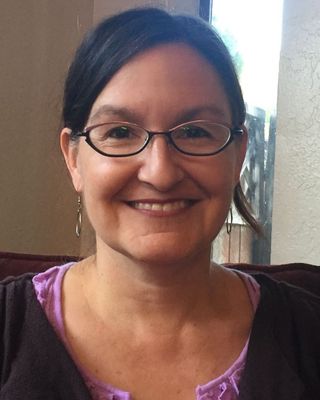
This group provides a safe space to work together with other adults motivated to recover from eating disorders.
This group will focus on: individuals learning to track and regulate their nervous systems and the creation of and participation in a coherent group/social nervous system. These elements aim to support group participants in: increasing emotional and physiological regulation; decreasing stress; and increasing capacity to feel connected, alive, and steady with life’s challenges. Each group member will have an opportunity to work with their own material and be witnessed by the group. The group will take place in Wildcat Canyon in Richmond, connecting the coherence of the natural environment with human healing work.
This group will focus on: individuals learning to track and regulate their nervous systems and the creation of and participation in a coherent group/social nervous system. These elements aim to support group participants in: increasing emotional and physiological regulation; decreasing stress; and increasing capacity to feel connected, alive, and steady with life’s challenges. Each group member will have an opportunity to work with their own material and be witnessed by the group. The group will take place in Wildcat Canyon in Richmond, connecting the coherence of the natural environment with human healing work.
Join our 8-week Brainspotting Group to heal from trauma and reduce symptoms like anxiety, depression, relationship issues, avoidance, nightmares, and flashbacks. Using Brainspotting, a somatic therapy that targets where trauma is stored in the brain, you’ll process deep emotional pain that talk therapy often can’t reach. Each session blends psychoeducation, group discussions, and Brainspotting exercises to help alleviate trauma symptoms and activate the brain’s natural healing abilities. Connect with others on a similar journey, share experiences, and work through challenges in a safe, supportive environment. Experience the transformative power of trauma healing and recovery.
Hosted by Kendra Lewis
Associate Clinical Social Worker, ASW, DBT, IFS
Group meets in San Francisco, CA 94132
Join our 8-week Brainspotting Group to heal from trauma and reduce symptoms like anxiety, depression, relationship issues, avoidance, nightmares, and flashbacks. Using Brainspotting, a somatic therapy that targets where trauma is stored in the brain, you’ll process deep emotional pain that talk therapy often can’t reach. Each session blends psychoeducation, group discussions, and Brainspotting exercises to help alleviate trauma symptoms and activate the brain’s natural healing abilities. Connect with others on a similar journey, share experiences, and work through challenges in a safe, supportive environment. Experience the transformative power of trauma healing and recovery.
Navigating multiple cultures can bring challenges around identity, belonging, and relationships. This therapy group offers migrants and bicultural adults a supportive space to explore their experiences, connect with others, and cultivate a deeper sense of belonging within themselves.

Navigating multiple cultures can bring challenges around identity, belonging, and relationships. This therapy group offers migrants and bicultural adults a supportive space to explore their experiences, connect with others, and cultivate a deeper sense of belonging within themselves.
Your past doesn’t define you. This 6-week trauma-processing group provides a safe space for adult survivors of childhood physical, emotional, or sexual abuse. Through guided discussions, coping strategies, and inner child healing, you’ll gain tools to manage triggers, set boundaries, and build resilience. Connect with others who understand your journey and reclaim control over your life. You are stronger than you think. Reach out for a free diagnostic tool and a 20-minute consultation to see if this group is right for you. Healing is possible—you don’t have to do it alone.
Hosted by Sierra Flynn
Marriage & Family Therapist, LMFT, EMDR, IFS
Group meets in Berkeley, CA 94704
Your past doesn’t define you. This 6-week trauma-processing group provides a safe space for adult survivors of childhood physical, emotional, or sexual abuse. Through guided discussions, coping strategies, and inner child healing, you’ll gain tools to manage triggers, set boundaries, and build resilience. Connect with others who understand your journey and reclaim control over your life. You are stronger than you think. Reach out for a free diagnostic tool and a 20-minute consultation to see if this group is right for you. Healing is possible—you don’t have to do it alone.
Sex/porn addiction group therapy provides a safe and effective place for men to address the multi-layered aspects of their addiction: relationships, family, work, friends, self-esteem, finances, etc. The group provides the opportunity to connect with a social group in which men can explore and develop safe and healthy male-to-male relationships. In this group, the men grow and heal as a result of the therapeutic interventions, the shared sense of accountability, and the transparent and supportive relationships. Call 510.343-7391 for more information or email: robert@innerwisdomnow.com
Sex/porn addiction group therapy provides a safe and effective place for men to address the multi-layered aspects of their addiction: relationships, family, work, friends, self-esteem, finances, etc. The group provides the opportunity to connect with a social group in which men can explore and develop safe and healthy male-to-male relationships. In this group, the men grow and heal as a result of the therapeutic interventions, the shared sense of accountability, and the transparent and supportive relationships. Call 510.343-7391 for more information or email: robert@innerwisdomnow.com
We are here to help you go through your recovery. We will help you through the following steps of healing: Going through the trauma of discovery. Managing the crisis you are going through. Dealing with the emotional aftershocks. Learning what sex addiction is. Teaching you to communicate your feelings. Making empowered choices. Reclaiming your sexuality. Choosing your next steps. This is a 12 week commitment and investment to your recovery. The cost is $75 per session and you will be responsible to pay at each session. You are required to meet with the group leader in advance online.

Hosted by Colorado Christian Sex/Porn Addiction Services
Marriage & Family Therapist, LMFT, CSAT, MDiv, MSMFT, IITAP
Group meets in San Francisco, CA 94115
We are here to help you go through your recovery. We will help you through the following steps of healing: Going through the trauma of discovery. Managing the crisis you are going through. Dealing with the emotional aftershocks. Learning what sex addiction is. Teaching you to communicate your feelings. Making empowered choices. Reclaiming your sexuality. Choosing your next steps. This is a 12 week commitment and investment to your recovery. The cost is $75 per session and you will be responsible to pay at each session. You are required to meet with the group leader in advance online.
See more therapy options for 94945


FAQs - About Group Therapy and Support Groups
How can I find a support group in 94945?
To find a support group in your area, start by entering your city, zip code, or the name of the group into the search bar at the top of the page. When searching, consider whether you prefer an in-person or virtual group. This can help you decide how broad your geographic search should be. If you are open to virtual groups, you might want to search by state instead of just your city, especially if there are limited options nearby.
Once you complete your search, you can use the filters to narrow the results by selecting specialties (such as grief, trauma, or eating disorders), therapeutic approaches, age groups, and other criteria to find a group that best fits your needs.
How does group therapy work?
Group therapy is led by one or more trained therapists and provides a space where participants can process their experiences and learn from others facing similar challenges. Groups may focus on a specific issue—such as addiction, grief, physical illnesses, parenting, or caregiving—or they may center around a particular therapeutic approach, such as Cognitive Behavioral Therapy (CBT), social skill development, or Exposure Therapy. Some groups are also designed for specific populations, such as teens, veterans, or LGBTQ+ individuals.
It’s also important to distinguish group therapy from peer-led support groups, like Alcoholics Anonymous. While both can offer valuable support, therapy groups are typically led by licensed professionals and follow a more structured format. Therapy groups often meet for a fixed length of time with a consistent group of members, while many peer support groups meet for an indefinite period of time with members coming and going.
What are the benefits of group therapy?
Group therapy offers several important benefits. It brings together people facing similar challenges—whether related to mental health, physical health, or life transitions—and creates a supportive environment where participants can exchange feedback, share experiences, and learn from one another. Hearing different perspectives can help individuals discover new coping strategies and practical tools they may not have encountered on their own. Sharing personal experiences, such as coping with a serious illness or navigating family struggles, can also reduce feelings of isolation and foster a sense of connection and understanding. In addition to emotional support, group members often gain useful, real-world advice from peers who have faced similar situations.
Group therapy is typically more affordable than individual therapy and, for certain conditions, can be equally effective. Many groups also include structured activities—such as guided journaling, cognitive-behavioral exercises, or role-playing—to help participants develop concrete skills they can apply in daily life.
Is group therapy as effective as individual therapy?
It is difficult to make a blanket statement about the effectiveness of support groups, as they vary widely in focus and the conditions they address. However, support groups can be highly valuable in helping individuals gain emotional support and achieve meaningful treatment outcomes. For certain conditions, such as substance use, research has shown that group therapy can be particularly effective—sometimes just as effective as individual therapy—in supporting long-term recovery.
Many professionals attribute the effectiveness of group therapy to the unique benefits of the group setting, which fosters peer-to-peer learning and a sense of connection through shared experiences. Group settings also offer accountability and encouragement from both facilitators and fellow participants, which helps sustain motivation and supports continued progress. These factors together play a key role in promoting the overall effectiveness of group therapy.
How much does group therapy cost?
Group therapy is typically less expensive than individual therapy, with sessions typically costing between $50 and $75 each. In comparison, individual therapy can cost anywhere from $100 to $200 or more per session, even with insurance. Some therapists or organizations offer low-cost or free group therapy options, particularly through community centers or nonprofit organizations. In some cases, groups may require payment upfront for a set number of sessions, such as paying for six weekly sessions at the first meeting. However, many providers offer payment plans to help make participation more accessible if this upfront payment is required.
Does insurance cover group therapy?
As with individual therapy, insurance coverage for group therapy varies based on factors such as your specific insurance plan, the purpose of the group, your diagnosis, and whether the group provider is in-network. Many insurance plans cover group therapy sessions that address diagnosable mental health conditions, such as substance use disorders, anxiety, or depression.
However, groups that focus on topics not directly tied to a mental health diagnosis—such as parenting support or divorce recovery—are less likely to be covered. Because coverage can vary widely, it’s important to check with your insurance provider before joining a group to confirm whether the sessions will be covered and what out-of-pocket costs you may be responsible for.
How long does group therapy last?
The length of each group therapy session typically ranges from 45 minutes to two hours, depending on the therapy approach, the group’s goals, and how often the group meets. In some cases, group therapy is part of a larger treatment program, such as an Intensive Outpatient Program (IOP), where group sessions complement individual therapy and are scheduled as part of the program’s overall structure.
The duration of participation in a group also varies. Some groups are designed to be short-term, lasting anywhere from 6 to 24 weeks—for example, bereavement groups or skills-based groups like those using Dialectical Behavioral Therapy (DBT). Other groups may be longer-term, lasting a year or more, and some ongoing support groups meet indefinitely, allowing participants to stay as long as they find the group helpful.
What are the limitations of support groups?
Support groups offer many benefits, but they also have certain limitations. Unlike therapy groups, many support groups do not provide formal therapeutic treatment and are not led by licensed mental health professionals. For individuals seeking clinical treatment for specific mental health diagnoses—such as depression, eating disorders, or substance use—individual therapy or group therapy led by a licensed professional may offer more personalized and specialized care.
The effectiveness of a support group also depends heavily on the group’s participants and the overall group dynamic. When members engage respectfully and offer constructive support, the group can foster valuable peer-to-peer learning. However, if certain participants dominate discussions, provide inaccurate advice, or create conflict, it can disrupt the group’s sense of safety and reduce its effectiveness. Confidentiality can also be harder to maintain in support groups, particularly in open groups where participants can join or leave at any time. With new members regularly entering the group, it can be more difficult to build and sustain a consistent sense of trust and privacy.