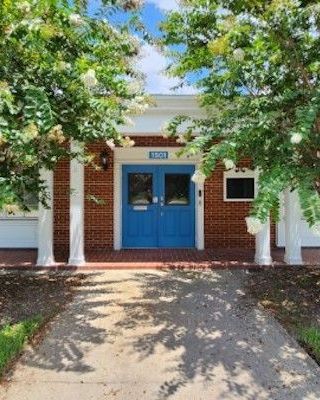
Support Groups in 32803
We provide mental health counseling, consulting and training. We have bilingual therapists who provide counseling in Creole and Spanish.

We provide mental health counseling, consulting and training. We have bilingual therapists who provide counseling in Creole and Spanish.
Interactive, fun psychoeducational group. Learn coping skilks to better handle stress. Also effective for depression and anxiety. 8 weeks. Group starts every 3 months. In-person or virtual available.

Interactive, fun psychoeducational group. Learn coping skilks to better handle stress. Also effective for depression and anxiety. 8 weeks. Group starts every 3 months. In-person or virtual available.
Coping with Divorce is an educational program designed for separating and divorcing parents. The workshop is designed to be presented in a four-hour session and is approved by the State of Florida Department of of Children and Families.

Coping with Divorce is an educational program designed for separating and divorcing parents. The workshop is designed to be presented in a four-hour session and is approved by the State of Florida Department of of Children and Families.
Our Emotion Regulation Group teaches kids how to better understand the brain-body connection behind their feelings — and gives them tools to navigate emotions with confidence. Group starts Monday, June 9th and lasts for 8 weeks.

Our Emotion Regulation Group teaches kids how to better understand the brain-body connection behind their feelings — and gives them tools to navigate emotions with confidence. Group starts Monday, June 9th and lasts for 8 weeks.
This group is for middle schoolers (ages 11–14) who struggle with social interactions, anxiety, or making and keeping friends. In a supportive and fun environment, we help kids develop key skills like communication, emotional regulation, conflict resolution, and empathy. Through games, role-plays, and guided discussion, participants learn how to navigate social situations with more ease and confidence. Led by experienced clinicians, this group offers a safe space to grow socially and emotionally.

Hosted by Orlando Counseling and Behavioral Services, LLC
Licensed Mental Health Counselor, MA, LMHC
Group meets in Orlando, FL 32803
This group is for middle schoolers (ages 11–14) who struggle with social interactions, anxiety, or making and keeping friends. In a supportive and fun environment, we help kids develop key skills like communication, emotional regulation, conflict resolution, and empathy. Through games, role-plays, and guided discussion, participants learn how to navigate social situations with more ease and confidence. Led by experienced clinicians, this group offers a safe space to grow socially and emotionally.
Women’s Infidelity Recovery Group Infidelity recovery can feel isolating and full of secrecy. This 10-week, in-person group offers a safe space for women to process betrayal, rebuild trust, and reconnect with themselves. Through guided support and shared experience, you’ll learn to release shame, regain confidence, and begin healing in community. Applicants must complete a brief screening call before joining. If you’re ready to stop carrying this alone, I invite you to reach out and begin your recovery journey today.

Hosted by Orlando Couples Therapy
Marriage & Family Therapist, MA, LMFT
Group meets in Orlando, FL 32803
Women’s Infidelity Recovery Group Infidelity recovery can feel isolating and full of secrecy. This 10-week, in-person group offers a safe space for women to process betrayal, rebuild trust, and reconnect with themselves. Through guided support and shared experience, you’ll learn to release shame, regain confidence, and begin healing in community. Applicants must complete a brief screening call before joining. If you’re ready to stop carrying this alone, I invite you to reach out and begin your recovery journey today.
A supportive and affirming therapy practice for adults, teens, and couples who want to better understand themselves, manage anxiety or ADHD, and build self-worth without shame. This group offers a space to reflect, learn practical skills, and connect with others who value growth, authenticity, and emotional well-being.

A supportive and affirming therapy practice for adults, teens, and couples who want to better understand themselves, manage anxiety or ADHD, and build self-worth without shame. This group offers a space to reflect, learn practical skills, and connect with others who value growth, authenticity, and emotional well-being.
CBT skills group for girls ages 14-17. This self-esteem group will help you develop a positive sense of self-worth and develop confidence in your abilities. You can also expect to strengthen relationship skills, find your voice, and develop communication strategies to verbalize your needs. From this group you will be able to apply steps that can be taken to improve your self-image! You can expect to gain skills and strategies to help improve your overall opinion of yourself and help to uplift those around you. This group will meet VIRTUALLY!

Hosted by Stephanie Paugh
Licensed Mental Health Counselor, MA, LMHC
Group meets in Orlando, FL 32803
CBT skills group for girls ages 14-17. This self-esteem group will help you develop a positive sense of self-worth and develop confidence in your abilities. You can also expect to strengthen relationship skills, find your voice, and develop communication strategies to verbalize your needs. From this group you will be able to apply steps that can be taken to improve your self-image! You can expect to gain skills and strategies to help improve your overall opinion of yourself and help to uplift those around you. This group will meet VIRTUALLY!
Looking to explore your personal story in a deeper, more creative way? Join us for an expressive arts workshop designed to complement the personal work you’re already doing in counseling. Through sand tray therapy and other expressive arts techniques, you’ll gain new insights and perspectives. This guided experience includes hands-on activities and group reflection in a supportive environment. No prior art experience is necessary—all materials will be provided. Workshop will be offered on June 14, 2025.

Looking to explore your personal story in a deeper, more creative way? Join us for an expressive arts workshop designed to complement the personal work you’re already doing in counseling. Through sand tray therapy and other expressive arts techniques, you’ll gain new insights and perspectives. This guided experience includes hands-on activities and group reflection in a supportive environment. No prior art experience is necessary—all materials will be provided. Workshop will be offered on June 14, 2025.
Learn practical mindfulness, emotional regulation, distress, tolerance, and interpersonal effectiveness skills. Follows Marsha Linnehan's comprehensive model, including weekly skills class, weekly individual DBT therapy, and access to phone coaching. 6 month commitment with option to re-commit to another 6 month round (research recommends 1 year commitment for maximum effectiveness). Ongoing with new members entering every 3 months during mindfulness/orientation modules. In-person and virtual options available.

Learn practical mindfulness, emotional regulation, distress, tolerance, and interpersonal effectiveness skills. Follows Marsha Linnehan's comprehensive model, including weekly skills class, weekly individual DBT therapy, and access to phone coaching. 6 month commitment with option to re-commit to another 6 month round (research recommends 1 year commitment for maximum effectiveness). Ongoing with new members entering every 3 months during mindfulness/orientation modules. In-person and virtual options available.
This group is composed of teens who are interested in developing expertise in relational and communication skills. The ongoing objective is to develop and maintain healthy relationships. Developing expertise in relational and communication skills will also decrease the likelihood of depression during adolescence and reduce anxiety. The group leader, Dr. Cheryl Burke is a national relationship consultant and author of numerous articles concerning relationship issues. For information on future groups please see her website at www.holisticwellnessconsultingllc.com

This group is composed of teens who are interested in developing expertise in relational and communication skills. The ongoing objective is to develop and maintain healthy relationships. Developing expertise in relational and communication skills will also decrease the likelihood of depression during adolescence and reduce anxiety. The group leader, Dr. Cheryl Burke is a national relationship consultant and author of numerous articles concerning relationship issues. For information on future groups please see her website at www.holisticwellnessconsultingllc.com
By appointment only. Trauma-Focused Hypnotherapy (T-FH) was built out of the methods and ideas of Milton Erickson . He believed that clients or patients have all the tools they need for their development within themselves. T-FH can be beneficial for, but are not limited to Addiction, ADD/ADHD, Anxiety and Panic Disorders, Phobias, Post-Traumatic Stress Disorder (PTSD), and Sleeping Disorders.

By appointment only. Trauma-Focused Hypnotherapy (T-FH) was built out of the methods and ideas of Milton Erickson . He believed that clients or patients have all the tools they need for their development within themselves. T-FH can be beneficial for, but are not limited to Addiction, ADD/ADHD, Anxiety and Panic Disorders, Phobias, Post-Traumatic Stress Disorder (PTSD), and Sleeping Disorders.
ChangePoint Wellness is staffed by licensed psychologists with over 15 years of experience. Our team specializes in evidence-based treatments and works with patients struggling with depression, anxiety, trauma, relationship issues, life transitions, and chronic pain. We utilize evidence-based psychotherapy, which are proven therapies that follow a general structure while also allowing for tailoring to each individual's needs and preferences. In other words, we use the evidence as a guide and customize it to help you reach your personal goals. Our ultimate goal is about empowering you to make positive changes towards a brighter future.

ChangePoint Wellness is staffed by licensed psychologists with over 15 years of experience. Our team specializes in evidence-based treatments and works with patients struggling with depression, anxiety, trauma, relationship issues, life transitions, and chronic pain. We utilize evidence-based psychotherapy, which are proven therapies that follow a general structure while also allowing for tailoring to each individual's needs and preferences. In other words, we use the evidence as a guide and customize it to help you reach your personal goals. Our ultimate goal is about empowering you to make positive changes towards a brighter future.
Coming soon to Lake Nona is Authentic Circling group! These are big in California and I'm excited to be bringing this rich experience to the east coast. If this is of interest to you, please let me know days and times that would work for you.

Coming soon to Lake Nona is Authentic Circling group! These are big in California and I'm excited to be bringing this rich experience to the east coast. If this is of interest to you, please let me know days and times that would work for you.
HAPPYthink is an 11 week, live, online course that helps clients build sustained happiness and a greater sense of well-being. The HAPPYthink model is based on theory and researched strategies and interventions from the fields of Cognitive Behavior Therapy and Positive Psychology. Rather than a focus on treating symptoms, HAPPYthink helps clients develop the cognitive, emotional and behavioral tools to live a more pleasant, well-lived life. Enrollment is open for our July 2022 series. Call to learn more!

HAPPYthink is an 11 week, live, online course that helps clients build sustained happiness and a greater sense of well-being. The HAPPYthink model is based on theory and researched strategies and interventions from the fields of Cognitive Behavior Therapy and Positive Psychology. Rather than a focus on treating symptoms, HAPPYthink helps clients develop the cognitive, emotional and behavioral tools to live a more pleasant, well-lived life. Enrollment is open for our July 2022 series. Call to learn more!
Starting this summer. Email or call me for more information.

Starting this summer. Email or call me for more information.
A space to breathe, reflect, and figure out what truly lights you up. This group is all about helping you ground yourself, get curious about what makes you tick, and ignite that fire inside you. No pressure. No judgment. Just a group of like-minded people coming together to create the change we’re ready for. By the end of it, you’ll have more clarity, more confidence, and more alignment with your heart and soul. If you’ve been longing for a supportive space to really dive in and grow, I’d love for you to join us.

Hosted by Amarilis Garcia - Amados Counseling & Comm Ctr
Counselor, MA, LMHC, QCS
Group meets in Orlando, FL 32803
A space to breathe, reflect, and figure out what truly lights you up. This group is all about helping you ground yourself, get curious about what makes you tick, and ignite that fire inside you. No pressure. No judgment. Just a group of like-minded people coming together to create the change we’re ready for. By the end of it, you’ll have more clarity, more confidence, and more alignment with your heart and soul. If you’ve been longing for a supportive space to really dive in and grow, I’d love for you to join us.
DBT skills group/ Borderline support group facilitated by therapist who is specialized in Dialectical Behavioral Therapy and Borderline Personality Disorder. Focus is the use of DBT skills and providing support for each other. Group is an adult group but also suitable for mature 17 year olds. This group meets VIRTUALLY ONLY (ZOOM). Intake Session is required.

DBT skills group/ Borderline support group facilitated by therapist who is specialized in Dialectical Behavioral Therapy and Borderline Personality Disorder. Focus is the use of DBT skills and providing support for each other. Group is an adult group but also suitable for mature 17 year olds. This group meets VIRTUALLY ONLY (ZOOM). Intake Session is required.
Starting this summer. Email me or call me for more information

Starting this summer. Email me or call me for more information

See more therapy options for 32803
FAQs - About Group Therapy and Support Groups
How can I find a support group in 32803?
To find a support group in your area, start by entering your city, zip code, or the name of the group into the search bar at the top of the page. When searching, consider whether you prefer an in-person or virtual group. This can help you decide how broad your geographic search should be. If you are open to virtual groups, you might want to search by state instead of just your city, especially if there are limited options nearby.
Once you complete your search, you can use the filters to narrow the results by selecting specialties (such as grief, trauma, or eating disorders), therapeutic approaches, age groups, and other criteria to find a group that best fits your needs.
How does group therapy work?
Group therapy is led by one or more trained therapists and provides a space where participants can process their experiences and learn from others facing similar challenges. Groups may focus on a specific issue—such as addiction, grief, physical illnesses, parenting, or caregiving—or they may center around a particular therapeutic approach, such as Cognitive Behavioral Therapy (CBT), social skill development, or Exposure Therapy. Some groups are also designed for specific populations, such as teens, veterans, or LGBTQ+ individuals.
It’s also important to distinguish group therapy from peer-led support groups, like Alcoholics Anonymous. While both can offer valuable support, therapy groups are typically led by licensed professionals and follow a more structured format. Therapy groups often meet for a fixed length of time with a consistent group of members, while many peer support groups meet for an indefinite period of time with members coming and going.
What are the benefits of group therapy?
Group therapy offers several important benefits. It brings together people facing similar challenges—whether related to mental health, physical health, or life transitions—and creates a supportive environment where participants can exchange feedback, share experiences, and learn from one another. Hearing different perspectives can help individuals discover new coping strategies and practical tools they may not have encountered on their own. Sharing personal experiences, such as coping with a serious illness or navigating family struggles, can also reduce feelings of isolation and foster a sense of connection and understanding. In addition to emotional support, group members often gain useful, real-world advice from peers who have faced similar situations.
Group therapy is typically more affordable than individual therapy and, for certain conditions, can be equally effective. Many groups also include structured activities—such as guided journaling, cognitive-behavioral exercises, or role-playing—to help participants develop concrete skills they can apply in daily life.
Is group therapy as effective as individual therapy?
It is difficult to make a blanket statement about the effectiveness of support groups, as they vary widely in focus and the conditions they address. However, support groups can be highly valuable in helping individuals gain emotional support and achieve meaningful treatment outcomes. For certain conditions, such as substance use, research has shown that group therapy can be particularly effective—sometimes just as effective as individual therapy—in supporting long-term recovery.
Many professionals attribute the effectiveness of group therapy to the unique benefits of the group setting, which fosters peer-to-peer learning and a sense of connection through shared experiences. Group settings also offer accountability and encouragement from both facilitators and fellow participants, which helps sustain motivation and supports continued progress. These factors together play a key role in promoting the overall effectiveness of group therapy.
How much does group therapy cost?
Group therapy is typically less expensive than individual therapy, with sessions typically costing between $50 and $75 each. In comparison, individual therapy can cost anywhere from $100 to $200 or more per session, even with insurance. Some therapists or organizations offer low-cost or free group therapy options, particularly through community centers or nonprofit organizations. In some cases, groups may require payment upfront for a set number of sessions, such as paying for six weekly sessions at the first meeting. However, many providers offer payment plans to help make participation more accessible if this upfront payment is required.
Does insurance cover group therapy?
As with individual therapy, insurance coverage for group therapy varies based on factors such as your specific insurance plan, the purpose of the group, your diagnosis, and whether the group provider is in-network. Many insurance plans cover group therapy sessions that address diagnosable mental health conditions, such as substance use disorders, anxiety, or depression.
However, groups that focus on topics not directly tied to a mental health diagnosis—such as parenting support or divorce recovery—are less likely to be covered. Because coverage can vary widely, it’s important to check with your insurance provider before joining a group to confirm whether the sessions will be covered and what out-of-pocket costs you may be responsible for.
How long does group therapy last?
The length of each group therapy session typically ranges from 45 minutes to two hours, depending on the therapy approach, the group’s goals, and how often the group meets. In some cases, group therapy is part of a larger treatment program, such as an Intensive Outpatient Program (IOP), where group sessions complement individual therapy and are scheduled as part of the program’s overall structure.
The duration of participation in a group also varies. Some groups are designed to be short-term, lasting anywhere from 6 to 24 weeks—for example, bereavement groups or skills-based groups like those using Dialectical Behavioral Therapy (DBT). Other groups may be longer-term, lasting a year or more, and some ongoing support groups meet indefinitely, allowing participants to stay as long as they find the group helpful.
What are the limitations of support groups?
Support groups offer many benefits, but they also have certain limitations. Unlike therapy groups, many support groups do not provide formal therapeutic treatment and are not led by licensed mental health professionals. For individuals seeking clinical treatment for specific mental health diagnoses—such as depression, eating disorders, or substance use—individual therapy or group therapy led by a licensed professional may offer more personalized and specialized care.
The effectiveness of a support group also depends heavily on the group’s participants and the overall group dynamic. When members engage respectfully and offer constructive support, the group can foster valuable peer-to-peer learning. However, if certain participants dominate discussions, provide inaccurate advice, or create conflict, it can disrupt the group’s sense of safety and reduce its effectiveness. Confidentiality can also be harder to maintain in support groups, particularly in open groups where participants can join or leave at any time. With new members regularly entering the group, it can be more difficult to build and sustain a consistent sense of trust and privacy.