Support Groups in 30092
Do you need support navigating a narcissistic relationship? Maybe it's a partner, ex, parent or family member. You may feel confused, exhausted or unsure whether to stay, leave, or set better boundaries. Stronger Together is a weekly virtual support group led by Bridgette Morris — a narcissistic abuse recovery expert with 18 years experience and 30,000 people helped. Every Tuesday night we help you understand the pattern, calm your reactions, build self-trust, and get clear on your next step. You don't have to do this alone. Virtual | Tuesday nights 7:00–8:00 PM | $45 per session.

Do you need support navigating a narcissistic relationship? Maybe it's a partner, ex, parent or family member. You may feel confused, exhausted or unsure whether to stay, leave, or set better boundaries. Stronger Together is a weekly virtual support group led by Bridgette Morris — a narcissistic abuse recovery expert with 18 years experience and 30,000 people helped. Every Tuesday night we help you understand the pattern, calm your reactions, build self-trust, and get clear on your next step. You don't have to do this alone. Virtual | Tuesday nights 7:00–8:00 PM | $45 per session.
Balancing your business and family life is tough. You are not alone. Come and meet other Latina entrepreneurs who believe this path can be shared, find the support you need to face challenges, and learn new skills to take you to the next level. Contact me by e-mail.

Hosted by Dr. Heidy Guzman
Licensed Professional Counselor, PhD, LPC
Group meets in Norcross, GA 30092
Balancing your business and family life is tough. You are not alone. Come and meet other Latina entrepreneurs who believe this path can be shared, find the support you need to face challenges, and learn new skills to take you to the next level. Contact me by e-mail.
Adults (18+) who play video games and are seeking support in managing their mental health, improving life balance, and fostering healthy habits this is the group for YOU. Our mission is to provide a virtual supportive community where adults can explore the relationship between video gaming and mental well-being, develop strategies for healthy life balance, and build resilience through shared experiences and practical skills. This group is neurodivergent friendly and open to all genders and sexes.

Adults (18+) who play video games and are seeking support in managing their mental health, improving life balance, and fostering healthy habits this is the group for YOU. Our mission is to provide a virtual supportive community where adults can explore the relationship between video gaming and mental well-being, develop strategies for healthy life balance, and build resilience through shared experiences and practical skills. This group is neurodivergent friendly and open to all genders and sexes.
I lead this Virtual Adolescent Women’s Wellness Group to create a supportive space where teen girls and young women can connect, share, and grow together. Using Plutonic’s immersive virtual therapy spaces, I guide participants through conversations and practical tools to manage stress, build confidence, and navigate friendships, relationships, and life transitions. My goal is to help members develop resilience, strengthen communication, and form meaningful peer connections in an engaging, comfortable environment. This group is ideal for teens and young adults experiencing anxiety, social challenges, school pressure, or looking for encouragement and community.

I lead this Virtual Adolescent Women’s Wellness Group to create a supportive space where teen girls and young women can connect, share, and grow together. Using Plutonic’s immersive virtual therapy spaces, I guide participants through conversations and practical tools to manage stress, build confidence, and navigate friendships, relationships, and life transitions. My goal is to help members develop resilience, strengthen communication, and form meaningful peer connections in an engaging, comfortable environment. This group is ideal for teens and young adults experiencing anxiety, social challenges, school pressure, or looking for encouragement and community.
Is your child struggling with big emotions, worry, anger, or shutting down? Our Emotion in Motion group teaches coping skills in a fun, supportive way. Limited spots available!
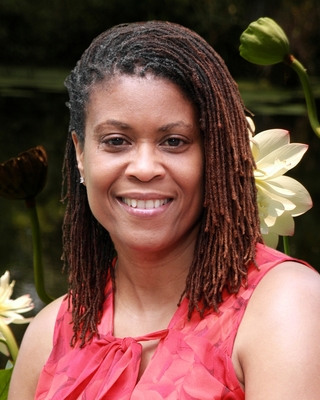
Hosted by A Place to Grow Counseling & Consulting Services
Licensed Professional Counselor, LPC, CPCS, RPT-S, CAMS
Group meets in Peachtree Corners, GA 30092
Is your child struggling with big emotions, worry, anger, or shutting down? Our Emotion in Motion group teaches coping skills in a fun, supportive way. Limited spots available!
Oasis is a place where individuals and families can grow and thrive. We equip you with the resources you need to succeed in life and relationships. There is a heart of compassion and hope waiting for you at Oasis.

Hosted by Letisha Erb
Clinical Social Work/Therapist, LCSW, CATP
Group meets in Peachtree Corners, GA 30092
Oasis is a place where individuals and families can grow and thrive. We equip you with the resources you need to succeed in life and relationships. There is a heart of compassion and hope waiting for you at Oasis.
These are DBT groups that are based around the 4 modules of DBT. In these groups you will learn how to regulate emotions, tolerate distressing events, learn mindfulness skills and interpersonal effectiveness skills.

Hosted by Ann Guzman
Licensed Professional Counselor, LPC, MEd
Group meets in Peachtree Corners, GA 30092
These are DBT groups that are based around the 4 modules of DBT. In these groups you will learn how to regulate emotions, tolerate distressing events, learn mindfulness skills and interpersonal effectiveness skills.
This teen boys support group, led by Cooper Morgan, provides a safe and engaging space for adolescents to connect, share experiences, and build practical coping skills. Participants work on managing anxiety, stress, school pressure, friendships, and confidence while learning tools from CBT and DBT in an interactive format. Sessions take place within Plutonic’s immersive virtual therapy spaces, creating a comfortable environment that encourages openness and connection. Ideal for teen boys who may struggle to express emotions, want peer support, or are looking to strengthen resilience and communication skills. ???

This teen boys support group, led by Cooper Morgan, provides a safe and engaging space for adolescents to connect, share experiences, and build practical coping skills. Participants work on managing anxiety, stress, school pressure, friendships, and confidence while learning tools from CBT and DBT in an interactive format. Sessions take place within Plutonic’s immersive virtual therapy spaces, creating a comfortable environment that encourages openness and connection. Ideal for teen boys who may struggle to express emotions, want peer support, or are looking to strengthen resilience and communication skills. ???
We offer Skills Classes & Graduate Skills Classes for those who have completed a full course in DBT and RO-DBT Skills. Classes are geared towards each age group & type, and also subspecialized individually for specific disorders with protocol approved individual methods, including for: eating disorder, alcohol abuse/misuse, drug abuse/misuse, addictions, personality disorders, depression, & anxiety….Inquire about your specific needs.

Hosted by Minal Shah at Atlanta DBT Center
Licensed Professional Counselor, MRC, NCC, LPC
Group meets in Peachtree Corners, GA 30092
We offer Skills Classes & Graduate Skills Classes for those who have completed a full course in DBT and RO-DBT Skills. Classes are geared towards each age group & type, and also subspecialized individually for specific disorders with protocol approved individual methods, including for: eating disorder, alcohol abuse/misuse, drug abuse/misuse, addictions, personality disorders, depression, & anxiety….Inquire about your specific needs.
I lead this Virtual Adolescent Women’s Wellness Group to create a supportive space where teen girls and young women can connect, share, and grow together. Using Plutonic’s immersive virtual therapy spaces, I guide participants through conversations and practical tools to manage stress, build confidence, and navigate friendships, relationships, and life transitions. My goal is to help members develop resilience, strengthen communication, and form meaningful peer connections in an engaging, comfortable environment. This group is ideal for teens and young adults experiencing anxiety, social challenges, school pressure, or looking for encouragement and community.

I lead this Virtual Adolescent Women’s Wellness Group to create a supportive space where teen girls and young women can connect, share, and grow together. Using Plutonic’s immersive virtual therapy spaces, I guide participants through conversations and practical tools to manage stress, build confidence, and navigate friendships, relationships, and life transitions. My goal is to help members develop resilience, strengthen communication, and form meaningful peer connections in an engaging, comfortable environment. This group is ideal for teens and young adults experiencing anxiety, social challenges, school pressure, or looking for encouragement and community.
This group is for women (18+) and focuses on education, support, and empowerment. The group will be small (4-8 women) and meet on Saturday mornings for 8 weeks. Each participant will need to commit to attending regularly. An intake session is required to ensure it is a good fit for each woman. The rate is $75 per group session (and I am also in-network with Optum/United Healthcare insurance). The next group is tentatively scheduled to begin in January 2027. Call or email today to register!
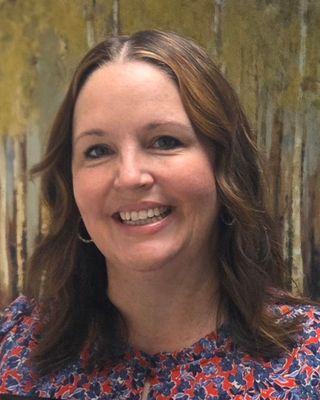
This group is for women (18+) and focuses on education, support, and empowerment. The group will be small (4-8 women) and meet on Saturday mornings for 8 weeks. Each participant will need to commit to attending regularly. An intake session is required to ensure it is a good fit for each woman. The rate is $75 per group session (and I am also in-network with Optum/United Healthcare insurance). The next group is tentatively scheduled to begin in January 2027. Call or email today to register!
Our Grief Community Group at Kula Wellness Group is designed for those currently moving through the grieving process. This group will provide a safe and supportive environment for participants to process their grief, build resilience and acceptance, and learn evidence-based tools to support their quality of life even during this difficult time. This group is held ONLINE via Zoom! (Join from the comfort of your own home!) Learn more and apply at https://tinyurl.com/griefgroupconsult

Hosted by Kelly Pierce
Licensed Professional Counselor, MA, LPC, NCC
Group meets in Peachtree Corners, GA 30092
Our Grief Community Group at Kula Wellness Group is designed for those currently moving through the grieving process. This group will provide a safe and supportive environment for participants to process their grief, build resilience and acceptance, and learn evidence-based tools to support their quality of life even during this difficult time. This group is held ONLINE via Zoom! (Join from the comfort of your own home!) Learn more and apply at https://tinyurl.com/griefgroupconsult
Mentalization is a psychological concept that describes the ability to understand the mental state of self and others which as the basis of overt behavior. Mentalization can be seen as a form of active mental activity, which allows us to perceive and interpret human behaviour in terms of intentional mental states (e.g. needs, desires, feelings, beliefs, goals, purposes, and reasons). This Group Builds on skills learned in DBT, and involves coursework specifically designed for MBT.
Hosted by Minal Shah at Atlanta DBT Center
Licensed Professional Counselor, MRC, NCC, LPC
Group meets in Peachtree Corners, GA 30092
Mentalization is a psychological concept that describes the ability to understand the mental state of self and others which as the basis of overt behavior. Mentalization can be seen as a form of active mental activity, which allows us to perceive and interpret human behaviour in terms of intentional mental states (e.g. needs, desires, feelings, beliefs, goals, purposes, and reasons). This Group Builds on skills learned in DBT, and involves coursework specifically designed for MBT.
Couples will: Improve Communication, Enhance Intimacy, Address Expectations

Couples will: Improve Communication, Enhance Intimacy, Address Expectations
Our Chronic Illness Community Group at Kula Wellness Group is designed for adults navigating the physical, emotional, and social impacts of chronic illness who are ready to connect with others and explore strategies for managing their journey with greater ease and hope. This group will provide a safe and supportive environment for participants to process their experiences, build resilience, and learn evidence-based tools to improve their quality of life. This group is held ONLINE via Zoom! (Join from the comfort of your own home!) Learn more and apply at https://tinyurl.com/chronicillnessgroup

Our Chronic Illness Community Group at Kula Wellness Group is designed for adults navigating the physical, emotional, and social impacts of chronic illness who are ready to connect with others and explore strategies for managing their journey with greater ease and hope. This group will provide a safe and supportive environment for participants to process their experiences, build resilience, and learn evidence-based tools to improve their quality of life. This group is held ONLINE via Zoom! (Join from the comfort of your own home!) Learn more and apply at https://tinyurl.com/chronicillnessgroup
Think about joining the fabulous course with workbook for women of divorce, alienation of children, separation or in difficult relationships. Helping and healing with grief and self-esteem issues. Beginning Feb. 4th!

Hosted by Christine Cantilena Barnes
Licensed Professional Counselor, MS/NCC, LPC, EMDR/FL, GA MD
Group meets in Norcross, GA 30092
Think about joining the fabulous course with workbook for women of divorce, alienation of children, separation or in difficult relationships. Helping and healing with grief and self-esteem issues. Beginning Feb. 4th!
More Groups Nearby
Our social skills groups are for children ages 5-12 and aim to teach children social skills through play-based activities. Turn-taking, sharing, waiting, listening, making friends, social interactions, communicating, and learning about emotions. Groups will be 1-hour sessions on a weekly basis for 6 weeks and are led by an Occupational Therapist.

Hosted by Specialized Therapy Solutions, LLC
Occupational Therapist, OTR/L
Group meets in Marietta, GA 30067
Our social skills groups are for children ages 5-12 and aim to teach children social skills through play-based activities. Turn-taking, sharing, waiting, listening, making friends, social interactions, communicating, and learning about emotions. Groups will be 1-hour sessions on a weekly basis for 6 weeks and are led by an Occupational Therapist.
Currently offering beginners and Advanced Meditation Practices only with individuals or 2 people limit. My training was with Dr Deepak Chopra, Dr David Simon, Davidji all were educators at the Chopra Institute in Carlsbad California . I studied at the center for 9 years. I am a Chopra Certified PMS Instructor . Over 2,00 instructors..Benefits of meditation practice: lowers blood pressure, lowers cortisol , strengthens immune systems.system,

Hosted by Nancy Foster Penn
Clinical Social Work/Therapist, LCSW, NBCCH, CCPSMI, IMAGO, CDBT
Group meets in Tucker, GA 30084
Currently offering beginners and Advanced Meditation Practices only with individuals or 2 people limit. My training was with Dr Deepak Chopra, Dr David Simon, Davidji all were educators at the Chopra Institute in Carlsbad California . I studied at the center for 9 years. I am a Chopra Certified PMS Instructor . Over 2,00 instructors..Benefits of meditation practice: lowers blood pressure, lowers cortisol , strengthens immune systems.system,
We are currently enrolling clients for the adults' and children's self-esteem groups through self-pay options. This group is designed to foster self-esteem and character development while exploring and modifying negative thought patterns along the way.

Hosted by Counseling Services United, LLC
Licensed Professional Counselor, MEd, LPC, CPCS, MAC
Group meets in Lawrenceville, GA 30046
We are currently enrolling clients for the adults' and children's self-esteem groups through self-pay options. This group is designed to foster self-esteem and character development while exploring and modifying negative thought patterns along the way.
Our class objective is to help people understand, prevent, and respond to drug and alcohol use in a safe and informed way. We equip individuals with knowledge, skills, and resources to make safer choices and support themselves or others if problems arise.The goal of a substance use class is to create safer, healthier behavior by combining knowledge, awareness, and practical skills. This class is offered nationwide and also in Spanish when requested.

Hosted by Relationship and Trauma Therapy
Licensed Professional Counselor, MS, LPC, CPCS
Group meets in Marietta, GA 30064
Our class objective is to help people understand, prevent, and respond to drug and alcohol use in a safe and informed way. We equip individuals with knowledge, skills, and resources to make safer choices and support themselves or others if problems arise.The goal of a substance use class is to create safer, healthier behavior by combining knowledge, awareness, and practical skills. This class is offered nationwide and also in Spanish when requested.
See more therapy options for 30092


FAQs - About Group Therapy and Support Groups
How can I find a support group in 30092?
To find a support group in your area, start by entering your city, zip code, or the name of the group into the search bar at the top of the page. When searching, consider whether you prefer an in-person or virtual group. This can help you decide how broad your geographic search should be. If you are open to virtual groups, you might want to search by state instead of just your city, especially if there are limited options nearby.
Once you complete your search, you can use the filters to narrow the results by selecting specialties (such as grief, trauma, or eating disorders), therapeutic approaches, age groups, and other criteria to find a group that best fits your needs.
How does group therapy work?
Group therapy is led by one or more trained therapists and provides a space where participants can process their experiences and learn from others facing similar challenges. Groups may focus on a specific issue—such as addiction, grief, physical illnesses, parenting, or caregiving—or they may center around a particular therapeutic approach, such as Cognitive Behavioral Therapy (CBT), social skill development, or Exposure Therapy. Some groups are also designed for specific populations, such as teens, veterans, or LGBTQ+ individuals.
It’s also important to distinguish group therapy from peer-led support groups, like Alcoholics Anonymous. While both can offer valuable support, therapy groups are typically led by licensed professionals and follow a more structured format. Therapy groups often meet for a fixed length of time with a consistent group of members, while many peer support groups meet for an indefinite period of time with members coming and going.
What are the benefits of group therapy?
Group therapy offers several important benefits. It brings together people facing similar challenges—whether related to mental health, physical health, or life transitions—and creates a supportive environment where participants can exchange feedback, share experiences, and learn from one another. Hearing different perspectives can help individuals discover new coping strategies and practical tools they may not have encountered on their own. Sharing personal experiences, such as coping with a serious illness or navigating family struggles, can also reduce feelings of isolation and foster a sense of connection and understanding. In addition to emotional support, group members often gain useful, real-world advice from peers who have faced similar situations.
Group therapy is typically more affordable than individual therapy and, for certain conditions, can be equally effective. Many groups also include structured activities—such as guided journaling, cognitive-behavioral exercises, or role-playing—to help participants develop concrete skills they can apply in daily life.
Is group therapy as effective as individual therapy?
It is difficult to make a blanket statement about the effectiveness of support groups, as they vary widely in focus and the conditions they address. However, support groups can be highly valuable in helping individuals gain emotional support and achieve meaningful treatment outcomes. For certain conditions, such as substance use, research has shown that group therapy can be particularly effective—sometimes just as effective as individual therapy—in supporting long-term recovery.
Many professionals attribute the effectiveness of group therapy to the unique benefits of the group setting, which fosters peer-to-peer learning and a sense of connection through shared experiences. Group settings also offer accountability and encouragement from both facilitators and fellow participants, which helps sustain motivation and supports continued progress. These factors together play a key role in promoting the overall effectiveness of group therapy.
How much does group therapy cost?
Group therapy is typically less expensive than individual therapy, with sessions typically costing between $50 and $75 each. In comparison, individual therapy can cost anywhere from $100 to $200 or more per session, even with insurance. Some therapists or organizations offer low-cost or free group therapy options, particularly through community centers or nonprofit organizations. In some cases, groups may require payment upfront for a set number of sessions, such as paying for six weekly sessions at the first meeting. However, many providers offer payment plans to help make participation more accessible if this upfront payment is required.
Does insurance cover group therapy?
As with individual therapy, insurance coverage for group therapy varies based on factors such as your specific insurance plan, the purpose of the group, your diagnosis, and whether the group provider is in-network. Many insurance plans cover group therapy sessions that address diagnosable mental health conditions, such as substance use disorders, anxiety, or depression.
However, groups that focus on topics not directly tied to a mental health diagnosis—such as parenting support or divorce recovery—are less likely to be covered. Because coverage can vary widely, it’s important to check with your insurance provider before joining a group to confirm whether the sessions will be covered and what out-of-pocket costs you may be responsible for.
How long does group therapy last?
The length of each group therapy session typically ranges from 45 minutes to two hours, depending on the therapy approach, the group’s goals, and how often the group meets. In some cases, group therapy is part of a larger treatment program, such as an Intensive Outpatient Program (IOP), where group sessions complement individual therapy and are scheduled as part of the program’s overall structure.
The duration of participation in a group also varies. Some groups are designed to be short-term, lasting anywhere from 6 to 24 weeks—for example, bereavement groups or skills-based groups like those using Dialectical Behavioral Therapy (DBT). Other groups may be longer-term, lasting a year or more, and some ongoing support groups meet indefinitely, allowing participants to stay as long as they find the group helpful.
What are the limitations of support groups?
Support groups offer many benefits, but they also have certain limitations. Unlike therapy groups, many support groups do not provide formal therapeutic treatment and are not led by licensed mental health professionals. For individuals seeking clinical treatment for specific mental health diagnoses—such as depression, eating disorders, or substance use—individual therapy or group therapy led by a licensed professional may offer more personalized and specialized care.
The effectiveness of a support group also depends heavily on the group’s participants and the overall group dynamic. When members engage respectfully and offer constructive support, the group can foster valuable peer-to-peer learning. However, if certain participants dominate discussions, provide inaccurate advice, or create conflict, it can disrupt the group’s sense of safety and reduce its effectiveness. Confidentiality can also be harder to maintain in support groups, particularly in open groups where participants can join or leave at any time. With new members regularly entering the group, it can be more difficult to build and sustain a consistent sense of trust and privacy.