***SAP Evaluations 800-451-2170 Here to help you get back to work. www.sapevaluations.com

Hosted by Anger Management Evaluations
Drug & Alcohol Counselor, CADC-II, CEAP, SAP
Verified Verified
Group meets in Augusta, GA 30909
***SAP Evaluations 800-451-2170 Here to help you get back to work. www.sapevaluations.com
Ecumenical Clergy Consultation Groups.

Hosted by Deborah Silver
Pastoral Counselor, DMin, Fellow, AAPC
Verified Verified
Group meets in Alpharetta, GA 30009
Ecumenical Clergy Consultation Groups.
A general support group for women 40 and older dealing with such issues as relationships, communication, assertiveness skils, social relationships and connectedness, career issues, parenting skills, divorce, depression and anxiety issues.This group provides a unique opportunity for growth in a ...

Hosted by Carol A Difabio
Licensed Professional Counselor, MS, LPC, CPCS
Verified Verified
Group meets in Alpharetta, GA 30009
A general support group for women 40 and older dealing with such issues as relationships, communication, assertiveness skils, social relationships and connectedness, career issues, parenting skills, divorce, depression and anxiety issues.This group provides a unique opportunity for growth in a ...
For Varied Types of populations per risk- Women's Reproductive Health Group, Parenting /Family Unit Group, Adolescent Male or Female Group, 17 to 24 Age Group, Skill Building Group, Disabled Group, Senior Group, Substance Use Group, Foster Parent/Children Group
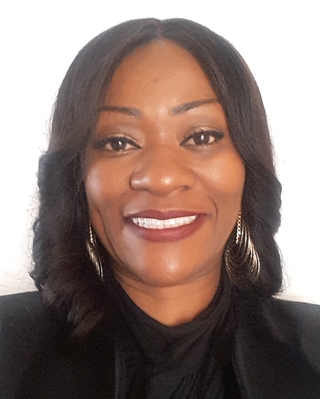
Hosted by populations and interventions team company (PITC)
Clinical Social Work/Therapist, DBH, MPH, LMSW, CADCIII, CCM
Verified Verified
Group meets in Douglasville, GA 30135
For Varied Types of populations per risk- Women's Reproductive Health Group, Parenting /Family Unit Group, Adolescent Male or Female Group, 17 to 24 Age Group, Skill Building Group, Disabled Group, Senior Group, Substance Use Group, Foster Parent/Children Group
A virtual group designed for women that focuses on building a positive relationship with oneself, cultivating self-compassion, and accepting oneself fully; provides a supportive environment for exploring one's inner thoughts, feelings, and beliefs about self-worth and self-acceptance; emphasizes practices such ...

Hosted by Christal L. Brown
Licensed Professional Counselor, MA, LPC
Verified Verified
Group meets in Sandy Springs, GA 30350
A virtual group designed for women that focuses on building a positive relationship with oneself, cultivating self-compassion, and accepting oneself fully; provides a supportive environment for exploring one's inner thoughts, feelings, and beliefs about self-worth and self-acceptance; emphasizes practices such ...
12 week DBT skills group for adolescents; modules include mindfulness, distress tolerance, emotion regulation, and interpersonal effectiveness.
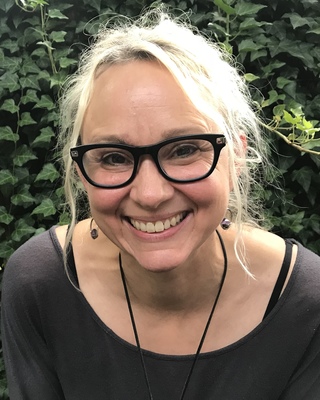
Hosted by Renee Hall-George
Clinical Social Work/Therapist, LCSW
Verified Verified
Group meets in Decatur, GA 30030
12 week DBT skills group for adolescents; modules include mindfulness, distress tolerance, emotion regulation, and interpersonal effectiveness.
Professional men and women addressing challenges and honing their skills for living productive and meaningful professional and personal lives. Common issues are interpersonal challenges; balancing personal life and professional pursuits; achieving authenticity in relationships; fulfillment; setting and achieving goals; etc.

Hosted by Tina Black
Clinical Social Work/Therapist, LCSW, RYT
Verified Verified
Group meets in Atlanta, GA 30327
Professional men and women addressing challenges and honing their skills for living productive and meaningful professional and personal lives. Common issues are interpersonal challenges; balancing personal life and professional pursuits; achieving authenticity in relationships; fulfillment; setting and achieving goals; etc.
Group Practice with 9 Therapists and 1 intern. Embrace has two office locations to service your counseling needs towards mental health and wellness.
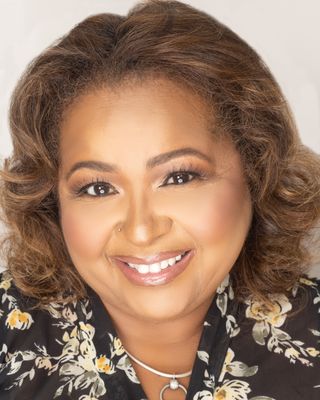
Hosted by Forensic Evaluations | Board Certified
Licensed Professional Counselor, LPC, CCFMHE, CAMSII, NCC
Verified Verified
Group meets in Hiram, GA 30141
Group Practice with 9 Therapists and 1 intern. Embrace has two office locations to service your counseling needs towards mental health and wellness.
Restoring Hope Recovery Group is a full-service concierge psychiatry practice serving the community in and around Atlanta, Georgia. Under the leadership of Debbie Stevens, PhD, APRN-BC, PMHNP-BC, Restoring Hope has enhanced the quality of life for patients through a telehealth ...
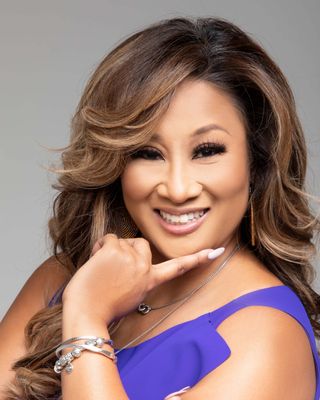
Hosted by Dr. Debbie Stevens
Psychiatric Nurse Practitioner, PhD, APRN-BC, PMHNP
Verified Verified
Group meets in Atlanta, GA 30309
Restoring Hope Recovery Group is a full-service concierge psychiatry practice serving the community in and around Atlanta, Georgia. Under the leadership of Debbie Stevens, PhD, APRN-BC, PMHNP-BC, Restoring Hope has enhanced the quality of life for patients through a telehealth ...
Our anger management evaluations are court approved, reliable, affordable, and flexible. Appointments are available 7 days a week call 404-594-1770.

Hosted by American Alternative Court Services
Drug & Alcohol Counselor, LPC, SAP, CADC, CCS
Verified Verified
Group meets in Atlanta, GA 30303
Our anger management evaluations are court approved, reliable, affordable, and flexible. Appointments are available 7 days a week call 404-594-1770.
Go, Girl, Go! is a workshop series that combines important topics and fun activities from a curriculum that is therapeutically based to encourage, inspire, and support your daughter and equip her with the tools to assist her through the trials ...

Hosted by Cherrell D Thomas
Licensed Professional Counselor, LPC, NCC, CPCS
Verified Verified
Group meets in Snellville, GA 30078
Go, Girl, Go! is a workshop series that combines important topics and fun activities from a curriculum that is therapeutically based to encourage, inspire, and support your daughter and equip her with the tools to assist her through the trials ...
One is for clients who only speak Spanish or would prefer to have it in Spanish and the other is English only
Hosted by Darlene Nielsen
Pre-Licensed Professional, MA, MFT, CC
Verified Verified
Group meets in Atlanta, GA 30340
One is for clients who only speak Spanish or would prefer to have it in Spanish and the other is English only
Virtual and online classes are available with flexible day, night, and weekend options.

Hosted by AACS Counseling - Adult IOP Services
Licensed Professional Counselor, LPC, PhD
Verified Verified
Group meets in Marietta, GA 30067
Virtual and online classes are available with flexible day, night, and weekend options.

Hosted by Bhavana Goel
Licensed Professional Counselor, LPC
Verified Verified
Group meets in Atlanta, GA 30324

Hosted by Krystal Horton
Licensed Professional Counselor, MEd, LPC
Verified Verified
Group meets in Hinesville, GA 31313
Anxiety and Stress is a compounded issue for women. Women live with a superwoman complex that adds pressure to be everything to everyone, except themselves. Mindfulness teaches relaxation techniques that allow you to give yourself permission to be enough from ...

Hosted by Precious Avorkliyah-Evans
Clinical Social Work/Therapist, LCSW
Verified Verified
Group meets in Atlanta, GA 30324
Anxiety and Stress is a compounded issue for women. Women live with a superwoman complex that adds pressure to be everything to everyone, except themselves. Mindfulness teaches relaxation techniques that allow you to give yourself permission to be enough from ...
When we try to avoid or ignore our anxiety, we add fuel to its fire. In this 8 week virtual group, you will practice new, more effective ways to respond to anxiety and, in doing so, disempower it. Combining mindfulness, ...
Hosted by Becky Ittner
Pre-Licensed Professional, APC, NCC, MS
Verified Verified
Group meets in Lawrenceville, GA 30046
When we try to avoid or ignore our anxiety, we add fuel to its fire. In this 8 week virtual group, you will practice new, more effective ways to respond to anxiety and, in doing so, disempower it. Combining mindfulness, ...
The Parental Hurt support group is a safe space to share, heal, and learn how to navigate parental hurt (narcissistic parents, absent parents, etc.) and difficult family relationships. The next group will start on September 10th - October 15th, 2024 ...

Hosted by Ronda Monroe
Pre-Licensed Professional, MS, NCC, CCTP
Verified Verified
Group meets in Atlanta, GA 30324
The Parental Hurt support group is a safe space to share, heal, and learn how to navigate parental hurt (narcissistic parents, absent parents, etc.) and difficult family relationships. The next group will start on September 10th - October 15th, 2024 ...
Dear MEN, we are often overlooked, undervalued, misunderstood, and many more, but not anymore. I want to let you know that you matter! Your feelings and emotions are valid, even if others around you disagree. You are not crazy. You ...

Hosted by Jamon L. Green
Pre-Licensed Professional, MFT, CADC II
Verified Verified
Group meets in Stockbridge, GA 30281
Dear MEN, we are often overlooked, undervalued, misunderstood, and many more, but not anymore. I want to let you know that you matter! Your feelings and emotions are valid, even if others around you disagree. You are not crazy. You ...
We offer psychotherapy for individuals, families, couples both in person and online. Check us out at www.southernbridgecounses ling.com
Hosted by Southern Bridge, Inc.
Marriage & Family Therapist, LMFT, LPC
Verified Verified
Group meets in Warner Robins, GA 31088
We offer psychotherapy for individuals, families, couples both in person and online. Check us out at www.southernbridgecounses ling.com
See more therapy options for Georgia


FAQs - About Group Therapy and Support Groups
How can I find a support group in Georgia?
Search for nearby support groups by inputting your city, zip code, or the name of the group into the search bar. From there, you can filter to find a group that suits your needs, whether you are looking for support for a teenager, a group that focuses on a specific issue, such as depression, or a particular program type, such as one geared toward developing social skills. To navigate between locations within the same country, enter a new city or zip code into the search bar.
How does group therapy work?
Therapy groups are led by one or more therapists and serve to help people process their experiences and learn from others who understand their challenges firsthand. They can be based on a specific issue, such as addiction, grief, physical illnesses, parenting, and caregiving. They can involve a specific type of program or therapy, such as a social skills group or CBT group. They can also be specific to a particular population or community, such as teens or LGBTQ.
Support groups, like Alcoholics Anonymous, also focus on a specific issue, but are typically led by members with lived experiences and are less structured than therapy groups. Most therapy groups will meet for a fixed length of time with a consistent group of members, while many support groups meet for an indefinite period of time with members coming and going.
Support groups, like Alcoholics Anonymous, also focus on a specific issue, but are typically led by members with lived experiences and are less structured than therapy groups. Most therapy groups will meet for a fixed length of time with a consistent group of members, while many support groups meet for an indefinite period of time with members coming and going.
What are the benefits of group therapy?
Support groups help connect people with shared challenges or physical and mental health conditions. In a group setting, participants can receive support and feedback from peers and can acquire new skills, strategies and perspectives by listening to one another. Discussing your experience with someone who also has a cancer diagnosis, or whose son also struggles with addiction, for example, can help you feel less alone, reduce distress, find empathy and connection, and learn practical or medical information that has helped others. Group therapy can also be a more affordable option than individual therapy and just as effective.
Is group therapy as effective as individual therapy?
Support groups can be deeply valuable for both emotional support and/or treatment outcomes. It’s difficult to make a blanket statement on efficacy due to the many different types of support groups and conditions treated, but group therapy has been found to be just as effective as individual therapy in establishing long-term abstinence for conditions such as substance abuse, addiction and alcohol abuse.
How much does group therapy cost?
Group counseling is typically less expensive than individual counseling, with each session costing on average between $60 to $75. Meanwhile, individual therapy sessions can run anywhere from $100 to $200 and up, even after insurance. It is possible to find low-cost group therapy options and many therapists offer group sessions free of charge.
Does insurance cover group therapy?
As with individual therapy, many insurance companies do offer coverage for group therapy sessions. However, the coverage varies based on your insurance plan details and whether you choose an in-network or out-of-network mental healthcare provider. Individuals are encouraged to check with their insurance providers to verify coverage.
How long does group therapy last?
The length of a support group session is often one hour but can fall anywhere between 45 minutes and two hours. The amount of time that people remain in a support group varies based on their specific needs and goals and the type of therapy. Some individuals may seek a shorter-term group, such as a bereavement group, that may last between six and 20 weeks. Some may seek a longer-term group that lasts for a year or indefinitely.
What are the limitations of support groups?
Support groups have many benefits, but there are a few limitations as well. Support groups do not constitute formal therapeutic or medical treatment, and are not run by licensed mental health professionals, so some people may opt for group therapy or individual therapy instead. Additionally, support groups can depend on the other participants, so a disruptive individual has the potential to mar the group dynamic, and the anecdotal information shared may sometimes be unhelpful or inaccurate. Because it is a group setting, confidentiality can be more difficult to guard and participants receive less personalized attention than they would in an individual therapy session.