Support Groups in Bedford, NS

Hosted by Jarah Gregory
Counsellor, MACP, RCT-C
Verified Verified
Group meets in Bedford, NS B4B
EFFT workshop is geared for adoptive & Foster parents of children who have been exposed to trauma &/or attachment disruption. EFFT is rooted in a deep belief in the healing power of families. It is an evidence based model that provides parents with tools that can help restore connections in their relationship with their child, & can lead parents to feel more empowered when met with tough parenting situations at home. Two day intensive workshop - Friday and Saturday 9:00-4:00 Date TBA. Please contact the office to be added to the workshop waitlist &/or book a parenting appointment.
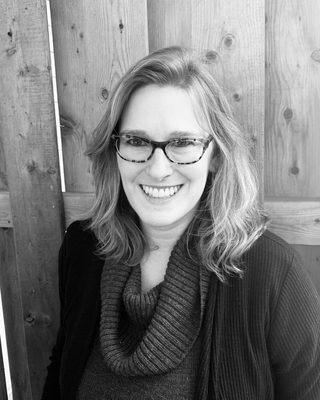
Hosted by Lois Ells
Registered Social Worker, MSW, RSW
Verified Verified
Group meets in Bedford, NS B4A
It’s difficult to watch your usually thoughtful child/teen struggling with their big emotions. Your child who is usually wise beyond their years becomes quickly unglued. You’re pretty sure that anxiety, worries or low self-esteem are hiding under the big tears, emotional meltdowns, ‘sassy’ attitude and anger. While you desperately want to be there to support your child and help them through this turbulent time, the accumulation of stressors from the demands of life and parenting through a pandemic make it hard for you to be the parent you want to be in those moments.
12 week x 90 minute online DBT skills group for high emotional dysregulation that negatively affects your life: Learn to read your body like it's a stress barometer, identify 'in the moment' urges and ways to overcome them, and ultimately identify and deconstruct triggers. New groups start regularly and include all materials. An audio record will be provided if you miss a session. Fees are billed weekly at $75 each week for 12 weeks; receipts may be turned in to your insurance provider.

Hosted by DBT Karin Klassen R. Psych
Psychologist, MSc, MPhil
Verified Verified
Group meets in Bedford, NS B4A
The focus of my practice is to treat people who have emotional dysregulation - stress! This can be due to a mood or personality disorder, chronic pain, trauma or complex trauma, or a major life transition. I use practical, evidence based therapies such as DBT (Dialectical Behavioural Therapy), ACT (Acceptance and Commitment Therapy), EMDR (Eye Movement Desensitization and Reprocessing), Clinical Hypnosis, and CBT (Cognitive Behavioural Therapy) to help you fulfill your goals, getting back to living a meaningful, peaceful, productive life. One focus of my practice is treating current military members and veterans.
12 week x 90 minute online DBT skills group for high emotional dysregulation that negatively affects your life: Learn to read your body like it's a stress barometer, identify 'in the moment' urges and ways to overcome them, and ultimately identify and deconstruct triggers so you can know yourself better. New groups start regularly and include all materials. An audio record will be provided if you miss a session. Fees are billed weekly at $75 each week for 12 weeks.One individual session (not included in price of group) is required for assessment pre-group.

Hosted by DBT Karin Klassen R Psych
Psychologist, MSc, MPhil
Verified Verified
Group meets in Bedford, NS B4A
The focus of my practice is to treat people who have emotional dysregulation - stress! This can be due to a mood or personality disorder, chronic pain, trauma or complex trauma, military service, or a major life transition. I use practical, evidence based therapies such as DBT (Dialectical Behavioural Therapy), ACT (Acceptance and Commitment Therapy), EMDR (Eye Movement Desensitization and Reprocessing), Clinical Hypnosis, and CBT (Cognitive Behavioural Therapy) to help you fulfill your goals, getting back to living a meaningful, peaceful, productive life. One focus of my practice is treating current military members and veterans.
Location: Virtual via Zoom Dates: Wednesday evenings beginning May 11, 2022 *8 weeks* Cost: $300 Who should attend: Parents and caregivers of children between birth and six years of age. **At times, all parents feel lost about what our children might need from us. Imagine what it might feel like if you were able to make sense of what your child was really asking from you. The Circle of Security Parenting™ program is based on decades of research about how secure parent-child relationships can be supported and strengthened.**

Hosted by Jenna Arsenault
Counsellor, MEd, RCT-C, CCC
Verified Verified
Group meets in Bedford, NS B4A
Hi, my name is Jenna, owner and Counselling Therapist at Mountain View Counselling. I specialize in infant and early childhood mental health. When working with children and teens, I work closely with you, the child’s caregiver. You are the most important person in your child’s life, and therapy will be most effective if we work together as a team. Sessions may include parent coaching sessions, child-focused sessions or family sessions. Often, a combination of these sessions is involved. In addition to these services, I also provide counselling services to mothers; providing support and care during the transition to motherhood.
Support for those with anger issues. These five week groups will look at general causes as well as specific triggers among group members. Participants will be placed in a group suitable for them. These groups are ongoing throughout the year.

Hosted by Debbie Bowyer
Counsellor, MAC, AC
Verified Verified
Group meets in Bedford, NS B4A
My approach is to allow you to bring your past into the present so that you can develop skills that free you to thrive in the future. I provide a safe, open and encouraging space to equip and free you to do three things: * identify automatic negative, limiting or unproductive thoughts and behaviours, and imagine a life beyond them; * move from the bondage of those thoughts and behaviours, into a freedom of intention and choice where you can live life with purpose and passion; * develop the skill to sustain this freedom on your own.
This group is for adult women diagnosed with ADHD, who need support with daily adulting that feels at times unmanageable. This group is intended to build self-compassion, self-esteem, to learn new skills to better manage your neurodivergent brain, to share and be vulnerable about your experiences in a safe, compassionate, non-judgmental environment, and to understand your brain as powerful and unique rather than disordered. A pre-group intake session is required to sign-up; you may reach out to the group therapist, Kendra Blackburn via email at info@kbcounsellingtherapy.com to book a pre-group intake session.

Hosted by Kendra Blackburn
Counsellor, MA, RCT
Verified Verified
Group meets in Bedford, NS B4B
NOTE: accepting new clients for individual therapy & Women's ADHD Group - Life can feel impossible without support and the tools to be successful. You may feel stuck or hopeless, but I am here to help you resolve the past, find joy in the present, and hopeful about your future. I welcome clients of all genders, orientations, cultures, and unique walks of life. My approach with clients is to be open-minded, inclusive, and collaborative in order to help you heal and thrive. I work with individuals age 18+ experiencing symptoms of trauma, anxiety, depression, ADHD, issues with self-worth, and more.
Divorce Recovery Seminar is an evidence-based rebuilding after relationship ends seminar based on Dr. Bruce Fisher's research on divorce/separation recovery. Seminars run 2.5hrs a week x 8 weeks in length with optional social outings during the week coordinated by volunteers. You receive education, a workbook, and support. Seminars are led by a marriage and family therapist with a specialization in divorce recovery and grief support. 3 x payments of $166.67 +HST (over 12 weeks)

Hosted by Yellowfinch Counselling -Marriage&Family Therapist
Counsellor, BA(Psy), MFCS, CCTP, CGS
Verified Verified
Group meets in Bedford, NS B4A
Marriage problems? Communication issues? Perhaps you feel your drifting apart? Or the simplest discussions escalate to arguing or walking away not feeling heard or understood. Maybe you just need maintenance for your relationship so it stays at the current level; help with increasing emotional and physical intimacy. Couples and individual relational counselling is 80% of my practice. Other areas of focus: divorce, co-parenting, infidelity, ADHD, neurodiversity, anxiety, depression, trauma, stress, balancing life priorities, boundaries, grief and loss, workplace stress. My clients often report they are so glad they found me!
A place for couples to learn how to listen and relate to each other in more engaging and loving ways.
Hosted by Debbie Bowyer
Counsellor, MAC, AC
Verified Verified
Group meets in Bedford, NS B4A
My approach is to allow you to bring your past into the present so that you can develop skills that free you to thrive in the future. I provide a safe, open and encouraging space to equip and free you to do three things: * identify automatic negative, limiting or unproductive thoughts and behaviours, and imagine a life beyond them; * move from the bondage of those thoughts and behaviours, into a freedom of intention and choice where you can live life with purpose and passion; * develop the skill to sustain this freedom on your own.
This virtual group occurs weekly for 8 weeks. Caregivers learn strategies to support their children's self-regulation. Participants also gain peer support and review the 4 S's. ( safety, structure, support and supervision).
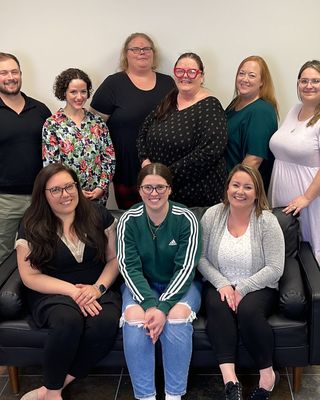
Hosted by Maritime PTC
Registered Psychotherapist, RP, RCT, Ct
Verified Verified
Group meets in Bedford, NS B4A
A comprehensive mental health clinic serving the entire family offers a wide range of services tailored to meet the diverse needs of individuals across all age groups. These services include individual therapy for children, adolescents, and adults, addressing issues such as anxiety, depression, behavioural challenges and trauma experiences. Family therapy sessions are available to improve communication, resolve conflicts, and strengthen relationships within the family unit. Couples counseling helps partners navigate relationship difficulties and enhance their connection.
Acceptance and Commitment Therapy (ACT) has been shown to reduce the experience of chronic pain. The 12-week group teaches you coping and resiliency skills so life can become about what you can do, not what you can't. Groups are held online so you may attend from wherever you are comfortable, and if you miss, you will receive an audio recording of what you missed. All materials are included; One individual session (not included in price of group) is required for assessment pre-group. Fees are billed weekly at $75 each week for 12 weeks; receipts may be turned in to your insurance provider.
Hosted by DBT Karin Klassen R. Psych
Psychologist, MSc, MPhil
Verified Verified
Group meets in Bedford, NS B4A
The focus of my practice is to treat people who have emotional dysregulation - stress! This can be due to a mood or personality disorder, chronic pain, trauma or complex trauma, or a major life transition. I use practical, evidence based therapies such as DBT (Dialectical Behavioural Therapy), ACT (Acceptance and Commitment Therapy), EMDR (Eye Movement Desensitization and Reprocessing), Clinical Hypnosis, and CBT (Cognitive Behavioural Therapy) to help you fulfill your goals, getting back to living a meaningful, peaceful, productive life. One focus of my practice is treating current military members and veterans.
For caregivers of children of any age struggling with intense emotions (ex. shame, anger); mental health (ex. anxiety, depression); or difficult life stressors. Equipping caregivers with practical strategies through education, demonstration and skills practice to: become their child's emotion coach; strengthen their relationship; & parents will be supported with their reactions that surface in this challenging journey. This Workshop is geared for caregivers of kids, teens or adult-children. One day intensive therapeutic workshop. Contact the office to be added to the workshop waiting list &/or book an online session to work on learning skills in the meantime.
Hosted by Lois Ells
Registered Social Worker, MSW, RSW
Verified Verified
Group meets in Bedford, NS B4A
It’s difficult to watch your usually thoughtful child/teen struggling with their big emotions. Your child who is usually wise beyond their years becomes quickly unglued. You’re pretty sure that anxiety, worries or low self-esteem are hiding under the big tears, emotional meltdowns, ‘sassy’ attitude and anger. While you desperately want to be there to support your child and help them through this turbulent time, the accumulation of stressors from the demands of life and parenting through a pandemic make it hard for you to be the parent you want to be in those moments.
More Groups Nearby
Dialectical Behavioral Therapy skills group

Hosted by Neal S Henderson
Counsellor, CCC, RCT-C, RSW
Verified Verified
Group meets in Dartmouth, NS B2Y
Is your relationship struggling? Do you feel like you and your partner are always in distress? Something that I offer that may help is Emotionally Focused Therapy (EFT). If you want to enhance your emotional connection or overcome your relationship distress, I can help. I also offer Behavioral Family Therapy (BFT) is a type of counseling that helps families improve their relationships and how they interact with each other. You're not alone, let’s connect so you can work together the relationships you’d like to have. I offer direct billing, and evening and weekend appointments. I’m looking forward to us working together.
A group therapy providing coping strategies to manage the more annoying aspects of the menopause experience. With an emphasis on non medication methods of reducing the impact of menopause on daily life. Group provides peer support as well as information. Both the emotional and psychological impact of the menopause transition is explored.

Hosted by Ruth Downie
Counsellor, BScN, MEdCoun, CHyp(tm), RCT, CCC
Verified Verified
Group meets in Halifax, NS B3K
My clients are generally people who are managing a chronic medical condition, are struggling with a life altering diagnosis, who may be finding a life transition challenging(menopause, retirement) and have feelings of anxiety or sadness as a result. I provide counselling to help make difficult decisions.
This group focuses on resource-oriented receptive music listening experiences and group processing for those who have trauma & dissociation. Please note: this group is currently full for Fall 2019.

Hosted by Erin Montgomery
Counsellor, MEd, MTA, FAMI, CCC, RCT
Verified Verified
Group meets in Halifax, NS B3K
My work includes a deep commitment to the well-being of my clients. I work with those who are 19 and older and offer individual as well as group sessions. I understand that stress affects our mental, emotional, physical, and spiritual selves. In my specialized practice, I support people whose difficult life experiences have resulted in post traumatic and dissociative responses, as well as anxiety and depression. I assist my clients to make the shift from surviving to thriving. I often work experientially in sessions using parts work and music, with a focus on relationship and emotion. We'll collaborate on a plan that works for you.
The executive functioning intervention is available to late high school and post-secondary students. Executive functioning is subdivided into multiple, diverse skills, namely, working memory (updating), shifting (cognitive flexibility), and inhibition (ability to “put on the breaks”). Executive functioning skills play an important role in student success, as students are required to set, plan for, and work towards achieving long-term goals. The intervention combines Goal Management Training (Levine et al., 2000, 2011) with the Dynamic Coaching approach (Kennedy, 2017) to provide a program that involves didactic and personalized cognitive remediation, as well as enhancing student motivation.

Hosted by Robyn McClure
Psychologist, PhD, RPsych
Verified Verified
Group meets in Halifax, NS B3J
Originally from Annapolis Valley, Dr. McClure graduated from Acadia University with a Bachelor of Science degree. She then achieved distinction as a Killam Laureate during her graduate studies at The University of British Columbia, where she completed two master’s degrees and a Ph.D. After a decade of training out west, Dr. McClure returned home to her family in Nova Scotia.
This 6-session group provides participants with skills development in self-regulation and communication. Participants will also engage in play-based role-play experiences so they can transfer learned skills to peer relationships.
Hosted by Maritime PTC
Registered Psychotherapist, RP, RCT, Ct
Verified Verified
Group meets in Dartmouth, NS B3B
A comprehensive mental health clinic serving the entire family offers a wide range of services tailored to meet the diverse needs of individuals across all age groups. These services include individual therapy for children, adolescents, and adults, addressing issues such as anxiety, depression, behavioural challenges and trauma experiences. Family therapy sessions are available to improve communication, resolve conflicts, and strengthen relationships within the family unit. Couples counseling helps partners navigate relationship difficulties and enhance their connection.
A group for mental health professionals who desire to better understand their patients as well as their work. We work together to combine theory and technique in ways that resolve both the patient's and the therapist's resistance to change and growth.

Hosted by Judith Singer Bates
Registered Social Worker, MSW
Verified Verified
Group meets in Halifax, NS B3K
I am best able to help clients who are desirous of making changes in their lives and understand that "the slower you go, the faster you get there". My practice provides a safe space for patients to put all of their thoughts and feelings into words. As patients talk, they learn about themselves and better understand their journey. As the unconscious becomes conscious, patients are able to make more thoughtful and meaningful choices and thus begin to live more full and meaningful lives.
MBCT is an evidence-based treatment approach for coping with anxiety, depression and emotional distress. This 9 week program combines the practice of mindfulness with the ideas of cognitive therapy. Mindfulness is about paying attention, on purpose, to the present moment without judgement. The core principles and skills of mindfulness facilitate greater awareness and acceptance of thoughts, emotions and sensations which help us break free from automatic, habitual responses that are often unhelpful to our well-being. Mindfulness also cultivates compassion towards ourselves and others. Cognitive therapy interrupts negative, unhealthy thought patterns that lead to depressive and anxious spirals.

Hosted by Dartmouth Psychological Services Inc.
Psychologist, MSc
Verified Verified
Group meets in Dartmouth, NS B2Y
Dartmouth Psychological Services Inc. is a team of collaborative and caring practitioners who have been providing evidence-based mental health services to children, adolescents, adults, couples and families in the HRM for over 20 years. Formerly Jacqueline Milner-Clerk & Associates, DPS now works collaboratively with Jacqueline's Breathe Mindfulness Centre, which specializes in offering mindfulness and compassion-based classes, workshops and group programs.
This group is a group for women who are thinking of retiring or have retired and are concerned about the changes that are or will be forthcoming. Our work has been our identity, has consumed most of our waking hours. How do I prepare myself for retirement, what will my identity be now that I am not working? How will retirement impact my intimate relationships? if you have these questions and wish to explore your concerns this may be a group for you.
Hosted by Judith Singer Bates
Registered Social Worker, MSW
Verified Verified
Group meets in Halifax, NS B3K
I am best able to help clients who are desirous of making changes in their lives and understand that "the slower you go, the faster you get there". My practice provides a safe space for patients to put all of their thoughts and feelings into words. As patients talk, they learn about themselves and better understand their journey. As the unconscious becomes conscious, patients are able to make more thoughtful and meaningful choices and thus begin to live more full and meaningful lives.
See more therapy options for Bedford


FAQs - About Group Therapy and Support Groups
How can I find a support group in Bedford?
Search for nearby support groups by inputting your city, postal code, or the name of the group into the search bar. From there, you can filter to find a group that suits your needs, whether you are looking for support for a teenager, a group that focuses on a specific issue, such as depression, or a particular program type, such as one geared toward developing social skills. To navigate between locations within the same country, enter a new city or postal code into the search bar.
How does group therapy work?
Therapy groups are led by one or more therapists and serve to help people process their experiences and learn from others who understand their challenges firsthand. They can be based on a specific issue, such as addiction, grief, physical illnesses, parenting, and caregiving. They can involve a specific type of program or therapy, such as a social skills group or CBT group. They can also be specific to a particular population or community, such as teens or LGBTQ.
Support groups, like Alcoholics Anonymous, also focus on a specific issue, but are typically led by members with lived experiences and are less structured than therapy groups. Most therapy groups will meet for a fixed length of time with a consistent group of members, while many support groups meet for an indefinite period of time with members coming and going.
Support groups, like Alcoholics Anonymous, also focus on a specific issue, but are typically led by members with lived experiences and are less structured than therapy groups. Most therapy groups will meet for a fixed length of time with a consistent group of members, while many support groups meet for an indefinite period of time with members coming and going.
What are the benefits of group therapy?
Support groups help connect people with shared challenges or physical and mental health conditions. In a group setting, participants can receive support and feedback from peers and can acquire new skills, strategies and perspectives by listening to one another. Discussing your experience with someone who also has a cancer diagnosis, or whose son also struggles with addiction, for example, can help you feel less alone, reduce distress, find empathy and connection, and learn practical or medical information that has helped others. Group therapy can also be a more affordable option than individual therapy and just as effective.
Is group therapy as effective as individual therapy?
Support groups can be deeply valuable for both emotional support and/or treatment outcomes. It’s difficult to make a blanket statement on efficacy due to the many different types of support groups and conditions treated, but group therapy has been found to be just as effective as individual therapy in establishing long-term abstinence for conditions such as substance abuse, addiction and alcohol abuse.
How much does group therapy cost?
Group counselling is typically less expensive than individual counselling, with each session costing on average about $90 to $100. Meanwhile, individual therapy sessions can run anywhere from $100 to $200. It is possible to find low-cost group therapy options and many therapists offer group sessions free of charge.
Does insurance cover group therapy?
If you have private insurance, your plan may cover some if not all of your group therapy sessions. You should contact your insurance provider to determine if they provide coverage for group therapy sessions and to determine what, if any, requirements they might have in order for your sessions to be covered, such as a referral from your GP or medical specialist.
How long does group therapy last?
The length of a support group session is often one hour but can fall anywhere between 45 minutes and two hours. The amount of time that people remain in a support group varies based on their specific needs and goals and the type of therapy. Some individuals may seek a shorter-term group, such as a bereavement group, that may last between six and 20 weeks. Some may seek a longer-term group that lasts for a year or indefinitely.
What are the limitations of support groups?
Support groups have many benefits, but there are a few limitations as well. Support groups do not constitute formal therapeutic or medical treatment, and are not run by licensed mental health professionals, so some people may opt for group therapy or individual therapy instead. Additionally, support groups can depend on the other participants, so a disruptive individual has the potential to mar the group dynamic, and the anecdotal information shared may sometimes be unhelpful or inaccurate. Because it is a group setting, confidentiality can be more difficult to guard and participants receive less personalized attention than they would in an individual therapy session.