Support Groups in Kings County, NY
This group is for partners of Sex Addicts based on the workbook Facing The Heartbreak by Stefanie Carnes. This group moves partners through their shame, anger, and self doubt towards healing.
Hosted by SFC Searching For Change
Clinical Social Work/Therapist, LCSW, CSAT-S, SE-C
Verified Verified
Group meets in Brooklyn, NY 11229
My practice works with a diverse population. I specialize in addiction, both Sex Addiction and a range of other addictions. I run groups for sex addicts and for the partners of sex addicts. I also specialize in trauma and work with adolescent and adult trauma survivors, both male and female. The practice also works with the LGBTQ community.
DBT was created by Martha Linehan to treat people suffering with Borderline Personality Disorder, which had previously been deemed untreatable, but I find that DBT skills (including Mindfulness, Interpersonal Effectiveness, Emotional Regulation, and Distress Tolerance) are useful to everyone. Including us! Our Practice has 2 levels of DBT Group. Level 1 focuses skills training/psychoeducation and runs every 12 weeks on Tuesdays at 7pm. Level II supports clients who want support utilizing the skills they have learned in their everyday life on. This group runs on Wednesdays at 7pm on an ongoing basis. For more details, visit our website.

I am a pre-licensed professional with extensive experience in tech leadership and executive coaching. Given my background, my approach is uniquely analytical and seeks to quickly identify the root issues driving problematic behavioral patterns. Combining this insight with empathy and understanding, I help clients develop actionable strategies for growth and healing. I believe in a strengths-based approach, empowering you to harness your inherent capabilities and move toward a more balanced, fulfilling life both personally and professionally.
I'm offering a new, 6-week virtual young men's dating and relationship support group starting 1/30/24 Tuesday evenings, covering toxic masculinity, anxiety, self esteem, and more. It is open to anyone in the country/world in his 20's-early 40'. Virtual, direct pay. If you'd like to learn more, schedule a free brief consultation with me to see if you'd be a good fit. info@francescamaxime.com or www.maximeclarity.com
Hosted by Francesca Maxime
Clinical Social Work/Therapist, LCSW, LICSW, SEP, IFS, FOT
Verified Verified
Group meets in Brooklyn, NY 11215
Serving NY, FL & MA If you've had trauma in your life, a challenging childhood, find yourself struck with anxiety or depression & feel like you need some support, you've come to the right place. I help to guide adults, couples & adult families with somatic, relational, & mindful strategies to help you get at the root of your issues. Folks that I've helped include filmmakers, artists, actors, CEO's/nonprofit executives, Girlboss millennials, tech founders/entrepreneurs, marginalized millennials, couples from the premarital to longstanding marriage stage & more. I hold an inclusive lens along racial, LBGT+ & open relationship lines.
The days can easily get filled up taking care of everyone else… What About You? Motherhood is filled with moments of joy, love and gratitude. However, it can also be exhausting due to responsibilities, heightened expectations, role shifts and loss of self. It’s not easy, and we certainly don’t have to pretend it is. Surround yourself with support. Let’s make motherhood more manageable together! Feel free to contact me for more details regarding our virtual meetings.
Hosted by Jennifer Shrier
Clinical Social Work/Therapist, LCSW
Verified Verified
Group meets in Brooklyn, NY 11201
Moving through life's situations, can be challenging. Receiving support and guidance can be helpful in building self confidence and strength to handle difficulties and address conflicts. I am a Licensed Clinical Social Worker, experienced in working with adults treating a variety of issues including anxiety, depression, self esteem, relationship conflicts, pregnancy, and divorce. I did my undergraduate work at Cornell University, and I received my Masters from NYU.
This group is for adult individuals seeking DBT skills. Participants will be introduced to, learn and practice together; Mindfulness, Distress Tolerance, Emotion Regulation and Interpersonal Effectiveness modules from the DBT Skills Curriculum written by Marsha Linehan.

Hosted by Sonya Farrell
Clinical Social Work/Therapist
Verified Verified
Group meets in Brooklyn, NY 11221
Congratulations on taking steps to feel better! Many people struggle with regulating intense emotions, lack impulse control, or use self-harming behaviors to deal with life. Some find themselves in high conflict relationships or have difficulty creating and maintaining boundaries. Even more suffer with negative thoughts, paralyzing procrastination, and excessive rumination that hold them back from living a vibrant life. If these symptoms resonate with you, I hope to support you in overcoming obstacles so you can create a life you love!
The first months of parenthood are magical and intense. They can also be very isolating. This group will give you the space and time to come together with other new parents to get and receive support. We will explore the emotional and physical changes you are going through as a parent and provide you with tools to support your baby's development and growth. In addition to having time for open discussion, each meeting will include a special topic. The group will be led by mom, prenatal yoga teacher and occupational therapist, Sonia Reiter along with Erynn Sosinski, mom and licensed clinical social worker.
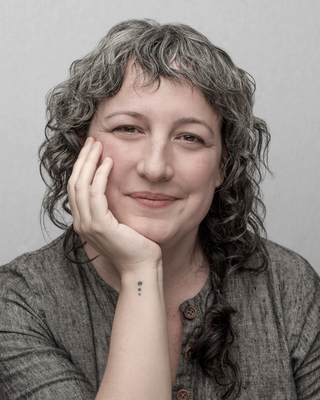
Hosted by Erynn Sosinski
Clinical Social Work/Therapist, LCSW
Verified Verified
Group meets in Brooklyn, NY 11238
Since we were kids, everyone tells us, "be yourself!" If we can just do that, everything will work out alright. But what happens when that simple advice feels impossible? When anxiety, trauma, shame, or a major life change keeps us from fully knowing ourselves, let alone being able to show that to others?
Not sure if separation/divorce is for you? How to cope with sexual desires/needs? Infidelity? Worried about finances? If any one of these is part of your situation, this group is for you.
Hosted by Helen Nemes
Clinical Social Work/Therapist, PhD, LCSW
Not Verified Not Verified
Group meets in Brooklyn, NY 11230
Do you engage in self-defeating behaviors? Are you drawn to relationships that will disappoint you? Are you not living up to your potential? I will help you discover your strengths and how you can be more resilient! I am a Psychotherapist using cognitive behavioral, evidence-based techniques as well as a holistic approach to help you cope with anxiety, depression, addictions, as well as relationships with partners, families, and work. I will help you break negative and patterns in order for you to develop loving and caring relationships in your family and at work.
This drop-in support group is a place for mothers (and their babies) to meet, share experiences and concerns, break the isolation of new motherhood, discuss the challenges and complex emotions during the transition to the new role of mother, and begin to build a community. Weekly topics will anchor the group but time will always be made to address individual needs and concerns.

Hosted by Maura Sheehy
Clinical Social Work/Therapist, LCSW-R
Verified Verified
Group meets in Brooklyn, NY 11231
Change, growth, and healing are possible for everyone. Using a warm, interactive approach we'll listen to your feelings and thoughts to discover what you need and want in order to feel more alive, fulfilled, and freer to know yourself, be yourself, and express yourself. We'll find the practical strategies and the deeper understanding that will help you to shift patterns of behavior and thought, and sort out relationships. Even when conflict and confusion, sadness, anger, fragmentation, loneliness, fear, stuckness (or any other feeling) seems ever-present, we can heal and change.
Join us online for a fun, interactive event with guided social and art activities. We'll create found object art using everyday items from around your home. This workshop is designed to spark creativity and build a supportive community. Whether you're a seasoned artist or a beginner, this event is perfect for anyone looking to connect, get creative, and recharge for the week ahead. Take advantage of this chance to create and inspire with us. Call or email us to ask about how to RSVP. See you soon!
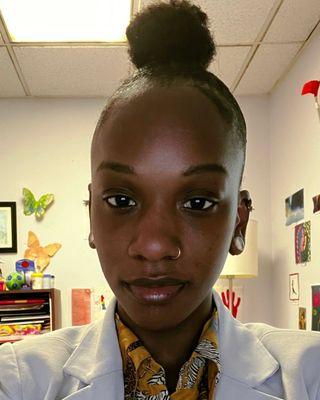
Hosted by Ariel Miles - Ubuntu, A Creative Arts Therapy PLLC
Creative Arts Therapist, LCAT, ATR-BC
Verified Verified
Group meets in Brooklyn, NY 11208
With over eight years of experience in New York City, I founded Ubuntu, A Creative Arts Therapy PLLC, to support families, couples, teens, and children. Life can be challenging, and whether you're dealing with stress, anxiety, trauma, or life transitions or want support achieving personal goals, we're here for you. We help you understand and manage your emotions and develop healthier coping strategies to grow beyond therapy. Ubuntu offers a warm, creative space for healing and self-discovery, empowering you and your loved ones to thrive.
Growing a human and expanding your family can be thrilling AND terrifying. Studies show that support and guidance during this period mitigate the risks of postpartum depression and anxiety. It's highly likely it increases the enjoyment factor, too. Come and connect to other people experiencing what you’re experiencing instead of reinforcing any feelings of isolation.

Hosted by Ali Everett
Clinical Social Work/Therapist, LMSW
Verified Verified
Group meets in Brooklyn, NY 11222
You're the expert in your life. I want to help you explore and expand your sense of calm and empowerment, addressing your physical, spiritual, emotional, philosophical, and social parts. I recognize the importance of acknowledging the past and finding ways to feel more alive in the present. Much of our energy is spent focusing on reacting to external stimulation and making plans for the future. I am here to help cultivate a space and time to listen to and focus on inner experiences, which is mission-critical in changing how we relate to ourselves and the world.
In this group, you are invited to share authentically and speak aloud thoughts and feelings you tend hold inside. This therapy offers a sense of how your peers perceive you and sheds light on interpersonal struggles and challenges that may be impeding a richer existence. If you are seeking to become a more active player in your life, this group could be a good fit. Each member comes in with (or develops in time) their own personal goals and together the group supports relief from suffering and growth. In here, there is space for all of it.
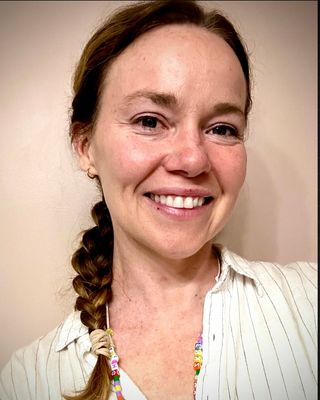
Hosted by Lisette Soini
Clinical Social Work/Therapist, LCSW, LCAT
Verified Verified
Group meets in Brooklyn, NY 11215
My aim as a therapist is to help you find greater freedom and satisfaction in your relationship to Self and those you care about. My active and emotion-centered approach will bring you to a deeper understanding of your core emotions. This emotional attunement will guide the therapy process and leave you feeling more in-synch with yourself. In sessions, I will steer you away from anxieties and distractions in order to give your mind clarity and to allow for more meaningful therapy.
This group is a safe, welcoming space where asexual and aromantic individuals share their experiences, and struggles. Through the development of a group community, members will have support, empathy, validation and guidance in processing their lived experience and exploring their identity. The therapist will guide members to challenge expectations and beliefs prescribed to them by society and culture allowing for sharing of experiences through a non-judgemental lens. This group meets weekly in-person running 45-90 minutes. Clients are required to attend their first 8 consecutive sessions and thereafter can cancel 48-hours in advance without a cancellation fee.

Once you are engaged in a safe, validating and honest therapeutic space, there is tremendous potential for growth. I appreciate the risk you take when you share your struggles and stories. In honoring that risk, I will remind you every step of the way of your power. Pain, distress and discomfort can inform us about the ways we see, move through, and live in the world. I will encourage you to explore these pain points and move forward with a new perspective: more in alignment with your values and goals. I come from a social justice framework and trauma-informed lens, acknowledging how inequity and injustice inform your narrative.
"Anger Management Anxiety Behavior Modification Co-Occurring Disorders Treatment Cognitive Behavioral Therapy Depression Dissociative Disorders Grief/Bereavement Medical Illness/Disease Management Obsessive Compulsive Disorder Personality Disorders Post-Traumatic Stress Disorder (PTSD) Psychotic/Schizophrenic Disorders Serious Mental Illness Trauma Therapy Bipolar Disorder Youth Support"
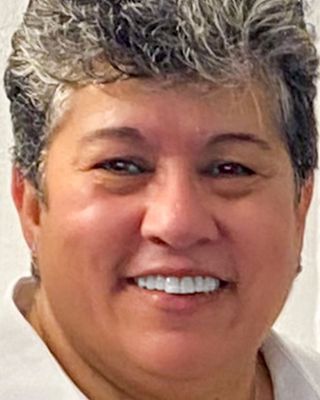
Hosted by Ana Rolon
Clinical Social Work/Therapist, LMSW
Verified Verified
Group meets in Brooklyn, NY 11222
It is understandable to feel nervous and unsure when looking for a therapist, as you may not know what to expect or whether you will be able to connect with them. Therefore, I would like to provide you with some information about myself and my therapeutic approach to put your mind at ease. I am a Licensed Master Social Worker and have been practicing for over 27 years. I received my degree from the Silberman School of Social Work at Hunter College in New York and have worked with diverse populations in various settings. I follow a client-centered approach, which means I focus on your strengths and work collaboratively with you.
A loved one coming out can be a challenging time for the whole family, whether that is biological or chosen family/friends . We focus on creating an open and supportive space to process those feelings as well as teach some helpful tools so you can be there for your loved ones. This group is virtual and free!

I offer my clients a nonjudgmental space where they can explore their feelings, learn more about themselves, and continue to grow. Life can often be challenging, and I like to help others feel confident in their ability to get through those tough times. I have training in cognitive behavioral, dialectical behavioral, and psychodynamic therapy. Every person is unique, and I collaborate with each client to develop a plan that is tailored to them.
This is a virtual 90-minute group that focuses on learning & applying 75 skills that help people manage stress, increase moments of calm & strengthen interpersonal relationships. These Skills are part of an evidence-based practice that is effective for treating individuals with one or more of the following: * Unstable Interpersonal Relationships * Substance Use * Suicidal Thoughts * Self-Harm * Borderline Personality Disorder

Hosted by Kitama Cahill-Jackson
Clinical Social Work/Therapist, LMSW
Verified Verified
Group meets in Brooklyn, NY 11230
Kitama Cahill-Jackson is a Licensed Social Worker in the state of New York and an adjunct professor at Columbia University. Kitama uses his straightforward nature and his sense of humor to connect with clients, particularly those who often feel misunderstood and struggle with remaining confident in tough situations. He sees therapy as a place where passionate, driven people come to learn how to cope with challenging emotions.
Heal the Healer: A grounding and nurturing convergence of like minded healers, practitioners, caretakers, doulas, activists, community organizers, artists, etc. for the treatment of chronic or vicarious trauma & burnout. This small group gathering in Brooklyn, NY (with virtual prep/integration) includes 3 group Ketamine dosing sessions, a restorative sound bath, and creative arts processing. For more information please visit: https://www.laurafoxx.com/heal
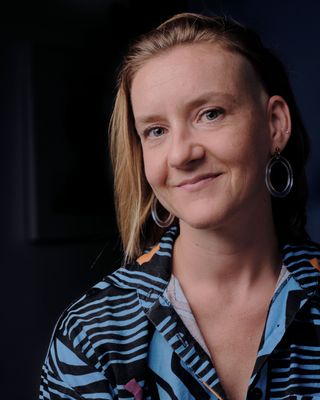
Hosted by Laura Foxx
Art Therapist, MA, LCAT, MT-BC
Verified Verified
Group meets in Brooklyn, NY 11249
Looking to deepen your understanding of yourself and how you move through the world? Do you want to explore how you relate to others and deepen your love and care for yourself? I utilize different approaches in sessions to complement verbal processing (talk therapy) with creative and embodied exploration.
Calling all healing professionals! Join this upcoming opportunity to embark on a journey towards inner peace and self-discovery in our Heal the Healers Ketamine Therapy Group program opening in November! Our sessions will be led by licensed therapists specializing in KAP (Ketamine Assisted Psychotherapy) ensuring your safety and comfort throughout the journey. Explore the synergistic benefits of ketamine and psychotherapy, along with art and music therapy addressing a wide range of mental health challenges, including vicarious trauma, depression, anxiety, and C-PTSD. In the heart of Williamsburg, BK, our serene environment fosters healing in community from burnout.

Hosted by Juanita Viera
Art Therapist, LCAT, KAP
Verified Verified
Group meets in Brooklyn, NY 11249
Are you searching for a therapist who understands the unique challenges that come with being a Latinx, BIPOC, creative or queer individual in this vibrant, fast-paced city of New York? Someone who recognizes the profound impact of childhood trauma, as well as the weight of depressive or anxious episodes? Look no further – We're here to support you on your path to healing and self-discovery. We're a team of licensed creative arts therapists with a passion for helping individuals like you, who identify as driven and diverse, navigate the complexities of mental health in urban city life.
This 1 hour 30 min group is for 15 - 16 y/o teens who are willing to address their issues with peers (feeling anxious, insignificant, forced to people pleasing) to improve social status, better understand and appreciate who they are and develop strong communication skills. Currently recruiting: zoom screening process.

As a psychotherapist with years of clinical, supervisory, and forensic experience, I know that we all may need help when we feel lost or unhappy. Each of us experiences it differently and may benefit from various approaches. I work in multiple modalities: individually, with couples and families, and with groups. I provide consultations on court custody issues and complicated parenting situations. Presenting problems range from depression, anger, traumatic experiences, grief, anxiety, existential and life transition, to parenting, assertive behavior skills, but almost always involve relational components.
I co-supervise a group of therapists in private practice using a Focusing and Relational Self Psychological orientation

Hosted by Charlotte Howorth
Clinical Social Work/Therapist, LCSW
Verified Verified
Group meets in Brooklyn, NY 11231
As a psychotherapist in private practice, and Clinical Director of a therpaeutic agency, I bring a depth of expertise to my work that has been sharpened by 20 years of clinical experience. The cornerstone of my therapeutic work is to help people become fully present in the Here and Now, free from dysfunctional roles, psychological distortions, and trauma. To help clients rest into this connection with themselves and their environment I use a variety of modalities including Psychanalytic Relational Self Psychology, Spiritual Psychology, Focusing, and EMDR. I work with individuals, couples, families, groups, and lead workshops, teach, and supervise internationally."
See more therapy options for Kings County


FAQs - About Group Therapy and Support Groups
How can I find a support group in Kings County?
Search for nearby support groups by inputting your city, zip code, or the name of the group into the search bar. From there, you can filter to find a group that suits your needs, whether you are looking for support for a teenager, a group that focuses on a specific issue, such as depression, or a particular program type, such as one geared toward developing social skills. To navigate between locations within the same country, enter a new city or zip code into the search bar.
How does group therapy work?
Therapy groups are led by one or more therapists and serve to help people process their experiences and learn from others who understand their challenges firsthand. They can be based on a specific issue, such as addiction, grief, physical illnesses, parenting, and caregiving. They can involve a specific type of program or therapy, such as a social skills group or CBT group. They can also be specific to a particular population or community, such as teens or LGBTQ.
Support groups, like Alcoholics Anonymous, also focus on a specific issue, but are typically led by members with lived experiences and are less structured than therapy groups. Most therapy groups will meet for a fixed length of time with a consistent group of members, while many support groups meet for an indefinite period of time with members coming and going.
Support groups, like Alcoholics Anonymous, also focus on a specific issue, but are typically led by members with lived experiences and are less structured than therapy groups. Most therapy groups will meet for a fixed length of time with a consistent group of members, while many support groups meet for an indefinite period of time with members coming and going.
What are the benefits of group therapy?
Support groups help connect people with shared challenges or physical and mental health conditions. In a group setting, participants can receive support and feedback from peers and can acquire new skills, strategies and perspectives by listening to one another. Discussing your experience with someone who also has a cancer diagnosis, or whose son also struggles with addiction, for example, can help you feel less alone, reduce distress, find empathy and connection, and learn practical or medical information that has helped others. Group therapy can also be a more affordable option than individual therapy and just as effective.
Is group therapy as effective as individual therapy?
Support groups can be deeply valuable for both emotional support and/or treatment outcomes. It’s difficult to make a blanket statement on efficacy due to the many different types of support groups and conditions treated, but group therapy has been found to be just as effective as individual therapy in establishing long-term abstinence for conditions such as substance abuse, addiction and alcohol abuse.
How much does group therapy cost?
Group counseling is typically less expensive than individual counseling, with each session costing on average between $60 to $75. Meanwhile, individual therapy sessions can run anywhere from $100 to $200 and up, even after insurance. It is possible to find low-cost group therapy options and many therapists offer group sessions free of charge.
Does insurance cover group therapy?
As with individual therapy, many insurance companies do offer coverage for group therapy sessions. However, the coverage varies based on your insurance plan details and whether you choose an in-network or out-of-network mental healthcare provider. Individuals are encouraged to check with their insurance providers to verify coverage.
How long does group therapy last?
The length of a support group session is often one hour but can fall anywhere between 45 minutes and two hours. The amount of time that people remain in a support group varies based on their specific needs and goals and the type of therapy. Some individuals may seek a shorter-term group, such as a bereavement group, that may last between six and 20 weeks. Some may seek a longer-term group that lasts for a year or indefinitely.
What are the limitations of support groups?
Support groups have many benefits, but there are a few limitations as well. Support groups do not constitute formal therapeutic or medical treatment, and are not run by licensed mental health professionals, so some people may opt for group therapy or individual therapy instead. Additionally, support groups can depend on the other participants, so a disruptive individual has the potential to mar the group dynamic, and the anecdotal information shared may sometimes be unhelpful or inaccurate. Because it is a group setting, confidentiality can be more difficult to guard and participants receive less personalized attention than they would in an individual therapy session.