Support Groups in 11368

As of 11/2023, this group is active. It is for individuals looking to do CBT and DBT based therapy for anxiety, depression, bipolar, borderline personality.
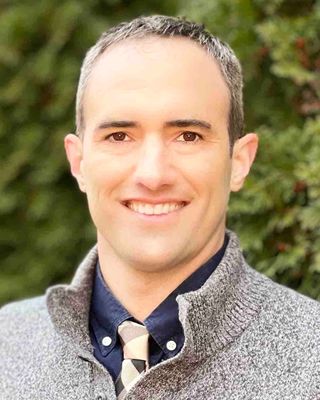
Photo of Bruce Bassi - TelepsychHealth, Psychiatrist, MD, MS
Hosted by TelepsychHealth
Psychiatrist, MD, MS
Group meets in Corona, NY 11368
As of 11/2023, this group is active. It is for individuals looking to do CBT and DBT based therapy for anxiety, depression, bipolar, borderline personality.
(585) 534-2679 View (585) 534-2679

More Groups Nearby

I’m currently running virtual groups with New York and New Jersey clients. My groups have five members in which each person works weekly on concerns related to food, body image or other issues in their lives. These Groups are supportive and empowering. My Groups have successfully helped many people attain a permanent resolution of their struggles with food and their body, as well as helped them achieve successful relationships in their lives. I have taught other psychotherapists how to run successful eating disorder groups at many national conferences. Please call 212-750-8130 or 732-247-5112 for details.
Photo of Joanne Gerr, Clinical Social Work/Therapist, LCSW
Hosted by Joanne Gerr
Clinical Social Work/Therapist, LCSW
Group meets in New York, NY 10017
I’m currently running virtual groups with New York and New Jersey clients. My groups have five members in which each person works weekly on concerns related to food, body image or other issues in their lives. These Groups are supportive and empowering. My Groups have successfully helped many people attain a permanent resolution of their struggles with food and their body, as well as helped them achieve successful relationships in their lives. I have taught other psychotherapists how to run successful eating disorder groups at many national conferences. Please call 212-750-8130 or 732-247-5112 for details.
(516) 701-3345 View (516) 701-3345
I am a social worker who specializes in loss and bereavement. I am opening up a new group for people who have lost siblings, children or spouses. The group will be in Midtown Manhattan time to be determined based upon the participants needs. They’ll be a maximum of 6 to 8 people in the group and the group will run for an hour to an hour and 15 minutes. The group will be both on Zoom and sometimes in person.
Photo of Vicky Travis, Clinical Social Work/Therapist, LMSW
Hosted by Vicky Travis
Clinical Social Work/Therapist, LMSW
Group meets in New York, NY 10022
I am a social worker who specializes in loss and bereavement. I am opening up a new group for people who have lost siblings, children or spouses. The group will be in Midtown Manhattan time to be determined based upon the participants needs. They’ll be a maximum of 6 to 8 people in the group and the group will run for an hour to an hour and 15 minutes. The group will be both on Zoom and sometimes in person.
(646) 759-4410 View (646) 759-4410
This group focuses on an overview of sport psychology and techniques including effective goal setting, development of optimal levels of energy and concentration, improvement of resiliency and stress management, and the nuanced use of imagery.
Photo of Daniel Kadish, Psychologist, PhD
Hosted by Daniel Kadish
Psychologist, PhD
Group meets in New York, NY 10025
This group focuses on an overview of sport psychology and techniques including effective goal setting, development of optimal levels of energy and concentration, improvement of resiliency and stress management, and the nuanced use of imagery.
(917) 746-7681 View (917) 746-7681
I complete comprehensive evaluations for mental health, social-emotional, or behavioral concerns with children, adolescents, and young adults.
Photo of Aaron A Gubi, Psychologist, PhD
Hosted by Aaron A Gubi
Psychologist, PhD
Group meets in New York, NY 10016
I complete comprehensive evaluations for mental health, social-emotional, or behavioral concerns with children, adolescents, and young adults.
(646) 921-7634 View (646) 921-7634
Dialectical behavior therapy is an evidence-based therapy that focuses on skill building and taking empowering action in real life. Members will learn in class-teaching style how to: Participate more fully in life; Cope successfully with symptoms of anxiety or depression; Get unstuck from unhelpful emotional or behavioral patterns; Let go of judgments of self and others. Members will also gain skills to help soothe during emotional crises, decrease behaviors that are creating difficulties in life, learn to effectively handle emotional pain, and use assertive communication. Aetna and Anthem BCBS accepted, and the next 12-week cohort will begin 05/06/2025--register now!
Photo of Sarah Chipps, Psychologist, PsyD
Hosted by Sarah Chipps
Psychologist, PsyD
Group meets in Brooklyn, NY 11211
Dialectical behavior therapy is an evidence-based therapy that focuses on skill building and taking empowering action in real life. Members will learn in class-teaching style how to: Participate more fully in life; Cope successfully with symptoms of anxiety or depression; Get unstuck from unhelpful emotional or behavioral patterns; Let go of judgments of self and others. Members will also gain skills to help soothe during emotional crises, decrease behaviors that are creating difficulties in life, learn to effectively handle emotional pain, and use assertive communication. Aetna and Anthem BCBS accepted, and the next 12-week cohort will begin 05/06/2025--register now!
(347) 218-9656 View (347) 218-9656
I have extensive training in Dialectical Behavior Therapy and offer group DBT skills training. Individuals who attend my DBT groups are required to be in individual therapy; if their therapist is not well-versed in DBT, I will work collaboratively with them to reinforce the skills learned in my groups.
Photo of Nira S Nafisi, Psychologist, PhD
Hosted by Nira S Nafisi
Psychologist, PhD
Group meets in Great Neck, NY 11021
I have extensive training in Dialectical Behavior Therapy and offer group DBT skills training. Individuals who attend my DBT groups are required to be in individual therapy; if their therapist is not well-versed in DBT, I will work collaboratively with them to reinforce the skills learned in my groups.
(516) 693-8156 View (516) 693-8156
This 10 session group offers CBT and DBT skills for self care and resiliency for high school seniors and young adults. Learn how to set and meet your goals, identify your values, cope with stress, maintain healthy relationships, communicate effectively and be more present and more effective in your daily life.
Photo of Dawn K Catucci, Counselor, MS, Ed, PD, LMHC
Hosted by Dawn K Catucci
Counselor, MS, Ed, PD, LMHC
Group meets in Pleasantville, NY 10570
This 10 session group offers CBT and DBT skills for self care and resiliency for high school seniors and young adults. Learn how to set and meet your goals, identify your values, cope with stress, maintain healthy relationships, communicate effectively and be more present and more effective in your daily life.
(914) 712-8135 View (914) 712-8135
Putting a child to bed, in their own bed, can be difficult for a variety of reasons, including bedtime resistance and/or bedtime fears. Learn strategies to help you assist your child with this issue.
Photo of Sherry Henig, Psychologist, PhD
Hosted by Sherry Henig
Psychologist, PhD
Group meets in Plainview, NY 11803
Putting a child to bed, in their own bed, can be difficult for a variety of reasons, including bedtime resistance and/or bedtime fears. Learn strategies to help you assist your child with this issue.
(516) 586-0640 View (516) 586-0640
Navigating life as a woman can feel overwhelming but you don’t have to do it alone. Our virtual Women’s Group Therapy offers a supportive, judgment-free space to connect with others who truly understand your experiences. Together, we’ll explore challenges around relationships, anxiety, and life balance while building coping tools, confidence, and meaningful connection. If you’re ready to feel seen, supported, and empowered, we’re here for you.
Photo of Gabbie Veevers-Carter, Clinical Social Work/Therapist, LCSW
Hosted by Gabbie Veevers-Carter
Clinical Social Work/Therapist, LCSW
Group meets in New York, NY 10016
Navigating life as a woman can feel overwhelming but you don’t have to do it alone. Our virtual Women’s Group Therapy offers a supportive, judgment-free space to connect with others who truly understand your experiences. Together, we’ll explore challenges around relationships, anxiety, and life balance while building coping tools, confidence, and meaningful connection. If you’re ready to feel seen, supported, and empowered, we’re here for you.
(929) 460-9678 View (929) 460-9678
This 6-session course is designed to help expectant parents to address the common challenges associated with this exciting, yet challenging time. You will learn how to nurture a strong sense of connection, repair after an argument, reduce stress and tension, and build the strongest foundation possible so that you can maximize your enjoyment throughout this special time. Whether you are adopting, expecting or just thinking about starting a family, this comprehensive course will give you the skills, tools, and practice to reduce stress levels and improve the overall quality of your intimate relationship. I look forward to supporting you!
Photo of Jennifer Uhrlass, Marriage & Family Therapist, MA, LMFT
Hosted by Jennifer Uhrlass
Marriage & Family Therapist, MA, LMFT
Group meets in New York, NY 10016
This 6-session course is designed to help expectant parents to address the common challenges associated with this exciting, yet challenging time. You will learn how to nurture a strong sense of connection, repair after an argument, reduce stress and tension, and build the strongest foundation possible so that you can maximize your enjoyment throughout this special time. Whether you are adopting, expecting or just thinking about starting a family, this comprehensive course will give you the skills, tools, and practice to reduce stress levels and improve the overall quality of your intimate relationship. I look forward to supporting you!
(646) 982-1344 View (646) 982-1344
The Intensive Outpatient Program (IOP) is an outpatient treatment program for adults struggling with co-occurring substance use disorders and mental health issues. The program is designed to provide a caring, structured, and intensive treatment experience. IOP is focused on maintaining abstinence and building a sober support network while in early recovery from substance use disorders and mental health challenges. The foundation of the program is Dialectical Behavior Therapy (DBT) while also incorporating weekly individual therapy, process groups, didactic learning, and experiential therapies.
Photo of Silver Hill New York - Silver Hill New York, Treatment Center, OASAS
Hosted by Silver Hill New York
Treatment Center, OASAS
Group meets in New York, NY 10022
The Intensive Outpatient Program (IOP) is an outpatient treatment program for adults struggling with co-occurring substance use disorders and mental health issues. The program is designed to provide a caring, structured, and intensive treatment experience. IOP is focused on maintaining abstinence and building a sober support network while in early recovery from substance use disorders and mental health challenges. The foundation of the program is Dialectical Behavior Therapy (DBT) while also incorporating weekly individual therapy, process groups, didactic learning, and experiential therapies.
(212) 838-0044 View (212) 838-0044
This in-person, therapist-only group offers a restorative space to pause, reflect, and replenish. Over four weeks in a beautiful Brooklyn studio, we’ll blend somatic practices, guided meditation, intentional sharing, regenerative tools, and nature-based connection to support your energy, boundaries, and clarity. Bloom is a confidential, supportive container for therapists to step away from the demands of clinical work and reconnect with your vitality. Limited to 10 participants to maintain depth and intimacy. May 5–26, 2026 Apply: maiakiley.com/bloom
Photo of Maia Kiley, Marriage & Family Therapist, LMFT
Hosted by Maia Kiley
Marriage & Family Therapist, LMFT
Group meets in Brooklyn, NY 11201
This in-person, therapist-only group offers a restorative space to pause, reflect, and replenish. Over four weeks in a beautiful Brooklyn studio, we’ll blend somatic practices, guided meditation, intentional sharing, regenerative tools, and nature-based connection to support your energy, boundaries, and clarity. Bloom is a confidential, supportive container for therapists to step away from the demands of clinical work and reconnect with your vitality. Limited to 10 participants to maintain depth and intimacy. May 5–26, 2026 Apply: maiakiley.com/bloom
(929) 236-1692 View (929) 236-1692
The transition to parenthood is difficult for moms and dads. While many new and expecting moms struggle from perinatal mood and anxiety disorders (PMADs) otherwise known as postpartum depression - dads and partners do too. If mom is suffering and you are trying to support her through it - this is a great opportunity to meet other partners having a similar experience while gaining practical support and tips from an expert clinician. The best thing for partners to do to get through this challenging time is to get the support THEY need. 25$ per class.
Photo of Chuck B Schaeffer - Dr Chuck Schaeffer Psychology, Psychologist, PhD
Hosted by Dr Chuck Schaeffer Psychology
Psychologist, PhD
Group meets in New York, NY 10016
The transition to parenthood is difficult for moms and dads. While many new and expecting moms struggle from perinatal mood and anxiety disorders (PMADs) otherwise known as postpartum depression - dads and partners do too. If mom is suffering and you are trying to support her through it - this is a great opportunity to meet other partners having a similar experience while gaining practical support and tips from an expert clinician. The best thing for partners to do to get through this challenging time is to get the support THEY need. 25$ per class.
(347) 527-4710 View (347) 527-4710
The Child & Family Institute is now offering a virtual young adult DBT Skills Group. Young Adults will gain coping skills to more effectively regulate emotions, decrease unhelpful behaviors, change destructive thinking patterns and improve relationship skills. We ask for a 12 week commitment.
Photo of Rena Blatt, Clinical Social Work/Therapist, LCSW
Hosted by Rena Blatt
Clinical Social Work/Therapist, LCSW
Group meets in Flushing, NY 11367
The Child & Family Institute is now offering a virtual young adult DBT Skills Group. Young Adults will gain coping skills to more effectively regulate emotions, decrease unhelpful behaviors, change destructive thinking patterns and improve relationship skills. We ask for a 12 week commitment.
(347) 541-6612 View (347) 541-6612
The group aims to create a safe space for members looking to further explore their relationships to self and other. My group work is oriented in psychodynamic/psychoanalytic frameworks but I use psychoeducation and other modalities when needed.
Photo of Jayne Miller, Psychologist, PsyD
Hosted by Jayne Miller
Psychologist, PsyD
Group meets in New York, NY 10016
The group aims to create a safe space for members looking to further explore their relationships to self and other. My group work is oriented in psychodynamic/psychoanalytic frameworks but I use psychoeducation and other modalities when needed.
(516) 701-1947 View (516) 701-1947
The group runs as a 6-month cycle, with each module building on the last: Mindfulness helps you become more aware of your thoughts, emotions, and urges without immediately reacting to them. Distress Tolerance focuses on getting through difficult moments without making things worse. Emotion Regulation helps you better understand and manage intense emotions. Interpersonal Effectiveness teaches skills for setting boundaries, asking for what you need, and navigating relationships more effectively. The goal is not perfection, but learning how to apply DBT skills in everyday life in a way that helps you feel more steady, more effective, and less controlled by your emotions.
Photo of Arielle Bailkin, Clinical Social Work/Therapist, LCSW
Hosted by Arielle Bailkin
Clinical Social Work/Therapist, LCSW
Group meets in New York, NY 10128
The group runs as a 6-month cycle, with each module building on the last: Mindfulness helps you become more aware of your thoughts, emotions, and urges without immediately reacting to them. Distress Tolerance focuses on getting through difficult moments without making things worse. Emotion Regulation helps you better understand and manage intense emotions. Interpersonal Effectiveness teaches skills for setting boundaries, asking for what you need, and navigating relationships more effectively. The goal is not perfection, but learning how to apply DBT skills in everyday life in a way that helps you feel more steady, more effective, and less controlled by your emotions.
(646) 956-3963 View (646) 956-3963
Group focuses on teaching DBT skills to help adults (18+) gain more awareness, emotional control, and interpersonal effectiveness.
Photo of Joanna Fava, Psychologist, MA, PhD
Hosted by Joanna Fava
Psychologist, MA, PhD
Group meets in Scarsdale, NY 10583
Group focuses on teaching DBT skills to help adults (18+) gain more awareness, emotional control, and interpersonal effectiveness.
(914) 491-5703 View (914) 491-5703
A therapeutic group to support symptoms of anxiety and trauma. Each group will include a breif mind/body/breathing practice, as well as time to journal and draw, followed by verbal processing with the group members and therapist.
Photo of Amanda Shafran - Amanda Shafran Psychotherapy, MFA, LCAT-LP, ATR-P, ERYT500, RPP
Hosted by Amanda Shafran Psychotherapy
Verified Verified
Group meets in New York, NY 10025
A therapeutic group to support symptoms of anxiety and trauma. Each group will include a breif mind/body/breathing practice, as well as time to journal and draw, followed by verbal processing with the group members and therapist.
(347) 514-6956 View (347) 514-6956
A weekly Wednesday evening group aimed at helping patients explore themselves and their relationship to others; a dynamic process that grows from the here-and-now of members' experiences in the room.
Photo of Charlie Stephenson, Licensed Master Social Worker, LMSW
Hosted by Charlie Stephenson
Licensed Master Social Worker, LMSW
Group meets in New York, NY 10036
A weekly Wednesday evening group aimed at helping patients explore themselves and their relationship to others; a dynamic process that grows from the here-and-now of members' experiences in the room.
(347) 429-7142 View (347) 429-7142

See more therapy options for 11368

FAQs - About Group Therapy and Support Groups

How can I find a support group in 11368?

To find a support group in your area, start by entering your city, zip code, or the name of the group into the search bar at the top of the page. When searching, consider whether you prefer an in-person or virtual group. This can help you decide how broad your geographic search should be. If you are open to virtual groups, you might want to search by state instead of just your city, especially if there are limited options nearby.

Once you complete your search, you can use the filters to narrow the results by selecting specialties (such as grief, trauma, or eating disorders), therapeutic approaches, age groups, and other criteria to find a group that best fits your needs.

How does group therapy work?

Group therapy is led by one or more trained therapists and provides a space where participants can process their experiences and learn from others facing similar challenges. Groups may focus on a specific issue—such as addiction, grief, physical illnesses, parenting, or caregiving—or they may center around a particular therapeutic approach, such as Cognitive Behavioral Therapy (CBT), social skill development, or Exposure Therapy. Some groups are also designed for specific populations, such as teens, veterans, or LGBTQ+ individuals.

It’s also important to distinguish group therapy from peer-led support groups, like Alcoholics Anonymous. While both can offer valuable support, therapy groups are typically led by licensed professionals and follow a more structured format. Therapy groups often meet for a fixed length of time with a consistent group of members, while many peer support groups meet for an indefinite period of time with members coming and going.

What are the benefits of group therapy?

Group therapy offers several important benefits. It brings together people facing similar challenges—whether related to mental health, physical health, or life transitions—and creates a supportive environment where participants can exchange feedback, share experiences, and learn from one another. Hearing different perspectives can help individuals discover new coping strategies and practical tools they may not have encountered on their own. Sharing personal experiences, such as coping with a serious illness or navigating family struggles, can also reduce feelings of isolation and foster a sense of connection and understanding. In addition to emotional support, group members often gain useful, real-world advice from peers who have faced similar situations.

Group therapy is typically more affordable than individual therapy and, for certain conditions, can be equally effective. Many groups also include structured activities—such as guided journaling, cognitive-behavioral exercises, or role-playing—to help participants develop concrete skills they can apply in daily life.

Is group therapy as effective as individual therapy?

It is difficult to make a blanket statement about the effectiveness of support groups, as they vary widely in focus and the conditions they address. However, support groups can be highly valuable in helping individuals gain emotional support and achieve meaningful treatment outcomes. For certain conditions, such as substance use, research has shown that group therapy can be particularly effective—sometimes just as effective as individual therapy—in supporting long-term recovery.

Many professionals attribute the effectiveness of group therapy to the unique benefits of the group setting, which fosters peer-to-peer learning and a sense of connection through shared experiences. Group settings also offer accountability and encouragement from both facilitators and fellow participants, which helps sustain motivation and supports continued progress. These factors together play a key role in promoting the overall effectiveness of group therapy.

How much does group therapy cost?

Group therapy is typically less expensive than individual therapy, with sessions typically costing between $50 and $75 each. In comparison, individual therapy can cost anywhere from $100 to $200 or more per session, even with insurance. Some therapists or organizations offer low-cost or free group therapy options, particularly through community centers or nonprofit organizations. In some cases, groups may require payment upfront for a set number of sessions, such as paying for six weekly sessions at the first meeting. However, many providers offer payment plans to help make participation more accessible if this upfront payment is required.

Does insurance cover group therapy?

As with individual therapy, insurance coverage for group therapy varies based on factors such as your specific insurance plan, the purpose of the group, your diagnosis, and whether the group provider is in-network. Many insurance plans cover group therapy sessions that address diagnosable mental health conditions, such as substance use disorders, anxiety, or depression.

However, groups that focus on topics not directly tied to a mental health diagnosis—such as parenting support or divorce recovery—are less likely to be covered. Because coverage can vary widely, it’s important to check with your insurance provider before joining a group to confirm whether the sessions will be covered and what out-of-pocket costs you may be responsible for.

How long does group therapy last?

The length of each group therapy session typically ranges from 45 minutes to two hours, depending on the therapy approach, the group’s goals, and how often the group meets. In some cases, group therapy is part of a larger treatment program, such as an Intensive Outpatient Program (IOP), where group sessions complement individual therapy and are scheduled as part of the program’s overall structure.

The duration of participation in a group also varies. Some groups are designed to be short-term, lasting anywhere from 6 to 24 weeks—for example, bereavement groups or skills-based groups like those using Dialectical Behavioral Therapy (DBT). Other groups may be longer-term, lasting a year or more, and some ongoing support groups meet indefinitely, allowing participants to stay as long as they find the group helpful.

What are the limitations of support groups?

Support groups offer many benefits, but they also have certain limitations. Unlike therapy groups, many support groups do not provide formal therapeutic treatment and are not led by licensed mental health professionals. For individuals seeking clinical treatment for specific mental health diagnoses—such as depression, eating disorders, or substance use—individual therapy or group therapy led by a licensed professional may offer more personalized and specialized care.

The effectiveness of a support group also depends heavily on the group’s participants and the overall group dynamic. When members engage respectfully and offer constructive support, the group can foster valuable peer-to-peer learning. However, if certain participants dominate discussions, provide inaccurate advice, or create conflict, it can disrupt the group’s sense of safety and reduce its effectiveness. Confidentiality can also be harder to maintain in support groups, particularly in open groups where participants can join or leave at any time. With new members regularly entering the group, it can be more difficult to build and sustain a consistent sense of trust and privacy.