Support Groups in 06437
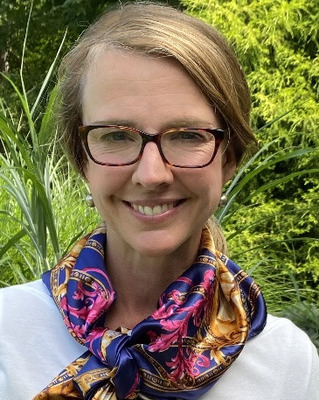
A 12-session group for women 55+ now forming for celebration, healing, and community. Please reach out for more details.

Hosted by Ashley Warner
Clinical Social Work/Therapist, LCSW, BCD-P
Verified Verified
Group meets in Guilford, CT 06437
For over 20 years, I’ve helped people with two types of goals: 1. Personal Growth. You feel pretty good, even great, yet it seems like something's missing. Or perhaps you’re navigating a new level of success and could use some solid and creative support. 2. Challenges and transitions. You may be dealing with past or recent trauma; anxiety; depression; feelings of emptiness; relationship difficulties; artistic impasse; chronic or terminal illness; existential anxiety; or other concerns.
Dialectical Behavior Therapy teaches skills to help clients learn how to tolerate and cope and to understand why life at times can be so hard. This group functions like an interactive class, and meets weekly over 15 weeks. Each week, members of the group will have the opportunity to learn and practice new skills in the area of mindfulness, emotion regulation, distress tolerance and interpersonal effectiveness.

Hosted by Alissa Goldberg
Clinical Social Work/Therapist, LCSW
Verified Verified
Group meets in Guilford, CT 06437
I specialize in working with adolescents and adults who feel stuck, depressed, anxious, overwhelmed and unsure of how they landed where they did. If you are feeling like things aren’t going as you thought they would or should, therapy can help you learn strategies to feel better, to reduce the despair and get in touch with your own wishes for your life. I specialize in providing evidenced based treatment to adolescents and adults. I was trained at Yale University and Yale New Haven Psychiatric Hospital’s intensive outpatient program in Dialectical Behavior Therapy.
8-week group focusing on changing habitual patterns associated with binge eating and emotional regulation. An integrative approach emphasizes mindfulness principles and skills that match each members unique and shared needs for sustaining mind, body and self connections for ongoing improved eating and body-image. A once monthly support group is available after completion of the 8-week group.

Hosted by Holly Starkman, PhD, LCSW
Clinical Social Work/Therapist, PhD, LCSW
Verified Verified
Group meets in Guilford, CT 06437
My clinical practice draws from extensive training in psychotherapy that integrates a psychodynamic perspective with therapeutic interventions that match the unique needs of a client. The range of interpersonal and skill-based interventions includes an understanding of family, culture, and gender specific influences on the current issues or concerns. The use of mindfulness principles and skills provides an added support to clients for strengthening their ability to better manage stress and for overall well-being. In over two decades as a psychotherapist I have consistently found that an integrative approach is most effective for promoting the positive outcomes that my clients are seeking.
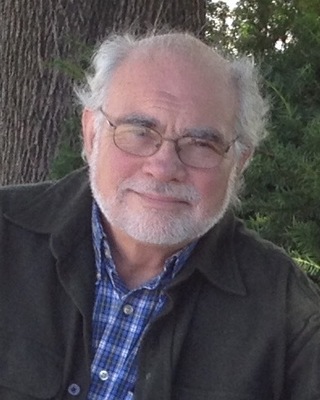
Hosted by Rev. Edward F Cornell
Licensed Professional Counselor, MDiv, MS, LPC
Verified Verified
Group meets in Guilford, CT 06437
Pathways Adolescent IOP "Stepping Stones" is located at 2418 Boston Post Road, Guilford, CT 06437 Our Team: Tori Piraino, LCSW & Thomas Allen, Ph.D. An evidence based cognitive-behavioral approach aimed at developing healthy coping strategies and building resilience. Adolescents will learn to face challenges and trust their ability to self-manage difficult emotions and behaviors. After "Stepping Stones": Our staff will work with patients, their families and outpatient therapists to facilitate an effective transition and establish a comprehensive support plan in their community. 860-767-1277 ext.201
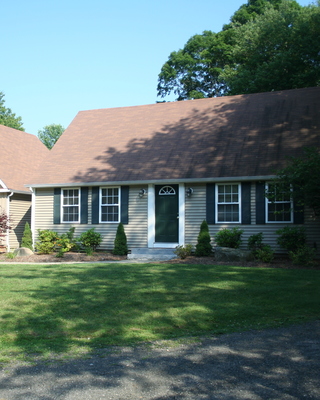
Hosted by Pathways Center For Learning & Behavioral Health
Clinical Social Work/Therapist, PhD
Verified Verified
Group meets in Guilford, CT 06437
At Pathways we believe that everyone has within themselves the potential for personal growth. Through forming a partnership with our patients, we strive to guide and empower them to work through obstacles they face. Our mission truly lies in our name, as we help each individual create their own pathway for change. We are committed to maintaining your privacy and realize that Trust, Respect and Confidentiality form the foundation of this partnership.
Dialectical Behavior Therapy can help move you towards a calm, centered life. This DBT skills group is designed to help individuals 1) learn how to pay attention to their thoughts and emotions without thoughts and emotions taking over, manage emotional highs and lows, learn interpersonal skills, and deal with moments of crisis. This group functions much like an interactive class, and meets weekly over 15 weeks. Each week, members of the group will have the opportunity to learn and practice new skills in the area of mindfulness, emotion regulation, distress tolerance and interpersonal effectiveness. An intake is required before entering the group.
Hosted by Guilford Psychological Services
Psychologist, MS, PhD
Verified Verified
Group meets in Guilford, CT 06437
Guilford Psychological Services serves clients across the lifespan, from early childhood through older adulthood. We have therapists with expertise in child and adolescent anxiety (social, generalized, etc), OCD, emotion dysregulation, self-harm and suicidality, as well as general discontent, loneliness, stress, and more. We offer relationship support & couples therapy for individuals in distressed relationships of all kinds-- couples, siblings, coworkers, etc. Therapy works well when clients feel understood, and it is absolutely powerful when specialized, empirically effective techniques are added to the mix!

Hosted by Fox And Feather Healing Arts Services
Licensed Professional Counselor, MA, ATR-BC, LPC
Verified Verified
Group meets in Guilford, CT 06437
SoulCollage® is a creative process through which we create collages on individual cards. If we were to imagine our entire being (mind, body, and spirit) as an ocean, each card represents one drop from our ocean. All the various pieces of our existence emerge on the cards. Over time, we develop our own deck of cards for guidance. The intent of this group is to open a space in which providers may gather and create. Whether it be a mental health, medical, teaching, or alternative healing role, providers need to enter their own personal realm of safety.
Hosted by Fox And Feather Healing Arts Services
Licensed Professional Counselor, MA, ATR-BC, LPC
Verified Verified
Group meets in Guilford, CT 06437
We have Openings! Are you curious about the song inside your heart? Are you interested in connecting to your inner magick? We specialize in treating female-identifying clients and members of the LGBTQIA+ community, ages 12 and older. Our team of counselors and art therapists is trained in treating eating disorders, trauma, depression, anxiety, and grief and loss. We are especially passionate about connecting our clients to their unique inner sense of spirituality. We believe you are wholesome as you are- life has just gotten in the way. We're here to help you remove blockages and restore the sovereign power that is your birthright.
This group is specifically for individuals who have completed at least one (and in many cases 2 or more) round(s) of DBT either in our practice or in another practice with a DBT adherent skills group. We review specific skills in more depth in the grad group, discuss obstacles to skill use, and use specific client examples to deepen individuals' comfort and efficacy with the skills.
Hosted by Guilford Psychological Services
Psychologist, MS, PhD
Verified Verified
Group meets in Guilford, CT 06437
Guilford Psychological Services serves clients across the lifespan, from early childhood through older adulthood. We have therapists with expertise in child and adolescent anxiety (social, generalized, etc), OCD, emotion dysregulation, self-harm and suicidality, as well as general discontent, loneliness, stress, and more. We offer relationship support & couples therapy for individuals in distressed relationships of all kinds-- couples, siblings, coworkers, etc. Therapy works well when clients feel understood, and it is absolutely powerful when specialized, empirically effective techniques are added to the mix!
This group provides a creative and profound way to see the hidden dynamics in your family that shape your life and the challenges you experience. It is an experiential approach with the potential to touch you and your family in a deep way. You can come to observe or participate. Either way, the work can have a profound impact.

Hosted by Barry Gordon
Marriage & Family Therapist, LMFT, CHT
Verified Verified
Group meets in Guilford, CT 06437
My practice is devoted to supporting families, couples, and individuals through the often difficult life transitions and challenges.
I offer a non-judgemental, creative approach leading to the resolution of many difficult patterns, habits, and illnesses.
Modalities include and are not limited to hypnotherapy, energy healing, gestalt therapy, family constellations, couples therapy, and strategic therapy.
"Stepping Stones" Monday, Wednesday, Thursday 12:30 - 3:30 Optional academic support following program hours. 2418 Boston Post Road, Guilford, CT 06437. Thomas Allen, Ph.D. & Tori Piraino, LCSW. An evidence based cognitive-behavioral approach aimed at developing healthy coping strategies & building resilience. Adolescents will learn to face challenges & trust their ability to self-manage difficult emotions & behaviors. Our staff will work with patients, their families & outpatient therapists to facilitate an effective transition & establish a comprehensive support plan. To make a referral & arrange an initial phone screening, please contact 860.767.1277 ext.201 www.pathwaysct.com Thank you for your continued trust in Pathways.
Hosted by Pathways Center For Learning & Behavioral Health
Clinical Social Work/Therapist, PhD
Verified Verified
Group meets in Guilford, CT 06437
At Pathways we believe that everyone has within themselves the potential for personal growth. Through forming a partnership with our patients, we strive to guide and empower them to work through obstacles they face. Our mission truly lies in our name, as we help each individual create their own pathway for change. We are committed to maintaining your privacy and realize that Trust, Respect and Confidentiality form the foundation of this partnership.
Educational group for creative artists to help support and educate the ideal of never giving up and being your most powerful creative self.

Hosted by Leesa Sklover
Licensed Professional Counselor, PhD, LPC, MA-MT, C-IAYT, CRC
Verified Verified
Group meets in Guilford, CT 06437
I listen with caring and compassion. Lifetime experience with counseling and integrative therapies, 27 years. Gain a sense of meaning as I witness your life and needs, making you feel understood. Specializing in Family and Couple enhancement. Pregnancy, Prenatal-Postpartum support. Parent, Child, Adult Therapy, Entertainment/ Sports industry- Mental Performance, Creative Guidance. Speaker-Therapist-Canyon Ranch Spa (12 yrs), Hospitals, Crisis Work-First Responders. People seeking counseling are often in transitional life stages. Turn doubt and anxiety around. It's a pleasure looking at life and relationships, with the right person.
SoulCollage® is a creative process through which we create collages on individual cards. If we were to imagine our entire being (mind, body, and spirit) as an ocean, each card represents one drop from our ocean. All the various pieces of our existence emerge on the cards. Over time, we develop our own deck of cards for guidance. The intent of this group is to open a space in which adult women may gather and create. An element of magic is inherently generated when women come together in a safe space.
Hosted by Fox And Feather Healing Arts Services
Licensed Professional Counselor, MA, ATR-BC, LPC
Verified Verified
Group meets in Guilford, CT 06437
We have Openings! Are you curious about the song inside your heart? Are you interested in connecting to your inner magick? We specialize in treating female-identifying clients and members of the LGBTQIA+ community, ages 12 and older. Our team of counselors and art therapists is trained in treating eating disorders, trauma, depression, anxiety, and grief and loss. We are especially passionate about connecting our clients to their unique inner sense of spirituality. We believe you are wholesome as you are- life has just gotten in the way. We're here to help you remove blockages and restore the sovereign power that is your birthright.
See more therapy options for 06437


FAQs - About Group Therapy and Support Groups
How can I find a support group in 06437?
Search for nearby support groups by inputting your city, zip code, or the name of the group into the search bar. From there, you can filter to find a group that suits your needs, whether you are looking for support for a teenager, a group that focuses on a specific issue, such as depression, or a particular program type, such as one geared toward developing social skills. To navigate between locations within the same country, enter a new city or zip code into the search bar.
How does group therapy work?
Therapy groups are led by one or more therapists and serve to help people process their experiences and learn from others who understand their challenges firsthand. They can be based on a specific issue, such as addiction, grief, physical illnesses, parenting, and caregiving. They can involve a specific type of program or therapy, such as a social skills group or CBT group. They can also be specific to a particular population or community, such as teens or LGBTQ.
Support groups, like Alcoholics Anonymous, also focus on a specific issue, but are typically led by members with lived experiences and are less structured than therapy groups. Most therapy groups will meet for a fixed length of time with a consistent group of members, while many support groups meet for an indefinite period of time with members coming and going.
Support groups, like Alcoholics Anonymous, also focus on a specific issue, but are typically led by members with lived experiences and are less structured than therapy groups. Most therapy groups will meet for a fixed length of time with a consistent group of members, while many support groups meet for an indefinite period of time with members coming and going.
What are the benefits of group therapy?
Support groups help connect people with shared challenges or physical and mental health conditions. In a group setting, participants can receive support and feedback from peers and can acquire new skills, strategies and perspectives by listening to one another. Discussing your experience with someone who also has a cancer diagnosis, or whose son also struggles with addiction, for example, can help you feel less alone, reduce distress, find empathy and connection, and learn practical or medical information that has helped others. Group therapy can also be a more affordable option than individual therapy and just as effective.
Is group therapy as effective as individual therapy?
Support groups can be deeply valuable for both emotional support and/or treatment outcomes. It’s difficult to make a blanket statement on efficacy due to the many different types of support groups and conditions treated, but group therapy has been found to be just as effective as individual therapy in establishing long-term abstinence for conditions such as substance abuse, addiction and alcohol abuse.
How much does group therapy cost?
Group counseling is typically less expensive than individual counseling, with each session costing on average between $60 to $75. Meanwhile, individual therapy sessions can run anywhere from $100 to $200 and up, even after insurance. It is possible to find low-cost group therapy options and many therapists offer group sessions free of charge.
Does insurance cover group therapy?
As with individual therapy, many insurance companies do offer coverage for group therapy sessions. However, the coverage varies based on your insurance plan details and whether you choose an in-network or out-of-network mental healthcare provider. Individuals are encouraged to check with their insurance providers to verify coverage.
How long does group therapy last?
The length of a support group session is often one hour but can fall anywhere between 45 minutes and two hours. The amount of time that people remain in a support group varies based on their specific needs and goals and the type of therapy. Some individuals may seek a shorter-term group, such as a bereavement group, that may last between six and 20 weeks. Some may seek a longer-term group that lasts for a year or indefinitely.
What are the limitations of support groups?
Support groups have many benefits, but there are a few limitations as well. Support groups do not constitute formal therapeutic or medical treatment, and are not run by licensed mental health professionals, so some people may opt for group therapy or individual therapy instead. Additionally, support groups can depend on the other participants, so a disruptive individual has the potential to mar the group dynamic, and the anecdotal information shared may sometimes be unhelpful or inaccurate. Because it is a group setting, confidentiality can be more difficult to guard and participants receive less personalized attention than they would in an individual therapy session.