Support Groups in 01890
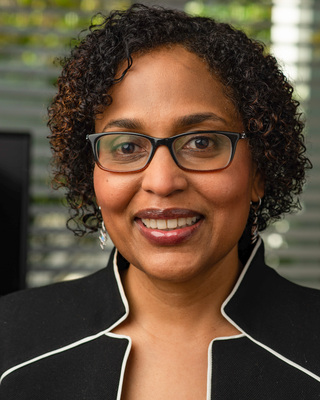
Beryllium Psychiatry is adding exercise as part of our treatment planning. Our wonderful health coach Chrep Meitner, has created a new Mindfulness and Nature Immersion walking group. Come rejuvenate your mind and body, increase your sense of calm, and stave off depression and anxiety. Come walk with us!

Beryllium Psychiatry is adding exercise as part of our treatment planning. Our wonderful health coach Chrep Meitner, has created a new Mindfulness and Nature Immersion walking group. Come rejuvenate your mind and body, increase your sense of calm, and stave off depression and anxiety. Come walk with us!
Finding Your Inner Goddess: Join our art-based support group designed for women feeling overwhelmed and stressed in their personal and/or professional lives. If you're looking to reclaim your sense of self and regain your purpose, this group offers a nurturing environment for self-rediscovery. Through art, journaling, and therapist-guided support, you'll explore and affirm aspects of yourself that may have been concealed. Together, we will emphasize the importance of healing and embracing your wholeness to effectively manage life's stresses. For more information visit: www.berylliumpsych.com/goddess

Finding Your Inner Goddess: Join our art-based support group designed for women feeling overwhelmed and stressed in their personal and/or professional lives. If you're looking to reclaim your sense of self and regain your purpose, this group offers a nurturing environment for self-rediscovery. Through art, journaling, and therapist-guided support, you'll explore and affirm aspects of yourself that may have been concealed. Together, we will emphasize the importance of healing and embracing your wholeness to effectively manage life's stresses. For more information visit: www.berylliumpsych.com/goddess
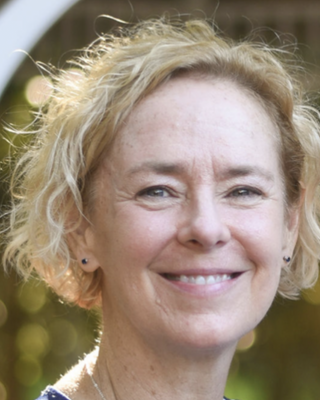
Group therapy focuses on interpersonal relationships. It provides opportunities for members to learn with and from one another, to understand one’s patterns of thoughts and behaviors, as well as those of others and to better understand how people react to one another. Group therapy can help people feel less alone, less different, more connected and better understood. Women face particular challenges in our culture and women’s groups can provide a safe space in which to talk about these challenges.
Group therapy focuses on interpersonal relationships. It provides opportunities for members to learn with and from one another, to understand one’s patterns of thoughts and behaviors, as well as those of others and to better understand how people react to one another. Group therapy can help people feel less alone, less different, more connected and better understood. Women face particular challenges in our culture and women’s groups can provide a safe space in which to talk about these challenges.
More Groups Nearby
Based on the Allender Center model of story work, this group helps men engage their story around sexuality so that they might break free from pornography and sex addiction. Participants write and read key stories from their childhood, and a trained facilitator helps the group engage them with curiosity and kindness.

Based on the Allender Center model of story work, this group helps men engage their story around sexuality so that they might break free from pornography and sex addiction. Participants write and read key stories from their childhood, and a trained facilitator helps the group engage them with curiosity and kindness.
Join us this fall in our dynamic studio space. First we move, then we hang out & chat. Testimonials: "It's a great way to move your body in more fun ways," "It's really fun and if something is on your mind, you can definitely talk it out and will walk out feeling happy."

Join us this fall in our dynamic studio space. First we move, then we hang out & chat. Testimonials: "It's a great way to move your body in more fun ways," "It's really fun and if something is on your mind, you can definitely talk it out and will walk out feeling happy."
A 8-week therapy group to explore, process, and shift anxious and obsessive patterns in your relationships. Starts October 2026. Whether you've been formally diagnosed with OCD, or you are curious about relational OCD tendencies within yourself, we'll tap the wisdom of OCD treatment to interrupt the snowball effect of relationship anxiety and automatic, compulsive actions. Reach out to request the inquiry form link!

Hosted by Alex Bauermeister
Clinical Social Work/Therapist, LCSW, IAYT, RYT
Group meets in Boston, MA 02131
A 8-week therapy group to explore, process, and shift anxious and obsessive patterns in your relationships. Starts October 2026. Whether you've been formally diagnosed with OCD, or you are curious about relational OCD tendencies within yourself, we'll tap the wisdom of OCD treatment to interrupt the snowball effect of relationship anxiety and automatic, compulsive actions. Reach out to request the inquiry form link!
The DnD Therapy Group is an opportunity for 3-6 participants to explore an individualized campaign using the DnD 5th Edition structure to foster coping skills and develop interpersonal skills that can aid in everyday life. Topics to be explored through this individualized, collaborative and therapeutic gaming process will include: ? how to increase self-confidence and self-worth, opportunities to practice and improve assertive and kind communication, ways to develop and practice boundary setting while building and fostering sympathy/empathy, exploring one's sense of self/identity, and exploring the intersection of DnD with expressive arts therapy.

The DnD Therapy Group is an opportunity for 3-6 participants to explore an individualized campaign using the DnD 5th Edition structure to foster coping skills and develop interpersonal skills that can aid in everyday life. Topics to be explored through this individualized, collaborative and therapeutic gaming process will include: ? how to increase self-confidence and self-worth, opportunities to practice and improve assertive and kind communication, ways to develop and practice boundary setting while building and fostering sympathy/empathy, exploring one's sense of self/identity, and exploring the intersection of DnD with expressive arts therapy.
This group has been created to help parents learn to take care of themselves, and to deal with their children who have opiate addictions. It is both supportive and educational with the goal of helping those participating in the group develope better ways of coping ,and how to help ,while not enabling their children. Covered by insurance, and sliding fee.

Hosted by Jeffrey H Zeizel
Clinical Social Work/Therapist, LICSW, MPH, BCD, SAP
Group meets in Woburn, MA 01801
This group has been created to help parents learn to take care of themselves, and to deal with their children who have opiate addictions. It is both supportive and educational with the goal of helping those participating in the group develope better ways of coping ,and how to help ,while not enabling their children. Covered by insurance, and sliding fee.
Join us for a trauma book group facilitated by Amber Walsh, Master's LMHC. We will read What My Bones Know: A Memoir of Healing from Complex Trauma by Stephanie Foo and use this text as a foundation for discussion and journaling. Amber shares journaling prompts and discussion questions each week and facilitates mini-lessons on trauma topics to increase participants' knowledge. For adults (18+) interested in learning about trauma, its impact on the brain, and evidence-based healing, especially those in or seeking therapy, in an educational setting. Dates: 4/23, 4/30, 5/7, 5/14, 5/21

Join us for a trauma book group facilitated by Amber Walsh, Master's LMHC. We will read What My Bones Know: A Memoir of Healing from Complex Trauma by Stephanie Foo and use this text as a foundation for discussion and journaling. Amber shares journaling prompts and discussion questions each week and facilitates mini-lessons on trauma topics to increase participants' knowledge. For adults (18+) interested in learning about trauma, its impact on the brain, and evidence-based healing, especially those in or seeking therapy, in an educational setting. Dates: 4/23, 4/30, 5/7, 5/14, 5/21
Virtual process group for young adults (18-35) living with chronic pain or chronic illness, including fibromyalgia, POTS, dysautonomia, autoimmune disorders, and post-COVID complications. This reflective space offers peer connection with others who understand invisible struggles without explanation. Led by Dr. Kylie Steinhilber, pain psychology specialist with postdoctoral training at Brigham & Women's Hospital. Evidence-based, trauma-informed approach using CBT and ACT principles. Group addresses emotional impact, relational challenges, and resilience-building through authentic peer support. Meets 2nd & 4th Thursdays, 1pm EST. Get started at: www.bostonhealthpsych.com/contact

Virtual process group for young adults (18-35) living with chronic pain or chronic illness, including fibromyalgia, POTS, dysautonomia, autoimmune disorders, and post-COVID complications. This reflective space offers peer connection with others who understand invisible struggles without explanation. Led by Dr. Kylie Steinhilber, pain psychology specialist with postdoctoral training at Brigham & Women's Hospital. Evidence-based, trauma-informed approach using CBT and ACT principles. Group addresses emotional impact, relational challenges, and resilience-building through authentic peer support. Meets 2nd & 4th Thursdays, 1pm EST. Get started at: www.bostonhealthpsych.com/contact
Change how you feel by changing the way you think! In these workshops, you'll learn effective SELF-help strategies...ways to FEEL BETTER, and DO better in your life!

Hosted by New Inspiration Teen Counseling
Clinical Social Work/Therapist, LICSW, CCBT, MSW
Group meets in Arlington, MA 02474
Change how you feel by changing the way you think! In these workshops, you'll learn effective SELF-help strategies...ways to FEEL BETTER, and DO better in your life!
The Lunchtime Men's Interpersonal Group is an ongoing group for men in their 20's to 60's who are working on issues of identity, self-esteem, career, and relationships.

The Lunchtime Men's Interpersonal Group is an ongoing group for men in their 20's to 60's who are working on issues of identity, self-esteem, career, and relationships.
This group is a BASIC and ADVANCED psychoeducational group broken down into four modules including mindfulness & distress tolerance skills, emotional containment skills, effective communication, and middle path skills. The common thread in all modules is Mindfulness skills, employing current research in NEUROSCIENCE, TRAUMA, and POSITIVE NEUROPLASTICITY. This group is very effective for clients who are looking to get tools to grow personally and emotionally, no particular diagnosis is needed to benefit from tools. This group is used in conjunction with individual therapy. GROUP MEETS ONLINE VIA ZOOM

This group is a BASIC and ADVANCED psychoeducational group broken down into four modules including mindfulness & distress tolerance skills, emotional containment skills, effective communication, and middle path skills. The common thread in all modules is Mindfulness skills, employing current research in NEUROSCIENCE, TRAUMA, and POSITIVE NEUROPLASTICITY. This group is very effective for clients who are looking to get tools to grow personally and emotionally, no particular diagnosis is needed to benefit from tools. This group is used in conjunction with individual therapy. GROUP MEETS ONLINE VIA ZOOM
This is a therapy group for adults who are interested in learning more about themselves and how they relate to others. Please contact me for more information.

This is a therapy group for adults who are interested in learning more about themselves and how they relate to others. Please contact me for more information.
This is a small group, currently meeting every other Wednesday evening at my home office. We seek to safely navigate the challenges of early career and relationship building, along with later, mid-life difficulties, including divorce, lack of intimacy with partners, children and parents. Younger and older men help each other in an age old tradition of community and mutual support. We focus on maturation, accountability, trust, empathy, and compassion for self and others, as fragile/vulnerable and healing/resilient men. We practice the feeling of belonging in safety, attached in joyous connection, finding the respect and love we need to grow together!

This is a small group, currently meeting every other Wednesday evening at my home office. We seek to safely navigate the challenges of early career and relationship building, along with later, mid-life difficulties, including divorce, lack of intimacy with partners, children and parents. Younger and older men help each other in an age old tradition of community and mutual support. We focus on maturation, accountability, trust, empathy, and compassion for self and others, as fragile/vulnerable and healing/resilient men. We practice the feeling of belonging in safety, attached in joyous connection, finding the respect and love we need to grow together!
The shift into fatherhood can be a challenging one. The process of adapting to new experiences in parenting/co-parenting, shifts in identity, and taking on new roles and responsibilities (among other changes) can be overwhelming and difficult to navigate. My aim to is to provide a space for new fathers to explore these challenges in an empathic, collaborative, and mutually supportive environment. This group will meet biweekly via Zoom on Saturday mornings and is open to anyone who self-identifies as a "new father". Cost of session is $75 - may be billable through insurance.

The shift into fatherhood can be a challenging one. The process of adapting to new experiences in parenting/co-parenting, shifts in identity, and taking on new roles and responsibilities (among other changes) can be overwhelming and difficult to navigate. My aim to is to provide a space for new fathers to explore these challenges in an empathic, collaborative, and mutually supportive environment. This group will meet biweekly via Zoom on Saturday mornings and is open to anyone who self-identifies as a "new father". Cost of session is $75 - may be billable through insurance.
The Couples Project provides couples and sex therapy and is devoted to helping couples repair, restore or reimagine their relationship to create the deep love they desire. Intimacy is created not discovered. Learn how to create your ideal relationship.

Hosted by Michael Longo
Marriage & Family Therapist, MA, LMFT, LMHC, CST
Group meets in Concord, MA 01742
The Couples Project provides couples and sex therapy and is devoted to helping couples repair, restore or reimagine their relationship to create the deep love they desire. Intimacy is created not discovered. Learn how to create your ideal relationship.
This group is for partners betrayed by infidelity in a romantic relationship. The group will offer participants the space to share experiences of hurt and vulnerability and to build necessary social bonds at a time when connecting with others is inaccessible or painful. Members actively participate in selecting what aspects of infidelity recovery to address, but frequent topics include coping strategies, betrayal trauma recovery, addressing rumination and negative self-talk, and rebuilding self-esteem. This group is ongoing and is offered at multiple times. Participants may join at any time.

This group is for partners betrayed by infidelity in a romantic relationship. The group will offer participants the space to share experiences of hurt and vulnerability and to build necessary social bonds at a time when connecting with others is inaccessible or painful. Members actively participate in selecting what aspects of infidelity recovery to address, but frequent topics include coping strategies, betrayal trauma recovery, addressing rumination and negative self-talk, and rebuilding self-esteem. This group is ongoing and is offered at multiple times. Participants may join at any time.
This group aims to support college-aged students (incoming or returning) in the development of the necessary skills for managing the stressors associated with both being a student and in adjusting to the college environment. Members will leave this group with concrete skills that set them up for personal, social/relational, and academic well-being. This intensive 12 hour group program over 4 days will include cognitive-behavioral (CBT), dialectical behavior (DBT), and Acceptance & Commitment (ACT) skills-foundations with experiential (activity-based) practice. Interactive activity-based learning. Skills workbook provided + Tailored goals/planning at Intake session. Breakfast/ beverages catered.

This group aims to support college-aged students (incoming or returning) in the development of the necessary skills for managing the stressors associated with both being a student and in adjusting to the college environment. Members will leave this group with concrete skills that set them up for personal, social/relational, and academic well-being. This intensive 12 hour group program over 4 days will include cognitive-behavioral (CBT), dialectical behavior (DBT), and Acceptance & Commitment (ACT) skills-foundations with experiential (activity-based) practice. Interactive activity-based learning. Skills workbook provided + Tailored goals/planning at Intake session. Breakfast/ beverages catered.
This is an 8 week online discussion and support group for polyamorous and similarly identified individuals (we ask that only one member of a partnership register per cohort), facilitated by me, Kerry Pinnisi LMHC (they/she), and my spouse, Kel Monroe (they/he). Meetings are Thursdays 7pm-8:30p. We'll talk about jealousy, stigma & myths, coming out, partner & metamour dynamics, new relationship energy, self-care & relationship care, building community, and more! Out-of-network insurance reimbursement available. To register, please email me at kerrypinnisicounseling@gmail.com.

This is an 8 week online discussion and support group for polyamorous and similarly identified individuals (we ask that only one member of a partnership register per cohort), facilitated by me, Kerry Pinnisi LMHC (they/she), and my spouse, Kel Monroe (they/he). Meetings are Thursdays 7pm-8:30p. We'll talk about jealousy, stigma & myths, coming out, partner & metamour dynamics, new relationship energy, self-care & relationship care, building community, and more! Out-of-network insurance reimbursement available. To register, please email me at kerrypinnisicounseling@gmail.com.
See more therapy options for 01890
FAQs - About Group Therapy and Support Groups
How can I find a support group in 01890?
To find a support group in your area, start by entering your city, zip code, or the name of the group into the search bar at the top of the page. When searching, consider whether you prefer an in-person or virtual group. This can help you decide how broad your geographic search should be. If you are open to virtual groups, you might want to search by state instead of just your city, especially if there are limited options nearby.
Once you complete your search, you can use the filters to narrow the results by selecting specialties (such as grief, trauma, or eating disorders), therapeutic approaches, age groups, and other criteria to find a group that best fits your needs.
How does group therapy work?
Group therapy is led by one or more trained therapists and provides a space where participants can process their experiences and learn from others facing similar challenges. Groups may focus on a specific issue—such as addiction, grief, physical illnesses, parenting, or caregiving—or they may center around a particular therapeutic approach, such as Cognitive Behavioral Therapy (CBT), social skill development, or Exposure Therapy. Some groups are also designed for specific populations, such as teens, veterans, or LGBTQ+ individuals.
It’s also important to distinguish group therapy from peer-led support groups, like Alcoholics Anonymous. While both can offer valuable support, therapy groups are typically led by licensed professionals and follow a more structured format. Therapy groups often meet for a fixed length of time with a consistent group of members, while many peer support groups meet for an indefinite period of time with members coming and going.
What are the benefits of group therapy?
Group therapy offers several important benefits. It brings together people facing similar challenges—whether related to mental health, physical health, or life transitions—and creates a supportive environment where participants can exchange feedback, share experiences, and learn from one another. Hearing different perspectives can help individuals discover new coping strategies and practical tools they may not have encountered on their own. Sharing personal experiences, such as coping with a serious illness or navigating family struggles, can also reduce feelings of isolation and foster a sense of connection and understanding. In addition to emotional support, group members often gain useful, real-world advice from peers who have faced similar situations.
Group therapy is typically more affordable than individual therapy and, for certain conditions, can be equally effective. Many groups also include structured activities—such as guided journaling, cognitive-behavioral exercises, or role-playing—to help participants develop concrete skills they can apply in daily life.
Is group therapy as effective as individual therapy?
It is difficult to make a blanket statement about the effectiveness of support groups, as they vary widely in focus and the conditions they address. However, support groups can be highly valuable in helping individuals gain emotional support and achieve meaningful treatment outcomes. For certain conditions, such as substance use, research has shown that group therapy can be particularly effective—sometimes just as effective as individual therapy—in supporting long-term recovery.
Many professionals attribute the effectiveness of group therapy to the unique benefits of the group setting, which fosters peer-to-peer learning and a sense of connection through shared experiences. Group settings also offer accountability and encouragement from both facilitators and fellow participants, which helps sustain motivation and supports continued progress. These factors together play a key role in promoting the overall effectiveness of group therapy.
How much does group therapy cost?
Group therapy is typically less expensive than individual therapy, with sessions typically costing between $50 and $75 each. In comparison, individual therapy can cost anywhere from $100 to $200 or more per session, even with insurance. Some therapists or organizations offer low-cost or free group therapy options, particularly through community centers or nonprofit organizations. In some cases, groups may require payment upfront for a set number of sessions, such as paying for six weekly sessions at the first meeting. However, many providers offer payment plans to help make participation more accessible if this upfront payment is required.
Does insurance cover group therapy?
As with individual therapy, insurance coverage for group therapy varies based on factors such as your specific insurance plan, the purpose of the group, your diagnosis, and whether the group provider is in-network. Many insurance plans cover group therapy sessions that address diagnosable mental health conditions, such as substance use disorders, anxiety, or depression.
However, groups that focus on topics not directly tied to a mental health diagnosis—such as parenting support or divorce recovery—are less likely to be covered. Because coverage can vary widely, it’s important to check with your insurance provider before joining a group to confirm whether the sessions will be covered and what out-of-pocket costs you may be responsible for.
How long does group therapy last?
The length of each group therapy session typically ranges from 45 minutes to two hours, depending on the therapy approach, the group’s goals, and how often the group meets. In some cases, group therapy is part of a larger treatment program, such as an Intensive Outpatient Program (IOP), where group sessions complement individual therapy and are scheduled as part of the program’s overall structure.
The duration of participation in a group also varies. Some groups are designed to be short-term, lasting anywhere from 6 to 24 weeks—for example, bereavement groups or skills-based groups like those using Dialectical Behavioral Therapy (DBT). Other groups may be longer-term, lasting a year or more, and some ongoing support groups meet indefinitely, allowing participants to stay as long as they find the group helpful.
What are the limitations of support groups?
Support groups offer many benefits, but they also have certain limitations. Unlike therapy groups, many support groups do not provide formal therapeutic treatment and are not led by licensed mental health professionals. For individuals seeking clinical treatment for specific mental health diagnoses—such as depression, eating disorders, or substance use—individual therapy or group therapy led by a licensed professional may offer more personalized and specialized care.
The effectiveness of a support group also depends heavily on the group’s participants and the overall group dynamic. When members engage respectfully and offer constructive support, the group can foster valuable peer-to-peer learning. However, if certain participants dominate discussions, provide inaccurate advice, or create conflict, it can disrupt the group’s sense of safety and reduce its effectiveness. Confidentiality can also be harder to maintain in support groups, particularly in open groups where participants can join or leave at any time. With new members regularly entering the group, it can be more difficult to build and sustain a consistent sense of trust and privacy.