PrairieSol Wellness Retreat will be hosting their next retreat March 22- 29, 2020 in the Mayan Riviera/Cancun Mexico. Join therapists Eugenia Lehmann and Barbara Balshaw-Dow for 8 Days 7 nights in a large luxury private home located in a secure gated community. Cost of the retreat includes daily group and/or individual wellness workshops/counselling, daily yoga and meditation sessions, accommodations, daily breakfast, lunch and snacks, transportation and entrance fees to ALL planned day trips and activities, transportation to and from airport, and more!! For details contact Eugenia Lehmann at 204-887-4572 or visit PrairieSol Wellness Retreats website at www.prairiesol.ca
Hosted by Eugenia Lehmann Counselling Services
Registered Social Worker, RSW, BSW, MSW
Verified Verified
Group meets in Winnipeg, MB R2G
Eugenia Lehmann Counselling Services provides a safe private place to explore and discover yourself, develop coping skills, identify habitual patterns, and enhance personal strengths and accomplishments. I've worked with clients from various cultures, spiritual beliefs and backgrounds, providing supports to those experiencing trauma/addiction, life transitions and/or mental health concerns. Through this supportive role, I am committed to empowering clients to be actively involved in their own therapeutic process.
Parenting is the most important job a parent will ever have. It will likely also be the most challenging job that a parent will ever have, yet there is no formal training for the position of Parent. The Circle of Security parenting group offers a clear outline to help parents understand the needs of their child. Furthermore, it gives parents an opportunity to understand how they can work towards meeting those needs. Next group: Oct 11-Nov 29, Wednesday evenings from 6:30- 8:30 pm, (8 week closed group over zoom) Fee -$262.50 individuals and $472.50 couples
Hosted by Jasmin Finch
Counsellor, BSc, MMFT, RMFT, CCC
Verified Verified
Group meets in Winnipeg, MB R3N
Professional, confidential counselling services for individuals, couples, and families. Many people go through times in their lives when they feel unsure about who they are or where they are going. These feelings may arise for people for a number of different reasons. This uncertainty can be the source of suffering and pain. We can help you during these difficult times.
The group is open to all men who believe they may benefit from anger management / domestic violence counselling. Those who have been charged are welcome. The anger group for men runs on Monday evenings. You can start any Monday evening, when you have completed all five sessions you have completed the program. For women seeking anger management, individual sessions are available. The same material is covered as in the group for men.

Thirty three years of counselling experience has given me expertise in all areas of counselling. I am concerned for people experiencing individual, relationship, family and anger management concerns. I work with all clients in a safe and confidential environment to help them gain wholeness and a new perspective in their lives. I also offer video counselling via Skype. People can access me from anywhere in the world. I have clients over-seas and across Canada.
Dialectical behavior therapy is a specialized skills development course for those with borderline personality. The program was designed by founder, Marsha Linehan, and targets four focus areas: mindfulness, emotional regulation, distress tolerance, and interpersonal effectiveness.
Group members learn skills for better coping and relationships as they progress through this 15 weekly sessions. Group size is limited to a maximum of 6. A strong commitment to practicing these self-soothing and interpersonal skills is required, as is regular attendance. A safe and supportive environment for all members is assured. Contact David at 204-299-7334 or proactivetherapymb@gmail.com for details.

Hosted by David Chochinov
Occupational Therapist, MOT, BA-Psyc, BS(NUT), OTREG, (MB)
Verified Verified
Group meets in Winnipeg, MB R3L
Occupational Therapy is about learning ways to cope with and overcome challenges in your life. It is also about finding balance and working towards adding wholesomeness and joy to your everyday activities. Using cognitive behavioural therapies, I work to empower you to start taking the steps in your journey towards health, wellness, and a more fulfilling life. Trained in whole person rehabilitation techniques, I will assist you to over-come life problems that affect body and mind. If you are looking for a listener, coach, and teacher who is gentle, understanding, and insightful...then I am the therapist for you!
TGIM is an empowerment youth group session helping youth (10 - 17) and (18 -29) connecting with their innate potentials. TGIM's main objective helps in building the participants' self-esteem towards building great leaders.
Hosted by Bolaji Akinyele-Akanbi
Registered Social Worker, BA Hons, MSW, PhD, RSW
Verified Verified
Group meets in Winnipeg, MB R2J
Are you experiencing anxiety, depression, self-esteem, job or Covid-19 related stress, relationship stress, parent-teen relationship, intimate partner violence, emotional dysregulation, anger, or impulsivity? Have you lost someone dear to you and you are struggling with guilt or meaning of life? Is yours a struggle with your academic achievement or pain of the past? You have found your long-awaited help! As an experienced counselor of over 23years, I have helped my clients, focusing on their strengths, to understand the underlying factors of their problems towards achieving their goals as students, individuals, couples and families.
High school Social-Emotional Classes Our high-schoolers are given the tools to navigate adolescence with effective communication skills, coping and tolerance, decision-making skills and additional social-emotional tools that help them make good choices, avoid pitfalls, such as peer pressure, substance abuse, and prepare for the journey of adulthood.
Hosted by Positive Kids Inc
Registered Psychotherapist, MA, PsyD(c, RP
Verified Verified
Group meets in Winnipeg, MB R3L
Does your child struggle with ADHD, Behavioral Issues, Motivation, Decision Making, Focusing, Anger Management, Shyness, Anxiety or other type of Social-Emotional issue? Positive Kids is a revolutionary concept created by experts in the field of Emotional Intelligence. It is a private and affordable supplement to your child's academic curriculum that focuses on building and developing social and emotional skills. Our program results in children who are competent in the following areas: Self Control, Self-Awareness, Social Awareness, Relationship Skills and Responsible Decision making. These children ultimately become independent, confident, inquisitive, enthusiastic, responsible and compassionate adults in later years.
DBT Family Skills and Support Group runs for 10 weeks. This group is for anyone who loves someone struggling with emotional dysregulation or borderline personality disorder. Seeing a loved one struggle to regulate their emotions and their life is a unique experience. In this group, you will learn DBT strategies for your own coping, and skills to apply in the relationship.
Hosted by DBT Family Support
Psychiatric Nurse, BScPN, RPN
Verified Verified
Group meets in Winnipeg, MB R3B
DBT Family Support is a program designed to support family members and loved ones of individuals experiencing Borderline Personality Disorder or emotional dysregulation. DBT Therapy is a comprehensive treatment for those who experience emotional dysregulation. DBT Family Support targets the family/loved ones by teaching DBT skills to apply to their own personal coping. It will focus on communication in the relationship and creating a life worth living while loving someone who is experiencing active symptoms, in treatment or recovery.
Using principles of Psychodramatic Bodywork these groups incorporate personal healing through learning about where we hold our emotions and finding safe ways to express them. We enhance healing with the use of ceremony and ritual relevant to each group. Participants can choose to continue through different levels of groups to add to their understanding and continue personal growth. Levels include: Introductory, Intermediate, and Advanced. Grad groups may also be offered. Please contact us regarding an available group and time.
Hosted by Sandi Taylor Counselling & Consulting
Registered Social Worker, MTS, MSW, RSW
Verified Verified
Group meets in Headingley, MB R4H
As a social worker in private practice for over 17 years, I have the privilege of working with people of all ages and stages in life. I work with people of various cultures and walk with many directly and indirectly impacted by trauma associated with Residential and Day Schools. I embrace the uniqueness of every individual and invite their authentic self into the therapeutic space. Whether you are grieving a loss, dealing with trauma, feeling lost in yourself and looking to find wholeness, or exploring something that doesn’t seem right for you I will work to support you in becoming the best version of yourself.
Writing has been proven to be a highly effective healing modality. Meeting in a safe and secure online space, we will gather as a collective, meditate, write and share our writing.
Hosted by Nan Campbell
Marriage & Family Therapist, MMFT, BEd, BAhons
Verified Verified
Group meets in Lorette, MB R0A
It's going to be okay I am so happy you have taken the first step to care for yourself. It is often the most difficult part of starting on the journey of healing. If you are feeling anxious, worried, fearful, depressed, frustrated... you name it, we will work together to help you find the inner space to feel safe and secure. Let's take the next step together shall we?
This group uses mindfulness and dbt to teach skills for identifying and appropriately expressing emotions.
Hosted by Karyn M Walters
Counsellor, MMFT, PT, CCC, RSW
Verified Verified
Group meets in Winnipeg, MB R3C
I love working with children, teens, adults, couples and families! I am not your typical therapist. Clients have told me I am easy to talk to and they don't feel judged. I have experience working with all issues and would love the chance to work with what ever issues are in the way of living the life you want!

Hosted by Kristy Taylor Counselling and Psychotherapy
Counsellor, MEd, CCC
Verified Verified
Group meets in Winnipeg, MB R3T
This group covers the four modules of DBT: interpersonal effectiveness skills, mindfulness skills, emotion regulation skills, and distress tolerance. Group members learn how to build a life worth living through acquiring specific skills required to achieve their life goals. The group runs weekly and it takes 6 months to complete, and there are several options for weekly times including daytime and evening.

Hosted by Richard Lavoie
Registered Social Worker, MSW, RSW
Verified Verified
Group meets in Winnipeg, MB R3T
With two decades of collaborative experience alongside psychiatrists, psychologists, and healthcare experts, I've dedicated myself to enhancing clients' mental wellness. Recognizing that pain and suffering are universal, I've come to understand that mental wellbeing hinges on how we process these experiences. Consequently, feelings of anger, stress, self-doubt, anxiety, and depression often permeate our lives. Do you find yourself withdrawing or losing control when adversity strikes? If you struggle with motivation, energy, or suspect depression, consider seeking support. I'm here to accompany you on your path to recovery.
Consider taking time for yourself, become more emotionally aware, connect your feelings with your past or current experiences. Being conscious of yourself, and how you connect with others, takes time and skill. These skills are learned within life experiences and can be further explored in group therapy. A small group is being formed to reflect and restore healthy personal connections. Some topics might be; having a critical inner voice, inability to speak up, changes in health, work ,feeling anxious about your future. If you are ready to commit to improving your emotional health, then contact Ruth for further details
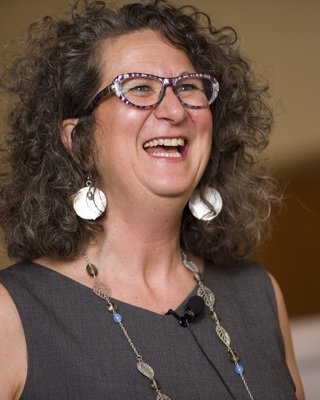
Hosted by Ruth B Z Thomson
Registered Social Worker, MSW, RSW
Verified Verified
Group meets in Winnipeg, MB R3J
Life transitions occur at every age. Building your inner strength through conversations with me promotes inner wellness which translates into an emotionally healthier you. I would assist you to navigate through life challenges: relationships, jobs, stages of life. Supporting you to find your voice and strategically plan your course of action to reduce stress. Balancing relationships is one aspect of being healthy. I offer compassionate interventions whether it is a relationship or career change or during end of life planning. Life events are opportunities for personal growth. Seeking therapy is a sign of readiness for the challenge of personal growth.
Fall 2021 Bereavement Support Series: Six Tuesdays, September 28-November 2; 7-9 pm. For those who have lost a loved one through death. Group number is limited to 8 participants. A flat fee of 120. per person covers the entire six-week series. Sessions are two hours in duration and will take place in person of all are fully vaccinated or online due to COVID-19 restrictions. Register and pre-pay by contacting lchurchill@crescentwoodcounselling.ca. Please see poster for additional info.

Hosted by Linda Churchill
Marriage & Family Therapist, MMFT, RMFT
Verified Verified
Group meets in Winnipeg, MB R3L
It takes courage to consult a therapist. Congratulate yourself for bravery if you choose this route; it's nothing short of heroic. You are welcome to consult with me about relational issues, recovery after an affair, premarital preparation/counselling, loss and grief, and much more. You will find me approachable, safe, insightful and compassionate.

Seeking Safety the first empirically studied, integrative treatment approach developed specifically for trauma and addictions. For persons with this prevalent and difficult-to-treat symptoms, the most urgent clinical need is to establish safety--to work toward discontinuing substance use, letting go of dangerous relationships, and gaining control over extreme symptoms. Sessions are divided into specific units or topics, addressing a range of different life areas. Each topic provides practical tools and techniques to reinforce "safe coping skills" and restore ideals that have been lost, including respect, care, protection, and healing.

Hosted by Melissa Muir
Marriage & Family Therapist, MA, RMFT
Verified Verified
Group meets in Winnipeg, MB R3G
In this uniquely challenging time, it is normal to experience stress and feel a wide range of thoughts and feelings. Even as the world around us is constantly changing we are capable of finding healthy ways to cope and strengthen our resilience. It takes courage to seek support and I believe in creating a safe and affirming environment where we can work together to better understand and improve your life circumstances.
Brick Clubs are fun, playful and inclusive and are delivered using the Brick-by-Brick® programme methodology that has been developed by Play Included® and the LEGO Foundation. Our Brick Club Facilitator has received specialist training to help support the children/young people taking part.
Team Building with LEGO®: Kids work together in small groups. Rotating Roles: Each child tries different roles—Engineer, Supplier, and Builder. Creative Play: Lots of LEGO activities, with opportunities to design and build together. Benefits: ? Enhances Communication & Problem-Solving Skills ????? Encourages Friendships & Social Interaction ? Supports Emotional Well-being ? Promotes Teamwork & Cooperation ? Builds Confidence & Self-Esteem
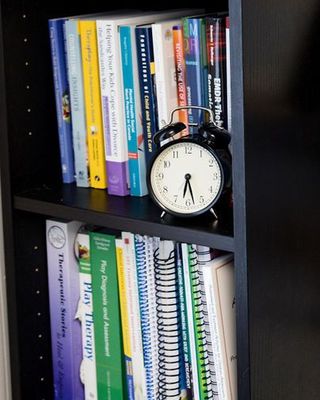
Hosted by Courageous Connections Counseling & Consulting
MSW, RSW
Verified Verified
Group meets in Winnipeg, MB R2M
At Courageous Connections we offer individual, family, couple and group therapy to children, youth, families and adults. Our team is made up of Social Workers and Counselors who specialize in Play Therapy, EMDR and Attachment-based therapies. We have therapists that work with people from all ages and stages of life. We focus on relationships, trauma, and supporting individuals with neurodivergence and their families.
Circle of Security Parenting Group (COS- P) is an 8-week, once per week group attachment based program aimed to improve attachment security between children and their parents/caregivers. I am certified to offer this training individually or small groups of parents, and can be adapted for couples needing to nurture their attachment. With the Circle of Security©- parenting program, you will Learn: self-awareness, sensitivity, responsiveness, connection, and responses to cues/miscues, emotional regulation and building/repairing secure attachments.
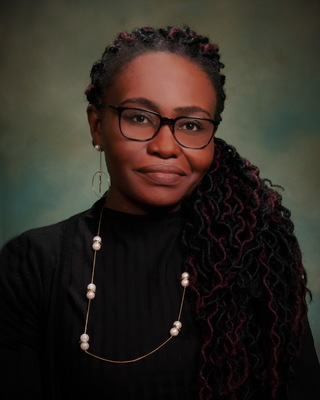
Hosted by Bliss Counselling and Wellness Centre
Counsellor, MEd, MA, CCC
Verified Verified
Group meets in Brandon, MB R7A
Is your child or teen angry, having trouble in school, or anxious, and you feel lost trying to help? Do the overwhelming feelings cause you to shut down because you just don't know where to start, and then lead to things not getting better? Do you wish you knew how to support your struggling child or teen and are trying your hardest but you just feel stuck and don't know what the next steps are? You're not sure what to do! It seems like every time you try something, it doesn't work out. You feel frustrated and anxious, and you start to doubt yourself and your abilities. If this sounds like you, you're not alone!
www.middlepathwpg.com Our DBT informed skills group for adolescents offers concrete skills to use in the moment to build awareness and regulate the intensity of emotional responses with the goal of building a life worth living. This group gives teens an opportunity to learn and grow alongside their caregiver so they can improve communication and build stronger relationships. Modules are covered in a 24 week cycle in 6 week blocks and include Mindfulness, Distress Tolerance, Emotional Regulation, Interpersonal Effectiveness and Walking the Middle Path. Groups are facilitated by registered Occupational Therapists.
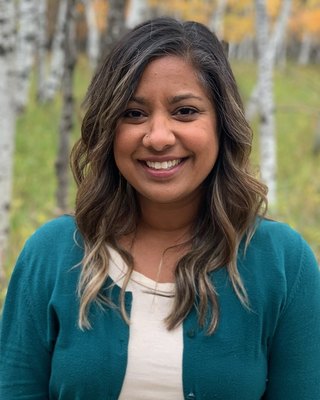
Hosted by Nadia MacKinnon
Occupational Therapist, BA, MOT
Verified Verified
Group meets in Winnipeg, MB R3B
Struggling with difficult emotions can make it hard to engage in everyday life, often leading to feelings of hopelessness. Working with an experienced therapist to develop effective coping skills can help you to feel more in control by learning to manage these feelings and the thoughts that accompany them. With over 15 years of experience, I have a passion for working with teens and adults who are struggling with mood disorders, personality disorders and anxiety disorders. Focusing on emotional regulation and distress tolerance, we can work to develop skills that enable you participate in and enjoy life.
DBT is used to treat behavioural and emotional problems, borderline personality disorder, anxiety, depression and eating disorders. The group covers all 4 DBT modules: mindfulness, interpersonal effectiveness, emotion regulation and distress tolerance. Group sessions are 2 hours in length and are taught in a way that gives opportunity for discussion and practice. Group cost is $ 100.00/session. New participants are welcome at the beginning of each module depending on availability.

Accepting new clients. Specializing in Dialectical Behavioral Therapy. DBT teaches us to see the world where more then one thing can be true at the same time. I practice from a person-centered approach supporting personal strengths. I see treatment as a time sensitive intervention, my goal is to create an environment that helps you reach your goals. I use action-based strategies that foster movement and progress. Therapy is about moving forward and creating the life you want to be living in. Feel free to inquire about a free phone consultation,.
See more therapy options for Manitoba


FAQs - About Group Therapy and Support Groups
How can I find a support group in Manitoba?
Search for nearby support groups by inputting your city, postal code, or the name of the group into the search bar. From there, you can filter to find a group that suits your needs, whether you are looking for support for a teenager, a group that focuses on a specific issue, such as depression, or a particular program type, such as one geared toward developing social skills. To navigate between locations within the same country, enter a new city or postal code into the search bar.
How does group therapy work?
Therapy groups are led by one or more therapists and serve to help people process their experiences and learn from others who understand their challenges firsthand. They can be based on a specific issue, such as addiction, grief, physical illnesses, parenting, and caregiving. They can involve a specific type of program or therapy, such as a social skills group or CBT group. They can also be specific to a particular population or community, such as teens or LGBTQ.
Support groups, like Alcoholics Anonymous, also focus on a specific issue, but are typically led by members with lived experiences and are less structured than therapy groups. Most therapy groups will meet for a fixed length of time with a consistent group of members, while many support groups meet for an indefinite period of time with members coming and going.
Support groups, like Alcoholics Anonymous, also focus on a specific issue, but are typically led by members with lived experiences and are less structured than therapy groups. Most therapy groups will meet for a fixed length of time with a consistent group of members, while many support groups meet for an indefinite period of time with members coming and going.
What are the benefits of group therapy?
Support groups help connect people with shared challenges or physical and mental health conditions. In a group setting, participants can receive support and feedback from peers and can acquire new skills, strategies and perspectives by listening to one another. Discussing your experience with someone who also has a cancer diagnosis, or whose son also struggles with addiction, for example, can help you feel less alone, reduce distress, find empathy and connection, and learn practical or medical information that has helped others. Group therapy can also be a more affordable option than individual therapy and just as effective.
Is group therapy as effective as individual therapy?
Support groups can be deeply valuable for both emotional support and/or treatment outcomes. It’s difficult to make a blanket statement on efficacy due to the many different types of support groups and conditions treated, but group therapy has been found to be just as effective as individual therapy in establishing long-term abstinence for conditions such as substance abuse, addiction and alcohol abuse.
How much does group therapy cost?
Group counselling is typically less expensive than individual counselling, with each session costing on average about $90 to $100. Meanwhile, individual therapy sessions can run anywhere from $100 to $200. It is possible to find low-cost group therapy options and many therapists offer group sessions free of charge.
Does insurance cover group therapy?
If you have private insurance, your plan may cover some if not all of your group therapy sessions. You should contact your insurance provider to determine if they provide coverage for group therapy sessions and to determine what, if any, requirements they might have in order for your sessions to be covered, such as a referral from your GP or medical specialist.
How long does group therapy last?
The length of a support group session is often one hour but can fall anywhere between 45 minutes and two hours. The amount of time that people remain in a support group varies based on their specific needs and goals and the type of therapy. Some individuals may seek a shorter-term group, such as a bereavement group, that may last between six and 20 weeks. Some may seek a longer-term group that lasts for a year or indefinitely.
What are the limitations of support groups?
Support groups have many benefits, but there are a few limitations as well. Support groups do not constitute formal therapeutic or medical treatment, and are not run by licensed mental health professionals, so some people may opt for group therapy or individual therapy instead. Additionally, support groups can depend on the other participants, so a disruptive individual has the potential to mar the group dynamic, and the anecdotal information shared may sometimes be unhelpful or inaccurate. Because it is a group setting, confidentiality can be more difficult to guard and participants receive less personalized attention than they would in an individual therapy session.