We offer licensed therapists, prescription management, psychiatry, autism care, and more.
Psychiatric Services for Adults and Children—We treat major depression, anxiety, bipolar disorder and more using prescribed medication and scientifically valid therapies. • Applied Behavior Analysis (ABA) therapy—For children on the autism spectrum, ABA therapy can target areas to improve quality of life for the client and family. • MAT (Medication Assisted Treatment)—Our experienced team uses FDA-approved medications and other therapies to treat addiction. • Transcranial Magnetic Stimulation (TMS) therapy—The most advanced technology for treating severe depression, TMS is similar to an MRI, using painless magnetic pulses to stimulate the brain. • Biofeedback—Specialized equipment allows us to help you improve your physical and mental health by managing symptoms of many conditions. • Wellness Therapies—Complementary therapies including yoga, nutrition counseling, meditation and more address the mind-body connection.
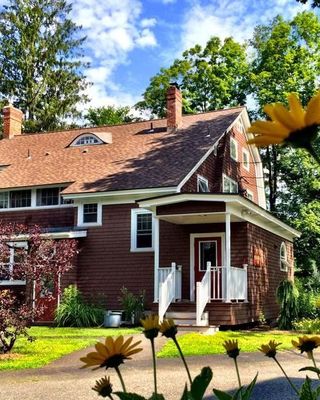
We work with young adults of all genders struggling with anxiety, depression, OCD, ASD 1, ADHD, neurodivergence, personality disorders, trauma and more.
Spruce Mountain Inn is a nationally-renowned residential treatment center for young adults aged 18-28. Our residence is intentionally small, with a maximum of 22 residents receiving treatment here at any given time. Our comprehensive and experiential approach integrates residential care, clinical mental health treatment, and career & education development. Additionally, our independent living program supports residents as they progress in treatment, helping them maintain their goals for renewed health, greater confidence, and a meaningful future and prepare for life post-treatment.
See more therapy options for Vermont


Autism Treatment Centers
What is the most effective treatment for autism?
Applied Behavior Analysis (ABA) has come to be considered the standard treatment for children with autism spectrum disorder, and research has confirmed its effectiveness for many children. Therapists trained in ABA techniques work with children (and their parents) on developing social skills, communication and learning abilities, and everyday habits of hygiene and grooming. The clinician will tailor their program to the child’s particular need but the overarching goal will be to help them advance as far as possible toward independence based on their level of symptoms and decrease the need for additional special services. Families should seek a mental health professional specifically trained in ABA, and holding special certification in the technique, who has extensive experience not only with the approach but in using it with children with the same level of symptoms as the child who needs care.
How does ABA work?
Applied Behavior Analysis (ABA) sessions, which typically focus on positive reinforcement, can be intensive, lasting two or more hours several times a week, and continuing for two years or more. Therapists can also be expected to ask parents to take an active role in reinforcing lessons. Research has found that the technique can lead to major improvements that decrease the need for additional special services.
How does treatment for autism work?
Therapy sessions based on Applied Behavior Analysis will likely be frequent, intensive, and highly structured. After a thorough assessment, a therapist will help a child understand and develop skills in a range of areas, including communication, motor skills, social skills, self-care, play, and academic skills, as well as routines of daily living like hygiene. Typically, the therapist will help a child break down the components of a behavior—often referred to as the antecedent (what prompts an action), the behavior, and the consequence(what immediately follows)—and then reward the child at every step, while also asking parents to reinforce the lessons, and the rewards, throughout the day. This core therapy may be supplemented by occupational or speech therapy, and antidepressants, antipsychotics, and anticonvulsants may be prescribed to address specific severe symptoms.
How long does therapy for autism take?
Some people with autism spectrum disorder may be engaged in some level of therapy for many years, but research shows that treatment will be most effective if it is begun early and delivered intensively. When therapy begins by age 3, children tend to be better able to grasp and adopt the skills needed to manage everyday life, including attending school and establishing social relationships. This type of early-intervention treatment regimen is highly structured, typically involving 20 to 40 hours of one-on-one therapy per week, along with additional hours of engagement managed by parents, for a period of two years or more, although the duration of treatment is dependent on the child’s level of symptoms and pace of progress.