Dialectical Behavior (DBT) Therapists in Milwaukee, WI

I often take a person-centered, relational, and culturally informed approach to treatment, and I incorporate tools like music, art, writing, mindfulness, ACT, and DBT to help clients achieve their goals.
After nearly a decade in the mental health field, I've learned that cookie-cutter approaches don't work for everyone. I tend to be a good fit for folks who want therapy to feel creative, authentic, and relational. I focus on collaborating with clients to understand their experiences in the world. Together, we'll use your unique strengths and resilience to help you find your own version of healing and growth. All parts of you are welcome here, including your humor, swearing, and the parts you'd rather hide. I often support teens and adults experiencing depression, anxiety, trauma, perfectionism, and challenging relationships.
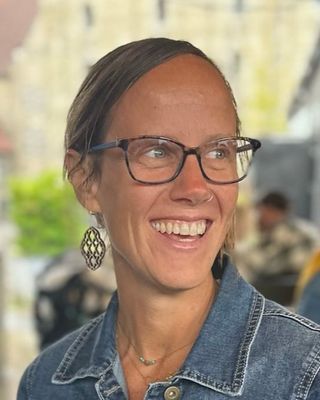
I am EMDR trained, certified in DBT, and an emphasis in Mindfulness & Meditation in the clinical practice.
Welcome! We all show up with different needs from one day to the next, but the willingness to invest in our own wellbeing both in and out of session is where opportunities live for a healthier self. The continued practice of self care is not always easy, convenient, or readily possible to the preferred extent that serves us. However, learning ourselves, practicing what benefits us and works within our own parameters, and cultivating what we need more of are a great start to being a good friend to ourselves. It takes a lot of courage to begin your therapy journey, and together, we can try to help build your most meaningful life.

We all deserve the chance to live a fulfilling, balanced life. Just as we tend to our physical well-being, our mental and emotional health deserves our attention and care. In a world that often prioritizes perfection and productivity over personal well-being, it's important to remind ourselves that our mental health is a necessity. I will guide you to become more compassionate with yourself. It's about recognizing that it's okay to struggle, to make mistakes, and feel vulnerable.
We all deserve the chance to live a fulfilling, balanced life. Just as we tend to our physical well-being, our mental and emotional health deserves our attention and care. In a world that often prioritizes perfection and productivity over personal well-being, it's important to remind ourselves that our mental health is a necessity. I will guide you to become more compassionate with yourself. It's about recognizing that it's okay to struggle, to make mistakes, and feel vulnerable.

I like to utilize CBT, DBT, MI, and Mindfulness.
Do you struggle with treating yourself kindly and with compassion? Do you have concerns in balancing your daily life stressors? Are you having worries about using substances more than you should? In our world today it is easy to become overwhelmed, de-sensitized, and set ourselves on auto-pilot just to survive. With guidance, therapy can help you gain more awareness of your emotional and mental states, learn to navigate interpersonal conflicts, and learn coping skills to facilitate meaningful change.

Robin believes people are hurting, are worthy of respect, and are doing their best to navigate life. She offers individual and group sessions which use an “all hands on deck” approach and focus on mindfulness, positive regard for self and others, value identification, boundary setting, honesty in recovery, and community building.
Robin believes people are hurting, are worthy of respect, and are doing their best to navigate life. She offers individual and group sessions which use an “all hands on deck” approach and focus on mindfulness, positive regard for self and others, value identification, boundary setting, honesty in recovery, and community building.

I utilize a combination of Brainspotting, Cognitive Behavioral Therapy, Cognitive Processing Therapy, DBT, Acceptance Commitment Therapy and Mindfulness Practices to help reduce the symptoms of trauma, anxiety, and depression that complicate and contribute to Substance Use Disorders.
Many people with trauma or PTSD also suffer from substance use issues . Feelings of anxiety, fear, anger, grief, depression, loneliness, feeling judged, and misunderstood are very normal. You may not trust the world around you and may not know how to cope with symptoms of trauma alone and will instead seek to numb your emotional turmoil. Both are lonely and isolating issues. Substance use is an outward manifestation of your pain and with supportive trauma and substance use counseling combined, your addiction can be treated as well as the underline symptoms that cause the need to numb your emotions and avoid your reality.

I employ evidence-based practices, including Dialectical Behavior Therapy ( DBT), Cognitive Behavioral Therapy (CBT), and EMDR, all while focusing on individuals' strengths and their own personal narrative.
If you are struggling with negative self-worth and seeking peace in your daily life, I am here to help. Together, we will engage in a collaborative process that allows us both to bring our authentic selves into the therapeutic journey, empowering you to find the peace you deserve. I specialize in working with both children and adults who experience anxiety, depression or other mood related issues, trauma history, as well as experience in working with those on the autism spectrum and their families.

My focus is to create a compassionate, supportive space where adults feel comfortable sharing their stories, exploring challenges, and discovering their strengths. I work with individuals experiencing adjustment disorder, generalized anxiety disorder, grief, stress, relationship concerns, and other life challenges. I believe each person’s story is meaningful, and I strive to approach every client with genuine empathy, honesty, and respect while helping them navigate change and move toward greater well-being.
My focus is to create a compassionate, supportive space where adults feel comfortable sharing their stories, exploring challenges, and discovering their strengths. I work with individuals experiencing adjustment disorder, generalized anxiety disorder, grief, stress, relationship concerns, and other life challenges. I believe each person’s story is meaningful, and I strive to approach every client with genuine empathy, honesty, and respect while helping them navigate change and move toward greater well-being.

James Mahlan, LPC, helps adults navigate life challenges with compassion, practical strategies, and evidence-based therapy. Serving patients across Wisconsin through LifeStance Health, he works collaboratively with individuals who are seeking support for anxiety, depression, bipolar disorder, trauma, and other mental health concerns. His approach is warm, nonjudgmental, and tailored to each person’s goals, helping patients build resilience, strengthen coping skills, and move toward lasting emotional well-being. James works with a diverse range of patients, including LGBTQ+ individuals, military veterans, and first responders.
James Mahlan, LPC, helps adults navigate life challenges with compassion, practical strategies, and evidence-based therapy. Serving patients across Wisconsin through LifeStance Health, he works collaboratively with individuals who are seeking support for anxiety, depression, bipolar disorder, trauma, and other mental health concerns. His approach is warm, nonjudgmental, and tailored to each person’s goals, helping patients build resilience, strengthen coping skills, and move toward lasting emotional well-being. James works with a diverse range of patients, including LGBTQ+ individuals, military veterans, and first responders.

Seeking therapy is both an admirable and courageous first step in your journey towards wellness as defined by you. Whether you are facing a difficult life transition, wish to manage distressing mental health symptoms, or would like help identifying and breaking free from patterns that are interfering with your personal growth, you deserve an emotionally safe and judgement-free space to explore any and all facets of your life. Each client has unique needs, therefore there is no one-size-fits-all approach to mental health.
Seeking therapy is both an admirable and courageous first step in your journey towards wellness as defined by you. Whether you are facing a difficult life transition, wish to manage distressing mental health symptoms, or would like help identifying and breaking free from patterns that are interfering with your personal growth, you deserve an emotionally safe and judgement-free space to explore any and all facets of your life. Each client has unique needs, therefore there is no one-size-fits-all approach to mental health.

I take a collaborative, strengths-based approach, using cognitive behavioral therapy, informed dialectical behavior therapy, acceptance and commitment therapy, mindfulness, and motivational interviewing.
I am a Wisconsin Licensed Professional Counselor with a Doctor of Clinical Social Work degree and 10+ years of experience. My experience includes helping adults manage depression, anxiety, mood disorders, and co-occurring mental health conditions. My background includes individual and group therapy in the outpatient and hospital settings.

Primary treatment models include Cognitive Behavior Therapy (CBT) and Dialectical Behavior Therapy ( DBT), as well as mindfulness-based psychotherapies.
Dr. Maria Erdmann Rodriguez is a psychotherapist of over 20 years experience. A specialist in treating mood-regulation disorders, Dr. Rodriguez has special interest and expertise in the psychological care of patients with chronic pain and other medical conditions. As a chronic pain sufferer herself, Dr. Rodriguez has personal insight into the unique needs and challenges facing those with invisible and chronic medical illness. Additional interests include the treatment of relationship issues, mood and anxiety related to the perinatal period, trauma, life-transition challenges, and grief .

Hi! I work primarily with teens and young adults navigating anxiety, friendships and romantic relationships, self-confidence, and figuring out who they are and what they want. Maybe you find yourself overthinking, having a hard time expressing what you need, or second-guessing yourself. Whatever brings you to therapy, my approach is conversational and encouraging, with an emphasis on making sure our work together feels meaningful and relevant to you.
Hi! I work primarily with teens and young adults navigating anxiety, friendships and romantic relationships, self-confidence, and figuring out who they are and what they want. Maybe you find yourself overthinking, having a hard time expressing what you need, or second-guessing yourself. Whatever brings you to therapy, my approach is conversational and encouraging, with an emphasis on making sure our work together feels meaningful and relevant to you.

I use a multimodal therapeutic approach, pulling from experience primarily in Person-Centered and Dialectical Behavior Therapy ( DBT) modalities, in an effort to not only build client competency towards management of their symptoms, but find a path forward towards mental and emotional stability that takes into account their unique personalities and goals.
I received my undergraduate degree in Psychology in 2020, and graduate degree in Clinical Mental Health Counseling from the University of Wisconsin-Milwaukee in 2022. I completed training towards competency in Dialectical Behavior Therapy in 2023.

Sara believes that every client has the ability within themselves to heal and that counseling helps uncover, enhance, and aide in your personal healing process. She also believes that life is a journey not a destination, and that it takes courage to take the next step toward healing. You and Sara can work together to uncover your strengths and enhance the strengths that are within you so that you can achieve your goals. Sara has experience working with clients who struggle with addiction and mental health issues such as anxiety, depression, bipolar, and trauma.Sara believes that every client has the ability within themselves to heal
Sara believes that every client has the ability within themselves to heal and that counseling helps uncover, enhance, and aide in your personal healing process. She also believes that life is a journey not a destination, and that it takes courage to take the next step toward healing. You and Sara can work together to uncover your strengths and enhance the strengths that are within you so that you can achieve your goals. Sara has experience working with clients who struggle with addiction and mental health issues such as anxiety, depression, bipolar, and trauma.Sara believes that every client has the ability within themselves to heal

Hello and welcome to your journey of self-discovery and wellness! Starting therapy can feel like a big step, and I congratulate you on starting your journey and I am here to make sure that it is meaningful and helpful to you. I specialize in working with clients who have co-occurring disorders, life transitions, depression, anxiety, trauma, or are just struggling with life stressors. I utilize a client-centered, solution-focused approach to therapy and tailor each session to your needs and goals. I provide a safe space and supportive environment where you can release, be yourself, and achieve lasting positive change.
Hello and welcome to your journey of self-discovery and wellness! Starting therapy can feel like a big step, and I congratulate you on starting your journey and I am here to make sure that it is meaningful and helpful to you. I specialize in working with clients who have co-occurring disorders, life transitions, depression, anxiety, trauma, or are just struggling with life stressors. I utilize a client-centered, solution-focused approach to therapy and tailor each session to your needs and goals. I provide a safe space and supportive environment where you can release, be yourself, and achieve lasting positive change.

Her therapeutic approach is grounded in Cognitive Behavioral Therapy, Dialectical Behavior Therapy, Motivational Interviewing, and Trauma‑Informed Care.
Her work focuses on helping patients deepen awareness, acknowledge their experiences with compassion, and take purposeful action toward their personal goals.
Mehwish earned her Master’s degree in Clinical Counseling from Rosalind Franklin University of Medicine and Science and also holds a Bachelor’s degree in Medicine and Science.
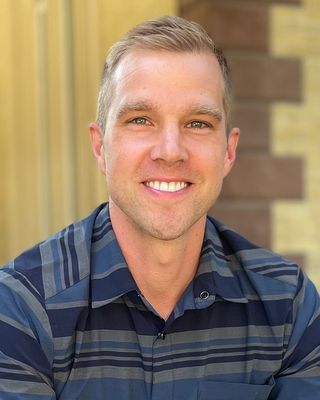
During this time, human connection is as important as ever. I believe that as human beings, we can find our balance when we are provided with a safe, supportive, growth-promoting environment. When we put in purposeful work and develop a helpful skill set, we are able to move towards our values. I use a person-centered, strengths-based approach that is rooted in Cognitive Behavioral Therapy. Mindfulness and Acceptance and Commitment are an integral component of my philosophy. I work with individuals who are ready to make change in their lives.
During this time, human connection is as important as ever. I believe that as human beings, we can find our balance when we are provided with a safe, supportive, growth-promoting environment. When we put in purposeful work and develop a helpful skill set, we are able to move towards our values. I use a person-centered, strengths-based approach that is rooted in Cognitive Behavioral Therapy. Mindfulness and Acceptance and Commitment are an integral component of my philosophy. I work with individuals who are ready to make change in their lives.

My approach is to collaboratively explore solutions to issues experienced in creative ways, such as using art/crafts, meditataion, breathwork, and movement that can make the process of holistic healing not just impactful, but also enjoyable.
My approach is to collaboratively explore solutions to issues experienced in creative ways, such as using art/crafts, meditataion, breathwork, and movement that can make the process of holistic healing not just impactful, but also enjoyable.

You’re navigating so much- relationships, expectations, career decisions, life pressures & all the other complexities of being human. Maybe part of you feels anxious or overwhelmed, while another part is exhausted from trying to keep everything together. You might even notice an inner critic that won’t let up, or a part that shuts down when things feel too intense. And still, there’s a part of you that wants something different- more ease, more clarity, more self-trust. Therapy can be a place where all of these parts are welcomed, understood, and supported.
You’re navigating so much- relationships, expectations, career decisions, life pressures & all the other complexities of being human. Maybe part of you feels anxious or overwhelmed, while another part is exhausted from trying to keep everything together. You might even notice an inner critic that won’t let up, or a part that shuts down when things feel too intense. And still, there’s a part of you that wants something different- more ease, more clarity, more self-trust. Therapy can be a place where all of these parts are welcomed, understood, and supported.
See more therapy options for Milwaukee


Nearby Dialectical Behavior (DBT) Therapists Searches for Milwaukee
- Bay View
- Bayside
- Brown Deer
- Cudahy
- Fox Point
- Glendale
- Greendale
- Greenfield
- Shorewood
- Wauwatosa
- West Allis
- Whitefish Bay
Dialectical Behavior (DBT) Therapists
Who is DBT for?
Dialectical Behavior Therapy (DBT) is designed for people who experience extreme emotional suffering because they lack the skills of emotion regulation and distress tolerance. The basic affliction can underlie a wide range of conditions, from borderline and other personality disorders to PTSD and treatment-resistant anxiety and depression. The therapy is helpful to those whose emotional reactivity is so intense it is disruptive to everyday functioning and leads to frequent crises.
Why do people need DBT?
The ability to regulate emotions is a core psychological skill that enables people to function in life and pay attention to the world outside themselves; it is consistently associated with well-being. DBT is designed to help people learn how to manage and regulate their emotions. Originally developed to treat people with borderline personality disorder whose extreme emotional suffering led to self-harming behavior and suicide attempts, the therapy is now applied to other conditions involving emotion dysregulation, particularly when other treatments have failed.
What happens in DBT?
Individuals meet weekly with their therapist to discuss their experiences relating to moods, behavior, and skills. Using checklists they maintain, they review emotional experiences and positive practices they engage in. The diaries help individuals discern what led up to a specific problem encountered, this is followed by discussion of the consequences of their actions. In addition, individuals may meet in class-like small groups to learn skills such as mindfulness, emotion regulation and distress tolerance.
How long does DBT last?
Because it is intended to establish long-lasting behavioral change among those with persistent problems, DBT is designed to last six months to a year. DBT includes both weekly sessions of individual therapy and weekly skills-training sessions conducted in small groups. Studies of DBT have documented improvement within a year of treatment, particularly in controlling self-harmful behavior; nevertheless, individuals may require therapy for several years.