Autism Therapists in Washington

I deeply believe that every individual has deep and inherent worth, and my approach to counseling keeps this at it's core. I meet each client where they are at, and walk with them through their counseling journey. I primarily work with children and adolescents with developmental disabilities, and seek to provide a knowledgeable and appropriate environment to process and express their needs. Behavior is communication, and I seek to understand what is being communicated below the surface and work from there.
I deeply believe that every individual has deep and inherent worth, and my approach to counseling keeps this at it's core. I meet each client where they are at, and walk with them through their counseling journey. I primarily work with children and adolescents with developmental disabilities, and seek to provide a knowledgeable and appropriate environment to process and express their needs. Behavior is communication, and I seek to understand what is being communicated below the surface and work from there.
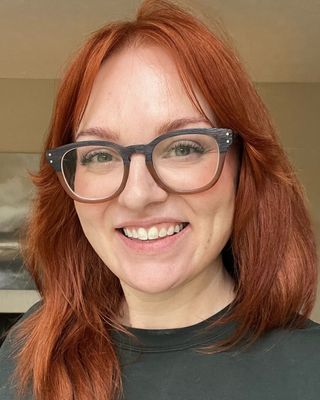
I work with neurodivergent adults and parents who are tired of ignoring their own needs.
My style is warm, direct, and person-centered. I use a trauma-informed, neurodivergent-affirming, and somatic lens to help clients explore patterns, reduce shame, and improve regulation. I'm trained in Brainspotting and Lifespan Integration for trauma processing. I specialize in autism/ADHD, anxiety, depression, life transitions, and parenting.

Beau Reilly, PhD, ABPP, ABPdN is a neuropsychologist who is board certified in pediatric neuropsychology and clinical child and adolescent psychology. He provides neuropsychological assessment, treatment, and consultation for children and families with neurodevelopmental needs. Dr. Reilly obtained his doctorate in clinical psychology from Seattle Pacific University in 2010. He obtained board certification from the American Board of Clinical Child & Adolescent Psychology (ABCCAP) in 2013 and board certification in Pediatric Neuropsychology from the American Board of Pediatric Neuropsychology (ABPdN) in 2014.
Beau Reilly, PhD, ABPP, ABPdN is a neuropsychologist who is board certified in pediatric neuropsychology and clinical child and adolescent psychology. He provides neuropsychological assessment, treatment, and consultation for children and families with neurodevelopmental needs. Dr. Reilly obtained his doctorate in clinical psychology from Seattle Pacific University in 2010. He obtained board certification from the American Board of Clinical Child & Adolescent Psychology (ABCCAP) in 2013 and board certification in Pediatric Neuropsychology from the American Board of Pediatric Neuropsychology (ABPdN) in 2014.

Are you a neurodivergent individual who struggles with an overwhelming sense of shame and a tsunami of self-doubts?
I specialize in working with neurodivergent clients who struggle with various life issues, anxiety, depression, social skills, etc. My clients range from children, preteens, teens, and adults up to 25.

I am passionate about working with toddlers and young children with suspected neurodevelopmental differences, such as autism and ADHD.
The evaluation process includes an intake, where we will review your child’s developmental and medical history and current concerns. Next comes testing with your child. We end with a feedback and comprehensive report summarizing your child’s unique strengths, challenges, and discuss recommendations and next steps to best support your child.
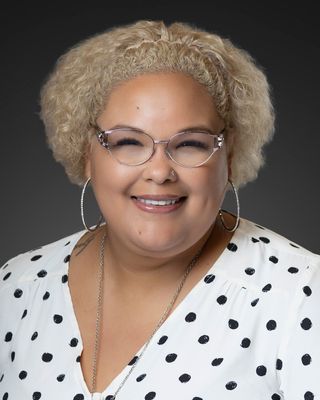
Dr. Monica LaBrie
Clinical Social Work/Therapist, PhD, MSW, BCBA, LCSW
Online Only
Waitlist for new clients
I am a licensed mental health professional with expertise in working with clients with autism spectrum disorder, intellectual and developmental disabilities, and their families.
I use an eclectic approach to therapy which is heavily grounded in cognitive behavioral therapies such as mindfulness-based interventions and acceptance and commitment therapy. I also use strength-based interventions and a person-centered approach aimed at creating a safe space.

At Larch Counseling, we help hurting adolescents, overwhelmed parents, disconnected couples, and everyone in-between find hope that things can be different in their lives. That life can be lived without a constant feeling of frustration, pain, sadness or being misunderstood. A life that is full of connection and lacks conflict. Once this hope is realized, we work with you to achieve this healthier way of living.
At Larch Counseling, we help hurting adolescents, overwhelmed parents, disconnected couples, and everyone in-between find hope that things can be different in their lives. That life can be lived without a constant feeling of frustration, pain, sadness or being misunderstood. A life that is full of connection and lacks conflict. Once this hope is realized, we work with you to achieve this healthier way of living.

I fully support and affirm BIPOC, LGBTQIA+, polyamorous, kink, BDSM, ASD and other marginalized communities.
Through working collaboratively with my clients, I strive to foster an empathetic and non-judgmental atmosphere that promotes client well-being. I am particularly passionate about working with individuals and couples grappling with sex and intimacy issues, gender dysphoria, anxiety, shame, guilt, self-esteem, trauma, autism and everyday life together.

Have you wondered if you might be Autistic or have ADHD?
When working with me, we will explore the story of your life and what brought you here. My approach is based in Attachment Theory, Intersectional Feminism, and Trauma-Informed practices. I also draw from Internal Family Systems (IFS), Narrative Therapy, and Person-Centered Psychology to provide holistic counseling.

I am a Licensed Marriage and Family Therapist (LMFT) specializing in Sandtray Therapy, Family Play Therapy, & Narrative Talk Therapy. I work with individuals, couples, and families. I treat all clients with unconditional positive regard. In therapy, your life takes priority; first and foremost, I am here to be with & listen to you. I am trauma-informed, neurodiversity-affirming, & welcome persons of all genders, sexual orientations, & lifestyles. I'm a PDA level-2 clinician (PDA North America) & a certified AUTPlay provider.
You might be able to get reimbursed for out-of-network therapy! Check here: mentaya.co/b/stephenplotzlmft

Rooted in neurodiversity affirming care for Autistic folx or those living with ADHD, OCD, depression, anxiety, and disassociate disorders using a relational approach for individuals, couples, families, and caregivers in Washington state via telehealth & walk and talk in Olympia, WA.
I am deeply familiar with the frustration, pain, and fatigue of not knowing where one belongs, who they are, and the terrifying overwhelm of what it might mean to build a relationship with your authentic self. There have been times when I was lost & unsure of where to go for help or if I was worthy of it. I want to create spaces for others that allows time to orientate, to be vulnerable, and have to space to try something new. I often support those with anxiety, who feel stuck, aren’t sure who they are or what they’re ‘supposed’ to do, who are questioning who they are or how all of their big feelings can fit into this word.

I specialize in working with queer, neurodivergent and BIPOC people using Internal Family Systems and Somatic Experiencing training to help people learn to resolve trauma at the body level beyond verbal processing.
Are you feeling stuck, unworthy, unmotivated or exhausted? Things are changing fast and it can be really overwhelming. You have tried talk therapy, but you found it can only offer so much. You are looking for someone who understands neurodiversity and can help you understand yourself better and troubleshoot procrastination and burnout cycles beyond just another planner. And sometimes burnout is related to masking or people pleasing. You want to go deeper and get in touch with yourself in a way that heals old wounds so you can get past the things that keep you from moving forward.
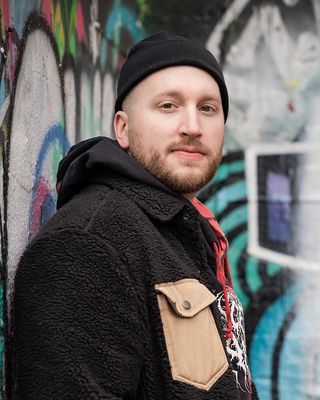
I am also certified to practice Autistic Centered Therapy and am adept at individualizing treatment to neurodiverse clientele - the best therapy is tailored to a clients unique needs.
Hi, I'm Raleigh... and the truth is therapy is hard work! There are no easy solutions or shortcuts to the lives we want to lead and the growth we want to achieve. I have walked the path myself and it's left me dedicated to making sure that no one has do this work alone without support or guidance. Self-work is often difficult so I work hard to craft spaces that feel safe, understanding, and flexible for how my clients want to show up. At the end of the day I feel truly honored and grateful to walk these personal journeys with my clients and grow to know them and hold their stories with nuance and empathy! I am excited to hear yours.

Lupas' specialization is in supporting patients with developmental disabilities (intellectual disability and autism) with co-occuring anxiety, obsessive-compulsive disorder (OCD), adaptive skill needs (e.g., self-care, sleep, communication, toileting), or disruptive behavior.
Dr. Lupas offers individualized care using family-centered behavioral and cognitive-behavioral approaches, incorporating mindfulness practice whenever possible. We will work together to find out what works to support your child while being sustainable for your family. Caregivers are a significant part of care within our work together.

ADHD can make balancing school, work, relationships and everyday responsibilities feel impossible to manage. Understanding how your brain works, learning to navigate overwhelm, and building practical tools that work with your unique needs can help you thrive.
ADHD can make balancing school, work, relationships and everyday responsibilities feel impossible to manage. Understanding how your brain works, learning to navigate overwhelm, and building practical tools that work with your unique needs can help you thrive.

I work with late-diagnosed autistic women who are trying to figure out how to move forward.
Healing is harder when your nervous system is overwhelmed. My 3-phase model paces the work to what you can actually hold and equips you with tools to help process your trauma. Phase 1: mapping your history through your diagnosis. Phase 2: reprocessing stuck trauma with tools like EMDR. Phase 3: building a life that fits who you are, no masking required.

I am a neurodivergent therapist and I provide evaluation assessments, therapy, and coaching.
Whether you're facing current struggles or looking to build a life that feels more balanced, I’m here to help guide you on your journey. I specialize in ADHD and work with parents, children, adolescents, and adults to mange the impacts of ADHD, anxiety, depression, burnout, low self-esteem, and learn to thrive in all areas of life. I offer personalized, strengths-based therapy and I am committed to helping people navigate life's challenges.

Rachel Loch, MA, LMHCA (Mindful Way)
Pre-Licensed Professional, MA, LMHCA
1 Endorsed
Seattle, WA 98105
I specialize in working with teens, adults, folks with LGBTQ+ and neurodivergent identities.
Life is complicated, and every day it seems like there is something new that is happening. You may be feeling stuck in not knowing you who "really are," or just not knowing how to navigate the never ending challenges life is throwing at you. Perhaps you are questioning your identity, or are trying to figure out where you fit in and in finding your "people." Finding a therapist who just "gets it" can be hard. My job is to be here and help you navigate a life that feels worth living, where you can be your authentic self, without needing to feel the pressure to conform to society's sometimes unrealistic expectations.

My background working with neurodivergent populations, as well as individuals struggling with mood disorders, self-esteem issues, adjustment challenges, and stress, has equipped me with the expertise to provide tailored, empathetic care to a diverse range of clients.
Hi there! I’m so glad you’re considering taking this step toward your well-being. I consider it an honor and privilege to be invited into someone’s inner world. I’m here to listen and support you - whether we’re finding joy in the small victories or working through the tough moments

In a neurotypical friendly world, I help neurodivergent adults, teens and couples navigate these challenges and stop trying to force themselves to fit in, and instead build a life that actually works for their brains.
As a trained ADHD Certified Clinical Services Provider, I am able to pair my training with my own lived experience as a neurodivergent provider. If you are navigating a new diagnosis of Autism or ADHD, seeking to understand your own neurodiversity, or managing the intersection of multiple diagnosis, I can help you move through surviving to thriving.
See more therapy options for Washington


Autism Therapists
Who can diagnose autism?
Many professionals, including psychiatrists, nurse practitioners, psychologists, and certain types of therapists, such as licensed counselors and clinical social workers, can diagnose autism spectrum disorder (ASD). In many cases, your child’s pediatrician may refer you to a specialist in ASD for an evaluation after observing early signs such as avoiding eye contact, showing limited interest in interacting with other people, or becoming distressed by changes to daily routines. However, not all clinicians who are qualified to diagnose autism provide comprehensive autism evaluations, particularly when specialized testing is needed. In these cases, you may be referred to a clinician or team with specific expertise in autism assessment.
How can therapy help with autism?
Therapists can help you manage emotional, behavioral, social, and day-to-day challenges related to autism. Depending on their training, the therapy type used, and your needs, therapists may help with concerns such as emotion regulation, communication, anxiety, or adjusting to life transitions. Therapy can also focus on practical strategies for everyday situations, such as handling school or work stress, establishing routines, or setting boundaries. Therapists can also help you understand whether a particular difficulty may be related to autism, a co-occurring mental health condition, or both. For example, anxiety, depression, or attention difficulties can overlap with features of autism and may require different types of support. When additional evaluation or treatment is needed, a therapist may refer you to or coordinate care with psychiatrists, psychologists, occupational therapists, primary care clinicians, or other professionals involved in autism-related care.
What therapeutic approaches are mostly used for autism?
Autism treatment often includes a mix of therapies based on your needs. Applied behavior analysis (ABA) is one of the more common approaches, especially for children. It focuses on building skills in areas such as communication, social interaction, learning, and everyday routines. ABA can take place at home, at school, or in a clinic, and treatment goals are usually tailored to your individual needs. Other therapies can be used alongside or instead of ABA to address needs that may not be covered through behavioral treatment alone. For example, speech and language therapy can help improve verbal and nonverbal communication, while occupational therapy can help with daily activities, motor skills, and sensory challenges. If you’re also experiencing anxiety, depression, or difficulty coping with stressful situations, cognitive behavioral therapy (CBT) may be incorporated into treatment to help you better understand your thought patterns and emotions while developing strategies for managing them.
How does autism therapy differ for children, teenagers, and adults?
Therapy for autism can look different depending on your age and what you want support with. For children, therapy may focus on emotional regulation, communication, social skills, school-related challenges, and routines at home, often with parents or caregivers involved in treatment. ABA is also more commonly used with children, particularly when the goal is to build communication and daily living skills. If you’re a teenager, therapy may address many of the same areas while placing more emphasis on independence and preparing for adulthood. For autistic adults, therapy may focus more on independent living, employment, relationships, major life transitions, self-advocacy, or co-occurring mental health concerns such as anxiety or depression. If you receive an autism diagnosis later in life, you may also seek therapy to better understand your diagnosis, particularly if signs of autism were overlooked or attributed to another condition when you were younger. Adults are also more likely to use approaches such as CBT or other forms of talk therapy rather than ABA.
How can I find an autism therapist?
The Psychology Today Directory can help you find therapists who have experience working with autistic children, teenagers, or adults. You can filter results by concerns such as autism, as well as by age group, location, and whether the therapist offers in-person or online sessions. If you are looking for a specific approach, such as ABA or CBT, you can also use treatment-type filters to narrow your search. When selecting a therapist, it is helpful to ask about their specific experience with autism, their philosophy on therapy, and how they coordinate care with psychiatrists, educators, and other members of your care team. Practical factors—such as appointment availability and whether the therapist accepts your insurance—should also be taken into account to ensure a good fit. You may also want to contact your insurance plan to confirm what autism-related therapy services are covered and whether a referral or prior authorization is required before treatment begins.