Therapists in Dakota County, MN

If you are struggling with support systems, have anxiety, or are struggling with limiting belief systems that you are ready to heal and process then I am your person. We will use the same courage that brought you here and grow it to make a safe space for you to make the changes you are ready to make. I have a trauma-informed approach working with children and adults 6 and up. Clients who have worked with me have expressed at the end of their therapy journey that they feel more accepting of themselves as a result of therapy.
If you are struggling with support systems, have anxiety, or are struggling with limiting belief systems that you are ready to heal and process then I am your person. We will use the same courage that brought you here and grow it to make a safe space for you to make the changes you are ready to make. I have a trauma-informed approach working with children and adults 6 and up. Clients who have worked with me have expressed at the end of their therapy journey that they feel more accepting of themselves as a result of therapy.
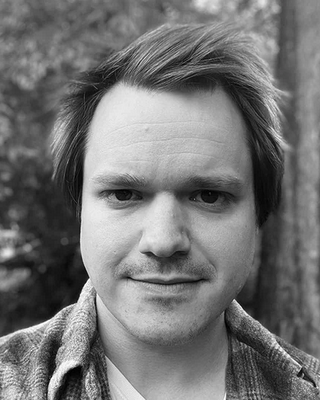
People who have experienced specific traumas work well with me, as do those who have struggled for a long time with hard-to-define, deep-seated patterns of thinking, feeling and relating.
As a therapist I have some annoying tendencies. I think everything you say and do is meaningful (especially when you deny it), I always suspect you are caught up in some feeling or other about me, and I often answer questions with questions. If you can put up with it, you’ll gain a compassionate listener and ally. You’ll also quickly get a sense of the freedom and peace that can be achieved through the type of therapy I practice - psychoanalysis.

Emma is a Licensed Independent Clinical Social Worker who specializes in working with law enforcement, first responders, nurses, corrections, dispatchers, veterans and their families. As the wife of a police officer and veteran, clients can expect to be able to work with someone who understands the culture, lifestyle, pressures, and stressors that come with such high-stress, high-stakes careers. Emma also specializes in treating trauma, and stress management. Emma is trained in the use of Accelerated Resolution Therapy (ART), a highly effective eye-movement therapy created for the treatment of trauma, and HeartMath biofeedback.
Emma is a Licensed Independent Clinical Social Worker who specializes in working with law enforcement, first responders, nurses, corrections, dispatchers, veterans and their families. As the wife of a police officer and veteran, clients can expect to be able to work with someone who understands the culture, lifestyle, pressures, and stressors that come with such high-stress, high-stakes careers. Emma also specializes in treating trauma, and stress management. Emma is trained in the use of Accelerated Resolution Therapy (ART), a highly effective eye-movement therapy created for the treatment of trauma, and HeartMath biofeedback.

LeAnne Renteria
Pre-Licensed Professional, MA
1 Endorsed
South Saint Paul, MN 55075
Not accepting new clients
Are you feeling stuck, stressed, or overwhelmed with life, work, or your relationships? Therapy can help. I am passionate about my work with individuals and couples, and I enjoy supporting others to work through life’s struggles and live their best lives. While working in the mental health field, I have worked with people from all aspects of life. In addition, I specialize in working with police officers, first responders, and their families.
Are you feeling stuck, stressed, or overwhelmed with life, work, or your relationships? Therapy can help. I am passionate about my work with individuals and couples, and I enjoy supporting others to work through life’s struggles and live their best lives. While working in the mental health field, I have worked with people from all aspects of life. In addition, I specialize in working with police officers, first responders, and their families.

Sheila J. Marker
Marriage & Family Therapist, MA, LMFT
1 Endorsed
Burnsville, MN 55337
Waitlist for new clients
My passion is to come along side of you in your struggles, offering hope and encouragement that you can find healing and wholeness in your life. My commitment is to provide an environment that is supportive and safe. We will journey together to find the pathway to a new life; a life filled with meaning, purpose and fulfillment.
My passion is to come along side of you in your struggles, offering hope and encouragement that you can find healing and wholeness in your life. My commitment is to provide an environment that is supportive and safe. We will journey together to find the pathway to a new life; a life filled with meaning, purpose and fulfillment.

Many of us are taught that if we’re strong enough, we should be able to handle life’s challenges on our own. Yet experiences like grief, loss, and major life transitions often carry deep emotions that are rarely given permission to be seen, heard, or expressed. These emotions can feel heavy, isolating, or overwhelming—especially when we fear burdening others. I provide a calm, safe, and nonjudgmental space where you can explore what you’re carrying and express your emotions openly and authentically. Together, we will navigate the difficult conversations and painful moments that are often avoided but necessary for healing and growth.
Many of us are taught that if we’re strong enough, we should be able to handle life’s challenges on our own. Yet experiences like grief, loss, and major life transitions often carry deep emotions that are rarely given permission to be seen, heard, or expressed. These emotions can feel heavy, isolating, or overwhelming—especially when we fear burdening others. I provide a calm, safe, and nonjudgmental space where you can explore what you’re carrying and express your emotions openly and authentically. Together, we will navigate the difficult conversations and painful moments that are often avoided but necessary for healing and growth.

My passion lies in supporting children and adolescents who are navigating the impacts of trauma and behavioral challenges. I believe in the healing power of creativity and self-expression, where my ultimate goal is to provide a space where young people can explore emotions, build resilience, and discover their sense of self through the therapeutic process.
My passion lies in supporting children and adolescents who are navigating the impacts of trauma and behavioral challenges. I believe in the healing power of creativity and self-expression, where my ultimate goal is to provide a space where young people can explore emotions, build resilience, and discover their sense of self through the therapeutic process.

Absorb what is useful, Discard what is not, Add what is uniquely your own." - Bruce Lee. I enjoy focusing on personal growth and building awareness of our own morals and values. Everyone will experience bad times (some longer and more severely than others) and I absolutely love teaching the best ways on how to cope with them. I work with a variety of issues including feeling passive, suicidal thoughts, self harm, and relationship difficulties for men and women. The ideal client for me is a client who is committed to looking at their own behavior and focus on change.
Absorb what is useful, Discard what is not, Add what is uniquely your own." - Bruce Lee. I enjoy focusing on personal growth and building awareness of our own morals and values. Everyone will experience bad times (some longer and more severely than others) and I absolutely love teaching the best ways on how to cope with them. I work with a variety of issues including feeling passive, suicidal thoughts, self harm, and relationship difficulties for men and women. The ideal client for me is a client who is committed to looking at their own behavior and focus on change.

My therapeutic process is client-centered, individual and relational. I remain committed, walking alongside you, meeting you wherever is most appropriate and helpful. Sometimes this may take a session to uncover. However, I do not believe there has to be a “problem” to attend therapy. I stand firm in the belief that there is always room for growth if there is a desire to cultivate a positive change, whatever that may be. My goal is not to keep you in therapy. If you prefer intensive sessions, that last a little longer in time, allow for confidentiality beyond limits of insurance, and prefer quick resolution, we may be a good match.
My therapeutic process is client-centered, individual and relational. I remain committed, walking alongside you, meeting you wherever is most appropriate and helpful. Sometimes this may take a session to uncover. However, I do not believe there has to be a “problem” to attend therapy. I stand firm in the belief that there is always room for growth if there is a desire to cultivate a positive change, whatever that may be. My goal is not to keep you in therapy. If you prefer intensive sessions, that last a little longer in time, allow for confidentiality beyond limits of insurance, and prefer quick resolution, we may be a good match.

Kelsey (she/her) is a clinical trainee currently pursuing her master’s degree in Marriage and Family Therapy at UW Stout. She earned her undergraduate degree in Psychology from the University of Minnesota Twin Cities.
Kelsey enjoys working with all sorts of clients, including children, adults, romantic relationships, and families. Kelsey has experience working with children and their families through her work in early childhood education and as a hotline responder for an intimate partner violence agency. She enjoys working with clients dealing with anxiety, life transitions, relational stressors, and loves learning about each person

Therapy is unique and diverse, as is each individual. Depending on the issue and type of therapy, help can come in the form of support, guidance, information, self-knowledge and/or a space to learn and practice new skills. The center of my practice is focused on building empowerment, balance, self-esteem, and self-awareness. I offer a warm and empathic environment for those facing difficult life transitions, relational challenges, past and present traumas, underlying issues of illness and stress, and any other issues preventing individuals from realizing the freedom and happiness of their true nature.
Therapy is unique and diverse, as is each individual. Depending on the issue and type of therapy, help can come in the form of support, guidance, information, self-knowledge and/or a space to learn and practice new skills. The center of my practice is focused on building empowerment, balance, self-esteem, and self-awareness. I offer a warm and empathic environment for those facing difficult life transitions, relational challenges, past and present traumas, underlying issues of illness and stress, and any other issues preventing individuals from realizing the freedom and happiness of their true nature.

Some individuals seek therapy when life begins to feel overwhelming or out of balance. They may experience anxiety, depression, stress, or challenges within relationships and family dynamics. Others may be navigating identity, cultural expectations, or the impact of mental health concerns. My clients often seek understanding, connection, and practical tools to heal, grow, and create balance, stronger relationships, and meaningful change.
Some individuals seek therapy when life begins to feel overwhelming or out of balance. They may experience anxiety, depression, stress, or challenges within relationships and family dynamics. Others may be navigating identity, cultural expectations, or the impact of mental health concerns. My clients often seek understanding, connection, and practical tools to heal, grow, and create balance, stronger relationships, and meaningful change.

At some point in our lives, each of us will strive for change. We may want to grow, to heal, to connect differently, or to deepen our understanding of ourselves and those around us. As a counselor, it is a privilege to support my clients during these difficult and often momentous times.
At some point in our lives, each of us will strive for change. We may want to grow, to heal, to connect differently, or to deepen our understanding of ourselves and those around us. As a counselor, it is a privilege to support my clients during these difficult and often momentous times.
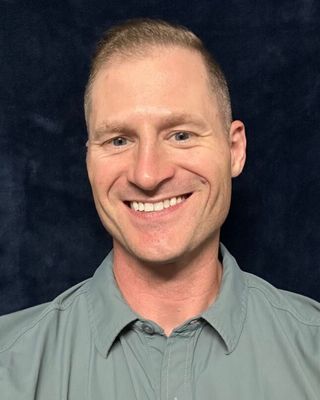
You're dependable at work, but at home you just feel criticized and lonely. Maybe you’re unsure what to do, or you know what to do but not how to do it. That gap is what I work on. I'm a licensed marriage and family therapist working online with individuals and couples, including plenty of people who are skeptical of therapy.
Here's the pattern I see most. Something hits: a tone, a criticism, a disappointment. A painfully familiar feeling shows up and your options shrink to going quiet, getting sharp, or disappearing into work or your phone.

You may feel frustrated that your body, mind, or circumstances aren't allowing you to live the way you want to. Maybe chronic pain or an injury has changed what you're able to do, or you're struggling with anxiety, stress, or questions about your identity. You might feel misunderstood by others, disconnected from yourself, or uncertain about what comes next. Perhaps you've tried to push through or figure things out on your own, but nothing seems to be working. Whether you're adjusting to unexpected changes or trying to better understand yourself, therapy can help you find a way forward.
You may feel frustrated that your body, mind, or circumstances aren't allowing you to live the way you want to. Maybe chronic pain or an injury has changed what you're able to do, or you're struggling with anxiety, stress, or questions about your identity. You might feel misunderstood by others, disconnected from yourself, or uncertain about what comes next. Perhaps you've tried to push through or figure things out on your own, but nothing seems to be working. Whether you're adjusting to unexpected changes or trying to better understand yourself, therapy can help you find a way forward.

Living with trauma, whether it be complex relational trauma with a parent or a sibling or an unexpected traumatic event, can feel isolating and discouraging. I can partner with you to discover and transform the unspoken myths that rule your thoughts and behaviors. When your whole self feels seen and understood by another, you can begin to live more mindfully in the present moment. With that, experiencing joy and securely relating to others starts to feel more accessible.
Living with trauma, whether it be complex relational trauma with a parent or a sibling or an unexpected traumatic event, can feel isolating and discouraging. I can partner with you to discover and transform the unspoken myths that rule your thoughts and behaviors. When your whole self feels seen and understood by another, you can begin to live more mindfully in the present moment. With that, experiencing joy and securely relating to others starts to feel more accessible.

I support adults navigating the complexities of identity, relationships, and self-understanding. Many come to therapy feeling anxious, disconnected, or overwhelmed, struggling with perfectionism, life changes, stressful environments, relationship conflicts, high expectations, and the impact of traumas. These experiences may stem from family and relationship dynamics, intergenerational factors, and experiences of marginalization. Many are seeking a space where their cultural background, family dynamics, and lived experiences are understood, respected, and integrated into therapy, as these factors shape current challenges and growth.
I support adults navigating the complexities of identity, relationships, and self-understanding. Many come to therapy feeling anxious, disconnected, or overwhelmed, struggling with perfectionism, life changes, stressful environments, relationship conflicts, high expectations, and the impact of traumas. These experiences may stem from family and relationship dynamics, intergenerational factors, and experiences of marginalization. Many are seeking a space where their cultural background, family dynamics, and lived experiences are understood, respected, and integrated into therapy, as these factors shape current challenges and growth.

Whether you are struggling with self-esteem, weight loss/gain, low mood, anxiety, food, relationships, or questioning your place in life, I can help. It is easy to find yourself keeping up on appearances; not only trying to look your best physically, but also mentally and emotionally. Learning how to balance what you need/want and what the world is asking of you is possible and will create space for you to grow into a more authentic you.
Whether you are struggling with self-esteem, weight loss/gain, low mood, anxiety, food, relationships, or questioning your place in life, I can help. It is easy to find yourself keeping up on appearances; not only trying to look your best physically, but also mentally and emotionally. Learning how to balance what you need/want and what the world is asking of you is possible and will create space for you to grow into a more authentic you.

You wake up already tired, moving through your days on autopilot while pressure keeps
stacking up. Work demands more than it gives back, and relationships feel strained or distant. You notice yourself snapping, shutting down, or feeling disconnected from the man you used to be. Life transitions, repeated setbacks, and long-standing patterns have left you feeling boxed in, unsure how things drifted this far off course. You’re stuck in a crap sandwich, and you need a way out – STAT. Yet every attempt to fix it falls short. It’s not lack of effort – you just need to know how to reset so you can find a sense of balance and direction.
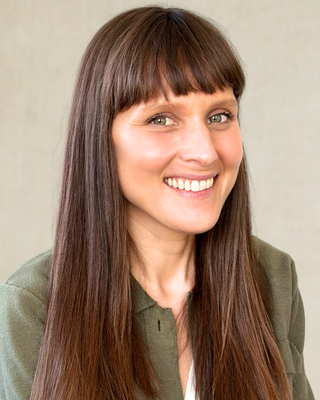
I am an outpatient mental health professional and my areas of interest include depression, anxiety, trauma, relationship conflict, addiction, life transitions/stressors, grief, and disordered eating. In my practice, I empower clients to develop coping strategies and assist them toward achieving their life worth living goals.
I am an outpatient mental health professional and my areas of interest include depression, anxiety, trauma, relationship conflict, addiction, life transitions/stressors, grief, and disordered eating. In my practice, I empower clients to develop coping strategies and assist them toward achieving their life worth living goals.
See more therapy options for Dakota County


How does your Therapist compare?
Number of Therapists in Dakota County, MN
700+
Average cost per session
$176
Therapists in Dakota County, MN who prioritize treating:
| 92% | Anxiety |
| 87% | Depression |
| 72% | Self Esteem |
| 71% | Trauma and PTSD |
| 66% | Life Transitions |
| 59% | Grief |
| 49% | Women's Issues |
Average years in practice
10 Years
Top 3 insurances accepted
| 89% | BlueCross and BlueShield |
| 84% | Aetna |
| 75% | Cigna and Evernorth |
How Therapists in Dakota County, MN see their clients
| 73% | In Person and Online | |
| 27% | Online Only |
Gender breakdown
| 82% | Female | |
| 17% | Male | |
| 1% | Non-Binary |
FAQs - About Therapy and Counseling
Is everyone in the Psychology Today Therapy Directory a licensed therapist?
The Psychology Today Directory lists providers who offer legitimate mental health services to the public. Many have been licensed by the country or state where they practice; providers whose license or primary credential has been verified by Psychology Today are signified by a “Verified” symbol. Some clinicians or organizations provide services for which their state or country does not offer licenses, such as pastoral counseling. They may be selectively included without the “Verified” seal. Learn more about what it means to be verified by Psychology Today.
How can I find a therapist in Dakota County accepting new clients?
One of the easiest ways to find a therapist in your area who is accepting new clients is to use the Psychology Today Directory. You can search by location and narrow your options based on factors such as insurance, specialty, treatment approach, and whether you prefer in-person or online sessions. Therapist profiles indicate whether they are accepting new clients, but it's worth reaching out if you find someone who seems like a good fit, even if their availability is unclear. According to Psychology Today's own research, most therapists respond to inquiries from prospective clients within two days. Even if a therapist is fully booked, they may be able to refer you to another provider or add you to a waitlist. Read more about finding a therapist.
How do I find a therapist who treats my specific concern?
Finding a therapist who has experience treating your specific concern can help you get care that is most helpful for you. A good place to start is by identifying what you would most like help with, whether that is a mental health condition like anxiety or depression or a specific challenge such as grief or relationship difficulties. You can then look for therapists who specialize in those areas and review therapist profiles to learn more about their experience and the types of clients they typically work with. Different therapists also use different treatment approaches, and certain types of therapy may be particularly helpful for specific concerns. Find out more about different types of therapy and treatment approaches.
Should I choose online or in-person therapy?
Both online and in-person therapy can be effective for treating a wide range of mental health concerns. According to Psychology Today’s survey of its therapist members, 63% reported seeing no difference in effectiveness between the two formats, although the best option for you depends on personal preferences and circumstances. Online therapy offers greater convenience and flexibility, particularly if you live in a rural area, have limited transportation options, or have a chronic illness or disability that makes attending in-person appointments difficult. However, in-person therapy may be a better fit for therapeutic approaches that rely heavily on body language and other nonverbal cues such as EMDR, somatic therapy, couples or family therapy, and play therapy for children. In-person therapy may also be better if you lack a private, comfortable space for sessions at home. Read more about online versus in-person therapy.
How much does therapy cost?
The cost of therapy varies depending on factors such as your location, the therapist’s experience and qualifications, and the type of therapy you receive. In the United States, individual therapy sessions typically cost between $100 and $200 or more without insurance. If you have health insurance, your out-of-pocket costs may be lower, depending on your plan’s mental health benefits and whether your therapist is in-network or out-of-network. If cost is a concern, you can also look for therapists who offer "sliding-scale" fees based on your income or explore lower-cost options through community-based mental health clinics. Learn more about the cost of therapy.
How do I find a therapist who accepts my insurance?
You can use the Psychology Today Directory to find therapists in your area and use the insurance filter to find an in-network therapist. You can also filter by specialty, treatment approach, and other preferences. Your insurance company's website is another good place to look, as most insurers maintain directories of in-network mental health providers. Once you've found a therapist who seems like a good fit, reach out to confirm that they accept your specific insurance plan, since some therapists may participate only certain types of plans offered by an insurance company. You can also ask your insurer about your expected out-of-pocket costs, including copayments, coinsurance, or deductibles. Find out more about what insurance covers for therapy.
What are more affordable or low cost therapy solutions?
If the cost of therapy is a concern, it may be worth asking a therapist whether they offer a reduced fee or sliding scale. Sliding scales allow you to pay a lower rate based on factors such as your income or ability to pay, although availability and the amount of the discount are determined by the therapist. In a survey of its therapist members, Psychology Today found that over two-thirds (67%) said they were at least somewhat likely to offer a reduced fee to a client who asked. Other lower-cost therapy options include group therapy, community mental health clinics, and universities, where sessions with therapists in training may be provided at reduced rates. Learn more about low cost therapy and sliding scales.
What should I include when I first contact a therapist?
When contacting a therapist for the first time, it's helpful to briefly explain why you're seeking therapy, your insurance or payment method, your availability, and how soon you'd like to start. Of therapist members surveyed by Psychology Today, 78% considered a client's primary reason for seeking therapy very important to include in an initial inquiry. Other details therapists considered important included insurance or payment method (65%), scheduling availability (56%), and how urgently the client needed care (53%). You don't need to share your entire personal history or go into detail about sensitive concerns. A few sentences, along with the best way to contact you, are usually enough to help a therapist determine whether they may be a good fit for your needs.
How long does it typically take to get an appointment with a therapist?
Wait times for therapy appointments can vary depending on factors such as a therapist's availability, specialty, and whether you prefer in-person or online sessions. However, many therapists are able to see new clients within one to two weeks. When surveyed, 59% of Psychology Today members reported being able to schedule a first session within six days, and 89% could see a new client within two weeks. Online-only therapists generally reported shorter wait times than those offering in-person appointments, so if you're hoping to start therapy quickly, consider contacting several therapists who are accepting new clients and being flexible about session format.
What should I expect from an initial consultation with a therapist?
An initial consultation is usually a brief conversation to help you and the therapist decide whether they may be a good fit for your needs. Many therapists offer a free consultation before scheduling a full session. In fact, in surveying its members, Psychology Today found that 59% of its therapists offer a free 15-minute consultation. During a consultation, you may discuss what is bringing you to therapy, what you hope to work on, the therapist’s approach, scheduling, and insurance or payment. Psychology Today therapists also emphasized that it's okay to consult with multiple therapists before choosing one, and that it may take a few sessions to determine whether a therapist is the right fit for you.