Therapists in City College Area, Long Beach, CA

Morgan Haigh Therapy
Marriage & Family Therapist, LMFT, MA
1 Endorsed
City College Area, Long Beach, CA 90808
You might be feeling stuck, overwhelmed, or unsure of how to move forward. Anxiety, depression, or relationship challenges can make daily life feel heavier.
Whatever is getting in the way of a more fulfilling life, you don’t have to face it alone.
Therapy offers a space where you can feel heard, supported, and understood. Together, we’ll work to build confidence, process difficult emotions, and strengthen your relationships; creating meaningful, lasting change.
If you’re ready to take the first step, I’m here to help.
Psychotherapy can offer you a safe space to talk openly about your concerns, reflect on possible solutions, and build coping skills. Insight into struggles you may be facing and stronger relationships are the main goals for therapy that will assist you in feeling more fulfilled and facilitate well-being.
Psychotherapy can offer you a safe space to talk openly about your concerns, reflect on possible solutions, and build coping skills. Insight into struggles you may be facing and stronger relationships are the main goals for therapy that will assist you in feeling more fulfilled and facilitate well-being.

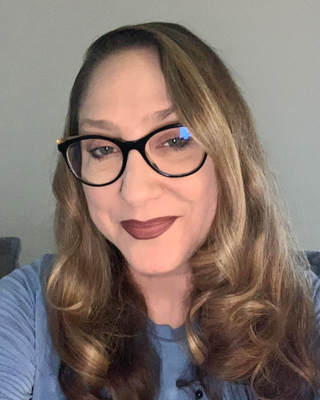
Hi. My name is Elizabeth Iniguez, I'm a licensed clinical therapist. I'm what's considered an integrative or eclectic therapist, which means that I draw upon various modalities, taking what I believe is most relevant from various methods to incorporate into my sessions, depending on what each individual is going through. I enjoy working with a variety of people. I specialize in the treatment of Obsessive-Compulsive Disorder, Trichotillomania, Dermatillomania, Hoarding Disorder, Post Traumatic Stress Disorder, depression and anxiety disorders.
Hi. My name is Elizabeth Iniguez, I'm a licensed clinical therapist. I'm what's considered an integrative or eclectic therapist, which means that I draw upon various modalities, taking what I believe is most relevant from various methods to incorporate into my sessions, depending on what each individual is going through. I enjoy working with a variety of people. I specialize in the treatment of Obsessive-Compulsive Disorder, Trichotillomania, Dermatillomania, Hoarding Disorder, Post Traumatic Stress Disorder, depression and anxiety disorders.

Hi. I'm Dinandrea a Queer, AfroCuban-American psychotherapist. I offer online therapy in California. I help QTPOC/LGBTQIA+ individuals navigate anxiety, depression, trauma, 1st Generation issues & sociopolitical stress through an affirming, progressive, liberationist lens.
Hola. Soy Dinandrea, una psicoterapeuta Queer, afrocubana-estadounidense. Ofrezco terapia por remoto en California. Ayudo a las personas LGBTQIA+ y a personas de color a gestionar la ansiedad, la depresión, el trauma, asuntos de ser estadounidense de primera generacion, y el estrés sociopolítico a través de una lente afirmativa, progresiva y liberacionista.
Nearby Searches for City College Area, Long Beach
- Airport Area
- Bixby Area
- Bixby Knolls
- Californial Heights
- Circle Area
- Lakewood Village
- Los Altos
- Park Estates
- State College Area
- The Plaza
How does your Therapist compare?
Number of Therapists in City College Area, Long Beach, CA
< 10
Therapists in City College Area, Long Beach, CA who prioritize treating:
| 100% | Relationship Issues |
| 100% | Depression |
| 100% | Life Transitions |
| 75% | Anxiety |
| 75% | Trauma and PTSD |
| 75% | Bipolar Disorder |
| 75% | Family Conflict |
Average years in practice
19 Years
Top 3 insurances accepted
| 100% | Aetna |
| 100% | Cigna and Evernorth |
| 100% | Oxford |
How Therapists in City College Area, Long Beach, CA see their clients
| 75% | Online Only | |
| 25% | In Person and Online |
Gender breakdown
| 100% | Female |
FAQs - About Therapy and Counseling
How can I find a therapist in City College Area?
Search for nearby therapists or counselors by inputting your city, town, or suburb; or zip code; or a provider’s name into the search bar. From there, you can filter providers by the issues they treat, cost, insurance, gender, and other factors to find providers who are well-suited to your needs. To navigate between locations within the same country, enter a new city or zip code into the search bar.
Learn more about how to find a therapist
Learn more about how to find a therapist
Is everyone in the Psychology Today Therapy Directory a licensed therapist?
The Psychology Today directory lists providers who offer legitimate mental health services to the public, including psychologists, psychiatrists, social workers, and counselors.
Many have been licensed by the country or state where they practice; providers whose license or primary credential has been verified by Psychology Today are signified by a “Verified” symbol. Some clinicians or organizations provide services for which their state or country does not offer licenses, such as pastoral counseling. They may be selectively included without the “Verified” seal.
Many have been licensed by the country or state where they practice; providers whose license or primary credential has been verified by Psychology Today are signified by a “Verified” symbol. Some clinicians or organizations provide services for which their state or country does not offer licenses, such as pastoral counseling. They may be selectively included without the “Verified” seal.
What’s the difference between a psychologist, a therapist, and a counselor?
Therapists, psychologists, and counselors are all licensed mental health professionals. In the US, psychologists have earned a doctoral degree. The terms “therapist” and “counselor” are used somewhat interchangeably, but generally therapists offer longer-term, mental health care, while counselors offer shorter-term care that may focus on one domain, such as marriage, career, or academic challenges.
Clients should consider factors such as insurance coverage and their primary reason(s) for seeking therapy to determine the type of professional best suited to their needs. Someone struggling with mental health challenges such as depression or anxiety, for example, may wish to seek out a clinical psychologist or therapist, while someone navigating career obstacles or marital upheaval may benefit from seeing a counselor who can offer short-term, targeted support.
Clients should consider factors such as insurance coverage and their primary reason(s) for seeking therapy to determine the type of professional best suited to their needs. Someone struggling with mental health challenges such as depression or anxiety, for example, may wish to seek out a clinical psychologist or therapist, while someone navigating career obstacles or marital upheaval may benefit from seeing a counselor who can offer short-term, targeted support.
What type of therapy is right for me?
The type of therapy best suited to a particular individual depends on several factors, including their primary reason for seeking therapy, their preferred timeline (some therapy types last for a set number of sessions, while others are open-ended), and their personality and preferences—some may prefer a more structured approach. For many individuals, multiple types of therapy could provide a good fit.
How much does therapy cost?
The cost of therapy depends on a number of variables, including location and the therapist’s experience and training. On average, a therapy session in the United States could cost between $100 and $200 or more. If you have insurance, the expense of mental health care is typically lower, but it varies based on your insurance plan details and whether you choose an in-network or out-of-network mental healthcare provider.
What are more affordable or low cost therapy solutions?
Many therapists offer sliding scale payments, usually on a limited number of slots, which consists in an agreement between the therapist and a client to pay a reduced rate. Therapists who provide such arrangements often consider the client's income or ability to pay, but the extent of the discount is ultimately at the therapist's discretion. Furthermore, while group therapy may have different goals and benefits compared to individual therapy, it can be a more affordable solution to address certain types of issues.
Is online therapy cheaper than in-person therapy?
Many therapists charge the same amount for online therapy as they do for in-person therapy—though clients may still find this cost-effective if it cuts down on their transportation costs. Health insurance plans often offer equivalent coverage for online and in-person therapy; indeed, in many places, they are legally required to do so. Text-based or on-demand therapy apps may be cheaper than traditional one-on-one psychotherapy; however, the practice may be less effective and is not likely to be covered by insurance.
Is online therapy a good option?
Therapy conducted online can be just as effective as in-person therapy, as long as there is a strong alliance between the client and the therapist. To find a therapist who provides telehealth services to clients in your area, click “Online Therapy” on the directory homepage and search by your city or town or your zip code.
Are therapy sessions confidential?
Confidentiality is a crucial part of the therapeutic relationship. Therapists in the United States are bound by the regulations set out by the Health Insurance Portability and Accountability Act of 1996 (HIPAA), which aims to protect sensitive health information. With very few exceptions, a therapist will only discuss their client with others when the client has given their written permission. The instances in which a therapist would be required to disclose personal information are: if a client poses a danger to themselves or others, if the therapist suspects the abuse of a child or an elderly or otherwise dependent adult, or if they are legally forced to by court order. These exceptions to the confidentiality agreement are usually discussed with a client before their first session.