Therapists in Limberlost, Tucson, AZ
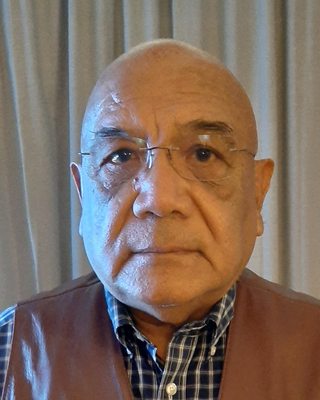
Healing the soul wound. With over 40 years of experience, my approach is holistic to heal the soul wound created from past experiences, to heal in the present, and to live in balance in the future. I am a Licensed Clinical Social Worker, bilingual (Spanish/ English) therapist. It is my experience as a therapist working with diverse cultures, whether the soul wound is created by family experiences, past trauma as a child or as an adult, clients can heal.
Healing the soul wound. With over 40 years of experience, my approach is holistic to heal the soul wound created from past experiences, to heal in the present, and to live in balance in the future. I am a Licensed Clinical Social Worker, bilingual (Spanish/ English) therapist. It is my experience as a therapist working with diverse cultures, whether the soul wound is created by family experiences, past trauma as a child or as an adult, clients can heal.

Healing the soul wound. With over 40 years of experience, my approach is holistic to heal the Heart and Soul wound created from past experiences, to heal in the present and to live in balance in the future. I am Licensed Clinical Social Work, bilingual (Spanish/ English) therapist. It is my experience as a therapist working with diverse cultures, whether the Heart and Soul wound is created by family experiences, past trauma as a child or as an adult, clients can heal.
Healing the soul wound. With over 40 years of experience, my approach is holistic to heal the Heart and Soul wound created from past experiences, to heal in the present and to live in balance in the future. I am Licensed Clinical Social Work, bilingual (Spanish/ English) therapist. It is my experience as a therapist working with diverse cultures, whether the Heart and Soul wound is created by family experiences, past trauma as a child or as an adult, clients can heal.

I have been practicing therapy for over 14 years and I am passionate about supporting my clients in their personal growth. I use a person - centered approach while exploring the past and present and challenging distorted negative cognitions when appropriate. The decision to enter therapy is not an easy one and my goal is to offer support in a safe and compassionate space. I am trained in Cognitive Behavior Therapy, Dialectical Behavior Therapy, Eye Movement Desensitization and Reprocessing and Somatic Experiencing. These training provide me with a wide variety of tools/skills to offer my clients.
I have been practicing therapy for over 14 years and I am passionate about supporting my clients in their personal growth. I use a person - centered approach while exploring the past and present and challenging distorted negative cognitions when appropriate. The decision to enter therapy is not an easy one and my goal is to offer support in a safe and compassionate space. I am trained in Cognitive Behavior Therapy, Dialectical Behavior Therapy, Eye Movement Desensitization and Reprocessing and Somatic Experiencing. These training provide me with a wide variety of tools/skills to offer my clients.

Congratulations on seeking help! Searching for a therapist is the first brave step toward personal fulfillment and happiness. My background is in individual and family therapy. I use a person-centered approach incorporating cognitive behavioral therapy and solution focused therapy tailored to your particular situation. I am passionate about helping my clients work through root causes of unhappiness and problematic relationships. I am a Licensed Professional Counselor and graduated from Texas Woman's University.
Congratulations on seeking help! Searching for a therapist is the first brave step toward personal fulfillment and happiness. My background is in individual and family therapy. I use a person-centered approach incorporating cognitive behavioral therapy and solution focused therapy tailored to your particular situation. I am passionate about helping my clients work through root causes of unhappiness and problematic relationships. I am a Licensed Professional Counselor and graduated from Texas Woman's University.
Nearby Searches for Limberlost, Tucson
See More TherapistsHow does your Therapist compare?
Number of Therapists in Limberlost, Tucson, AZ
< 10
Therapists in Limberlost, Tucson, AZ who prioritize treating:
| 80% | Depression |
| 80% | Anxiety |
| 80% | Trauma and PTSD |
| 60% | Addiction |
| 60% | Grief |
| 60% | Bipolar Disorder |
| 60% | Divorce |
Average years in practice
41 Years
Top 3 insurances accepted
| 100% | Aetna |
| 100% | Cigna and Evernorth |
| 100% | UnitedHealthcare UHC | UBH |
How Therapists in Limberlost, Tucson, AZ see their clients
| 80% | In Person and Online | |
| 20% | Online Only |
Gender breakdown
| 67% | Female | |
| 33% | Male |
FAQs - About Therapy and Counseling
Is everyone in the Psychology Today Therapy Directory a licensed therapist?
The Psychology Today Directory lists providers who offer legitimate mental health services to the public. Many have been licensed by the country or state where they practice; providers whose license or primary credential has been verified by Psychology Today are signified by a “Verified” symbol. Some clinicians or organizations provide services for which their state or country does not offer licenses, such as pastoral counseling. They may be selectively included without the “Verified” seal. Learn more about what it means to be verified by Psychology Today.
How can I find a therapist in Limberlost accepting new clients?
One of the easiest ways to find a therapist in your area who is accepting new clients is to use the Psychology Today Directory. You can search by location and narrow your options based on factors such as insurance, specialty, treatment approach, and whether you prefer in-person or online sessions. Therapist profiles indicate whether they are accepting new clients, but it's worth reaching out if you find someone who seems like a good fit, even if their availability is unclear. According to Psychology Today's own research, most therapists respond to inquiries from prospective clients within two days. Even if a therapist is fully booked, they may be able to refer you to another provider or add you to a waitlist. Read more about finding a therapist.
How do I find a therapist who treats my specific concern?
Finding a therapist who has experience treating your specific concern can help you get care that is most helpful for you. A good place to start is by identifying what you would most like help with, whether that is a mental health condition like anxiety or depression or a specific challenge such as grief or relationship difficulties. You can then look for therapists who specialize in those areas and review therapist profiles to learn more about their experience and the types of clients they typically work with. Different therapists also use different treatment approaches, and certain types of therapy may be particularly helpful for specific concerns. Find out more about different types of therapy and treatment approaches.
Should I choose online or in-person therapy?
Both online and in-person therapy can be effective for treating a wide range of mental health concerns. According to Psychology Today’s survey of its therapist members, 63% reported seeing no difference in effectiveness between the two formats, although the best option for you depends on personal preferences and circumstances. Online therapy offers greater convenience and flexibility, particularly if you live in a rural area, have limited transportation options, or have a chronic illness or disability that makes attending in-person appointments difficult. However, in-person therapy may be a better fit for therapeutic approaches that rely heavily on body language and other nonverbal cues such as EMDR, somatic therapy, couples or family therapy, and play therapy for children. In-person therapy may also be better if you lack a private, comfortable space for sessions at home. Read more about online versus in-person therapy.
How much does therapy cost?
The cost of therapy varies depending on factors such as your location, the therapist’s experience and qualifications, and the type of therapy you receive. In the United States, individual therapy sessions typically cost between $100 and $200 or more without insurance. If you have health insurance, your out-of-pocket costs may be lower, depending on your plan’s mental health benefits and whether your therapist is in-network or out-of-network. If cost is a concern, you can also look for therapists who offer "sliding-scale" fees based on your income or explore lower-cost options through community-based mental health clinics. Learn more about the cost of therapy.
How do I find a therapist who accepts my insurance?
You can use the Psychology Today Directory to find therapists in your area and use the insurance filter to find an in-network therapist. You can also filter by specialty, treatment approach, and other preferences. Your insurance company's website is another good place to look, as most insurers maintain directories of in-network mental health providers. Once you've found a therapist who seems like a good fit, reach out to confirm that they accept your specific insurance plan, since some therapists may participate only certain types of plans offered by an insurance company. You can also ask your insurer about your expected out-of-pocket costs, including copayments, coinsurance, or deductibles. Find out more about what insurance covers for therapy.
What are more affordable or low cost therapy solutions?
If the cost of therapy is a concern, it may be worth asking a therapist whether they offer a reduced fee or sliding scale. Sliding scales allow you to pay a lower rate based on factors such as your income or ability to pay, although availability and the amount of the discount are determined by the therapist. In a survey of its therapist members, Psychology Today found that over two-thirds (67%) said they were at least somewhat likely to offer a reduced fee to a client who asked. Other lower-cost therapy options include group therapy, community mental health clinics, and universities, where sessions with therapists in training may be provided at reduced rates. Learn more about low cost therapy and sliding scales.
What should I include when I first contact a therapist?
When contacting a therapist for the first time, it's helpful to briefly explain why you're seeking therapy, your insurance or payment method, your availability, and how soon you'd like to start. Of therapist members surveyed by Psychology Today, 78% considered a client's primary reason for seeking therapy very important to include in an initial inquiry. Other details therapists considered important included insurance or payment method (65%), scheduling availability (56%), and how urgently the client needed care (53%). You don't need to share your entire personal history or go into detail about sensitive concerns. A few sentences, along with the best way to contact you, are usually enough to help a therapist determine whether they may be a good fit for your needs.
How long does it typically take to get an appointment with a therapist?
Wait times for therapy appointments can vary depending on factors such as a therapist's availability, specialty, and whether you prefer in-person or online sessions. However, many therapists are able to see new clients within one to two weeks. When surveyed, 59% of Psychology Today members reported being able to schedule a first session within six days, and 89% could see a new client within two weeks. Online-only therapists generally reported shorter wait times than those offering in-person appointments, so if you're hoping to start therapy quickly, consider contacting several therapists who are accepting new clients and being flexible about session format.
What should I expect from an initial consultation with a therapist?
An initial consultation is usually a brief conversation to help you and the therapist decide whether they may be a good fit for your needs. Many therapists offer a free consultation before scheduling a full session. In fact, in surveying its members, Psychology Today found that 59% of its therapists offer a free 15-minute consultation. During a consultation, you may discuss what is bringing you to therapy, what you hope to work on, the therapist’s approach, scheduling, and insurance or payment. Psychology Today therapists also emphasized that it's okay to consult with multiple therapists before choosing one, and that it may take a few sessions to determine whether a therapist is the right fit for you.