Therapists in 20007

I am a bilingual counselor who offers therapy in both English and Tamil. I work towards bridging cultural differences through working with various populations. I work with young adults and adults in navigating anxiety, depression and trauma. I focus primarily on transitional populations who are struggling to adapt to new environments or figuring out how to transition from one stage of life to another.
I am a bilingual counselor who offers therapy in both English and Tamil. I work towards bridging cultural differences through working with various populations. I work with young adults and adults in navigating anxiety, depression and trauma. I focus primarily on transitional populations who are struggling to adapt to new environments or figuring out how to transition from one stage of life to another.

The pressure is relentless. So is the feeling that you're facing it alone. Maybe there's a constant hum of anxiety, a loneliness that lingers even when you have people around. You've tried things. They help, until they don't. Fair warning: I'm not what most people expect. But then again, neither are most of my clients. The bigger surprise, for most of them, is that something finally works. The medication that was supposed to fix it — didn't. Suggesting more journaling about it felt like an insult. I get it.
The pressure is relentless. So is the feeling that you're facing it alone. Maybe there's a constant hum of anxiety, a loneliness that lingers even when you have people around. You've tried things. They help, until they don't. Fair warning: I'm not what most people expect. But then again, neither are most of my clients. The bigger surprise, for most of them, is that something finally works. The medication that was supposed to fix it — didn't. Suggesting more journaling about it felt like an insult. I get it.

Prior to opening my private practice in Georgetown, I worked at the Kolmac Clinic on K Street in Washington, DC, an Intensive Outpatient Program (IOP) for the treatment of drug and alcohol addiction. I work with clients to improve self-esteem, identify what it is that they really want in their lives and help them to improve the overall quality of their lives and thrive more fully.
Prior to opening my private practice in Georgetown, I worked at the Kolmac Clinic on K Street in Washington, DC, an Intensive Outpatient Program (IOP) for the treatment of drug and alcohol addiction. I work with clients to improve self-esteem, identify what it is that they really want in their lives and help them to improve the overall quality of their lives and thrive more fully.

I work with individuals and couples who are coping with the impact of trauma, loss, anxiety, depression, as well as life and relationship transitions. My focus is relational and that the quality of emotional wellbeing rests on ones relationship to self and others.
I work with individuals and couples who are coping with the impact of trauma, loss, anxiety, depression, as well as life and relationship transitions. My focus is relational and that the quality of emotional wellbeing rests on ones relationship to self and others.

Therapy is a journey through which we find our authentic selves and become the best we can be. I have expertise in working with alcoholism, addictions, and recovery issues; and with relationship, couple and family issues. I have worked in the field for over twenty years. I work with adults and adolescents, in individual, couple and family modalities. My approach is to meet you where you are, and to help you to move towards your goals, overcome obstacles, and achieve maximum growth. I use several therapeutic approaches, including cognitive-behavioral, psychodynamic, and strengths-based techniques.
Therapy is a journey through which we find our authentic selves and become the best we can be. I have expertise in working with alcoholism, addictions, and recovery issues; and with relationship, couple and family issues. I have worked in the field for over twenty years. I work with adults and adolescents, in individual, couple and family modalities. My approach is to meet you where you are, and to help you to move towards your goals, overcome obstacles, and achieve maximum growth. I use several therapeutic approaches, including cognitive-behavioral, psychodynamic, and strengths-based techniques.

Kimberly Crooks is a compassionate and collaborative mental health professional who brings a diverse background in education, clinical social work, and substance use recovery. She earned her Master of Social Work from Howard University and has since worked in both school-based and intensive outpatient settings.
Before entering the clinical field, Kimberly worked as a classroom teacher, which helped shape her understanding of child and adolescent development, as well as the broader systemic and familial challenges that impact mental health.

Pet loss can be just as (if not more) devastating than losing a human family member or friend. The bond you share with your beloved animal may be one of the deepest, most unconditionally loving relationships of your life. Losing that connection can feel like you are untethered and lost.
Unlike with human loss, society often fails to acknowledge the depth of grief that follows the death of a pet. There’s little space given to mourn, and even less support. But pet loss grief is real. It’s profound. It’s scientifically recognized. And it deserves to be taken seriously.

Hi, I’m Ilana.
I specialize in supporting children, teens, and young adults experiencing anxiety, depression, loss, trauma, and life transitions, including the move to college and beyond. I believe that meaningful change begins within an authentic, trusting relationship. Therapy is not just about techniques or strategies—it is about feeling genuinely seen, understood, and supported. I prioritize building strong, collaborative relationships with my clients, creating a space where curiosity, honesty, and emotional safety can grow.

Sometimes the world can feel impossibly heavy, and it is exhausting to cope with underlying challenges like chronic stressors, depression, anxiety, or trauma. Having a space to fully vent your worries and frustrations without fear or guilt is so important for mental health, but often so difficult to find. I approach my clients with warmth and without judgment. I work to cultivate a collaborative connection with clients, while empowering them to make sustainable, long-term changes, beyond our time together.
Sometimes the world can feel impossibly heavy, and it is exhausting to cope with underlying challenges like chronic stressors, depression, anxiety, or trauma. Having a space to fully vent your worries and frustrations without fear or guilt is so important for mental health, but often so difficult to find. I approach my clients with warmth and without judgment. I work to cultivate a collaborative connection with clients, while empowering them to make sustainable, long-term changes, beyond our time together.

Real Men. Real Addiction Help. Real Talk Therapy. How does addiction work? How do I counteract it? What is behind my addictive behavior? In addiction recovery since 2006 and professionally helping others since 2011 to realize their own recovery, I am uniquely positioned to help you with your struggles with addictive substances and behaviors. Let’s start right now. Today your life changes from suffering to success.
Real Men. Real Addiction Help. Real Talk Therapy. How does addiction work? How do I counteract it? What is behind my addictive behavior? In addiction recovery since 2006 and professionally helping others since 2011 to realize their own recovery, I am uniquely positioned to help you with your struggles with addictive substances and behaviors. Let’s start right now. Today your life changes from suffering to success.
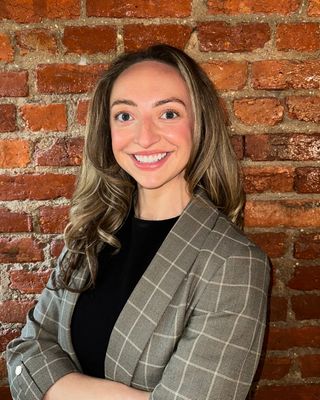
My ideal clients are curious about themselves but feel stuck, caught in patterns of anxiety, fear, or overwhelm that are hard to break alone. They’re not just looking to “get rid of symptoms,” but to truly understand what’s going on beneath the surface and learn how to move through life with more clarity, confidence, and self-trust.
I support this process by offering a collaborative, relational space where you can make sense of your experiences, and begin to shift long-standing patterns. Together, we’ll explore both the “why” behind what you’re feeling and find practical strategies to gain insight and create real, lasting change.

After more than 40 years of practice, I believe that intellectual and emotional insight must lead to behavioral change for psychotherapy to have true value for the client. The process of self-discovery allows the client to make clear and informed choices and to take responsibility for the results. I prefer clients who are courageous enough to seek the truth and change how they behave in order to create a better life.
After more than 40 years of practice, I believe that intellectual and emotional insight must lead to behavioral change for psychotherapy to have true value for the client. The process of self-discovery allows the client to make clear and informed choices and to take responsibility for the results. I prefer clients who are courageous enough to seek the truth and change how they behave in order to create a better life.

I have been providing individual, couples, and group psychotherapy for over 25 years.
Typically, people enter therapy because they are having problems in their relationships. Successful psychotherapy must focus on helping develop more fulfilling and substantial interpersonal connections. Facilitating a client’s capacity to lead a richer and more emotionally balanced life is the objective. The therapeutic relationship is the road traveled, and enables the client to understand the choices they have made, the associated positive and negative consequences, and the freedom to make new, more effective and satisfying life decisions.

Welcome to psychAmerica, the site for contemporary psychoanalytic and transactional analytic counseling and psychotherapy live in the District of Columbia and online worldwide.
psychAmerica offers a unique opportunity to articulate who you are and how you came to be. Such a review is essential if we are to loosen the ties that bind our pursuit of happiness, if we are to “leave our past behind”, as the B52’s sang in “Detour Thru Your Mind, back in 1986.
At psychAmerica, it is your mind that lies at the heart of what matters, your words that reveal the “inarticulate speech of the heart” (as Van Morrison sang in 1983).

People enter therapy for a variety of different reasons. You may be going through a difficult transition or grappling with life, relationship or work issues. You may be struggling with a mental health concern. You may be looking to promote personal growth or increase your own sense of well being. Whatever the reason may be, I can offer a confidential and safe environment to gain insight into your emotions and behaviors and take steps towards positive change in your life.
People enter therapy for a variety of different reasons. You may be going through a difficult transition or grappling with life, relationship or work issues. You may be struggling with a mental health concern. You may be looking to promote personal growth or increase your own sense of well being. Whatever the reason may be, I can offer a confidential and safe environment to gain insight into your emotions and behaviors and take steps towards positive change in your life.

Welcome! Recognizing that something in your life isn't working is a great sign of hope & resilience and those who find their way to my practice are usually looking for something to change in their lives. The reasons why you are seeking therapy are my top priorities and helping you have the life you want is my job. I am often described as compassionate, intuitive, empathetic, open and honest. Seeking out a therapist you connect with and trust it critical. Please come in and decide if you feel that I'm the right therapist for you! I have Tuesday-Saturday hours available.
Welcome! Recognizing that something in your life isn't working is a great sign of hope & resilience and those who find their way to my practice are usually looking for something to change in their lives. The reasons why you are seeking therapy are my top priorities and helping you have the life you want is my job. I am often described as compassionate, intuitive, empathetic, open and honest. Seeking out a therapist you connect with and trust it critical. Please come in and decide if you feel that I'm the right therapist for you! I have Tuesday-Saturday hours available.

Ellie Georgetown has created a comfy, judgment-free zone where you can be authentic and receive the compassionate care you deserve. We strive to break down treatment barriers and provide you with customized mental health care services that meet your therapy needs. No matter your concerns, your compassionate Ellie provider will provide you with the non-judgmental care you deserve.
Ellie Georgetown has created a comfy, judgment-free zone where you can be authentic and receive the compassionate care you deserve. We strive to break down treatment barriers and provide you with customized mental health care services that meet your therapy needs. No matter your concerns, your compassionate Ellie provider will provide you with the non-judgmental care you deserve.

I draw on 40+ years of experience in the practice of individual, group, and couples therapy. I work with a diversity of adult clients from varied circumstances and backgrounds. Nevertheless, they generally share a common aspiration to discover a more vital, passionate, and creative approach to meeting life's challenges. My intention is to establish a safe and authentic collaboration in pursuit of your aspirations and goals. I bring compassion, humor, insight and engagement to the therapeutic work. My approach integrates elements of the best, well-established therapeutic approaches, tailored to your unique needs and challenges.
I draw on 40+ years of experience in the practice of individual, group, and couples therapy. I work with a diversity of adult clients from varied circumstances and backgrounds. Nevertheless, they generally share a common aspiration to discover a more vital, passionate, and creative approach to meeting life's challenges. My intention is to establish a safe and authentic collaboration in pursuit of your aspirations and goals. I bring compassion, humor, insight and engagement to the therapeutic work. My approach integrates elements of the best, well-established therapeutic approaches, tailored to your unique needs and challenges.

I enjoy working with individuals and couples who are curious and hungry for more connection to themselves and others in their lives. When you start therapy, I will talk with you about what brings you to therapy, the life you want to create and what you think holds you back. I will reflect with you on how it feels to be with and collaborate with you on your own thriving. You are likely to display the same intra- and inter-personal patterns with me that enhance or impede your progress in your relationships at work and home. Most of my clients start therapy because of depression, anxiety, relationship difficulties and work challenges.
I enjoy working with individuals and couples who are curious and hungry for more connection to themselves and others in their lives. When you start therapy, I will talk with you about what brings you to therapy, the life you want to create and what you think holds you back. I will reflect with you on how it feels to be with and collaborate with you on your own thriving. You are likely to display the same intra- and inter-personal patterns with me that enhance or impede your progress in your relationships at work and home. Most of my clients start therapy because of depression, anxiety, relationship difficulties and work challenges.

My clinical experience includes treating serious mental illnesses and working in both criminal justice and immigration systems. I speak several dialects of the Arabic language and have extensive experience with Americans of a variety of backgrounds. I use multicultural approaches to compliment different therapeutic interventions. My experience also includes working with different Arab Americans as well as Muslim Americans, which allows me to provide a unique perspective and be a significant means of support to these two population groups.
My clinical experience includes treating serious mental illnesses and working in both criminal justice and immigration systems. I speak several dialects of the Arabic language and have extensive experience with Americans of a variety of backgrounds. I use multicultural approaches to compliment different therapeutic interventions. My experience also includes working with different Arab Americans as well as Muslim Americans, which allows me to provide a unique perspective and be a significant means of support to these two population groups.
See more therapy options for 20007


How does your Therapist compare?
Number of Therapists in 20007
300+
Average cost per session
$209
Therapists in 20007 who prioritize treating:
| 95% | Anxiety |
| 85% | Depression |
| 78% | Self Esteem |
| 69% | Life Transitions |
| 66% | Trauma and PTSD |
| 64% | Grief |
| 54% | Marriage Counseling |
Average years in practice
13 Years
Top 3 insurances accepted
| 71% | Aetna |
| 69% | BlueCross and BlueShield |
| 57% | CareFirst |
How Therapists in 20007 see their clients
| 61% | In Person and Online | |
| 39% | Online Only |
Gender breakdown
| 79% | Female | |
| 20% | Male | |
| 1% | Non-Binary |
FAQs - About Therapy and Counseling
Is everyone in the Psychology Today Therapy Directory a licensed therapist?
The Psychology Today Directory lists providers who offer legitimate mental health services to the public. Many have been licensed by the country or state where they practice; providers whose license or primary credential has been verified by Psychology Today are signified by a “Verified” symbol. Some clinicians or organizations provide services for which their state or country does not offer licenses, such as pastoral counseling. They may be selectively included without the “Verified” seal. Learn more about what it means to be verified by Psychology Today.
How can I find a therapist in 20007 accepting new clients?
One of the easiest ways to find a therapist in your area who is accepting new clients is to use the Psychology Today Directory. You can search by location and narrow your options based on factors such as insurance, specialty, treatment approach, and whether you prefer in-person or online sessions. Therapist profiles indicate whether they are accepting new clients, but it's worth reaching out if you find someone who seems like a good fit, even if their availability is unclear. According to Psychology Today's own research, most therapists respond to inquiries from prospective clients within two days. Even if a therapist is fully booked, they may be able to refer you to another provider or add you to a waitlist. Read more about finding a therapist.
How do I find a therapist who treats my specific concern?
Finding a therapist who has experience treating your specific concern can help you get care that is most helpful for you. A good place to start is by identifying what you would most like help with, whether that is a mental health condition like anxiety or depression or a specific challenge such as grief or relationship difficulties. You can then look for therapists who specialize in those areas and review therapist profiles to learn more about their experience and the types of clients they typically work with. Different therapists also use different treatment approaches, and certain types of therapy may be particularly helpful for specific concerns. Find out more about different types of therapy and treatment approaches.
Should I choose online or in-person therapy?
Both online and in-person therapy can be effective for treating a wide range of mental health concerns. According to Psychology Today’s survey of its therapist members, 63% reported seeing no difference in effectiveness between the two formats, although the best option for you depends on personal preferences and circumstances. Online therapy offers greater convenience and flexibility, particularly if you live in a rural area, have limited transportation options, or have a chronic illness or disability that makes attending in-person appointments difficult. However, in-person therapy may be a better fit for therapeutic approaches that rely heavily on body language and other nonverbal cues such as EMDR, somatic therapy, couples or family therapy, and play therapy for children. In-person therapy may also be better if you lack a private, comfortable space for sessions at home. Read more about online versus in-person therapy.
How much does therapy cost?
The cost of therapy varies depending on factors such as your location, the therapist’s experience and qualifications, and the type of therapy you receive. In the United States, individual therapy sessions typically cost between $100 and $200 or more without insurance. If you have health insurance, your out-of-pocket costs may be lower, depending on your plan’s mental health benefits and whether your therapist is in-network or out-of-network. If cost is a concern, you can also look for therapists who offer "sliding-scale" fees based on your income or explore lower-cost options through community-based mental health clinics. Learn more about the cost of therapy.
How do I find a therapist who accepts my insurance?
You can use the Psychology Today Directory to find therapists in your area and use the insurance filter to find an in-network therapist. You can also filter by specialty, treatment approach, and other preferences. Your insurance company's website is another good place to look, as most insurers maintain directories of in-network mental health providers. Once you've found a therapist who seems like a good fit, reach out to confirm that they accept your specific insurance plan, since some therapists may participate only certain types of plans offered by an insurance company. You can also ask your insurer about your expected out-of-pocket costs, including copayments, coinsurance, or deductibles. Find out more about what insurance covers for therapy.
What are more affordable or low cost therapy solutions?
If the cost of therapy is a concern, it may be worth asking a therapist whether they offer a reduced fee or sliding scale. Sliding scales allow you to pay a lower rate based on factors such as your income or ability to pay, although availability and the amount of the discount are determined by the therapist. In a survey of its therapist members, Psychology Today found that over two-thirds (67%) said they were at least somewhat likely to offer a reduced fee to a client who asked. Other lower-cost therapy options include group therapy, community mental health clinics, and universities, where sessions with therapists in training may be provided at reduced rates. Learn more about low cost therapy and sliding scales.
What should I include when I first contact a therapist?
When contacting a therapist for the first time, it's helpful to briefly explain why you're seeking therapy, your insurance or payment method, your availability, and how soon you'd like to start. Of therapist members surveyed by Psychology Today, 78% considered a client's primary reason for seeking therapy very important to include in an initial inquiry. Other details therapists considered important included insurance or payment method (65%), scheduling availability (56%), and how urgently the client needed care (53%). You don't need to share your entire personal history or go into detail about sensitive concerns. A few sentences, along with the best way to contact you, are usually enough to help a therapist determine whether they may be a good fit for your needs.
How long does it typically take to get an appointment with a therapist?
Wait times for therapy appointments can vary depending on factors such as a therapist's availability, specialty, and whether you prefer in-person or online sessions. However, many therapists are able to see new clients within one to two weeks. When surveyed, 59% of Psychology Today members reported being able to schedule a first session within six days, and 89% could see a new client within two weeks. Online-only therapists generally reported shorter wait times than those offering in-person appointments, so if you're hoping to start therapy quickly, consider contacting several therapists who are accepting new clients and being flexible about session format.
What should I expect from an initial consultation with a therapist?
An initial consultation is usually a brief conversation to help you and the therapist decide whether they may be a good fit for your needs. Many therapists offer a free consultation before scheduling a full session. In fact, in surveying its members, Psychology Today found that 59% of its therapists offer a free 15-minute consultation. During a consultation, you may discuss what is bringing you to therapy, what you hope to work on, the therapist’s approach, scheduling, and insurance or payment. Psychology Today therapists also emphasized that it's okay to consult with multiple therapists before choosing one, and that it may take a few sessions to determine whether a therapist is the right fit for you.