Psychiatrists in Kaysville, UT

Lindsey Gavin, DNP, PMHNP-BC (she/her) is a board-certified psychiatric nurse practitioner who earned her Doctor of Nursing Practice from the University of Utah in 2022. Over the past nine years, she’s worked in a variety of settings, including inpatient and outpatient mental health, emergency care, substance use treatment, and veteran research.
Lindsey Gavin, DNP, PMHNP-BC (she/her) is a board-certified psychiatric nurse practitioner who earned her Doctor of Nursing Practice from the University of Utah in 2022. Over the past nine years, she’s worked in a variety of settings, including inpatient and outpatient mental health, emergency care, substance use treatment, and veteran research.

Life is complicated, but you can gain the support and tools needed to move forward and heal. You will have a compassionate, nonjudgmental space to explore your experiences, feel heard and validated, and develop practical strategies for lasting change.
If you are dealing with depressed mood, excessive worry, intrusive thoughts, difficulty paying attention or concentrating, sleep issues, mood dysregulation, or other mental health concerns let’s work together to find viable solutions.
Care is tailored across the lifespan, including children, adolescents, adults, and older adults.

You're the guy people count on. You work, provide, take care of your family, and keep moving even when you're running on empty. But lately you may feel depressed, anxious, irritable, distracted, burned out, or shut down. Maybe you are less patient at home, pulling away from your wife, or just not enjoying life the way you used to. You want to feel steady, present, and like yourself again, without turning your life upside down to get help.
You're the guy people count on. You work, provide, take care of your family, and keep moving even when you're running on empty. But lately you may feel depressed, anxious, irritable, distracted, burned out, or shut down. Maybe you are less patient at home, pulling away from your wife, or just not enjoying life the way you used to. You want to feel steady, present, and like yourself again, without turning your life upside down to get help.
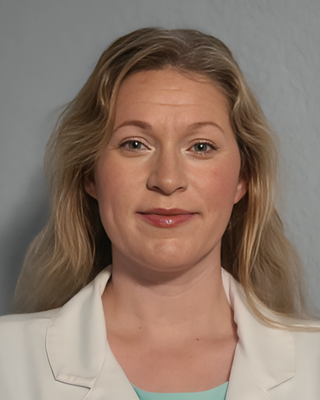
My approach is kind and trustworthy communication style. I enjoy having client's engage in conversation. With examples from real life. Kindness goes along way. I actively listen to understand each client's unique mental health season. Life is about thriving thru all the circumstances we find ourselves in. Finding ways to move forward in healthy directions. Sometimes medications can help with therapy. Discussing what best approach is appropriate for each client in a safe and caring environment.
My approach is kind and trustworthy communication style. I enjoy having client's engage in conversation. With examples from real life. Kindness goes along way. I actively listen to understand each client's unique mental health season. Life is about thriving thru all the circumstances we find ourselves in. Finding ways to move forward in healthy directions. Sometimes medications can help with therapy. Discussing what best approach is appropriate for each client in a safe and caring environment.

It can be difficult for any person to overcome mental and emotional struggles on their own. It isn’t enough to simply want to feel better or want to stop hurting. Sometimes the emotional pain can feel like too much to handle... It doesn't have to be that way. • Hopelessness • Worry • Fear • Mental fatigue • Irritability • Feeling overwhelmed • Sleep problems • Mood swings • Disorganized thinking • Poor motivation • Anxiety attacks • Substance abuse • Intrusive thoughts • We can help. Our approach to treating mental illness begins with effective communication and focuses on the root cause of the problem, not just the symptoms.
It can be difficult for any person to overcome mental and emotional struggles on their own. It isn’t enough to simply want to feel better or want to stop hurting. Sometimes the emotional pain can feel like too much to handle... It doesn't have to be that way. • Hopelessness • Worry • Fear • Mental fatigue • Irritability • Feeling overwhelmed • Sleep problems • Mood swings • Disorganized thinking • Poor motivation • Anxiety attacks • Substance abuse • Intrusive thoughts • We can help. Our approach to treating mental illness begins with effective communication and focuses on the root cause of the problem, not just the symptoms.

Everyone at some point in their life goes through difficult times. However, if you have been struggling with anxiety or mood issues for more than a few weeks or loved ones have noticed a change and feel you need help, you might benefit from an evaluation. I look at and consider the whole picture including the client's the mental health, physical health and social and environmental factors. I love people, understanding their story, learning who they are and their goal for the future. I have a passion for helping as many as possible; from those who are looking for why they just don't feel right to those who are greatly suffering.
Everyone at some point in their life goes through difficult times. However, if you have been struggling with anxiety or mood issues for more than a few weeks or loved ones have noticed a change and feel you need help, you might benefit from an evaluation. I look at and consider the whole picture including the client's the mental health, physical health and social and environmental factors. I love people, understanding their story, learning who they are and their goal for the future. I have a passion for helping as many as possible; from those who are looking for why they just don't feel right to those who are greatly suffering.

I work with clients who are working through anxiety, depression and ADHD, and many other concerns. I want to help others meet their treatment goals. Everyone wants to be understood and listened too, I try to be the person who listens and understands. My view of client care is that it is a team effort. I don't make the decisions, I listen and help my client's make the best decision for themselves. Above all else, I want them to be heard and know they are valued.
I work with clients who are working through anxiety, depression and ADHD, and many other concerns. I want to help others meet their treatment goals. Everyone wants to be understood and listened too, I try to be the person who listens and understands. My view of client care is that it is a team effort. I don't make the decisions, I listen and help my client's make the best decision for themselves. Above all else, I want them to be heard and know they are valued.

I believe healing is a partnership. Medication may play a role, but the heart of my work is collaboration—listening closely, understanding your goals, and creating a treatment plan that reflects your unique needs. If you’re looking for a provider who values teamwork, transparency, and compassionate care, I’d be honored to support you on your path toward better mental health. I have worked with individuals across the lifespan; including children, teenagers, adults, and older adults. My background in health care has given me a deep understanding of how mental health needs evolve over time, and I bring that perspective into our appt.
I believe healing is a partnership. Medication may play a role, but the heart of my work is collaboration—listening closely, understanding your goals, and creating a treatment plan that reflects your unique needs. If you’re looking for a provider who values teamwork, transparency, and compassionate care, I’d be honored to support you on your path toward better mental health. I have worked with individuals across the lifespan; including children, teenagers, adults, and older adults. My background in health care has given me a deep understanding of how mental health needs evolve over time, and I bring that perspective into our appt.

I'm Board-certified in Family Medicine, Psychiatry and a Qualified Medical Provider for Utah Medical Cannabis. I help individuals and families seeking compassionate, personalized mental health care during life’s most challenging seasons. I work with children, adolescents, and adults navigating anxiety, ADHD, depression, mood disorders, burnout, trauma, and overwhelming life transitions. Many come to me feeling exhausted, disconnected, misunderstood, or unsure where to start. I create a safe, supportive space where patients feel truly heard while providing thoughtful, evidence-based, holistic care tailored to their unique needs
I'm Board-certified in Family Medicine, Psychiatry and a Qualified Medical Provider for Utah Medical Cannabis. I help individuals and families seeking compassionate, personalized mental health care during life’s most challenging seasons. I work with children, adolescents, and adults navigating anxiety, ADHD, depression, mood disorders, burnout, trauma, and overwhelming life transitions. Many come to me feeling exhausted, disconnected, misunderstood, or unsure where to start. I create a safe, supportive space where patients feel truly heard while providing thoughtful, evidence-based, holistic care tailored to their unique needs

I have experience working with pediatric to geriatric patients and am comfortable working with individuals of all ages and stages of life who feel that they need support from medication to improve their mental health. Ideally, my patients are also active in therapy and the services I offer can support them on their path to healing.
I have experience working with pediatric to geriatric patients and am comfortable working with individuals of all ages and stages of life who feel that they need support from medication to improve their mental health. Ideally, my patients are also active in therapy and the services I offer can support them on their path to healing.
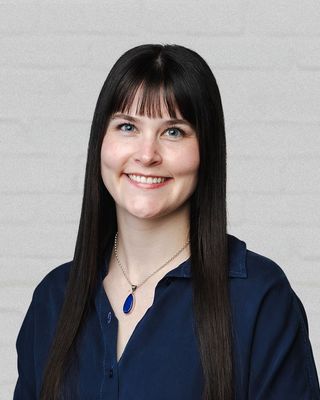
I have had the opportunity to work in the mental health field in many different settings over the last 6 years. Each setting focused on a different component of the mental health journey. In residential treatment, I assisted patients in obtaining effective and sustainable coping skills prior to stepping back into life. In inpatient psychiatry, I supported patients during crisis and connected them to proper resources and next steps. My most recent experience in substance use detox has been impactful in developing my care style. I helped to remind patients of their innate self-worth through promoting dignity and compassion.
I have had the opportunity to work in the mental health field in many different settings over the last 6 years. Each setting focused on a different component of the mental health journey. In residential treatment, I assisted patients in obtaining effective and sustainable coping skills prior to stepping back into life. In inpatient psychiatry, I supported patients during crisis and connected them to proper resources and next steps. My most recent experience in substance use detox has been impactful in developing my care style. I helped to remind patients of their innate self-worth through promoting dignity and compassion.

My philosophy is that it’s okay to ask for help. The bar needs to be lowered on the stigma for mental health. Life can be hard, and everyone needs some help at times. I want to encourage people to not be afraid or ashamed to reach out for help, and to be open and honest with their treatment team. I am here to help anyone who is ready. I believe in getting to know people, finding out their individual story, their personal needs, and creating a treatment and medication plan together.
My philosophy is that it’s okay to ask for help. The bar needs to be lowered on the stigma for mental health. Life can be hard, and everyone needs some help at times. I want to encourage people to not be afraid or ashamed to reach out for help, and to be open and honest with their treatment team. I am here to help anyone who is ready. I believe in getting to know people, finding out their individual story, their personal needs, and creating a treatment and medication plan together.

Supporting people through major life transitions has shaped the way I approach mental health care. During my years as a labor and delivery nurse, I had the privilege of walking alongside women and families during some of the most life-changing moments of their lives. I saw firsthand how important it is to have support when things feel overwhelming, uncertain, or just plain hard. That experience ultimately led me to become a Psychiatric Mental Health Nurse Practitioner. My approach is rooted in compassion, collaboration, and the belief that no one should feel like they have to figure everything out on their own.
Supporting people through major life transitions has shaped the way I approach mental health care. During my years as a labor and delivery nurse, I had the privilege of walking alongside women and families during some of the most life-changing moments of their lives. I saw firsthand how important it is to have support when things feel overwhelming, uncertain, or just plain hard. That experience ultimately led me to become a Psychiatric Mental Health Nurse Practitioner. My approach is rooted in compassion, collaboration, and the belief that no one should feel like they have to figure everything out on their own.
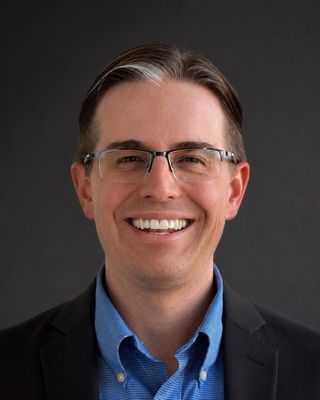
I offer discreet mental health and addiction care to executives, founders, and high-impact professionals in California and Utah. Leadership is lonely. It’s hard to find people you can trust. But when your mind is your greatest competitive advantage, mental health is an investment you can't leave to chance. Whether you've worked extensively with clinicians or never imagined a day when you'd be asking for help, I'm here for you. I’ve worked with technologists, attorneys, doctors, engineers and C-level executives at private and public companies. Their names and company logos won’t ever appear on my website. Yours won't either.
I offer discreet mental health and addiction care to executives, founders, and high-impact professionals in California and Utah. Leadership is lonely. It’s hard to find people you can trust. But when your mind is your greatest competitive advantage, mental health is an investment you can't leave to chance. Whether you've worked extensively with clinicians or never imagined a day when you'd be asking for help, I'm here for you. I’ve worked with technologists, attorneys, doctors, engineers and C-level executives at private and public companies. Their names and company logos won’t ever appear on my website. Yours won't either.

I seek to provide a safe and comfortable environment where my patients can share their concerns and feel heard. Each individual has gone through their own personal life experience and I strive to listen in an effort to understand what treatment options are best for each individual. Everyone has their own goals and I want to be a resource to help them accomplish those goals.
I seek to provide a safe and comfortable environment where my patients can share their concerns and feel heard. Each individual has gone through their own personal life experience and I strive to listen in an effort to understand what treatment options are best for each individual. Everyone has their own goals and I want to be a resource to help them accomplish those goals.

Melanie Nielsen
Psychiatric Nurse Practitioner, APRN, PMHNP, BC
Kaysville, UT 84037
Waitlist for new clients
Life can be overwhelming. Maybe you’ve been feeling anxious, depressed, struggling to focus or sleep, emotionally exhausted or simply not feeling like yourself. Whatever brings you in, you deserve a place where you feel heard, understood, and supported.
Life can be overwhelming. Maybe you’ve been feeling anxious, depressed, struggling to focus or sleep, emotionally exhausted or simply not feeling like yourself. Whatever brings you in, you deserve a place where you feel heard, understood, and supported.

I aim to help all of my patients with their mental health, whether it is with their ADHD, Anxiety, Depression, or any other mental health concern they may have. I have a transparent approach to my care and pride myself on offering patient autonomy.
I aim to help all of my patients with their mental health, whether it is with their ADHD, Anxiety, Depression, or any other mental health concern they may have. I have a transparent approach to my care and pride myself on offering patient autonomy.

With over a decade of experience as an Oncology Nurse and Emergency, I witnessed firsthand how deeply our physical, emotional, and social lives are intertwined. This understanding led me to expand my practice, pursuing a degree as a Psychiatric Mental Health Nurse Practitioner and becoming a Board-Certified Nurse Coach along the way. Combining my background in nursing with coaching has given me a deeper appreciation of how every aspect of our lives shapes our mental and emotional well-being—ultimately driving true and lasting change.
With over a decade of experience as an Oncology Nurse and Emergency, I witnessed firsthand how deeply our physical, emotional, and social lives are intertwined. This understanding led me to expand my practice, pursuing a degree as a Psychiatric Mental Health Nurse Practitioner and becoming a Board-Certified Nurse Coach along the way. Combining my background in nursing with coaching has given me a deeper appreciation of how every aspect of our lives shapes our mental and emotional well-being—ultimately driving true and lasting change.

Gary Webb is a board-certified PMHNP and APRN, who began his career in mental health as an RN at Utah State Hospital. After three years, he moved to Connecticut to complete the Psychiatric Mental Health Nurse Practitioner specialty program and earn his MSN at the Yale School of Nursing. After graduating from Yale in May 2017, he returned to Utah where he enjoys being closer to his family and the mountains. Gary previously worked for five years as a psychiatric nurse practitioner at a behavioral health center where he gained experience working with individuals facing a wide variety of mental health diagnoses and needs.
Gary Webb is a board-certified PMHNP and APRN, who began his career in mental health as an RN at Utah State Hospital. After three years, he moved to Connecticut to complete the Psychiatric Mental Health Nurse Practitioner specialty program and earn his MSN at the Yale School of Nursing. After graduating from Yale in May 2017, he returned to Utah where he enjoys being closer to his family and the mountains. Gary previously worked for five years as a psychiatric nurse practitioner at a behavioral health center where he gained experience working with individuals facing a wide variety of mental health diagnoses and needs.

Amos Grim - TMS, Spravato & Medication Management
Psychiatric Nurse Practitioner, MSN, APRN, PMHNP
Kaysville, UT 84037
Hello! My name is Amos & I'm a Board-Certified Mental Health Nurse Practitioner, skilled in performing psychiatric evaluations, pharmacologic treatment, medication management, and Spravato (esketamine) therapy at Stella Mental Health clinics in Layton and Kaysville, Utah. I have been in mental health for 8+ years and worked in various treatment settings, both inpatient and outpatient. I embrace holistic, integrated approaches to mental healthcare. I earned my Master's of Nursing degree specializing in Psychiatric/Mental Health from the University of Delaware.
Hello! My name is Amos & I'm a Board-Certified Mental Health Nurse Practitioner, skilled in performing psychiatric evaluations, pharmacologic treatment, medication management, and Spravato (esketamine) therapy at Stella Mental Health clinics in Layton and Kaysville, Utah. I have been in mental health for 8+ years and worked in various treatment settings, both inpatient and outpatient. I embrace holistic, integrated approaches to mental healthcare. I earned my Master's of Nursing degree specializing in Psychiatric/Mental Health from the University of Delaware.
See more therapy options for Kaysville


How does your Psychiatrist compare?
Number of Psychiatrists in Kaysville, UT
20+
Average cost per session
$150
Psychiatrists in Kaysville, UT who prioritize treating:
| 92% | Depression |
| 88% | Anxiety |
| 83% | ADHD |
| 79% | Bipolar Disorder |
| 79% | Medication Management |
| 63% | Trauma and PTSD |
| 63% | Obsessive-Compulsive (OCD) |
Average years in practice
8 Years
Top 3 insurances accepted
| 96% | Aetna |
| 96% | BlueCross and BlueShield |
| 96% | Regence |
How Psychiatrists in Kaysville, UT see their clients
| 88% | In Person and Online | |
| 12% | Online Only |
Gender breakdown
| 65% | Female | |
| 35% | Male |
FAQs - About Psychiatrists and Psychiatric Nurses
How can I find a psychiatrist in Kaysville?
The Psychology Today Directory enables users to search specifically for psychiatrists by selecting the provider type from the drop-down menu, and filtering results by city, zip code, or the psychiatrist's name. The search results feature detailed profiles that outline each professional's treatment approach, areas of expertise, credentials, fees, payment options, and accepted insurance. Results include both psychiatrists (MDs) and psychiatric mental health nurse practitioners (PMHNPs), who hold advanced practice nursing degrees. Users can refine their search for a specific type of psychiatric provider using the "Provider Type" filter.
What is the difference between a psychiatrist and a psychologist?
Psychiatrists are medical specialists dedicated to understanding, diagnosing, and treating brain disorders and mental health conditions. As physicians, they are trained to identify the often subtle biological factors underlying mental disorders and to monitor how mental health treatments may impact other physical conditions, such as heart disease. Psychiatrists are licensed to prescribe medication and typically conduct shorter sessions that focus on medication management rather than intensive psychotherapy.
In contrast, psychologists are particularly attuned to the impact of early experiences on development, behavior, emotions, and cognitive processes. They often take a holistic approach to assessing and treating clients, considering aspects of personality and social functioning. Although psychologists cannot prescribe medication, they are frequently skilled in administering psychological tests—such as IQ tests, personality assessments, and behavioral evaluations—to assess an individual's functioning. Psychologists often engage in longer, more psychotherapy-focused sessions compared to psychiatrists.
In contrast, psychologists are particularly attuned to the impact of early experiences on development, behavior, emotions, and cognitive processes. They often take a holistic approach to assessing and treating clients, considering aspects of personality and social functioning. Although psychologists cannot prescribe medication, they are frequently skilled in administering psychological tests—such as IQ tests, personality assessments, and behavioral evaluations—to assess an individual's functioning. Psychologists often engage in longer, more psychotherapy-focused sessions compared to psychiatrists.
What is a psychiatric nurse practitioner and what is the difference with a psychiatrist?
A psychiatric mental health nurse practitioner (PMHNP), also known as a mental health nurse practitioner or psychiatric nurse practitioner, is an advanced practice registered nurse (APRN) who has completed advanced training in psychiatric care, earning at least a master’s degree in psychiatric nursing. To become Board-Certified (PMHNP-BC), psychiatric nurse practitioners must also pass a national exam that tests their clinical psychiatric knowledge.
Like psychiatrists, PMHNPs are trained to assess, diagnose, and treat mental health conditions. However, PMHNPs and psychiatrists differ in their training experience. While PMHNPs can complete their credentialing requirements (full bachelor's and master's degree training) in as few as 6 years, psychiatrists often spend upwards of 12 years to complete their bachelor's, medical doctorate degree, and residency training requirements. Because of training differences, some states require PMHNPs to be supervised by or enter into a collaborative agreement with a physician in order to prescribe medication.
When deciding to work with a psychiatrist or PMHNP, clients should consider factors such therapeutic fit, cost, and availability. Psychiatrists may have more substantial training in treating more severe psychiatric conditions, as well as in providing more specialized treatment services, such as child psychiatry. However, psychiatrists may be inaccessible to some clients, as their cost and availability may be prohibitive. It can often be easier for clients to find a PMHNP with openings for new clients when compared to psychiatrists, and PMHNPs may also offer lower cost treatment options for clients looking to minimize out-of-pocket costs.
Can a psychiatrist or a PMHNP prescribe medication?
The Psychology Today directory features two primary types of psychiatric professionals: psychiatrists and psychiatric mental health nurse practitioners (PMHNPs). Both are generally authorized to prescribe psychiatric medications. In 28 states, PMHNPs have full practice authority, allowing them to provide the complete spectrum of psychiatric care, including independent medication prescribing and management. In other states, however, PMHNPs are required to work under the supervision or in collaboration with a physician to prescribe medication. Both psychiatrists and PMHNPs may also offer additional services, such as psychotherapy, counseling, and care coordination, for clients seeking psychiatric care.
Do psychiatrists or PMHNPs offer therapy?
Both psychiatrists and psychiatric mental health nurse practitioners (PMHNPs) are generally trained in a number of treatment modalities, including traditional psychotherapy, cognitive behavioral therapy (CBT), dialectical behavioral therapy (DBT), pharmacotherapy, and, occasionally, various somatic therapies. Typically, psychiatrists and PMHNPs make a diagnosis and determine a course of treatment based on chemical or biological factors, using lab tests, brain scans and physical and psychological evaluations.
While psychotherapy may be used in the first session to aid in diagnosis, it is not typically utilized in subsequent visits. In fact, after the introductory session, most psychiatry sessions may only be 15-20 minutes in length and are largely focused on medication management; this is frequently the case for both psychiatrists and PMHNPs. However, medication providers who do not offer psychotherapy usually work collaboratively with psychologists and other mental health clinicians who do offer these services, and they can refer clients seeking more traditional psychotherapy services to their care.
While psychotherapy may be used in the first session to aid in diagnosis, it is not typically utilized in subsequent visits. In fact, after the introductory session, most psychiatry sessions may only be 15-20 minutes in length and are largely focused on medication management; this is frequently the case for both psychiatrists and PMHNPs. However, medication providers who do not offer psychotherapy usually work collaboratively with psychologists and other mental health clinicians who do offer these services, and they can refer clients seeking more traditional psychotherapy services to their care.
How do I know if I need a psychiatrist, a PMHNP, or a therapist?
It is not always easy to know which type of mental health practitioner to choose. Many people are unaware of the root of their mental or behavioral problem and may be unaware of the differences in support provided by various mental health professionals. One way many people learn which type of care is best for them is by seeing their primary care provider (PCP) first. Depending on the nature and severity of the symptoms, the PCP may review their medical history and provide guidance or a referral to the appropriate type of provider.
A referral to a psychiatrist or PMHNP is most often made when a client is in need of psychiatric medication management or assessment. These professionals are specifically trained to prescribe psychiatric medications, when necessary, for a client; however, they generally do not provide supportive psychotherapy on an ongoing basis. A therapist or psychologist, in contrast, can provide supportive psychotherapy but is unable to prescribe medications. Because of their unique roles, some clients see both a medication prescriber (either a psychiatrist or PMHNP) and a therapist at the same time to address their psychiatric concerns holistically. Many psychiatrists and psychologists are very open to referring clients to other professionals if unable to meet the client's needs or if they think the client could use additional support from a different type of professional.
A referral to a psychiatrist or PMHNP is most often made when a client is in need of psychiatric medication management or assessment. These professionals are specifically trained to prescribe psychiatric medications, when necessary, for a client; however, they generally do not provide supportive psychotherapy on an ongoing basis. A therapist or psychologist, in contrast, can provide supportive psychotherapy but is unable to prescribe medications. Because of their unique roles, some clients see both a medication prescriber (either a psychiatrist or PMHNP) and a therapist at the same time to address their psychiatric concerns holistically. Many psychiatrists and psychologists are very open to referring clients to other professionals if unable to meet the client's needs or if they think the client could use additional support from a different type of professional.
Do I need a referral to see a psychiatrist or a PMHNP?
A referral to a psychiatrist or psychiatric mental health nurse practitioner (PMHNP) is often not required. However, consulting your primary care physician (PCP) first can be beneficial and may streamline the process of getting the care you need. Your PCP can help determine whether psychiatric care is necessary or if another type of mental health support might be more appropriate. Additionally, some insurance plans require a PCP referral to cover part or all of the costs associated with seeing a specialist. Obtaining a referral can also expedite the appointment process, particularly in areas with provider shortages or for clients seeking specialists in fields like child psychiatry.
Is everyone in the Psychology Today Therapy Directory a licensed professional?
Yes, all professionals listed in the Psychology Today Therapy Directory are licensed to provide mental health services in the state(s) where they practice. The directory includes a variety of providers such as psychiatrists, psychiatric mental health nurse practitioners (PMHNPs), physician assistants, psychologists, social workers, and counselors. Each provider must hold a valid license issued by their state regulatory body to be listed. In addition, Psychology Today offers a verification process for certain providers, signified by a 'Verified' symbol next to their profile. This badge indicates that the provider’s primary credential or license has been independently verified by Psychology Today.