Psychiatrists in Princeton, NJ

There is no such thing as an "ideal client." Each individual is unique, and care will be tailored to fit patient needs.
There is no such thing as an "ideal client." Each individual is unique, and care will be tailored to fit patient needs.
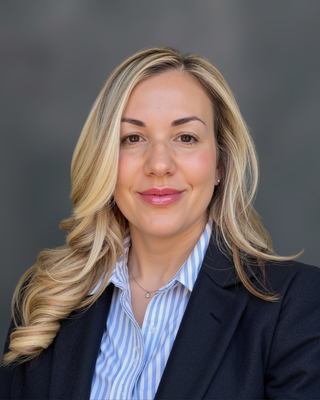
I am double board-certified in Psychiatry and Addiction Medicine. I believe in using both medication when indicated as well as therapy. I was trained in CBT and was given the Excellence in Cognitive Behavioral Therapy during my residency program. I use supportive therapy with each client I see. During my residency I served as Chief Resident and was awarded the Overall Excellence in Psychiatry Award as well as the Clinical Excellence Award.
I am double board-certified in Psychiatry and Addiction Medicine. I believe in using both medication when indicated as well as therapy. I was trained in CBT and was given the Excellence in Cognitive Behavioral Therapy during my residency program. I use supportive therapy with each client I see. During my residency I served as Chief Resident and was awarded the Overall Excellence in Psychiatry Award as well as the Clinical Excellence Award.
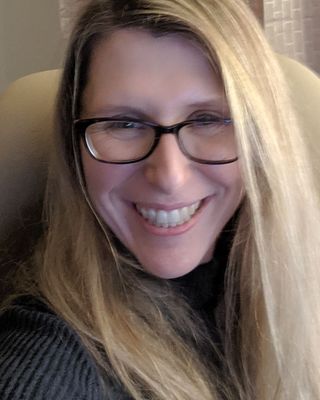
I work with those looking to combine treatment options with modern medicine and integrative health for a well rounded approach to their personalized treatment.
I work with those looking to combine treatment options with modern medicine and integrative health for a well rounded approach to their personalized treatment.
My ideal client is struggling with anxiety and/or depression and is seeking services to find balance.
My ideal client is struggling with anxiety and/or depression and is seeking services to find balance.
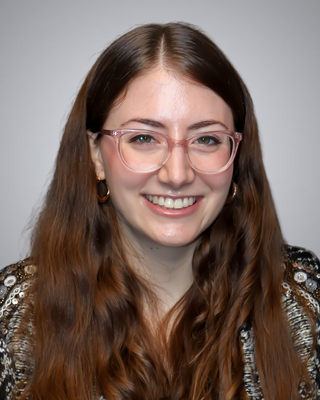
My ideal client would understand that the journey to wellness and recovery requires time, effort, and patience. They would be receptive to treatment suggestions, including psychotherapy, behavioral interventions, and medication options. My patients would take an active role in their care and engage in open and honest communication with their providers.
My ideal client would understand that the journey to wellness and recovery requires time, effort, and patience. They would be receptive to treatment suggestions, including psychotherapy, behavioral interventions, and medication options. My patients would take an active role in their care and engage in open and honest communication with their providers.
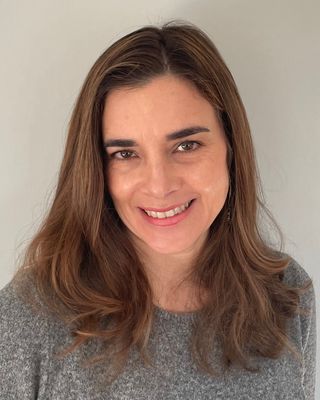
Hello there, mental health is my passion, and I provide medication management with therapeutic approaches for a wide variety of conditions such as anxiety, depression, OCD, ADHD, and bipolar disorder. I have been in practice for several years and have treated patients from all walks of life and personal experiences. I believe in meeting the patient where they are at the moment and what they are comfortable with in terms of treatment. I offer a warm, safe, nonjudgmental and direct approach with my patients and applying the most holistic of approaches, encourage open discussion of what we can accomplish together.
Hello there, mental health is my passion, and I provide medication management with therapeutic approaches for a wide variety of conditions such as anxiety, depression, OCD, ADHD, and bipolar disorder. I have been in practice for several years and have treated patients from all walks of life and personal experiences. I believe in meeting the patient where they are at the moment and what they are comfortable with in terms of treatment. I offer a warm, safe, nonjudgmental and direct approach with my patients and applying the most holistic of approaches, encourage open discussion of what we can accomplish together.

Getting support shouldn’t mean sitting on a waitlist for weeks. First appointments are often available as soon as today or tomorrow.
Looking for expert guidance in managing mental health across the lifespan? I’m Alexis Holmes, a Psychiatric Nurse Practitioner with nearly a decade of experience supporting children, adolescents, adults, and older adults. I specialize in intellectual and neurodevelopmental disabilities and combine compassion with in-depth knowledge of prescription medications, diagnostic testing, and clinical assessment to help you achieve balance, clarity, and well-being.

Hello, I’m Dr. Sajid Baig, a board-certified psychiatrist dedicated to helping adults navigate challenges such as anxiety, depression, bipolar disorder, schizophrenia, trauma-related concerns, and co-occurring substance use issues.
I’ve had the privilege of working in diverse clinical settings—including outpatient psychiatry, inpatient hospital units, correctional mental health, crisis stabilization, and addiction treatment programs. These experiences have given me a deep appreciation for how differently psychiatric conditions can present and how important it is to tailor care to each individual’s circumstances.

My ideal patient is one with multiple psychiatric co-morbidities looking for a treatment to improve one’s mood, energy, anxiety, and focus. Do you feel sad daily, stopped socializing with friends & family members, perform the bare minimum work tasks, call out of work frequently, and are failing college classes due to not completing school assignments & attendance? Have you been using cannabis to cope with one’s current mood symptoms? Have you failed numerous medications due to side effects & effectiveness? I will help you develop a treatment plan to help you meet your mental health goals and feel content & yourself again.
My ideal patient is one with multiple psychiatric co-morbidities looking for a treatment to improve one’s mood, energy, anxiety, and focus. Do you feel sad daily, stopped socializing with friends & family members, perform the bare minimum work tasks, call out of work frequently, and are failing college classes due to not completing school assignments & attendance? Have you been using cannabis to cope with one’s current mood symptoms? Have you failed numerous medications due to side effects & effectiveness? I will help you develop a treatment plan to help you meet your mental health goals and feel content & yourself again.
My ideal client is a person who wants help. Whether it is Depression, Anxiety, ADHD, or Bipolar Disorder, I want my patients to strive to keep an open mind and are motivated to feel better. I am passionate about the creation of a therapeutic environment that fosters trust, safety, exploration, insight, strength, and direction as an integral aspect of your treatment.
My ideal client is a person who wants help. Whether it is Depression, Anxiety, ADHD, or Bipolar Disorder, I want my patients to strive to keep an open mind and are motivated to feel better. I am passionate about the creation of a therapeutic environment that fosters trust, safety, exploration, insight, strength, and direction as an integral aspect of your treatment.
I deliver individualized care for children, adolescents, and young adults with various mental health and behavior challenges. As a board-certified pediatrician, and adult, child & adolescent psychiatrist, I understand the associations between physical and psychological health; hence, I will work closely with your primary care doctor to ensure that you are in good physical and mental health.
I deliver individualized care for children, adolescents, and young adults with various mental health and behavior challenges. As a board-certified pediatrician, and adult, child & adolescent psychiatrist, I understand the associations between physical and psychological health; hence, I will work closely with your primary care doctor to ensure that you are in good physical and mental health.

Dr. Linet is comfortable using psychotherapy or psychopharmacology. He has expertise treating anxiety, depression and disruptive/acting out behavior whether caused by psychological problems, ADHD, bipolar or other mood disorders. He wrote "The Search for Stimulation: Understanding ADHD," a link to which can be found at www.LesLinetMD.com. Dr. Linet appeared on television discussing OCD and Tourette Syndrome. He is one of a relatively few thousand physicians with a federal waiver to prescribe buprenorphine for addiction. He also counsels families and patients in handling substance abuse.
Dr. Linet is comfortable using psychotherapy or psychopharmacology. He has expertise treating anxiety, depression and disruptive/acting out behavior whether caused by psychological problems, ADHD, bipolar or other mood disorders. He wrote "The Search for Stimulation: Understanding ADHD," a link to which can be found at www.LesLinetMD.com. Dr. Linet appeared on television discussing OCD and Tourette Syndrome. He is one of a relatively few thousand physicians with a federal waiver to prescribe buprenorphine for addiction. He also counsels families and patients in handling substance abuse.

My ideal client presents with anxiety; she has been experiencing a lot of panic attacks. She has been to the ER over three times in the past two months, where they ruled out cardiac problems. They always give her benzodiazepine and follow up with a psychiatrist. She does not want to be on medications, so she tried psychotherapy. She was then referred by her therapist. Her goal is to stay on medication for a short time. She prefers to use natural remedies. She is very fearful of science and the long-term effects of medications.
My ideal client presents with anxiety; she has been experiencing a lot of panic attacks. She has been to the ER over three times in the past two months, where they ruled out cardiac problems. They always give her benzodiazepine and follow up with a psychiatrist. She does not want to be on medications, so she tried psychotherapy. She was then referred by her therapist. Her goal is to stay on medication for a short time. She prefers to use natural remedies. She is very fearful of science and the long-term effects of medications.

I'm a board certified psychiatrist. Psychiatric symptoms/disorders are often complex and are usually influenced by genetic factors, environmental/social stimuli and personal experience. I do a comprehensive initial assessment to determine the need for medications and if medications are indicated, I carefully consider the risk-benefit-alternatives of medications. In addition to prescribing psychotropic medications, I try to bring out one's inner strength/potential for drive and motivation for better adaptation to daily stresses.
I'm a board certified psychiatrist. Psychiatric symptoms/disorders are often complex and are usually influenced by genetic factors, environmental/social stimuli and personal experience. I do a comprehensive initial assessment to determine the need for medications and if medications are indicated, I carefully consider the risk-benefit-alternatives of medications. In addition to prescribing psychotropic medications, I try to bring out one's inner strength/potential for drive and motivation for better adaptation to daily stresses.

“For teens and adults stuck in survival mode — whether from childhood trauma, anxiety, depression, ADHD, or autism — I offer an approach that supports both the mind and the nervous system through medication and somatic, inner-child healing.” I also enjoy working with parents, caregivers, and highly sensitive people who often give so much to others and are now learning how to care for themselves, too. Whoever you are, my hope is that you leave our time together feeling supported, understood, and more hopeful about what’s possible.
“For teens and adults stuck in survival mode — whether from childhood trauma, anxiety, depression, ADHD, or autism — I offer an approach that supports both the mind and the nervous system through medication and somatic, inner-child healing.” I also enjoy working with parents, caregivers, and highly sensitive people who often give so much to others and are now learning how to care for themselves, too. Whoever you are, my hope is that you leave our time together feeling supported, understood, and more hopeful about what’s possible.

Michelle is passionate about delivering care to individuals suffering from anxiety, substance use, and depression. Client motivation and dedication are key to utilizing the tools provided during our sessions including medication management, implementing lifestyle interventions, and therapy to help develop and implement a successful treatment plan. Relief of the client's suffering in dealing with their mental health issues and striving for an improvement in their quality of life is key to treatment.
Michelle is passionate about delivering care to individuals suffering from anxiety, substance use, and depression. Client motivation and dedication are key to utilizing the tools provided during our sessions including medication management, implementing lifestyle interventions, and therapy to help develop and implement a successful treatment plan. Relief of the client's suffering in dealing with their mental health issues and striving for an improvement in their quality of life is key to treatment.

I focus on medication management and lifestyle factors for patients ages 5-50. My patient population emphasis is on youth for ongoing care. Please note that I do not prescribe controlled substances to adults as this is a telehealth practice, however, I can do so for minors. I also offer therapy for adolescents and adults, in addition to one to two time consultations and second opinions regarding diagnosis and treatment plan. Accepting insurance and private pay for NJ and PA patients.
I focus on medication management and lifestyle factors for patients ages 5-50. My patient population emphasis is on youth for ongoing care. Please note that I do not prescribe controlled substances to adults as this is a telehealth practice, however, I can do so for minors. I also offer therapy for adolescents and adults, in addition to one to two time consultations and second opinions regarding diagnosis and treatment plan. Accepting insurance and private pay for NJ and PA patients.

Ideally my patient is as invested in their care as I am. They could have a variety of diagnoses but the thing they have in common is they are willing to give the process time, are open to new ideas, and know there is no magic pill to fix all their problems. My patients want to get to the best version of themselves and are willing to try therapy as well as medications to help them reach that goal. My patient wants an empathetic, listening provider who can guide their care based on the evidence, but tailored to their individual needs.
Ideally my patient is as invested in their care as I am. They could have a variety of diagnoses but the thing they have in common is they are willing to give the process time, are open to new ideas, and know there is no magic pill to fix all their problems. My patients want to get to the best version of themselves and are willing to try therapy as well as medications to help them reach that goal. My patient wants an empathetic, listening provider who can guide their care based on the evidence, but tailored to their individual needs.

My ideal client is dealing with a mental concern that is causing them distress that they are seeking relief from. They are looking for someone who will listen to their concerns and work with them to develop an individualized treatment plan that aligns with their unique goals. They seek a safe, nonjudgmental environment with a trustworthy provider to deliver quality care. Hi, my name is Nichelle and I'm a Board Certified Psychiatric Nurse Practitioner. I have over 10 years of clinical experience in treating psychiatric disorders and specialize in treating major depression, anxiety disorder, mood disorders, PTSD & ADHD.
My ideal client is dealing with a mental concern that is causing them distress that they are seeking relief from. They are looking for someone who will listen to their concerns and work with them to develop an individualized treatment plan that aligns with their unique goals. They seek a safe, nonjudgmental environment with a trustworthy provider to deliver quality care. Hi, my name is Nichelle and I'm a Board Certified Psychiatric Nurse Practitioner. I have over 10 years of clinical experience in treating psychiatric disorders and specialize in treating major depression, anxiety disorder, mood disorders, PTSD & ADHD.

I don't have an ideal client, except that they are open to change. I will see anyone who asks for help, but I expect they are or will be willing to change. I attempt to understand the patient as a whole, from birth to the present, from a medical, psychological, familial, and neurological perspective. I am focused on practical solutions and removing emotional blocks to making progress. I speak directly and am primarily concerned about the relationship with my patients. I am an avid advocate for my patients.
I don't have an ideal client, except that they are open to change. I will see anyone who asks for help, but I expect they are or will be willing to change. I attempt to understand the patient as a whole, from birth to the present, from a medical, psychological, familial, and neurological perspective. I am focused on practical solutions and removing emotional blocks to making progress. I speak directly and am primarily concerned about the relationship with my patients. I am an avid advocate for my patients.
See more therapy options for Princeton


How does your Psychiatrist compare?
Number of Psychiatrists in Princeton, NJ
100+
Average cost per session
$200
Psychiatrists in Princeton, NJ who prioritize treating:
| 96% | Anxiety |
| 93% | Depression |
| 83% | Bipolar Disorder |
| 76% | Medication Management |
| 75% | ADHD |
| 67% | Trauma and PTSD |
| 65% | Obsessive-Compulsive (OCD) |
Average years in practice
8 Years
Top 3 insurances accepted
| 99% | Aetna |
| 90% | Cigna and Evernorth |
| 82% | Horizon Blue Cross and Blue Shield |
How Psychiatrists in Princeton, NJ see their clients
| 77% | In Person and Online | |
| 23% | Online Only |
Gender breakdown
| 73% | Female | |
| 27% | Male |
FAQs - About Psychiatrists and Psychiatric Nurses
How can I find a psychiatrist in Princeton?
The Psychology Today Directory enables users to search specifically for psychiatrists by selecting the provider type from the drop-down menu, and filtering results by city, zip code, or the psychiatrist's name. The search results feature detailed profiles that outline each professional's treatment approach, areas of expertise, credentials, fees, payment options, and accepted insurance. Results include both psychiatrists (MDs) and psychiatric mental health nurse practitioners (PMHNPs), who hold advanced practice nursing degrees. Users can refine their search for a specific type of psychiatric provider using the "Provider Type" filter.
What is the difference between a psychiatrist and a psychologist?
Psychiatrists are medical specialists dedicated to understanding, diagnosing, and treating brain disorders and mental health conditions. As physicians, they are trained to identify the often subtle biological factors underlying mental disorders and to monitor how mental health treatments may impact other physical conditions, such as heart disease. Psychiatrists are licensed to prescribe medication and typically conduct shorter sessions that focus on medication management rather than intensive psychotherapy.
In contrast, psychologists are particularly attuned to the impact of early experiences on development, behavior, emotions, and cognitive processes. They often take a holistic approach to assessing and treating clients, considering aspects of personality and social functioning. Although psychologists cannot prescribe medication, they are frequently skilled in administering psychological tests—such as IQ tests, personality assessments, and behavioral evaluations—to assess an individual's functioning. Psychologists often engage in longer, more psychotherapy-focused sessions compared to psychiatrists.
In contrast, psychologists are particularly attuned to the impact of early experiences on development, behavior, emotions, and cognitive processes. They often take a holistic approach to assessing and treating clients, considering aspects of personality and social functioning. Although psychologists cannot prescribe medication, they are frequently skilled in administering psychological tests—such as IQ tests, personality assessments, and behavioral evaluations—to assess an individual's functioning. Psychologists often engage in longer, more psychotherapy-focused sessions compared to psychiatrists.
What is a psychiatric nurse practitioner and what is the difference with a psychiatrist?
A psychiatric mental health nurse practitioner (PMHNP), also known as a mental health nurse practitioner or psychiatric nurse practitioner, is an advanced practice registered nurse (APRN) who has completed advanced training in psychiatric care, earning at least a master’s degree in psychiatric nursing. To become Board-Certified (PMHNP-BC), psychiatric nurse practitioners must also pass a national exam that tests their clinical psychiatric knowledge.
Like psychiatrists, PMHNPs are trained to assess, diagnose, and treat mental health conditions. However, PMHNPs and psychiatrists differ in their training experience. While PMHNPs can complete their credentialing requirements (full bachelor's and master's degree training) in as few as 6 years, psychiatrists often spend upwards of 12 years to complete their bachelor's, medical doctorate degree, and residency training requirements. Because of training differences, some states require PMHNPs to be supervised by or enter into a collaborative agreement with a physician in order to prescribe medication.
When deciding to work with a psychiatrist or PMHNP, clients should consider factors such therapeutic fit, cost, and availability. Psychiatrists may have more substantial training in treating more severe psychiatric conditions, as well as in providing more specialized treatment services, such as child psychiatry. However, psychiatrists may be inaccessible to some clients, as their cost and availability may be prohibitive. It can often be easier for clients to find a PMHNP with openings for new clients when compared to psychiatrists, and PMHNPs may also offer lower cost treatment options for clients looking to minimize out-of-pocket costs.
Can a psychiatrist or a PMHNP prescribe medication?
The Psychology Today directory features two primary types of psychiatric professionals: psychiatrists and psychiatric mental health nurse practitioners (PMHNPs). Both are generally authorized to prescribe psychiatric medications. In 28 states, PMHNPs have full practice authority, allowing them to provide the complete spectrum of psychiatric care, including independent medication prescribing and management. In other states, however, PMHNPs are required to work under the supervision or in collaboration with a physician to prescribe medication. Both psychiatrists and PMHNPs may also offer additional services, such as psychotherapy, counseling, and care coordination, for clients seeking psychiatric care.
Do psychiatrists or PMHNPs offer therapy?
Both psychiatrists and psychiatric mental health nurse practitioners (PMHNPs) are generally trained in a number of treatment modalities, including traditional psychotherapy, cognitive behavioral therapy (CBT), dialectical behavioral therapy (DBT), pharmacotherapy, and, occasionally, various somatic therapies. Typically, psychiatrists and PMHNPs make a diagnosis and determine a course of treatment based on chemical or biological factors, using lab tests, brain scans and physical and psychological evaluations.
While psychotherapy may be used in the first session to aid in diagnosis, it is not typically utilized in subsequent visits. In fact, after the introductory session, most psychiatry sessions may only be 15-20 minutes in length and are largely focused on medication management; this is frequently the case for both psychiatrists and PMHNPs. However, medication providers who do not offer psychotherapy usually work collaboratively with psychologists and other mental health clinicians who do offer these services, and they can refer clients seeking more traditional psychotherapy services to their care.
While psychotherapy may be used in the first session to aid in diagnosis, it is not typically utilized in subsequent visits. In fact, after the introductory session, most psychiatry sessions may only be 15-20 minutes in length and are largely focused on medication management; this is frequently the case for both psychiatrists and PMHNPs. However, medication providers who do not offer psychotherapy usually work collaboratively with psychologists and other mental health clinicians who do offer these services, and they can refer clients seeking more traditional psychotherapy services to their care.
How do I know if I need a psychiatrist, a PMHNP, or a therapist?
It is not always easy to know which type of mental health practitioner to choose. Many people are unaware of the root of their mental or behavioral problem and may be unaware of the differences in support provided by various mental health professionals. One way many people learn which type of care is best for them is by seeing their primary care provider (PCP) first. Depending on the nature and severity of the symptoms, the PCP may review their medical history and provide guidance or a referral to the appropriate type of provider.
A referral to a psychiatrist or PMHNP is most often made when a client is in need of psychiatric medication management or assessment. These professionals are specifically trained to prescribe psychiatric medications, when necessary, for a client; however, they generally do not provide supportive psychotherapy on an ongoing basis. A therapist or psychologist, in contrast, can provide supportive psychotherapy but is unable to prescribe medications. Because of their unique roles, some clients see both a medication prescriber (either a psychiatrist or PMHNP) and a therapist at the same time to address their psychiatric concerns holistically. Many psychiatrists and psychologists are very open to referring clients to other professionals if unable to meet the client's needs or if they think the client could use additional support from a different type of professional.
A referral to a psychiatrist or PMHNP is most often made when a client is in need of psychiatric medication management or assessment. These professionals are specifically trained to prescribe psychiatric medications, when necessary, for a client; however, they generally do not provide supportive psychotherapy on an ongoing basis. A therapist or psychologist, in contrast, can provide supportive psychotherapy but is unable to prescribe medications. Because of their unique roles, some clients see both a medication prescriber (either a psychiatrist or PMHNP) and a therapist at the same time to address their psychiatric concerns holistically. Many psychiatrists and psychologists are very open to referring clients to other professionals if unable to meet the client's needs or if they think the client could use additional support from a different type of professional.
Do I need a referral to see a psychiatrist or a PMHNP?
A referral to a psychiatrist or psychiatric mental health nurse practitioner (PMHNP) is often not required. However, consulting your primary care physician (PCP) first can be beneficial and may streamline the process of getting the care you need. Your PCP can help determine whether psychiatric care is necessary or if another type of mental health support might be more appropriate. Additionally, some insurance plans require a PCP referral to cover part or all of the costs associated with seeing a specialist. Obtaining a referral can also expedite the appointment process, particularly in areas with provider shortages or for clients seeking specialists in fields like child psychiatry.
Is everyone in the Psychology Today Therapy Directory a licensed professional?
Yes, all professionals listed in the Psychology Today Therapy Directory are licensed to provide mental health services in the state(s) where they practice. The directory includes a variety of providers such as psychiatrists, psychiatric mental health nurse practitioners (PMHNPs), physician assistants, psychologists, social workers, and counselors. Each provider must hold a valid license issued by their state regulatory body to be listed. In addition, Psychology Today offers a verification process for certain providers, signified by a 'Verified' symbol next to their profile. This badge indicates that the provider’s primary credential or license has been independently verified by Psychology Today.