Psychiatrists in Chapel Hill, NC
I work with adults seeking clarity around their mental health concerns and goals who are open to consistent engagement and collaboration in treatment. You may be feeling unsure about what is driving your symptoms or how to move forward. You value understanding, partnership, and thoughtful care, and are open to both medication and non-medication strategies to support your wellbeing. You’re looking for a provider who listens closely, helps make sense of your experiences, and works with you to create a plan that supports balance, healing, and long-term growth.
I work with adults seeking clarity around their mental health concerns and goals who are open to consistent engagement and collaboration in treatment. You may be feeling unsure about what is driving your symptoms or how to move forward. You value understanding, partnership, and thoughtful care, and are open to both medication and non-medication strategies to support your wellbeing. You’re looking for a provider who listens closely, helps make sense of your experiences, and works with you to create a plan that supports balance, healing, and long-term growth.

If you suffer from depression, anxiety, eating disorders, bipolar disorder, trauma, self-esteem problems, relationship issues, or stress management difficulties, I can help. Offering both psychotherapy and medication management, I can provide all aspects of mental health care for most individuals. I help my patients learn to release shame and self-criticism so they can lead happier lives. I also see some clients of psychotherapists whom I trust for medication management. Together, we pick the approach that fits your needs and your time frame. LGBTQ friendly.
If you suffer from depression, anxiety, eating disorders, bipolar disorder, trauma, self-esteem problems, relationship issues, or stress management difficulties, I can help. Offering both psychotherapy and medication management, I can provide all aspects of mental health care for most individuals. I help my patients learn to release shame and self-criticism so they can lead happier lives. I also see some clients of psychotherapists whom I trust for medication management. Together, we pick the approach that fits your needs and your time frame. LGBTQ friendly.

My current practice focuses on the psychopharmacology of the major mental health disorders: Depression, Bipolar Disorder, Obsessive-Compulsive Disorder, Generalized Anxiety Disorder, Panic Disorder, and Post Traumatic Stress Disorder. I am accepting new patients, ages 14 and older
My current practice focuses on the psychopharmacology of the major mental health disorders: Depression, Bipolar Disorder, Obsessive-Compulsive Disorder, Generalized Anxiety Disorder, Panic Disorder, and Post Traumatic Stress Disorder. I am accepting new patients, ages 14 and older

Dr. Tim O’Connor is a board certified adult psychiatrist. Dr. O’Connor completed his medical education & psychiatric residency at University of North Carolina at Chapel Hill. In addition to his particular clinical interest in mental health issues impacting university students, he has experience working with patients with a wide variety of mental health concerns. His background in education instilled an appreciation of the tremendous capacity for growth inherent in every person. He was drawn to the practice of psychiatry as a way of helping individuals recognize & actualize this potential.
Dr. Tim O’Connor is a board certified adult psychiatrist. Dr. O’Connor completed his medical education & psychiatric residency at University of North Carolina at Chapel Hill. In addition to his particular clinical interest in mental health issues impacting university students, he has experience working with patients with a wide variety of mental health concerns. His background in education instilled an appreciation of the tremendous capacity for growth inherent in every person. He was drawn to the practice of psychiatry as a way of helping individuals recognize & actualize this potential.

Dr. Madison Piotrowski works collaboratively with her patients to gain a comprehensive understanding of their unique experiences and needs. Primarily focused on medication management, Dr. Piotrowski also emphasizes the importance of psychotherapy and therapeutic lifestyle changes to promote overall well-being.
Dr. Madison Piotrowski works collaboratively with her patients to gain a comprehensive understanding of their unique experiences and needs. Primarily focused on medication management, Dr. Piotrowski also emphasizes the importance of psychotherapy and therapeutic lifestyle changes to promote overall well-being.

My current practice focuses on issues of anxiety, stress, and problems with peak performance. It utilizes a unique and innovative approach, Archetype Energy Transformation, which I have created after extensive training over 25 years in more than 10 methods of energy psychology. This approach is a novel synthesis of Jungian thought and energy psychology methods. For further information and to make an appointment, visit my website: drschilke.com
My current practice focuses on issues of anxiety, stress, and problems with peak performance. It utilizes a unique and innovative approach, Archetype Energy Transformation, which I have created after extensive training over 25 years in more than 10 methods of energy psychology. This approach is a novel synthesis of Jungian thought and energy psychology methods. For further information and to make an appointment, visit my website: drschilke.com

Michael’s interest in psychiatry began while working as a behavioral specialist with children with autism in K-12 grades. Michael understands how chronic diseases can affect mental health and wants his patients to improve their cognitive, social, and emotional growth. He offers pharmacotherapy to help patients reach their goals.
Michael’s interest in psychiatry began while working as a behavioral specialist with children with autism in K-12 grades. Michael understands how chronic diseases can affect mental health and wants his patients to improve their cognitive, social, and emotional growth. He offers pharmacotherapy to help patients reach their goals.
As a board-certified psychiatrist, my focus is to provide thoughtful, evidence-based care for adults navigating a wide range of mental health challenges. I specialize in general adult psychiatry with additional focus on mood disorders, student mental health, ADHD, post-traumatic stress (PTSD), and psychotic disorders. My experience across inpatient, emergency, outpatient, and student mental health settings has shaped a comprehensive and flexible approach to treatment. I work collaboratively to ensure each person’s plan is individualized, practical, and aligned with their goals.
As a board-certified psychiatrist, my focus is to provide thoughtful, evidence-based care for adults navigating a wide range of mental health challenges. I specialize in general adult psychiatry with additional focus on mood disorders, student mental health, ADHD, post-traumatic stress (PTSD), and psychotic disorders. My experience across inpatient, emergency, outpatient, and student mental health settings has shaped a comprehensive and flexible approach to treatment. I work collaboratively to ensure each person’s plan is individualized, practical, and aligned with their goals.
Dr. Benjamin Brodey values patient-clinician partnerships and takes the time needed to get to know his patients. He excels in diagnosing mental health conditions. He strives to understand the many aspects of his patients’ lives, including cultural contexts the transitions to life in NC. After completing his residency at Yale, he developed a deep appreciation for literature. He enjoys helping people to understand life’s complexities.
Dr. Benjamin Brodey values patient-clinician partnerships and takes the time needed to get to know his patients. He excels in diagnosing mental health conditions. He strives to understand the many aspects of his patients’ lives, including cultural contexts the transitions to life in NC. After completing his residency at Yale, he developed a deep appreciation for literature. He enjoys helping people to understand life’s complexities.

Alecia’s goal is to treat each patient with compassion and respect to maintain a healthy provider and patient relationship.
Alecia’s goal is to treat each patient with compassion and respect to maintain a healthy provider and patient relationship.
As a board-certified Psychiatric-Mental Health Nurse Practitioner, I provide compassionate, evidence-based care focused on helping individuals navigate their mental health journey with confidence and support. I specialize in treating ADHD, Bipolar Disorder, Depression, Generalized Anxiety Disorder, and Obsessive-Compulsive Disorder (OCD), offering comprehensive medication management and psychotherapeutic support tailored to each patient’s unique needs and goals.
As a board-certified Psychiatric-Mental Health Nurse Practitioner, I provide compassionate, evidence-based care focused on helping individuals navigate their mental health journey with confidence and support. I specialize in treating ADHD, Bipolar Disorder, Depression, Generalized Anxiety Disorder, and Obsessive-Compulsive Disorder (OCD), offering comprehensive medication management and psychotherapeutic support tailored to each patient’s unique needs and goals.
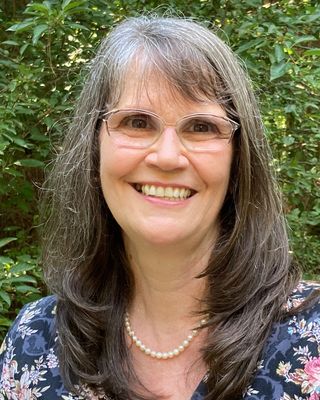
Most people develop some kind of self-loathing and feel disappointed in themselves. Somehow, we are never good enough, we don’t measure up in intelligence, beauty, goodness and accomplishments. If we had traumatic experiences, we learned to shut down in a more complex way and feel disconnected from life. There is an intelligence that helped you to survive and to get to the present moment. However, habits and coping that helped you in the past may no longer work and inhibit you in finding your true potential and joy. Now is the time for you to seek support to take a new look. Finding a skilled therapist may be what you need.
Most people develop some kind of self-loathing and feel disappointed in themselves. Somehow, we are never good enough, we don’t measure up in intelligence, beauty, goodness and accomplishments. If we had traumatic experiences, we learned to shut down in a more complex way and feel disconnected from life. There is an intelligence that helped you to survive and to get to the present moment. However, habits and coping that helped you in the past may no longer work and inhibit you in finding your true potential and joy. Now is the time for you to seek support to take a new look. Finding a skilled therapist may be what you need.
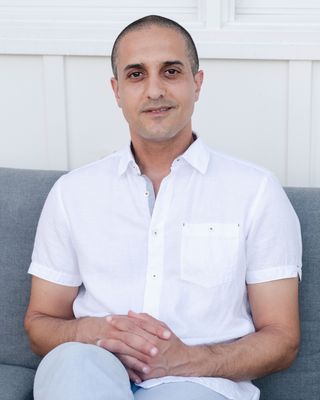
NOW accepting NC State Health Plan ;
At Transformance Health, we focus on helping clients become better versions of themselves, and to transform potential into reality. We apply evidence-based principles of neuroscience, psychology, ketamine assisted psychotherapy, meditation and mindfulness, stress management, nutrition, exercise, and pharmacology to promote thriving.

You may feel stuck in patterns that no longer work—persistent anxiety, low mood that drains your energy, self-sabotage at work or in relationships, or the sense that something important is missing even when life looks fine on the outside. Many people I see have already tried shorter approaches and want something deeper: a clearer understanding of how these difficulties developed and the space to change what they want to change.
You may feel stuck in patterns that no longer work—persistent anxiety, low mood that drains your energy, self-sabotage at work or in relationships, or the sense that something important is missing even when life looks fine on the outside. Many people I see have already tried shorter approaches and want something deeper: a clearer understanding of how these difficulties developed and the space to change what they want to change.

Kristen Bagby
Psychiatric Nurse Practitioner, MSN, PMHNP
2 Endorsed
Chapel Hill, NC 27514
Not accepting new clients
This provider is no longer in clinical practice
This provider is no longer in clinical practice
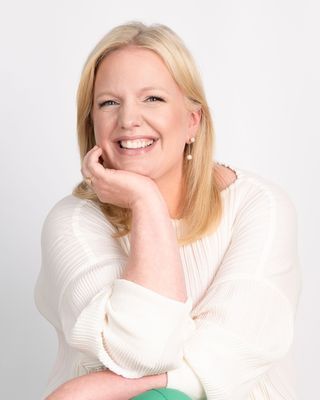
If you're reading this, maybe you or your loved one may have tried everything—multiple medications, different therapists, various treatment approaches—yet you're still struggling with depression, anxiety, OCD, eating disorders, bipolar disorder, or PTSD. The frustration and discouragement are real. You might be wondering if anything will ever truly help. You're wondering if anyone truly sees and understands you.
If you're reading this, maybe you or your loved one may have tried everything—multiple medications, different therapists, various treatment approaches—yet you're still struggling with depression, anxiety, OCD, eating disorders, bipolar disorder, or PTSD. The frustration and discouragement are real. You might be wondering if anything will ever truly help. You're wondering if anyone truly sees and understands you.

Mindpath Health is a leading provider of high-quality outpatient mental health care, offering in-person and online visits. We provide psychiatric evaluations, medication management, and therapy.
Mindpath Health is a leading provider of high-quality outpatient mental health care, offering in-person and online visits. We provide psychiatric evaluations, medication management, and therapy.
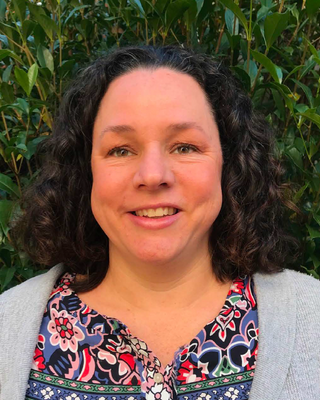
Laura “Liz” Downey, MSN, FNP-C, is a Family Nurse Practitioner at AIM: Advaita Integrated Medicine - Chapel Hill. She provides psychiatric evaluation and medication management for patients at the Chapel Hill location and remotely via telehealth. Liz has worked as a Nurse Practitioner since 2020. She has a passion for whole-person centered healthcare and believes in establishing collaborative relationships with her clients. Prior to going into nursing, Liz worked in environmental public health.
Laura “Liz” Downey, MSN, FNP-C, is a Family Nurse Practitioner at AIM: Advaita Integrated Medicine - Chapel Hill. She provides psychiatric evaluation and medication management for patients at the Chapel Hill location and remotely via telehealth. Liz has worked as a Nurse Practitioner since 2020. She has a passion for whole-person centered healthcare and believes in establishing collaborative relationships with her clients. Prior to going into nursing, Liz worked in environmental public health.

I am a board-certified adult psychiatrist providing comprehensive psychiatric evaluation and treatment in Raleigh, Chapel Hill, and the greater Triangle Area. I have extensive experience in treating depression, anxiety disorders, ADHD, bipolar disorder, OCD, schizophrenia and psychotic disorders. My treatment philosophy emphasizes evidence-based care and a collaborative approach, working closely with therapists and other healthcare providers to ensure the best patient outcomes. Alongside traditional treatment options, I possess expertise in various holistic approaches and am able to provide tailored recommendations.
I am a board-certified adult psychiatrist providing comprehensive psychiatric evaluation and treatment in Raleigh, Chapel Hill, and the greater Triangle Area. I have extensive experience in treating depression, anxiety disorders, ADHD, bipolar disorder, OCD, schizophrenia and psychotic disorders. My treatment philosophy emphasizes evidence-based care and a collaborative approach, working closely with therapists and other healthcare providers to ensure the best patient outcomes. Alongside traditional treatment options, I possess expertise in various holistic approaches and am able to provide tailored recommendations.
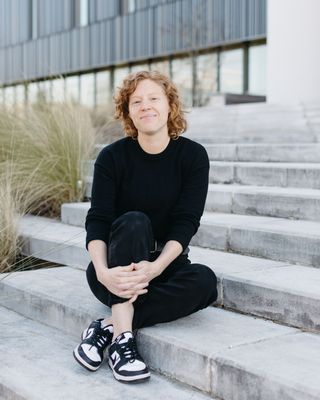
I am a board certified psychiatrist practicing in Chapel Hill, NC. I attended medical school at the University of Louisville and completed a psychiatry residency at The University of North Carolina- Chapel Hill. I offer psychotherapy and medication services to patients in a confidential and supportive environment. I believe mental health care can greatly improve quality of life, making us more self aware, compassionate, at ease, and fulfilled. My focus is psychodynamic therapy which focuses on going beneath the surface so that deeper insights emerge and lasting change can begin to be made.
I am a board certified psychiatrist practicing in Chapel Hill, NC. I attended medical school at the University of Louisville and completed a psychiatry residency at The University of North Carolina- Chapel Hill. I offer psychotherapy and medication services to patients in a confidential and supportive environment. I believe mental health care can greatly improve quality of life, making us more self aware, compassionate, at ease, and fulfilled. My focus is psychodynamic therapy which focuses on going beneath the surface so that deeper insights emerge and lasting change can begin to be made.
See more therapy options for Chapel Hill


Nearby Searches for Chapel Hill
- Apex
- Burlington
- Carrboro
- Cary
- Durham
- Hillsborough
- Holly Springs
- Mebane
- Morrisville
- Pittsboro
- Raleigh
- Research Triangle
How does your Psychiatrist compare?
Number of Psychiatrists in Chapel Hill, NC
90+
Average cost per session
$200
Psychiatrists in Chapel Hill, NC who prioritize treating:
| 97% | Anxiety |
| 91% | Depression |
| 83% | ADHD |
| 77% | Medication Management |
| 74% | Bipolar Disorder |
| 72% | Trauma and PTSD |
| 71% | Obsessive-Compulsive (OCD) |
Average years in practice
13 Years
Top 3 insurances accepted
| 93% | Aetna |
| 88% | BlueCross and BlueShield |
| 80% | Cigna and Evernorth |
How Psychiatrists in Chapel Hill, NC see their clients
| 61% | In Person and Online | |
| 39% | Online Only |
Gender breakdown
| 75% | Female | |
| 25% | Male |
FAQs - About Psychiatrists and Psychiatric Nurses
How can I find a psychiatrist in Chapel Hill?
The Psychology Today Directory enables users to search specifically for psychiatrists by selecting the provider type from the drop-down menu, and filtering results by city, zip code, or the psychiatrist's name. The search results feature detailed profiles that outline each professional's treatment approach, areas of expertise, credentials, fees, payment options, and accepted insurance. Results include both psychiatrists (MDs) and psychiatric mental health nurse practitioners (PMHNPs), who hold advanced practice nursing degrees. Users can refine their search for a specific type of psychiatric provider using the "Provider Type" filter.
What is the difference between a psychiatrist and a psychologist?
Psychiatrists are medical specialists dedicated to understanding, diagnosing, and treating brain disorders and mental health conditions. As physicians, they are trained to identify the often subtle biological factors underlying mental disorders and to monitor how mental health treatments may impact other physical conditions, such as heart disease. Psychiatrists are licensed to prescribe medication and typically conduct shorter sessions that focus on medication management rather than intensive psychotherapy.
In contrast, psychologists are particularly attuned to the impact of early experiences on development, behavior, emotions, and cognitive processes. They often take a holistic approach to assessing and treating clients, considering aspects of personality and social functioning. Although psychologists cannot prescribe medication, they are frequently skilled in administering psychological tests—such as IQ tests, personality assessments, and behavioral evaluations—to assess an individual's functioning. Psychologists often engage in longer, more psychotherapy-focused sessions compared to psychiatrists.
In contrast, psychologists are particularly attuned to the impact of early experiences on development, behavior, emotions, and cognitive processes. They often take a holistic approach to assessing and treating clients, considering aspects of personality and social functioning. Although psychologists cannot prescribe medication, they are frequently skilled in administering psychological tests—such as IQ tests, personality assessments, and behavioral evaluations—to assess an individual's functioning. Psychologists often engage in longer, more psychotherapy-focused sessions compared to psychiatrists.
What is a psychiatric nurse practitioner and what is the difference with a psychiatrist?
A psychiatric mental health nurse practitioner (PMHNP), also known as a mental health nurse practitioner or psychiatric nurse practitioner, is an advanced practice registered nurse (APRN) who has completed advanced training in psychiatric care, earning at least a master’s degree in psychiatric nursing. To become Board-Certified (PMHNP-BC), psychiatric nurse practitioners must also pass a national exam that tests their clinical psychiatric knowledge.
Like psychiatrists, PMHNPs are trained to assess, diagnose, and treat mental health conditions. However, PMHNPs and psychiatrists differ in their training experience. While PMHNPs can complete their credentialing requirements (full bachelor's and master's degree training) in as few as 6 years, psychiatrists often spend upwards of 12 years to complete their bachelor's, medical doctorate degree, and residency training requirements. Because of training differences, some states require PMHNPs to be supervised by or enter into a collaborative agreement with a physician in order to prescribe medication.
When deciding to work with a psychiatrist or PMHNP, clients should consider factors such therapeutic fit, cost, and availability. Psychiatrists may have more substantial training in treating more severe psychiatric conditions, as well as in providing more specialized treatment services, such as child psychiatry. However, psychiatrists may be inaccessible to some clients, as their cost and availability may be prohibitive. It can often be easier for clients to find a PMHNP with openings for new clients when compared to psychiatrists, and PMHNPs may also offer lower cost treatment options for clients looking to minimize out-of-pocket costs.
Can a psychiatrist or a PMHNP prescribe medication?
The Psychology Today directory features two primary types of psychiatric professionals: psychiatrists and psychiatric mental health nurse practitioners (PMHNPs). Both are generally authorized to prescribe psychiatric medications. In 28 states, PMHNPs have full practice authority, allowing them to provide the complete spectrum of psychiatric care, including independent medication prescribing and management. In other states, however, PMHNPs are required to work under the supervision or in collaboration with a physician to prescribe medication. Both psychiatrists and PMHNPs may also offer additional services, such as psychotherapy, counseling, and care coordination, for clients seeking psychiatric care.
Do psychiatrists or PMHNPs offer therapy?
Both psychiatrists and psychiatric mental health nurse practitioners (PMHNPs) are generally trained in a number of treatment modalities, including traditional psychotherapy, cognitive behavioral therapy (CBT), dialectical behavioral therapy (DBT), pharmacotherapy, and, occasionally, various somatic therapies. Typically, psychiatrists and PMHNPs make a diagnosis and determine a course of treatment based on chemical or biological factors, using lab tests, brain scans and physical and psychological evaluations.
While psychotherapy may be used in the first session to aid in diagnosis, it is not typically utilized in subsequent visits. In fact, after the introductory session, most psychiatry sessions may only be 15-20 minutes in length and are largely focused on medication management; this is frequently the case for both psychiatrists and PMHNPs. However, medication providers who do not offer psychotherapy usually work collaboratively with psychologists and other mental health clinicians who do offer these services, and they can refer clients seeking more traditional psychotherapy services to their care.
While psychotherapy may be used in the first session to aid in diagnosis, it is not typically utilized in subsequent visits. In fact, after the introductory session, most psychiatry sessions may only be 15-20 minutes in length and are largely focused on medication management; this is frequently the case for both psychiatrists and PMHNPs. However, medication providers who do not offer psychotherapy usually work collaboratively with psychologists and other mental health clinicians who do offer these services, and they can refer clients seeking more traditional psychotherapy services to their care.
How do I know if I need a psychiatrist, a PMHNP, or a therapist?
It is not always easy to know which type of mental health practitioner to choose. Many people are unaware of the root of their mental or behavioral problem and may be unaware of the differences in support provided by various mental health professionals. One way many people learn which type of care is best for them is by seeing their primary care provider (PCP) first. Depending on the nature and severity of the symptoms, the PCP may review their medical history and provide guidance or a referral to the appropriate type of provider.
A referral to a psychiatrist or PMHNP is most often made when a client is in need of psychiatric medication management or assessment. These professionals are specifically trained to prescribe psychiatric medications, when necessary, for a client; however, they generally do not provide supportive psychotherapy on an ongoing basis. A therapist or psychologist, in contrast, can provide supportive psychotherapy but is unable to prescribe medications. Because of their unique roles, some clients see both a medication prescriber (either a psychiatrist or PMHNP) and a therapist at the same time to address their psychiatric concerns holistically. Many psychiatrists and psychologists are very open to referring clients to other professionals if unable to meet the client's needs or if they think the client could use additional support from a different type of professional.
A referral to a psychiatrist or PMHNP is most often made when a client is in need of psychiatric medication management or assessment. These professionals are specifically trained to prescribe psychiatric medications, when necessary, for a client; however, they generally do not provide supportive psychotherapy on an ongoing basis. A therapist or psychologist, in contrast, can provide supportive psychotherapy but is unable to prescribe medications. Because of their unique roles, some clients see both a medication prescriber (either a psychiatrist or PMHNP) and a therapist at the same time to address their psychiatric concerns holistically. Many psychiatrists and psychologists are very open to referring clients to other professionals if unable to meet the client's needs or if they think the client could use additional support from a different type of professional.
Do I need a referral to see a psychiatrist or a PMHNP?
A referral to a psychiatrist or psychiatric mental health nurse practitioner (PMHNP) is often not required. However, consulting your primary care physician (PCP) first can be beneficial and may streamline the process of getting the care you need. Your PCP can help determine whether psychiatric care is necessary or if another type of mental health support might be more appropriate. Additionally, some insurance plans require a PCP referral to cover part or all of the costs associated with seeing a specialist. Obtaining a referral can also expedite the appointment process, particularly in areas with provider shortages or for clients seeking specialists in fields like child psychiatry.
Is everyone in the Psychology Today Therapy Directory a licensed professional?
Yes, all professionals listed in the Psychology Today Therapy Directory are licensed to provide mental health services in the state(s) where they practice. The directory includes a variety of providers such as psychiatrists, psychiatric mental health nurse practitioners (PMHNPs), physician assistants, psychologists, social workers, and counselors. Each provider must hold a valid license issued by their state regulatory body to be listed. In addition, Psychology Today offers a verification process for certain providers, signified by a 'Verified' symbol next to their profile. This badge indicates that the provider’s primary credential or license has been independently verified by Psychology Today.