Support Groups in Slinger, WI
Motherhood can be both deeply rewarding and unexpectedly challenging. This supportive group provides a welcoming space for new mothers to connect with others who understand the transition, share experiences, and feel less alone. We’ll talk about the emotional challenges of new motherhood, relationships, identity changes, stress, self-care, and the pressures that often come with caring for a new baby. You don’t have to navigate this season alone—come as you are and find support, understanding, and connection with other moms.

Motherhood can be both deeply rewarding and unexpectedly challenging. This supportive group provides a welcoming space for new mothers to connect with others who understand the transition, share experiences, and feel less alone. We’ll talk about the emotional challenges of new motherhood, relationships, identity changes, stress, self-care, and the pressures that often come with caring for a new baby. You don’t have to navigate this season alone—come as you are and find support, understanding, and connection with other moms.
Held in the Waiting is a therapy group for women navigating the often overwhelming emotional journey of infertility. When it feels like everyone around you is moving forward while you’re stuck waiting, hoping, grieving, and trying to hold it all together, you don’t have to face it alone. This group offers a compassionate, judgment-free space to connect with women who truly understand. We’ll explore the grief, anxiety, uncertainty, relationship challenges, and emotional exhaustion that can come with infertility, while developing healthy ways to cope, find support, and care for yourself along the way.
Held in the Waiting is a therapy group for women navigating the often overwhelming emotional journey of infertility. When it feels like everyone around you is moving forward while you’re stuck waiting, hoping, grieving, and trying to hold it all together, you don’t have to face it alone. This group offers a compassionate, judgment-free space to connect with women who truly understand. We’ll explore the grief, anxiety, uncertainty, relationship challenges, and emotional exhaustion that can come with infertility, while developing healthy ways to cope, find support, and care for yourself along the way.
More Groups Nearby
Strength isn’t always silence. In this online group, men get to explore ways to be resilient in the face of trauma. If you're a man who has experienced trauma, or a great deal of adversity, let's brainstorm and find ways to process & cope with your trauma. This online group is led by Ryan Bufton, APSW with Greater Heights Counseling.

Strength isn’t always silence. In this online group, men get to explore ways to be resilient in the face of trauma. If you're a man who has experienced trauma, or a great deal of adversity, let's brainstorm and find ways to process & cope with your trauma. This online group is led by Ryan Bufton, APSW with Greater Heights Counseling.
This group is intended for clinicians who hope to deepen their clinical practice, increase their effectiveness and build self knowledge through work with similarity minded clinicians and thoughtful facilitation. Together, we will create space not just to explore the work that challenges us but also become more attune to our own internal processes around clinical content. We will mindfully attend to ourselves as individuals in order to become better therapists and counselors.

This group is intended for clinicians who hope to deepen their clinical practice, increase their effectiveness and build self knowledge through work with similarity minded clinicians and thoughtful facilitation. Together, we will create space not just to explore the work that challenges us but also become more attune to our own internal processes around clinical content. We will mindfully attend to ourselves as individuals in order to become better therapists and counselors.
Are stress and anxiety interfering with your daily life? Join us for a four-week workshop designed exclusively for women seeking practical tools to reduce stress, manage anxiety and restore balance. Through guided discussions, psychoeducation, mindfulness practices, and proven techniques rooted in cognitive behavioral therapy and acceptance commitment therapy, these classes will empower you to build resilience and prioritize self-care. Some topics covered: mind-body connection, sleep, boundaries, relationships, mindfulness, self-care planning, and self-compassion. This group is a safe space to connect with others, gain confidence, and develop tools to feel calmer and manage intense emotions.
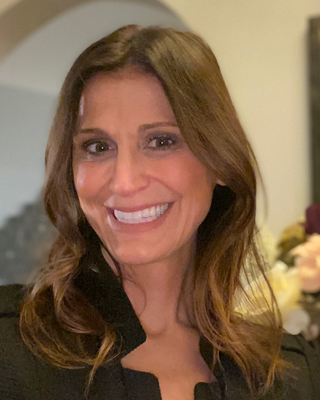
Are stress and anxiety interfering with your daily life? Join us for a four-week workshop designed exclusively for women seeking practical tools to reduce stress, manage anxiety and restore balance. Through guided discussions, psychoeducation, mindfulness practices, and proven techniques rooted in cognitive behavioral therapy and acceptance commitment therapy, these classes will empower you to build resilience and prioritize self-care. Some topics covered: mind-body connection, sleep, boundaries, relationships, mindfulness, self-care planning, and self-compassion. This group is a safe space to connect with others, gain confidence, and develop tools to feel calmer and manage intense emotions.
The group is designed for individuals seeking to establish and/or maintain total sobriety. Relapses are treated with patience and openness in an effort to allow for an individual's growth and to strengthen their recovery. The group is open to all individuals regardless of substance of choice. In group, individuals will engage in group discussion about issues related to addiction as well as sharing their own unique experiences directly and indirectly related to addiction. Group members will receive feedback, support and psychoeducation with an emphasis on relapse prevention and maintenance strategies as well as coping skills and self-soothing.

The group is designed for individuals seeking to establish and/or maintain total sobriety. Relapses are treated with patience and openness in an effort to allow for an individual's growth and to strengthen their recovery. The group is open to all individuals regardless of substance of choice. In group, individuals will engage in group discussion about issues related to addiction as well as sharing their own unique experiences directly and indirectly related to addiction. Group members will receive feedback, support and psychoeducation with an emphasis on relapse prevention and maintenance strategies as well as coping skills and self-soothing.
These fun, interactive groups are for children ages 5 to 18 with challenges that affect their interpersonal relationships and abilities to read social cues. Generally grouped by age or "best fit", participants meet weekly in small group settings with individualized experiential activities designed to increase their proficiency and comfort with appropriate social skills. Groups provide additional opportunities to learn and practice nonverbal and social interaction. Goals include: Increasing social awareness Building and maintaining friendships Understanding the social mechanics of communication

These fun, interactive groups are for children ages 5 to 18 with challenges that affect their interpersonal relationships and abilities to read social cues. Generally grouped by age or "best fit", participants meet weekly in small group settings with individualized experiential activities designed to increase their proficiency and comfort with appropriate social skills. Groups provide additional opportunities to learn and practice nonverbal and social interaction. Goals include: Increasing social awareness Building and maintaining friendships Understanding the social mechanics of communication
New Thresholds—For male perpetrators of Domestic Violence New Thresholds is a 20-week educational treatment program for men who have been abusive in their relationships. The following topics are addressed in the New Thresholds: the dynamics of violence, power and control issues, anger management, communication skills, nurturing parent/child interactions, assertiveness training, self-esteem, and developing healthy relationships. The New Thresholds program complies with the Male Batterers Treatment Standards as set forth by the Governor’s Council on Domestic Violence. Program is Self-Pay or client may qualify for DOC contracted group if referred by a Probation Agent.
New Thresholds—For male perpetrators of Domestic Violence New Thresholds is a 20-week educational treatment program for men who have been abusive in their relationships. The following topics are addressed in the New Thresholds: the dynamics of violence, power and control issues, anger management, communication skills, nurturing parent/child interactions, assertiveness training, self-esteem, and developing healthy relationships. The New Thresholds program complies with the Male Batterers Treatment Standards as set forth by the Governor’s Council on Domestic Violence. Program is Self-Pay or client may qualify for DOC contracted group if referred by a Probation Agent.
The groups goal is to help individuals work through pain inflicted by sexual addictions towards the ultimate goal of individual and relational healing. Groups are planned for nine consecutive weeks with the men working through a book/workbook allowing opportunity for open discussion, and vulnerability/accountability to be built among group members. Once group starts, that particular group process is closed in order to minimize any interruptions in the process from members joining part way through.

Hosted by Camron Hinckle
Licensed Professional Counselor, MS, LPC
Group meets in Brookfield, WI 53005
The groups goal is to help individuals work through pain inflicted by sexual addictions towards the ultimate goal of individual and relational healing. Groups are planned for nine consecutive weeks with the men working through a book/workbook allowing opportunity for open discussion, and vulnerability/accountability to be built among group members. Once group starts, that particular group process is closed in order to minimize any interruptions in the process from members joining part way through.
Tabletop roleplaying games help people practice therapeutic skills in a way that feels fun and natural. Designed for making social connections. You’ll be part of a story, working with others to solve problems, face challenges, and build confidence along. Each game is guided by a Therapeutic Dungeon Master who keeps things moving, offers feedback, and helps connect events to real?life skills. Social anxiety, ADHD, mild autism spectrum disorder, or depression often find it especially helpful. You don’t need a specific diagnosis, if you struggle with relationships or communication, you’re welcome at our table.

Tabletop roleplaying games help people practice therapeutic skills in a way that feels fun and natural. Designed for making social connections. You’ll be part of a story, working with others to solve problems, face challenges, and build confidence along. Each game is guided by a Therapeutic Dungeon Master who keeps things moving, offers feedback, and helps connect events to real?life skills. Social anxiety, ADHD, mild autism spectrum disorder, or depression often find it especially helpful. You don’t need a specific diagnosis, if you struggle with relationships or communication, you’re welcome at our table.
Do Sundays make you feel anxious about the week ahead? Find support, plan, and problem solve with us! Neurodivergent friendly!

Hosted by Anya Surnitsky
Clinical Social Work/Therapist, LCSW, CCTP II, CDWF
Group meets in Milwaukee, WI 53202
Do Sundays make you feel anxious about the week ahead? Find support, plan, and problem solve with us! Neurodivergent friendly!
New group starting Sept 2026. Currently accepting new members. A weekly, ongoing all gender interpersonal process group that facilitates authentic connection and encourages clients to show up as their full selves (aka: be able express and explore all thoughts and feelings, not just those that are societally accepted). This process group offers both a supportive and challenging environment for members to better understand their relationship & communication patterns. Great for folks well versed in individual therapy that are looking for deeper work. Open to all genders.

Hosted by Jami DeVolder
Licensed Clinical Professional Counselor, LCPC, CGP, RYT
Group meets in Milwaukee, WI 53202
New group starting Sept 2026. Currently accepting new members. A weekly, ongoing all gender interpersonal process group that facilitates authentic connection and encourages clients to show up as their full selves (aka: be able express and explore all thoughts and feelings, not just those that are societally accepted). This process group offers both a supportive and challenging environment for members to better understand their relationship & communication patterns. Great for folks well versed in individual therapy that are looking for deeper work. Open to all genders.
Together, we’ll explore the ways ADHD can shape emotions, relationships, work and school, identity, self-esteem, and everyday life. Groups provide opportunities to learn about ADHD, recognize your unique strengths and challenges, develop greater self-awareness, and replace shame and self-criticism with compassion and acceptance. Most importantly, it is about connection. Connecting with yourself, connecting with others who truly understand, and finding a more compassionate way forward. A formal diagnosis is not required to attend our groups.

Together, we’ll explore the ways ADHD can shape emotions, relationships, work and school, identity, self-esteem, and everyday life. Groups provide opportunities to learn about ADHD, recognize your unique strengths and challenges, develop greater self-awareness, and replace shame and self-criticism with compassion and acceptance. Most importantly, it is about connection. Connecting with yourself, connecting with others who truly understand, and finding a more compassionate way forward. A formal diagnosis is not required to attend our groups.
Looking for a way to get your teen off screens? Consider our Thursday night art party! A weekly group from 4:30-6pm on Thursdays. Adults and teens are welcome to attend. Each week you will learn new art skills, practice with new art materials and enjoy the comradery of like-minded individuals. All supplies provided. Call 262-361-4275 to RSVP.
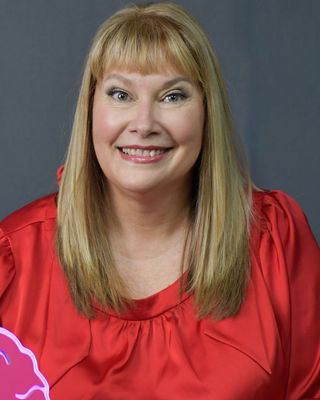
Hosted by Lifespan Psychotherapy
Drug & Alcohol Counselor, MA, ATR-BC, LPC, CSAC, ICS
Group meets in Hartland, WI 53029
Looking for a way to get your teen off screens? Consider our Thursday night art party! A weekly group from 4:30-6pm on Thursdays. Adults and teens are welcome to attend. Each week you will learn new art skills, practice with new art materials and enjoy the comradery of like-minded individuals. All supplies provided. Call 262-361-4275 to RSVP.
Ages 14 - 17: Start and maintain conversations. Make and keep friends. Read and understand social cues. Manage anxiety in social situations. Build self-esteem and confidence. 6-week closed group. Begins Tuesday, Aug. 10 from 5:30 - 6:30 PM. Email administrativestaff@dmts8.com to register. Private pay only. Insurance is not accepted for this group. $70 per session..

Hosted by Darcy Mason
Licensed Professional Counselor, LPC, CH, RMT, RScP
Group meets in Milwaukee, WI 53202
Ages 14 - 17: Start and maintain conversations. Make and keep friends. Read and understand social cues. Manage anxiety in social situations. Build self-esteem and confidence. 6-week closed group. Begins Tuesday, Aug. 10 from 5:30 - 6:30 PM. Email administrativestaff@dmts8.com to register. Private pay only. Insurance is not accepted for this group. $70 per session..
Groups are currently closed

Hosted by Dr. John Ernst
Licensed Professional Counselor, PhD, LPC
Group meets in West Allis, WI 53227
Groups are currently closed
Little Worriers is a small therapy group for children entering second or third grade who experience anxiety, worries, or big emotions. Throughout the group, we use all sorts of activities, skills practice, crafts, and group conversations to help kids better understand their feelings, notice how anxiety shows up in their bodies, practice coping strategies, and feel less alone in their worries. The group is run by one of our psychologists, Dr. Hayley Crain, and one of our therapists, Jordan Easterlin.

Little Worriers is a small therapy group for children entering second or third grade who experience anxiety, worries, or big emotions. Throughout the group, we use all sorts of activities, skills practice, crafts, and group conversations to help kids better understand their feelings, notice how anxiety shows up in their bodies, practice coping strategies, and feel less alone in their worries. The group is run by one of our psychologists, Dr. Hayley Crain, and one of our therapists, Jordan Easterlin.
This group will be starting 10/16/2026 and ending 12/11/2026. Whether you are newly exploring an ADHD identity, have lived with ADHD for years, or are supporting a neurodivergent loved one, this group will offer a space to feel seen, understood, and less alone. Together, we’ll explore the ways ADHD can shape emotions, relationships, work and school, identity, self-esteem, parenting, and everyday life. This group will provide opportunities to learn about ADHD, recognize your unique strengths and challenges, develop greater self-awareness, and replace shame and self-criticism with compassion and acceptance. *A formal diagnosis is not required to attend.

This group will be starting 10/16/2026 and ending 12/11/2026. Whether you are newly exploring an ADHD identity, have lived with ADHD for years, or are supporting a neurodivergent loved one, this group will offer a space to feel seen, understood, and less alone. Together, we’ll explore the ways ADHD can shape emotions, relationships, work and school, identity, self-esteem, parenting, and everyday life. This group will provide opportunities to learn about ADHD, recognize your unique strengths and challenges, develop greater self-awareness, and replace shame and self-criticism with compassion and acceptance. *A formal diagnosis is not required to attend.
Please contact Dianne for further information. These are closed groups, limited to 8 participants, meeting on six Saturday afternoons over a three-month period. Commitment to confidentiality of group members expected. (Times may be altered depending upon the needs of group participants.) NOTE: Due to the limitations of video conferencing, groups are currently on hold.

Hosted by Dianne Frances
Licensed Professional Counselor, MFA, MS, LPC, NCC
Group meets in Delafield, WI 53018
Please contact Dianne for further information. These are closed groups, limited to 8 participants, meeting on six Saturday afternoons over a three-month period. Commitment to confidentiality of group members expected. (Times may be altered depending upon the needs of group participants.) NOTE: Due to the limitations of video conferencing, groups are currently on hold.
Lifestyle Change Circle is a supportive group for adults looking to improve their physical and mental well-being through sustainable lifestyle changes. Grounded in evidence-based Lifestyle Medicine, sessions focus on nutrition, movement, sleep, stress management, emotional wellness, and healthy habit formation. Participants receive practical education, guided discussions, accountability, and peer support in a welcoming, nonjudgmental environment. Whether you're managing stress, burnout, chronic health concerns, or simply seeking healthier routines, this group provides tools to create lasting change. Together, we'll focus on realistic, meaningful steps that promote resilience, improve overall health, and support long-term wellness.
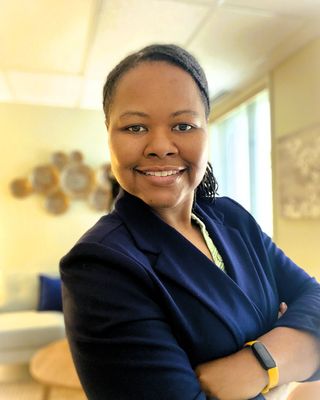
Hosted by Dr. Mary Muhammad
Licensed Professional Counselor, PhD, LPC, CSAC
Group meets in Whitefish Bay, WI 53217
Lifestyle Change Circle is a supportive group for adults looking to improve their physical and mental well-being through sustainable lifestyle changes. Grounded in evidence-based Lifestyle Medicine, sessions focus on nutrition, movement, sleep, stress management, emotional wellness, and healthy habit formation. Participants receive practical education, guided discussions, accountability, and peer support in a welcoming, nonjudgmental environment. Whether you're managing stress, burnout, chronic health concerns, or simply seeking healthier routines, this group provides tools to create lasting change. Together, we'll focus on realistic, meaningful steps that promote resilience, improve overall health, and support long-term wellness.
See more therapy options for Slinger


Nearby Searches for Slinger
See More Support Groups FAQs - About Group Therapy and Support Groups
How can I find a support group in Slinger?
To find a support group in your area, start by entering your city, zip code, or the name of the group into the search bar at the top of the page. When searching, consider whether you prefer an in-person or virtual group. This can help you decide how broad your geographic search should be. If you are open to virtual groups, you might want to search by state instead of just your city, especially if there are limited options nearby.
Once you complete your search, you can use the filters to narrow the results by selecting specialties (such as grief, trauma, or eating disorders), therapeutic approaches, age groups, and other criteria to find a group that best fits your needs.
How does group therapy work?
Group therapy is led by one or more trained therapists and provides a space where participants can process their experiences and learn from others facing similar challenges. Groups may focus on a specific issue—such as addiction, grief, physical illnesses, parenting, or caregiving—or they may center around a particular therapeutic approach, such as Cognitive Behavioral Therapy (CBT), social skill development, or Exposure Therapy. Some groups are also designed for specific populations, such as teens, veterans, or LGBTQ+ individuals.
It’s also important to distinguish group therapy from peer-led support groups, like Alcoholics Anonymous. While both can offer valuable support, therapy groups are typically led by licensed professionals and follow a more structured format. Therapy groups often meet for a fixed length of time with a consistent group of members, while many peer support groups meet for an indefinite period of time with members coming and going.
What are the benefits of group therapy?
Group therapy offers several important benefits. It brings together people facing similar challenges—whether related to mental health, physical health, or life transitions—and creates a supportive environment where participants can exchange feedback, share experiences, and learn from one another. Hearing different perspectives can help individuals discover new coping strategies and practical tools they may not have encountered on their own. Sharing personal experiences, such as coping with a serious illness or navigating family struggles, can also reduce feelings of isolation and foster a sense of connection and understanding. In addition to emotional support, group members often gain useful, real-world advice from peers who have faced similar situations.
Group therapy is typically more affordable than individual therapy and, for certain conditions, can be equally effective. Many groups also include structured activities—such as guided journaling, cognitive-behavioral exercises, or role-playing—to help participants develop concrete skills they can apply in daily life.
Is group therapy as effective as individual therapy?
It is difficult to make a blanket statement about the effectiveness of support groups, as they vary widely in focus and the conditions they address. However, support groups can be highly valuable in helping individuals gain emotional support and achieve meaningful treatment outcomes. For certain conditions, such as substance use, research has shown that group therapy can be particularly effective—sometimes just as effective as individual therapy—in supporting long-term recovery.
Many professionals attribute the effectiveness of group therapy to the unique benefits of the group setting, which fosters peer-to-peer learning and a sense of connection through shared experiences. Group settings also offer accountability and encouragement from both facilitators and fellow participants, which helps sustain motivation and supports continued progress. These factors together play a key role in promoting the overall effectiveness of group therapy.
How much does group therapy cost?
Group therapy is typically less expensive than individual therapy, with sessions typically costing between $50 and $75 each. In comparison, individual therapy can cost anywhere from $100 to $200 or more per session, even with insurance. Some therapists or organizations offer low-cost or free group therapy options, particularly through community centers or nonprofit organizations. In some cases, groups may require payment upfront for a set number of sessions, such as paying for six weekly sessions at the first meeting. However, many providers offer payment plans to help make participation more accessible if this upfront payment is required.
Does insurance cover group therapy?
As with individual therapy, insurance coverage for group therapy varies based on factors such as your specific insurance plan, the purpose of the group, your diagnosis, and whether the group provider is in-network. Many insurance plans cover group therapy sessions that address diagnosable mental health conditions, such as substance use disorders, anxiety, or depression.
However, groups that focus on topics not directly tied to a mental health diagnosis—such as parenting support or divorce recovery—are less likely to be covered. Because coverage can vary widely, it’s important to check with your insurance provider before joining a group to confirm whether the sessions will be covered and what out-of-pocket costs you may be responsible for.
How long does group therapy last?
The length of each group therapy session typically ranges from 45 minutes to two hours, depending on the therapy approach, the group’s goals, and how often the group meets. In some cases, group therapy is part of a larger treatment program, such as an Intensive Outpatient Program (IOP), where group sessions complement individual therapy and are scheduled as part of the program’s overall structure.
The duration of participation in a group also varies. Some groups are designed to be short-term, lasting anywhere from 6 to 24 weeks—for example, bereavement groups or skills-based groups like those using Dialectical Behavioral Therapy (DBT). Other groups may be longer-term, lasting a year or more, and some ongoing support groups meet indefinitely, allowing participants to stay as long as they find the group helpful.
What are the limitations of support groups?
Support groups offer many benefits, but they also have certain limitations. Unlike therapy groups, many support groups do not provide formal therapeutic treatment and are not led by licensed mental health professionals. For individuals seeking clinical treatment for specific mental health diagnoses—such as depression, eating disorders, or substance use—individual therapy or group therapy led by a licensed professional may offer more personalized and specialized care.
The effectiveness of a support group also depends heavily on the group’s participants and the overall group dynamic. When members engage respectfully and offer constructive support, the group can foster valuable peer-to-peer learning. However, if certain participants dominate discussions, provide inaccurate advice, or create conflict, it can disrupt the group’s sense of safety and reduce its effectiveness. Confidentiality can also be harder to maintain in support groups, particularly in open groups where participants can join or leave at any time. With new members regularly entering the group, it can be more difficult to build and sustain a consistent sense of trust and privacy.