Support Groups in Hartford, WI
Teen Anxiety / Self-Confidence Group, ages 14-17 1/2 years of age; was to begin in May 2020, pending COVID-19 pandemic ceasing; looking for minimum of 4-6 members to formulate group

Teen Anxiety / Self-Confidence Group, ages 14-17 1/2 years of age; was to begin in May 2020, pending COVID-19 pandemic ceasing; looking for minimum of 4-6 members to formulate group
More Groups Nearby
This group offers a supportive space for late-diagnosed neurodivergent women to better understand themselves, navigate relationships, and cultivate self-compassion over shame. Together, we’ll explore identity, unmasking, boundary-setting, skills, and the unique strengths of neurodivergent minds. The group aims to empower members to reclaim their narratives and build more authentic, connected lives. The group will be virtual. Group start date: October 14th, 2026

This group offers a supportive space for late-diagnosed neurodivergent women to better understand themselves, navigate relationships, and cultivate self-compassion over shame. Together, we’ll explore identity, unmasking, boundary-setting, skills, and the unique strengths of neurodivergent minds. The group aims to empower members to reclaim their narratives and build more authentic, connected lives. The group will be virtual. Group start date: October 14th, 2026
On Purpose Balance and Moms Mental Health Initiative have come together to offer a group to help support moms who are experiencing unwanted scary thoughts about harm coming to their child. This group offers a judgement free space for moms to talk freely about their scary thoughts and learn ways to battle back against them. No formal diagnosis is required to join the group. The $250 cost for joining the group will be covered by Moms Mental Health Initiative making it FREE for the group participants. This group starts in January 2023.
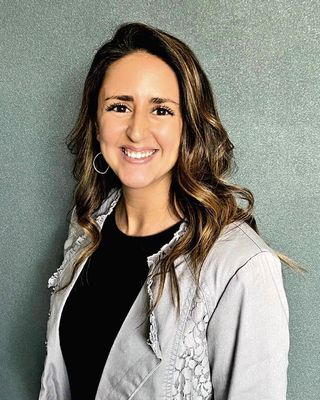
Hosted by Brittany Morrissey
Licensed Professional Counselor, MS, LPC, NCC
Group meets in Oconomowoc, WI 53066
On Purpose Balance and Moms Mental Health Initiative have come together to offer a group to help support moms who are experiencing unwanted scary thoughts about harm coming to their child. This group offers a judgement free space for moms to talk freely about their scary thoughts and learn ways to battle back against them. No formal diagnosis is required to join the group. The $250 cost for joining the group will be covered by Moms Mental Health Initiative making it FREE for the group participants. This group starts in January 2023.
These fun and interactive groups are designed for children ages 5-10 with challenges in the areas of social-communication, shyness and peer-relations that affect the quality of their interpersonal relationships and abilities to read social cues. Group goals include increasing social awareness, understanding other peoples' perspectives, and understanding the impact of their own behavior on the impressions that other people form of them. It is a fun class for kids to learn the skills they need in building positive social connections.

Hosted by Veronica Sosa
Licensed Professional Counselor, MS, PPS, LPC
Group meets in Waukesha, WI 53188
These fun and interactive groups are designed for children ages 5-10 with challenges in the areas of social-communication, shyness and peer-relations that affect the quality of their interpersonal relationships and abilities to read social cues. Group goals include increasing social awareness, understanding other peoples' perspectives, and understanding the impact of their own behavior on the impressions that other people form of them. It is a fun class for kids to learn the skills they need in building positive social connections.
Lifestyle Change Circle is a supportive group for adults looking to improve their physical and mental well-being through sustainable lifestyle changes. Grounded in evidence-based Lifestyle Medicine, sessions focus on nutrition, movement, sleep, stress management, emotional wellness, and healthy habit formation. Participants receive practical education, guided discussions, accountability, and peer support in a welcoming, nonjudgmental environment. Whether you're managing stress, burnout, chronic health concerns, or simply seeking healthier routines, this group provides tools to create lasting change. Together, we'll focus on realistic, meaningful steps that promote resilience, improve overall health, and support long-term wellness.

Hosted by Dr. Mary Muhammad
Licensed Professional Counselor, PhD, LPC, CSAC
Group meets in Whitefish Bay, WI 53217
Lifestyle Change Circle is a supportive group for adults looking to improve their physical and mental well-being through sustainable lifestyle changes. Grounded in evidence-based Lifestyle Medicine, sessions focus on nutrition, movement, sleep, stress management, emotional wellness, and healthy habit formation. Participants receive practical education, guided discussions, accountability, and peer support in a welcoming, nonjudgmental environment. Whether you're managing stress, burnout, chronic health concerns, or simply seeking healthier routines, this group provides tools to create lasting change. Together, we'll focus on realistic, meaningful steps that promote resilience, improve overall health, and support long-term wellness.
New Thresholds—For male perpetrators of Domestic Violence New Thresholds is a 20-week educational treatment program for men who have been abusive in their relationships. The following topics are addressed in the New Thresholds: the dynamics of violence, power and control issues, anger management, communication skills, nurturing parent/child interactions, assertiveness training, self-esteem, and developing healthy relationships. The New Thresholds program complies with the Male Batterers Treatment Standards as set forth by the Governor’s Council on Domestic Violence. Program is Self-Pay or client may qualify for DOC contracted group if referred by a Probation Agent.

New Thresholds—For male perpetrators of Domestic Violence New Thresholds is a 20-week educational treatment program for men who have been abusive in their relationships. The following topics are addressed in the New Thresholds: the dynamics of violence, power and control issues, anger management, communication skills, nurturing parent/child interactions, assertiveness training, self-esteem, and developing healthy relationships. The New Thresholds program complies with the Male Batterers Treatment Standards as set forth by the Governor’s Council on Domestic Violence. Program is Self-Pay or client may qualify for DOC contracted group if referred by a Probation Agent.
Our experiences during birth impact us for the rest of our lives. This circle provides a compassionate and supportive space to process emotional challenges from a difficult birth experience. Katy Kujala-Korpela, a licensed professional counselor in-training (LPC-IT) facilitates discussions with a trauma-sensitive approach, encouraging healing through sharing stories, reflection and validation. As a monthly circle, you can attend as often as you find supportive. Children are welcome, with the understanding that processing traumatic births can be difficult with older children present. If accessible, please take this space for yourself. No one will be turned away. Minimum suggested contribution: $10-15.

Our experiences during birth impact us for the rest of our lives. This circle provides a compassionate and supportive space to process emotional challenges from a difficult birth experience. Katy Kujala-Korpela, a licensed professional counselor in-training (LPC-IT) facilitates discussions with a trauma-sensitive approach, encouraging healing through sharing stories, reflection and validation. As a monthly circle, you can attend as often as you find supportive. Children are welcome, with the understanding that processing traumatic births can be difficult with older children present. If accessible, please take this space for yourself. No one will be turned away. Minimum suggested contribution: $10-15.
Motherhood is beautiful, but also exhausting, overwhelming and often lonely. If you're a mom in the thick of it, juggling the emotional load, sleep deprivation, and the pressure to do it all, you're not alone. Join therapist Katie Llewellyn, LPC, for a therapy group designed to support moms navigating the real challenges of parenting. We'll talk about mom rage, reparenting, emotional regulation, partner dynamics, burnout, and more - all in a space that's honest, supportive, and even a little fun. Bi-Weekly sessions starting September 9th @ 3:30-4:45pm or September 11th @ 8:30-9:45am.

Hosted by Katie Llewellyn
Licensed Professional Counselor, MS, LPC
Group meets in Wauwatosa, WI 53222
Motherhood is beautiful, but also exhausting, overwhelming and often lonely. If you're a mom in the thick of it, juggling the emotional load, sleep deprivation, and the pressure to do it all, you're not alone. Join therapist Katie Llewellyn, LPC, for a therapy group designed to support moms navigating the real challenges of parenting. We'll talk about mom rage, reparenting, emotional regulation, partner dynamics, burnout, and more - all in a space that's honest, supportive, and even a little fun. Bi-Weekly sessions starting September 9th @ 3:30-4:45pm or September 11th @ 8:30-9:45am.
A therapy group for women who are beginning to recognize patterns of people-pleasing, over-functioning, fixing, perfectionism, or putting everyone else’s needs before their own. This group creates space to slow down, understand where these patterns come from, and explore what it means to show up differently without losing yourself in the process. Through guided discussion, reflection and tools, participants will work on self-awareness, self-advocacy, and making choices that are more aligned with their needs and values. The next group begins January 13, led by Michaela.

Hosted by Blue Willow Counseling and Consulting
Licensed Professional Counselor, MSE, LPC, NCC
Group meets in Milwaukee, WI 53224
A therapy group for women who are beginning to recognize patterns of people-pleasing, over-functioning, fixing, perfectionism, or putting everyone else’s needs before their own. This group creates space to slow down, understand where these patterns come from, and explore what it means to show up differently without losing yourself in the process. Through guided discussion, reflection and tools, participants will work on self-awareness, self-advocacy, and making choices that are more aligned with their needs and values. The next group begins January 13, led by Michaela.
Little Worriers is a small therapy group for children entering second or third grade who experience anxiety, worries, or big emotions. Throughout the group, we use all sorts of activities, skills practice, crafts, and group conversations to help kids better understand their feelings, notice how anxiety shows up in their bodies, practice coping strategies, and feel less alone in their worries. The group is run by one of our psychologists, Dr. Hayley Crain, and one of our therapists, Jordan Easterlin.

Little Worriers is a small therapy group for children entering second or third grade who experience anxiety, worries, or big emotions. Throughout the group, we use all sorts of activities, skills practice, crafts, and group conversations to help kids better understand their feelings, notice how anxiety shows up in their bodies, practice coping strategies, and feel less alone in their worries. The group is run by one of our psychologists, Dr. Hayley Crain, and one of our therapists, Jordan Easterlin.
Dialectical Behavior Therapy is a therapeutic approach teaching social-emotional and resilience skills. It is an evidence-based treatment with skills that focus on mindfulness, interpersonal effectiveness and communication, emotion regulation, and distress tolerance. Skill group involves teaching and helping youth practice skills to use in a variety of settings including at home with family and at school with peers/adults.

Hosted by Jessie Richardson
Licensed Professional Counselor, MS, LPC
Group meets in Wauwatosa, WI 53226
Dialectical Behavior Therapy is a therapeutic approach teaching social-emotional and resilience skills. It is an evidence-based treatment with skills that focus on mindfulness, interpersonal effectiveness and communication, emotion regulation, and distress tolerance. Skill group involves teaching and helping youth practice skills to use in a variety of settings including at home with family and at school with peers/adults.
For current groups, please visit our website!

For current groups, please visit our website!
Motherhood can be both deeply rewarding and unexpectedly challenging. This supportive group provides a welcoming space for new mothers to connect with others who understand the transition, share experiences, and feel less alone. We’ll talk about the emotional challenges of new motherhood, relationships, identity changes, stress, self-care, and the pressures that often come with caring for a new baby. You don’t have to navigate this season alone—come as you are and find support, understanding, and connection with other moms.

Motherhood can be both deeply rewarding and unexpectedly challenging. This supportive group provides a welcoming space for new mothers to connect with others who understand the transition, share experiences, and feel less alone. We’ll talk about the emotional challenges of new motherhood, relationships, identity changes, stress, self-care, and the pressures that often come with caring for a new baby. You don’t have to navigate this season alone—come as you are and find support, understanding, and connection with other moms.
The “Mistakes Are Magic” group, designed for kids ages 8-12, blends interactive activities, peer support, and evidence based tools to help children build confidence in themselves and resilience when things don’t go according to plan. The curriculum of the group is based on the book “The Mighty Fear of Making Mistakes” by Dr. Dawn Huebner. The group is 4 sessions long. Session dates: March 13 & 27, April 10 & 24, 2026. Reach out to sign up for the class.

Hosted by Lauri Budzynski
Licensed Professional Counselor, MA, LPC, NCC, ECMH-E®
Group meets in Whitefish Bay, WI 53211
The “Mistakes Are Magic” group, designed for kids ages 8-12, blends interactive activities, peer support, and evidence based tools to help children build confidence in themselves and resilience when things don’t go according to plan. The curriculum of the group is based on the book “The Mighty Fear of Making Mistakes” by Dr. Dawn Huebner. The group is 4 sessions long. Session dates: March 13 & 27, April 10 & 24, 2026. Reach out to sign up for the class.
Does your daughter love to create, but sometimes struggles to express her feelings? Is she navigating the ups and downs of friendships, self-esteem, or anxiety? Paint It Out: Art + Emotion for Girls is more than just an art class, it’s a safe, supportive space where girls can explore their emotions, build confidence, and connect with others through creativity. Led by a licensed therapist this group blends art-making with emotional wellness to help girls grow inside and out.

Hosted by Stacey Glasenapp
Licensed Professional Counselor, MS, LPC
Group meets in Whitefish Bay, WI 53211
Does your daughter love to create, but sometimes struggles to express her feelings? Is she navigating the ups and downs of friendships, self-esteem, or anxiety? Paint It Out: Art + Emotion for Girls is more than just an art class, it’s a safe, supportive space where girls can explore their emotions, build confidence, and connect with others through creativity. Led by a licensed therapist this group blends art-making with emotional wellness to help girls grow inside and out.
The Relationship Center of Milwaukee was founded so that couples could find experts help with their relationship needs to move forward, whether this involves healing old or new wounds, communicating better, addressing perpetual problems, or deepening the intimacy of their relationship. The creators of this Institute wanted to create and inspire a center that brings together the science of masterful relationship with the art of depth psychology and psychoanalysis. We feel passionate about this work and hope that we may be able to help you explore and develop a more transformational relationship that serves your own, and your partner's, individual growth.
The Relationship Center of Milwaukee was founded so that couples could find experts help with their relationship needs to move forward, whether this involves healing old or new wounds, communicating better, addressing perpetual problems, or deepening the intimacy of their relationship. The creators of this Institute wanted to create and inspire a center that brings together the science of masterful relationship with the art of depth psychology and psychoanalysis. We feel passionate about this work and hope that we may be able to help you explore and develop a more transformational relationship that serves your own, and your partner's, individual growth.
Feeling overwhelmed by emotions, stuck in unhealthy patterns, or struggling in relationships? Join our weekly vrtual DBT Skills Group starting this September. This supportive, educational group will teach practical tools to build emotional resilience, improve communication, and manage stress. Each week, we’ll focus on one of four core DBT skill areas: Mindfulness, Emotion Regulation, Interpersonal Effectiveness, and Distress Tolerance. Ideal for adults seeking structure and support, especially those already working with an individual therapist.
Feeling overwhelmed by emotions, stuck in unhealthy patterns, or struggling in relationships? Join our weekly vrtual DBT Skills Group starting this September. This supportive, educational group will teach practical tools to build emotional resilience, improve communication, and manage stress. Each week, we’ll focus on one of four core DBT skill areas: Mindfulness, Emotion Regulation, Interpersonal Effectiveness, and Distress Tolerance. Ideal for adults seeking structure and support, especially those already working with an individual therapist.
A 4-week group designed for children ages 8–12 who want to strengthen their ability to build and maintain healthy relationships, learn tools for emotional regulation, learn problem solving techniques, and real time connections
Hosted by Stacey Glasenapp
Licensed Professional Counselor, MS, LPC
Group meets in Whitefish Bay, WI 53211
A 4-week group designed for children ages 8–12 who want to strengthen their ability to build and maintain healthy relationships, learn tools for emotional regulation, learn problem solving techniques, and real time connections
This is a group established for those who are in or almost in the process of recovery. Recovery is a huge lifestyle change and day-to-day can be a struggle without support.

This is a group established for those who are in or almost in the process of recovery. Recovery is a huge lifestyle change and day-to-day can be a struggle without support.
Motherhood is hard, cancer with little ones is a bigger challenge. This group is for those navigating all these things and looking for other women who get it and can be each other's cheerleader. Group meets monthly. Email for more information

Motherhood is hard, cancer with little ones is a bigger challenge. This group is for those navigating all these things and looking for other women who get it and can be each other's cheerleader. Group meets monthly. Email for more information
See more therapy options for Hartford


Nearby Searches for Hartford
See More Support Groups FAQs - About Group Therapy and Support Groups
How can I find a support group in Hartford?
To find a support group in your area, start by entering your city, zip code, or the name of the group into the search bar at the top of the page. When searching, consider whether you prefer an in-person or virtual group. This can help you decide how broad your geographic search should be. If you are open to virtual groups, you might want to search by state instead of just your city, especially if there are limited options nearby.
Once you complete your search, you can use the filters to narrow the results by selecting specialties (such as grief, trauma, or eating disorders), therapeutic approaches, age groups, and other criteria to find a group that best fits your needs.
Once you complete your search, you can use the filters to narrow the results by selecting specialties (such as grief, trauma, or eating disorders), therapeutic approaches, age groups, and other criteria to find a group that best fits your needs.
How does group therapy work?
Group therapy is led by one or more trained therapists and provides a space where participants can process their experiences and learn from others facing similar challenges. Groups may focus on a specific issue—such as addiction, grief, physical illnesses, parenting, or caregiving—or they may center around a particular therapeutic approach, such as Cognitive Behavioral Therapy (CBT), social skill development, or Exposure Therapy. Some groups are also designed for specific populations, such as teens, veterans, or LGBTQ+ individuals.
It’s also important to distinguish group therapy from peer-led support groups, like Alcoholics Anonymous. While both can offer valuable support, therapy groups are typically led by licensed professionals and follow a more structured format. Therapy groups often meet for a fixed length of time with a consistent group of members, while many peer support groups meet for an indefinite period of time with members coming and going.
It’s also important to distinguish group therapy from peer-led support groups, like Alcoholics Anonymous. While both can offer valuable support, therapy groups are typically led by licensed professionals and follow a more structured format. Therapy groups often meet for a fixed length of time with a consistent group of members, while many peer support groups meet for an indefinite period of time with members coming and going.
What are the benefits of group therapy?
Group therapy offers several important benefits. It brings together people facing similar challenges—whether related to mental health, physical health, or life transitions—and creates a supportive environment where participants can exchange feedback, share experiences, and learn from one another. Hearing different perspectives can help individuals discover new coping strategies and practical tools they may not have encountered on their own. Sharing personal experiences, such as coping with a serious illness or navigating family struggles, can also reduce feelings of isolation and foster a sense of connection and understanding. In addition to emotional support, group members often gain useful, real-world advice from peers who have faced similar situations.
Group therapy is typically more affordable than individual therapy and, for certain conditions, can be equally effective. Many groups also include structured activities—such as guided journaling, cognitive-behavioral exercises, or role-playing—to help participants develop concrete skills they can apply in daily life.
Group therapy is typically more affordable than individual therapy and, for certain conditions, can be equally effective. Many groups also include structured activities—such as guided journaling, cognitive-behavioral exercises, or role-playing—to help participants develop concrete skills they can apply in daily life.
Is group therapy as effective as individual therapy?
It is difficult to make a blanket statement about the effectiveness of support groups, as they vary widely in focus and the conditions they address. However, support groups can be highly valuable in helping individuals gain emotional support and achieve meaningful treatment outcomes. For certain conditions, such as substance use, research has shown that group therapy can be particularly effective—sometimes just as effective as individual therapy—in supporting long-term recovery.
Many professionals attribute the effectiveness of group therapy to the unique benefits of the group setting, which fosters peer-to-peer learning and a sense of connection through shared experiences. Group settings also offer accountability and encouragement from both facilitators and fellow participants, which helps sustain motivation and supports continued progress. These factors together play a key role in promoting the overall effectiveness of group therapy.
Many professionals attribute the effectiveness of group therapy to the unique benefits of the group setting, which fosters peer-to-peer learning and a sense of connection through shared experiences. Group settings also offer accountability and encouragement from both facilitators and fellow participants, which helps sustain motivation and supports continued progress. These factors together play a key role in promoting the overall effectiveness of group therapy.
How much does group therapy cost?
Group therapy is typically less expensive than individual therapy, with sessions typically costing between $50 and $75 each. In comparison, individual therapy can cost anywhere from $100 to $200 or more per session, even with insurance. Some therapists or organizations offer low-cost or free group therapy options, particularly through community centers or nonprofit organizations. In some cases, groups may require payment upfront for a set number of sessions, such as paying for six weekly sessions at the first meeting. However, many providers offer payment plans to help make participation more accessible if this upfront payment is required.
Does insurance cover group therapy?
As with individual therapy, insurance coverage for group therapy varies based on factors such as your specific insurance plan, the purpose of the group, your diagnosis, and whether the group provider is in-network. Many insurance plans cover group therapy sessions that address diagnosable mental health conditions, such as substance use disorders, anxiety, or depression.
However, groups that focus on topics not directly tied to a mental health diagnosis—such as parenting support or divorce recovery—are less likely to be covered. Because coverage can vary widely, it’s important to check with your insurance provider before joining a group to confirm whether the sessions will be covered and what out-of-pocket costs you may be responsible for.
However, groups that focus on topics not directly tied to a mental health diagnosis—such as parenting support or divorce recovery—are less likely to be covered. Because coverage can vary widely, it’s important to check with your insurance provider before joining a group to confirm whether the sessions will be covered and what out-of-pocket costs you may be responsible for.
How long does group therapy last?
The length of each group therapy session typically ranges from 45 minutes to two hours, depending on the therapy approach, the group’s goals, and how often the group meets. In some cases, group therapy is part of a larger treatment program, such as an Intensive Outpatient Program (IOP), where group sessions complement individual therapy and are scheduled as part of the program’s overall structure.
The duration of participation in a group also varies. Some groups are designed to be short-term, lasting anywhere from 6 to 24 weeks—for example, bereavement groups or skills-based groups like those using Dialectical Behavioral Therapy (DBT). Other groups may be longer-term, lasting a year or more, and some ongoing support groups meet indefinitely, allowing participants to stay as long as they find the group helpful.
The duration of participation in a group also varies. Some groups are designed to be short-term, lasting anywhere from 6 to 24 weeks—for example, bereavement groups or skills-based groups like those using Dialectical Behavioral Therapy (DBT). Other groups may be longer-term, lasting a year or more, and some ongoing support groups meet indefinitely, allowing participants to stay as long as they find the group helpful.
What are the limitations of support groups?
Support groups offer many benefits, but they also have certain limitations. Unlike therapy groups, many support groups do not provide formal therapeutic treatment and are not led by licensed mental health professionals. For individuals seeking clinical treatment for specific mental health diagnoses—such as depression, eating disorders, or substance use—individual therapy or group therapy led by a licensed professional may offer more personalized and specialized care.
The effectiveness of a support group also depends heavily on the group’s participants and the overall group dynamic. When members engage respectfully and offer constructive support, the group can foster valuable peer-to-peer learning. However, if certain participants dominate discussions, provide inaccurate advice, or create conflict, it can disrupt the group’s sense of safety and reduce its effectiveness. Confidentiality can also be harder to maintain in support groups, particularly in open groups where participants can join or leave at any time. With new members regularly entering the group, it can be more difficult to build and sustain a consistent sense of trust and privacy.
The effectiveness of a support group also depends heavily on the group’s participants and the overall group dynamic. When members engage respectfully and offer constructive support, the group can foster valuable peer-to-peer learning. However, if certain participants dominate discussions, provide inaccurate advice, or create conflict, it can disrupt the group’s sense of safety and reduce its effectiveness. Confidentiality can also be harder to maintain in support groups, particularly in open groups where participants can join or leave at any time. With new members regularly entering the group, it can be more difficult to build and sustain a consistent sense of trust and privacy.