Support Groups in Tumwater, WA
Many of my clients feel isolated or like they are the only one experiencing the challenges in their romantic relationships. This group aims to challenge that belief and offer a space for therapeutic healing though shared discussion and support. Through shared experience you can challenge your own beliefs, support and validate others that they are not alone, and collectively heal, empower, and connect to your intuition. Group size is limited to 6 people to allow each person time to share. Sharing is optional and listening only is ok. Groups are scheduled in cohorts to build intimacy and connection.

Many of my clients feel isolated or like they are the only one experiencing the challenges in their romantic relationships. This group aims to challenge that belief and offer a space for therapeutic healing though shared discussion and support. Through shared experience you can challenge your own beliefs, support and validate others that they are not alone, and collectively heal, empower, and connect to your intuition. Group size is limited to 6 people to allow each person time to share. Sharing is optional and listening only is ok. Groups are scheduled in cohorts to build intimacy and connection.
Court Ordered DV and Anger Management courses to meet court requirements. On zoom. Call for times
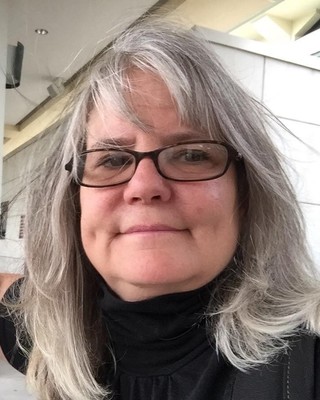
Hosted by Valerie Waterland
Marriage & Family Therapist, MS, LMFT, AAC
Group meets in Tumwater, WA 98512
Court Ordered DV and Anger Management courses to meet court requirements. On zoom. Call for times
This 60 minute support group offers a safe space for you to connect with others about relationship stresses. Through shared experience and support members learn how to improve communication in your relationships and speak up for your needs and wants to have fulfilling relationships. This is an open group. You may also be interested in the Women's Emotional Safety in Relationships group which is a private, small cohort group that digs deeper into relationships and safe emotional expression.
This 60 minute support group offers a safe space for you to connect with others about relationship stresses. Through shared experience and support members learn how to improve communication in your relationships and speak up for your needs and wants to have fulfilling relationships. This is an open group. You may also be interested in the Women's Emotional Safety in Relationships group which is a private, small cohort group that digs deeper into relationships and safe emotional expression.
Anxiety and depression are signals from your body that things are not ok and it's time to make a change. This group focuses on teaching and learning a wide variety of coping skills that can help you not only reduce your symptoms, but also help you learn what the signals are telling you and how you can effectively use anxiety or depression to build a happier life and relationships. You end the course of groups with a plan and tools to help you get through the tough times and thrive! This group is on a 10 week cycle.
Anxiety and depression are signals from your body that things are not ok and it's time to make a change. This group focuses on teaching and learning a wide variety of coping skills that can help you not only reduce your symptoms, but also help you learn what the signals are telling you and how you can effectively use anxiety or depression to build a happier life and relationships. You end the course of groups with a plan and tools to help you get through the tough times and thrive! This group is on a 10 week cycle.
A 16 week course for those who have completed at least 6 months of their domestic violence treatment program. The program will cover the impact of DV on children through improving relationships after the abuse has been ameliorated. Men's and Women's groups are held separately
Hosted by Valerie Waterland
Marriage & Family Therapist, MS, LMFT, AAC
Group meets in Tumwater, WA 98512
A 16 week course for those who have completed at least 6 months of their domestic violence treatment program. The program will cover the impact of DV on children through improving relationships after the abuse has been ameliorated. Men's and Women's groups are held separately
Our focus is to help individuals, couples, & families heal, energize, and become aware of their inner strengths. We achieve this by providing a neutral safe space, listening to your concerns, and customizing an individualized treatment plan.
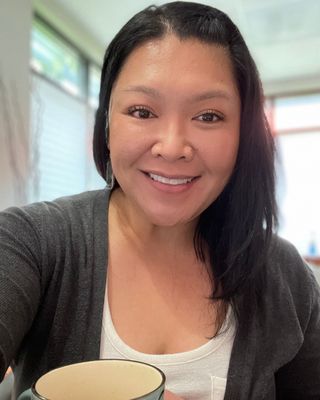
Our focus is to help individuals, couples, & families heal, energize, and become aware of their inner strengths. We achieve this by providing a neutral safe space, listening to your concerns, and customizing an individualized treatment plan.

Hosted by Valerie Waterland
Marriage & Family Therapist, MS, LMFT, AAC
Group meets in Tumwater, WA 98512
More Groups Nearby
Therapeutic hiking group for moms with littles small enough to be carried. We will hike at various different locations on weekday afternoons for 2-3 hours. $30/week rain or shine (exception in cases of extreme weather). Art supplies included. **Note: This is not a therapy group, but a therapeutic expressive arts facilitation group. There will be no diagnosis and Joy will not be acting in the role of a licensed therapist during this group. She will be acting as a hiking guide and expressive arts facilitator.**

Therapeutic hiking group for moms with littles small enough to be carried. We will hike at various different locations on weekday afternoons for 2-3 hours. $30/week rain or shine (exception in cases of extreme weather). Art supplies included. **Note: This is not a therapy group, but a therapeutic expressive arts facilitation group. There will be no diagnosis and Joy will not be acting in the role of a licensed therapist during this group. She will be acting as a hiking guide and expressive arts facilitator.**
Social Skills Training and Interpersonal Processing Awareness: designed to increase educational awareness on effective social interactions and basic life skills that build successful and lasting relationships. Participants also learn processing skills in a small group setting with 6-8 other members; exploring ways in which relationships are formed and maintained; learning appropriate social cues; how to read body language and have appropriate interactions. Group also focuses on understanding behaviors that promote and hinder meaningful connection with others. Self-exploration is encouraged and members are provided the opportunity to experiment with and receive feedback about new ways of relating to others.

Hosted by Baxter Consultants LLC
Licensed Mental Health Counselor, LMHC, CDP
Group meets in Lakewood, WA 98498
Social Skills Training and Interpersonal Processing Awareness: designed to increase educational awareness on effective social interactions and basic life skills that build successful and lasting relationships. Participants also learn processing skills in a small group setting with 6-8 other members; exploring ways in which relationships are formed and maintained; learning appropriate social cues; how to read body language and have appropriate interactions. Group also focuses on understanding behaviors that promote and hinder meaningful connection with others. Self-exploration is encouraged and members are provided the opportunity to experiment with and receive feedback about new ways of relating to others.
This is done through discussion and the learning of skills to be applied in everyday living to enhance one’s life experience, to manage painful emotions, manage harmful urges including substance use, engage in healthy relationships, regulate emotions, increase positive emotions, step out of negative behaviors that maintain negative emotions, set limits with others, learn to say no to what you don’t want, and ask for what you need.

This is done through discussion and the learning of skills to be applied in everyday living to enhance one’s life experience, to manage painful emotions, manage harmful urges including substance use, engage in healthy relationships, regulate emotions, increase positive emotions, step out of negative behaviors that maintain negative emotions, set limits with others, learn to say no to what you don’t want, and ask for what you need.
An online and in-person support group for Christian parents who have a minor or adult child that is struggling, in harm's way, and may be distant or estranged. We stand together against the enemy to achieve a common goal, which is to see bonds of wickedness loosened, heavy burdens lifted, freedom of the oppressed, and yokes of bondage broken. In addition, we seek the restoration of our relationships, as many of us are experiencing the excruciating pain of hostile attitudes, emotional cut-off, and unrecognizability of our children. You need not walk this journey alone.

Hosted by Renovation Biblical Counseling Services, PLLC
Marriage & Family Therapist, MA, LMFT
Group meets in Tacoma, WA 98467
An online and in-person support group for Christian parents who have a minor or adult child that is struggling, in harm's way, and may be distant or estranged. We stand together against the enemy to achieve a common goal, which is to see bonds of wickedness loosened, heavy burdens lifted, freedom of the oppressed, and yokes of bondage broken. In addition, we seek the restoration of our relationships, as many of us are experiencing the excruciating pain of hostile attitudes, emotional cut-off, and unrecognizability of our children. You need not walk this journey alone.
Helping those struggling with their sexualtiy or gender come to terms with accepting who they are, building self worth and developing a healthy, solid support system.
Hosted by Cassie Ann Konnoly
Counselor, LMHC, MS, CMHS, CCATP, LGBTQIA
Group meets in Lacey, WA 98516
Helping those struggling with their sexualtiy or gender come to terms with accepting who they are, building self worth and developing a healthy, solid support system.
This is a non-religious bereavement group open to adults of all ages who have lost a loved one to death and are struggling with grief. This drop-in group meets monthly and is facilitated by licensed mental health professionals on every fourth Friday of the month, except during November and December, when the Sr. Ctrs are closed for the holidays. If you're interested in attending, please email me at EssentialSpiritCounseling@protonmail.com for more information.

This is a non-religious bereavement group open to adults of all ages who have lost a loved one to death and are struggling with grief. This drop-in group meets monthly and is facilitated by licensed mental health professionals on every fourth Friday of the month, except during November and December, when the Sr. Ctrs are closed for the holidays. If you're interested in attending, please email me at EssentialSpiritCounseling@protonmail.com for more information.
This process group is a place to discuss goals and desire to change. To talk about concerns involving shame, suppression of feelings and emotions, weakness vs respect or power, people pleasing, conflict avoidance, anger, defensiveness, expectations, and social pressure. In group, we will explore your perspectives from a personal, historical and social context. As you invite reflection and self-awareness from your lived experience you can make space for learning and growth. Your growth has the potential to empower change grounded in meaningful understanding. With awareness, come set intentions to enrich your relationships with your partner, children, friends and community.

This process group is a place to discuss goals and desire to change. To talk about concerns involving shame, suppression of feelings and emotions, weakness vs respect or power, people pleasing, conflict avoidance, anger, defensiveness, expectations, and social pressure. In group, we will explore your perspectives from a personal, historical and social context. As you invite reflection and self-awareness from your lived experience you can make space for learning and growth. Your growth has the potential to empower change grounded in meaningful understanding. With awareness, come set intentions to enrich your relationships with your partner, children, friends and community.
Estrangement between parents and their teen and adult children has become epidemic. Find the path to not only surviving the pain, but partnering with God and a tribe of people who truly understand to create a life worth living in the aftermath of losing a living child. My training and personal experience combined with my interactions with hundreds of hurting parents and grandparents uniquely qualifies me to address this issue and provide hope. My workshop is online and 90 minutes long with a Q & A.
Hosted by Renovation Biblical Counseling Services, PLLC
Marriage & Family Therapist, MA, LMFT
Group meets in Tacoma, WA 98467
Estrangement between parents and their teen and adult children has become epidemic. Find the path to not only surviving the pain, but partnering with God and a tribe of people who truly understand to create a life worth living in the aftermath of losing a living child. My training and personal experience combined with my interactions with hundreds of hurting parents and grandparents uniquely qualifies me to address this issue and provide hope. My workshop is online and 90 minutes long with a Q & A.
Designed to help you navigate anxiety within yourself and within your dog. Anxiety can become a problem when it starts to interfere with your quality of life. This is a challenge that many people, and many dogs, face. It can be misunderstood, and many of those experiencing it can miss out on support that they truly need and deserve. Our mission is to offer this support to people and dogs on the journey of navigating anxiety. Blending approaches from human mental health counseling and canine behavioral intervention, we are here to bridge the gap between the mutual experience of anxiety between dog and person.

Designed to help you navigate anxiety within yourself and within your dog. Anxiety can become a problem when it starts to interfere with your quality of life. This is a challenge that many people, and many dogs, face. It can be misunderstood, and many of those experiencing it can miss out on support that they truly need and deserve. Our mission is to offer this support to people and dogs on the journey of navigating anxiety. Blending approaches from human mental health counseling and canine behavioral intervention, we are here to bridge the gap between the mutual experience of anxiety between dog and person.
Individual and Group Clinical Consultation. It's always important to have a Clinical Consultation with a professional. Even if one has been practicing for years there are always challenging cases to process. Processing a case and looking at if from different angels is important. This keeps us learning and prevents stagnantation & burnout.

Hosted by Karen M Buckley
Clinical Social Work/Therapist, LICSW, ACSW
Group meets in Olympia, WA 98501
Individual and Group Clinical Consultation. It's always important to have a Clinical Consultation with a professional. Even if one has been practicing for years there are always challenging cases to process. Processing a case and looking at if from different angels is important. This keeps us learning and prevents stagnantation & burnout.
I will be starting a no-cost teen anxiety group on Saturday, November 2nd. The group will occur on Saturdays from 1:30 to 3:00 pm at Connection Therapy Center's Gig Harbor office. This will be a closed group including up to six teens aged 15-17, all genders welcome. There will be a total of seven sessions that will support participants in developing healthy skills and techniques for coping with anxiety.

I will be starting a no-cost teen anxiety group on Saturday, November 2nd. The group will occur on Saturdays from 1:30 to 3:00 pm at Connection Therapy Center's Gig Harbor office. This will be a closed group including up to six teens aged 15-17, all genders welcome. There will be a total of seven sessions that will support participants in developing healthy skills and techniques for coping with anxiety.
Hey new moms, this sex therapist led, in-person processing group is designed to help you explore emotions around changes in your body and roles, as well as to increase your knowledge about sexuality after baby and to connect with other postpartum parents. Babes in arms are welcome. This is a judgement-free environment where biological or adoptive moms (cis or transgender) of any race, age, religion, or sexuality are welcome. The group is limited to 6-8 participants. Please contact me with questions. Dads, there’s a partner group for you. Reach out if interested.

Hey new moms, this sex therapist led, in-person processing group is designed to help you explore emotions around changes in your body and roles, as well as to increase your knowledge about sexuality after baby and to connect with other postpartum parents. Babes in arms are welcome. This is a judgement-free environment where biological or adoptive moms (cis or transgender) of any race, age, religion, or sexuality are welcome. The group is limited to 6-8 participants. Please contact me with questions. Dads, there’s a partner group for you. Reach out if interested.
See more therapy options for Tumwater


Nearby Searches for Tumwater
See More Support Groups FAQs - About Group Therapy and Support Groups
How can I find a support group in Tumwater?
To find a support group in your area, start by entering your city, zip code, or the name of the group into the search bar at the top of the page. When searching, consider whether you prefer an in-person or virtual group. This can help you decide how broad your geographic search should be. If you are open to virtual groups, you might want to search by state instead of just your city, especially if there are limited options nearby.
Once you complete your search, you can use the filters to narrow the results by selecting specialties (such as grief, trauma, or eating disorders), therapeutic approaches, age groups, and other criteria to find a group that best fits your needs.
How does group therapy work?
Group therapy is led by one or more trained therapists and provides a space where participants can process their experiences and learn from others facing similar challenges. Groups may focus on a specific issue—such as addiction, grief, physical illnesses, parenting, or caregiving—or they may center around a particular therapeutic approach, such as Cognitive Behavioral Therapy (CBT), social skill development, or Exposure Therapy. Some groups are also designed for specific populations, such as teens, veterans, or LGBTQ+ individuals.
It’s also important to distinguish group therapy from peer-led support groups, like Alcoholics Anonymous. While both can offer valuable support, therapy groups are typically led by licensed professionals and follow a more structured format. Therapy groups often meet for a fixed length of time with a consistent group of members, while many peer support groups meet for an indefinite period of time with members coming and going.
What are the benefits of group therapy?
Group therapy offers several important benefits. It brings together people facing similar challenges—whether related to mental health, physical health, or life transitions—and creates a supportive environment where participants can exchange feedback, share experiences, and learn from one another. Hearing different perspectives can help individuals discover new coping strategies and practical tools they may not have encountered on their own. Sharing personal experiences, such as coping with a serious illness or navigating family struggles, can also reduce feelings of isolation and foster a sense of connection and understanding. In addition to emotional support, group members often gain useful, real-world advice from peers who have faced similar situations.
Group therapy is typically more affordable than individual therapy and, for certain conditions, can be equally effective. Many groups also include structured activities—such as guided journaling, cognitive-behavioral exercises, or role-playing—to help participants develop concrete skills they can apply in daily life.
Is group therapy as effective as individual therapy?
It is difficult to make a blanket statement about the effectiveness of support groups, as they vary widely in focus and the conditions they address. However, support groups can be highly valuable in helping individuals gain emotional support and achieve meaningful treatment outcomes. For certain conditions, such as substance use, research has shown that group therapy can be particularly effective—sometimes just as effective as individual therapy—in supporting long-term recovery.
Many professionals attribute the effectiveness of group therapy to the unique benefits of the group setting, which fosters peer-to-peer learning and a sense of connection through shared experiences. Group settings also offer accountability and encouragement from both facilitators and fellow participants, which helps sustain motivation and supports continued progress. These factors together play a key role in promoting the overall effectiveness of group therapy.
How much does group therapy cost?
Group therapy is typically less expensive than individual therapy, with sessions typically costing between $50 and $75 each. In comparison, individual therapy can cost anywhere from $100 to $200 or more per session, even with insurance. Some therapists or organizations offer low-cost or free group therapy options, particularly through community centers or nonprofit organizations. In some cases, groups may require payment upfront for a set number of sessions, such as paying for six weekly sessions at the first meeting. However, many providers offer payment plans to help make participation more accessible if this upfront payment is required.
Does insurance cover group therapy?
As with individual therapy, insurance coverage for group therapy varies based on factors such as your specific insurance plan, the purpose of the group, your diagnosis, and whether the group provider is in-network. Many insurance plans cover group therapy sessions that address diagnosable mental health conditions, such as substance use disorders, anxiety, or depression.
However, groups that focus on topics not directly tied to a mental health diagnosis—such as parenting support or divorce recovery—are less likely to be covered. Because coverage can vary widely, it’s important to check with your insurance provider before joining a group to confirm whether the sessions will be covered and what out-of-pocket costs you may be responsible for.
How long does group therapy last?
The length of each group therapy session typically ranges from 45 minutes to two hours, depending on the therapy approach, the group’s goals, and how often the group meets. In some cases, group therapy is part of a larger treatment program, such as an Intensive Outpatient Program (IOP), where group sessions complement individual therapy and are scheduled as part of the program’s overall structure.
The duration of participation in a group also varies. Some groups are designed to be short-term, lasting anywhere from 6 to 24 weeks—for example, bereavement groups or skills-based groups like those using Dialectical Behavioral Therapy (DBT). Other groups may be longer-term, lasting a year or more, and some ongoing support groups meet indefinitely, allowing participants to stay as long as they find the group helpful.
What are the limitations of support groups?
Support groups offer many benefits, but they also have certain limitations. Unlike therapy groups, many support groups do not provide formal therapeutic treatment and are not led by licensed mental health professionals. For individuals seeking clinical treatment for specific mental health diagnoses—such as depression, eating disorders, or substance use—individual therapy or group therapy led by a licensed professional may offer more personalized and specialized care.
The effectiveness of a support group also depends heavily on the group’s participants and the overall group dynamic. When members engage respectfully and offer constructive support, the group can foster valuable peer-to-peer learning. However, if certain participants dominate discussions, provide inaccurate advice, or create conflict, it can disrupt the group’s sense of safety and reduce its effectiveness. Confidentiality can also be harder to maintain in support groups, particularly in open groups where participants can join or leave at any time. With new members regularly entering the group, it can be more difficult to build and sustain a consistent sense of trust and privacy.