Support Groups in Spokane Valley, WA
You don’t have to hold everything together here. Many of the people who reach out to us are strong and capable, yet quietly overwhelmed. Anxiety, relationship strain, burnout, trauma, and life transitions can leave you feeling disconnected or exhausted from always being “the strong one.” We offer relational, attachment-informed therapy that is compassionate and practical — helping you build emotional safety, regulate your nervous system, and create meaningful change that lasts beyond the therapy room.

Hosted by Samme Newman
Licensed Mental Health Counselor, MA, LMHC
Group meets in Spokane Valley, WA 99037
You don’t have to hold everything together here. Many of the people who reach out to us are strong and capable, yet quietly overwhelmed. Anxiety, relationship strain, burnout, trauma, and life transitions can leave you feeling disconnected or exhausted from always being “the strong one.” We offer relational, attachment-informed therapy that is compassionate and practical — helping you build emotional safety, regulate your nervous system, and create meaningful change that lasts beyond the therapy room.
Align Mind Therapy, a woman-owned practice serving Washington via secure, HIPAA-compliant telehealth. We’ve traded "stiff clinical" vibes for genuine human connection, ensuring you're seen as a person, not a diagnosis. Fiercely inclusive, we empower LGBTQ+, BIPOC, and neurodivergent teens and adults to move from feeling "stuck" to living values-aligned lives. We specialize in ADHD, Anxiety, OCD (including skin-picking/hair-pulling), PTSD, and "adulting" stress. Using CBT, DBT, ACT, and ERP, we build real resilience. As a teaching practice, our care and supervision is expert-backed and transparent. We accept cash pay and insurance.
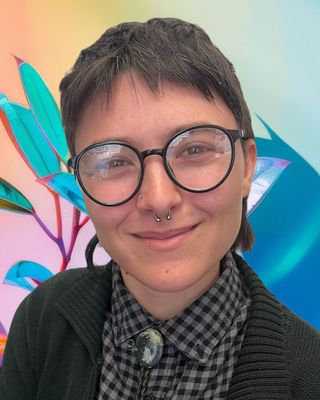
Align Mind Therapy, a woman-owned practice serving Washington via secure, HIPAA-compliant telehealth. We’ve traded "stiff clinical" vibes for genuine human connection, ensuring you're seen as a person, not a diagnosis. Fiercely inclusive, we empower LGBTQ+, BIPOC, and neurodivergent teens and adults to move from feeling "stuck" to living values-aligned lives. We specialize in ADHD, Anxiety, OCD (including skin-picking/hair-pulling), PTSD, and "adulting" stress. Using CBT, DBT, ACT, and ERP, we build real resilience. As a teaching practice, our care and supervision is expert-backed and transparent. We accept cash pay and insurance.
I work with Individuals, Family Systems and Groups that have been impacted negatively due to substance use and abuse and issues of neglect within the family. I work to redirect and help the individual or family system to process the challenges from the pandemic that have altered the safety within the individual and the family

I work with Individuals, Family Systems and Groups that have been impacted negatively due to substance use and abuse and issues of neglect within the family. I work to redirect and help the individual or family system to process the challenges from the pandemic that have altered the safety within the individual and the family
This meeting consists of community members coming together to tell their story. Everyone works together to solve problems, provide support, and lead each other to a better life. Examples, socialization with people of the same age that share empowering stories of health and healing. Focuses on aging in place, medication management, various medical diagnosis to ensure the best possible care. If interested, please call me at 509-955-5175

Hosted by Dr. Erin Daniels
Clinical Social Work/Therapist, DSW, LICSW, MA
Group meets in Spokane Valley, WA 99206
This meeting consists of community members coming together to tell their story. Everyone works together to solve problems, provide support, and lead each other to a better life. Examples, socialization with people of the same age that share empowering stories of health and healing. Focuses on aging in place, medication management, various medical diagnosis to ensure the best possible care. If interested, please call me at 509-955-5175
Dialectical Behavior Therapy Skills were developed to help clients with emotional dysregulation, depression, anxiety, and mood swings. DBT skills group teach clients how to get extreme emotions and impulsive behaviors under control and how to live a more balanced life. Research has shown that the DBT group is the most effective part of DBT therapy for reducing symptoms of depression, anxiety and mood swings. This is a 24 week curriculum with four modules that last six weeks each. Clients must make a commitment to participate in group weekly. Core modules include Mindfulness, Emotion Regulation, Interpersonal Effectiveness, and Distress Tolerance.

Dialectical Behavior Therapy Skills were developed to help clients with emotional dysregulation, depression, anxiety, and mood swings. DBT skills group teach clients how to get extreme emotions and impulsive behaviors under control and how to live a more balanced life. Research has shown that the DBT group is the most effective part of DBT therapy for reducing symptoms of depression, anxiety and mood swings. This is a 24 week curriculum with four modules that last six weeks each. Clients must make a commitment to participate in group weekly. Core modules include Mindfulness, Emotion Regulation, Interpersonal Effectiveness, and Distress Tolerance.

Hosted by Agustin Reyes Lopez
Marriage & Family Therapist Associate, MA, LMFTA
Group meets in Spokane Valley, WA 99206
More Groups Nearby
Group for adults to learn and practice basic and advanced mindfulness. Beginners welcome!

Hosted by Lindsay Anne Daehlin
Clinical Social Work/Therapist, MSW, LICSW
Group meets in Spokane, WA 99201
Group for adults to learn and practice basic and advanced mindfulness. Beginners welcome!
During a Yoga Calm group session, participants will engage in simple breathing techniques and yoga movements to slow the nervous system, develop self-control, strength, and concentration. Activities that develop patience, mindfulness, and compassion toward self and others will be incorporated throughout each session. Participants will develop social-emotional skills in a supportive environment while engaging in relaxation techniques to calm the body and mind.

Hosted by Adult and Child Therapist - Megan Rowand
Counselor, LMHC, MFT
Group meets in Spokane, WA 99202
During a Yoga Calm group session, participants will engage in simple breathing techniques and yoga movements to slow the nervous system, develop self-control, strength, and concentration. Activities that develop patience, mindfulness, and compassion toward self and others will be incorporated throughout each session. Participants will develop social-emotional skills in a supportive environment while engaging in relaxation techniques to calm the body and mind.
Resuming 2027: Role-playing Game Therapy (RPG Therapy) helping young children develop and improve in many areas, including their socio-emotional-relationship and cooperative problem solving skills, with experiences using music and/or role-playing games to help assessed participants measurably achieve their educational, emotional, professional, recreational, social, and therapeutic goals, to improve their quality of life. Group sizes range from 1 to 5 children per group, plus one facilitator per group. Youth groups ages 2-4, 5-9, 10-12, or 13-17. Additional details here: www.rpgtherapy.com/group-sessions/

Resuming 2027: Role-playing Game Therapy (RPG Therapy) helping young children develop and improve in many areas, including their socio-emotional-relationship and cooperative problem solving skills, with experiences using music and/or role-playing games to help assessed participants measurably achieve their educational, emotional, professional, recreational, social, and therapeutic goals, to improve their quality of life. Group sizes range from 1 to 5 children per group, plus one facilitator per group. Youth groups ages 2-4, 5-9, 10-12, or 13-17. Additional details here: www.rpgtherapy.com/group-sessions/
Empathy Paradigm offers mental health resources for survivors of religious trauma and spiritual abuse. Owner and therapist, Anna Clark Miller, LPC-S, LMMH-S, provides telehealth counseling, training for mental health providers, and clinical supervision with a focus on the religious trauma specialty.

Hosted by Anna Clark Miller
Licensed Professional Counselor, LPC-S, LMHC-S, NCC
Group meets in Spokane, WA 99201
Empathy Paradigm offers mental health resources for survivors of religious trauma and spiritual abuse. Owner and therapist, Anna Clark Miller, LPC-S, LMMH-S, provides telehealth counseling, training for mental health providers, and clinical supervision with a focus on the religious trauma specialty.
Resuming 2027: online, secure, private, remote, teletherapy. Role-playing game therapy (RPG Therapy) for adults & senior adults to develop & improve in many areas. Benefits include physical & psycho-socio-emotional-relationship and cooperative problem solving skills, with experiences using music and/or role-playing games to help assessed participants measurably achieve their educational, emotional, professional, recreational, social, & therapeutic goals, to improve their quality of life. For senior adults these programs help slow down cognitive decline.Group sizes range from 2 to 4 players per group, plus one facilitator per group. Registration now open for new participants: www.rpgtherapy.com/group-sessions
Resuming 2027: online, secure, private, remote, teletherapy. Role-playing game therapy (RPG Therapy) for adults & senior adults to develop & improve in many areas. Benefits include physical & psycho-socio-emotional-relationship and cooperative problem solving skills, with experiences using music and/or role-playing games to help assessed participants measurably achieve their educational, emotional, professional, recreational, social, & therapeutic goals, to improve their quality of life. For senior adults these programs help slow down cognitive decline.Group sizes range from 2 to 4 players per group, plus one facilitator per group. Registration now open for new participants: www.rpgtherapy.com/group-sessions
A weekly women's meditation and reiki experience. Monday's from 5 pm - 6 pm. $30 per class. Women only. Please reserve your space via email or text. melissaroloff@mindfulmatters.org or 360.244.1021. Payment accepted via Venmo. This is a small group experience, max participants 10 women. No need to attend every class, simply come when you feel called to.

Hosted by Melissa Roloff - Holistic Psychotherapy & Hypnosis
Counselor, MA, LMHC, LCPC
Group meets in Spokane, WA 99207
A weekly women's meditation and reiki experience. Monday's from 5 pm - 6 pm. $30 per class. Women only. Please reserve your space via email or text. melissaroloff@mindfulmatters.org or 360.244.1021. Payment accepted via Venmo. This is a small group experience, max participants 10 women. No need to attend every class, simply come when you feel called to.
Created in honor of my younger sister, who named a truth so many parents carry: parenting teens can feel deeply isolating. A community space for parents navigating the wild, messy, completely normal journey of raising a teenager. Who this group is for: Parents + caregivers of teenagers who want • Support from other parents • Reassurance about what’s normal • Tools for communication + boundaries • A place to ask honest questions • Therapist guidance when helpful.
Hosted by Melissa Roloff - Holistic Psychotherapy & Hypnosis
Counselor, MA, LMHC, LCPC
Group meets in Spokane, WA 99205
Created in honor of my younger sister, who named a truth so many parents carry: parenting teens can feel deeply isolating. A community space for parents navigating the wild, messy, completely normal journey of raising a teenager. Who this group is for: Parents + caregivers of teenagers who want • Support from other parents • Reassurance about what’s normal • Tools for communication + boundaries • A place to ask honest questions • Therapist guidance when helpful.
This is an ongoing small group (8 members) that focuses on the building of relationships within the group. Over time, members get more comfortable with one another, ask questions, share about their lives, relate, connect, and become important to one another. The group is particularly helpful for those with anxiety, depression, or identity concerns and is a safe space for people of diverse backgrounds and identities. The group is entirely virtual.

This is an ongoing small group (8 members) that focuses on the building of relationships within the group. Over time, members get more comfortable with one another, ask questions, share about their lives, relate, connect, and become important to one another. The group is particularly helpful for those with anxiety, depression, or identity concerns and is a safe space for people of diverse backgrounds and identities. The group is entirely virtual.
Three month, three part process towards ongoing support: psychoeducational (first month); structuring for healing (second month); ongoing support discussion (third month). Educational resources include work developed by Dr. RAMANI, PhD.

Three month, three part process towards ongoing support: psychoeducational (first month); structuring for healing (second month); ongoing support discussion (third month). Educational resources include work developed by Dr. RAMANI, PhD.
Life After Religion is an 8-week virtual therapy group for adults navigating the impact of high-control, fear-based, or spiritually harmful religious experiences. This group welcomes individuals who are questioning, deconstructing, reconstructing, maintaining, or redefining their faith or spirituality. The focus is on healing from the impacts of high-control or spiritually harmful experiences and supporting participants in developing a relationship with themselves that feels authentic and self-directed. Open to adults in Washington State. Standard fee is $65/session with limited sliding-scale spots available. Interest form - https://forms.gle/fdRTB8RJsCsfRabPA
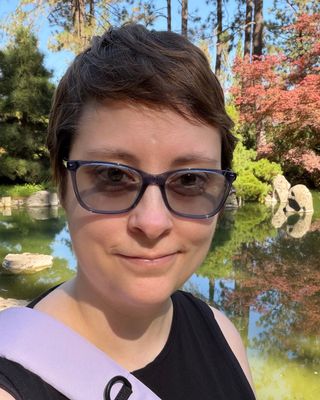
Life After Religion is an 8-week virtual therapy group for adults navigating the impact of high-control, fear-based, or spiritually harmful religious experiences. This group welcomes individuals who are questioning, deconstructing, reconstructing, maintaining, or redefining their faith or spirituality. The focus is on healing from the impacts of high-control or spiritually harmful experiences and supporting participants in developing a relationship with themselves that feels authentic and self-directed. Open to adults in Washington State. Standard fee is $65/session with limited sliding-scale spots available. Interest form - https://forms.gle/fdRTB8RJsCsfRabPA
Three month, three part process towards ongoing support: psychoeducational (first month); structuring for healing (second month); ongoing support discussion (third month). Educational resources include work developed by Dr. RAMANI, PhD.
Three month, three part process towards ongoing support: psychoeducational (first month); structuring for healing (second month); ongoing support discussion (third month). Educational resources include work developed by Dr. RAMANI, PhD.
We’re on a mission to simplify access to high-quality, affordable mental health care.

We’re on a mission to simplify access to high-quality, affordable mental health care.
Headway is a mental healthcare system that helps users have access to affordable healthcare. It operates a virtual network of therapists that accept insurance and provide video or in-person sessions booked completely online.
Headway is a mental healthcare system that helps users have access to affordable healthcare. It operates a virtual network of therapists that accept insurance and provide video or in-person sessions booked completely online.
Three month group. This support group offers a safe, compassionate space for individuals healing from narcissistic or emotionally harmful relationships. You can share at your own pace, feel understood, and reconnect with your voice and strengths. Together, we’ll focus on your experiences without judgment, exploring ways to rebuild trust in yourself, set boundaries, and move forward with clarity and confidence. You deserve support and a space where you can begin to feel like yourself again.

Three month group. This support group offers a safe, compassionate space for individuals healing from narcissistic or emotionally harmful relationships. You can share at your own pace, feel understood, and reconnect with your voice and strengths. Together, we’ll focus on your experiences without judgment, exploring ways to rebuild trust in yourself, set boundaries, and move forward with clarity and confidence. You deserve support and a space where you can begin to feel like yourself again.
See more therapy options for Spokane Valley


FAQs - About Group Therapy and Support Groups
How can I find a support group in Spokane Valley?
To find a support group in your area, start by entering your city, zip code, or the name of the group into the search bar at the top of the page. When searching, consider whether you prefer an in-person or virtual group. This can help you decide how broad your geographic search should be. If you are open to virtual groups, you might want to search by state instead of just your city, especially if there are limited options nearby.
Once you complete your search, you can use the filters to narrow the results by selecting specialties (such as grief, trauma, or eating disorders), therapeutic approaches, age groups, and other criteria to find a group that best fits your needs.
Once you complete your search, you can use the filters to narrow the results by selecting specialties (such as grief, trauma, or eating disorders), therapeutic approaches, age groups, and other criteria to find a group that best fits your needs.
How does group therapy work?
Group therapy is led by one or more trained therapists and provides a space where participants can process their experiences and learn from others facing similar challenges. Groups may focus on a specific issue—such as addiction, grief, physical illnesses, parenting, or caregiving—or they may center around a particular therapeutic approach, such as Cognitive Behavioral Therapy (CBT), social skill development, or Exposure Therapy. Some groups are also designed for specific populations, such as teens, veterans, or LGBTQ+ individuals.
It’s also important to distinguish group therapy from peer-led support groups, like Alcoholics Anonymous. While both can offer valuable support, therapy groups are typically led by licensed professionals and follow a more structured format. Therapy groups often meet for a fixed length of time with a consistent group of members, while many peer support groups meet for an indefinite period of time with members coming and going.
It’s also important to distinguish group therapy from peer-led support groups, like Alcoholics Anonymous. While both can offer valuable support, therapy groups are typically led by licensed professionals and follow a more structured format. Therapy groups often meet for a fixed length of time with a consistent group of members, while many peer support groups meet for an indefinite period of time with members coming and going.
What are the benefits of group therapy?
Group therapy offers several important benefits. It brings together people facing similar challenges—whether related to mental health, physical health, or life transitions—and creates a supportive environment where participants can exchange feedback, share experiences, and learn from one another. Hearing different perspectives can help individuals discover new coping strategies and practical tools they may not have encountered on their own. Sharing personal experiences, such as coping with a serious illness or navigating family struggles, can also reduce feelings of isolation and foster a sense of connection and understanding. In addition to emotional support, group members often gain useful, real-world advice from peers who have faced similar situations.
Group therapy is typically more affordable than individual therapy and, for certain conditions, can be equally effective. Many groups also include structured activities—such as guided journaling, cognitive-behavioral exercises, or role-playing—to help participants develop concrete skills they can apply in daily life.
Group therapy is typically more affordable than individual therapy and, for certain conditions, can be equally effective. Many groups also include structured activities—such as guided journaling, cognitive-behavioral exercises, or role-playing—to help participants develop concrete skills they can apply in daily life.
Is group therapy as effective as individual therapy?
It is difficult to make a blanket statement about the effectiveness of support groups, as they vary widely in focus and the conditions they address. However, support groups can be highly valuable in helping individuals gain emotional support and achieve meaningful treatment outcomes. For certain conditions, such as substance use, research has shown that group therapy can be particularly effective—sometimes just as effective as individual therapy—in supporting long-term recovery.
Many professionals attribute the effectiveness of group therapy to the unique benefits of the group setting, which fosters peer-to-peer learning and a sense of connection through shared experiences. Group settings also offer accountability and encouragement from both facilitators and fellow participants, which helps sustain motivation and supports continued progress. These factors together play a key role in promoting the overall effectiveness of group therapy.
Many professionals attribute the effectiveness of group therapy to the unique benefits of the group setting, which fosters peer-to-peer learning and a sense of connection through shared experiences. Group settings also offer accountability and encouragement from both facilitators and fellow participants, which helps sustain motivation and supports continued progress. These factors together play a key role in promoting the overall effectiveness of group therapy.
How much does group therapy cost?
Group therapy is typically less expensive than individual therapy, with sessions typically costing between $50 and $75 each. In comparison, individual therapy can cost anywhere from $100 to $200 or more per session, even with insurance. Some therapists or organizations offer low-cost or free group therapy options, particularly through community centers or nonprofit organizations. In some cases, groups may require payment upfront for a set number of sessions, such as paying for six weekly sessions at the first meeting. However, many providers offer payment plans to help make participation more accessible if this upfront payment is required.
Does insurance cover group therapy?
As with individual therapy, insurance coverage for group therapy varies based on factors such as your specific insurance plan, the purpose of the group, your diagnosis, and whether the group provider is in-network. Many insurance plans cover group therapy sessions that address diagnosable mental health conditions, such as substance use disorders, anxiety, or depression.
However, groups that focus on topics not directly tied to a mental health diagnosis—such as parenting support or divorce recovery—are less likely to be covered. Because coverage can vary widely, it’s important to check with your insurance provider before joining a group to confirm whether the sessions will be covered and what out-of-pocket costs you may be responsible for.
However, groups that focus on topics not directly tied to a mental health diagnosis—such as parenting support or divorce recovery—are less likely to be covered. Because coverage can vary widely, it’s important to check with your insurance provider before joining a group to confirm whether the sessions will be covered and what out-of-pocket costs you may be responsible for.
How long does group therapy last?
The length of each group therapy session typically ranges from 45 minutes to two hours, depending on the therapy approach, the group’s goals, and how often the group meets. In some cases, group therapy is part of a larger treatment program, such as an Intensive Outpatient Program (IOP), where group sessions complement individual therapy and are scheduled as part of the program’s overall structure.
The duration of participation in a group also varies. Some groups are designed to be short-term, lasting anywhere from 6 to 24 weeks—for example, bereavement groups or skills-based groups like those using Dialectical Behavioral Therapy (DBT). Other groups may be longer-term, lasting a year or more, and some ongoing support groups meet indefinitely, allowing participants to stay as long as they find the group helpful.
The duration of participation in a group also varies. Some groups are designed to be short-term, lasting anywhere from 6 to 24 weeks—for example, bereavement groups or skills-based groups like those using Dialectical Behavioral Therapy (DBT). Other groups may be longer-term, lasting a year or more, and some ongoing support groups meet indefinitely, allowing participants to stay as long as they find the group helpful.
What are the limitations of support groups?
Support groups offer many benefits, but they also have certain limitations. Unlike therapy groups, many support groups do not provide formal therapeutic treatment and are not led by licensed mental health professionals. For individuals seeking clinical treatment for specific mental health diagnoses—such as depression, eating disorders, or substance use—individual therapy or group therapy led by a licensed professional may offer more personalized and specialized care.
The effectiveness of a support group also depends heavily on the group’s participants and the overall group dynamic. When members engage respectfully and offer constructive support, the group can foster valuable peer-to-peer learning. However, if certain participants dominate discussions, provide inaccurate advice, or create conflict, it can disrupt the group’s sense of safety and reduce its effectiveness. Confidentiality can also be harder to maintain in support groups, particularly in open groups where participants can join or leave at any time. With new members regularly entering the group, it can be more difficult to build and sustain a consistent sense of trust and privacy.
The effectiveness of a support group also depends heavily on the group’s participants and the overall group dynamic. When members engage respectfully and offer constructive support, the group can foster valuable peer-to-peer learning. However, if certain participants dominate discussions, provide inaccurate advice, or create conflict, it can disrupt the group’s sense of safety and reduce its effectiveness. Confidentiality can also be harder to maintain in support groups, particularly in open groups where participants can join or leave at any time. With new members regularly entering the group, it can be more difficult to build and sustain a consistent sense of trust and privacy.