Support Groups in Kent, WA
These are the main issues I can help you with in this 6-week recovery group: identifying covert/overt narcissism, overcoming cognitive dissonance, and setting firm boundaries. Through guided workbook exercises and supportive group connection, we process trauma fog and reclaim self-compassion. Members can expect to feel validated, less isolated, and equipped with actionable self-advocacy skills.

Hosted by Holding Hope Therapy (Dr. Benita Weems)
Counselor, DPC, MA, LMHC, LPC, LCPC
Group meets in Kent, WA 98030
These are the main issues I can help you with in this 6-week recovery group: identifying covert/overt narcissism, overcoming cognitive dissonance, and setting firm boundaries. Through guided workbook exercises and supportive group connection, we process trauma fog and reclaim self-compassion. Members can expect to feel validated, less isolated, and equipped with actionable self-advocacy skills.
Group EMDR supports you to reprocess memories that are negatively impacting you. You will work on your own memories with no sharing/hearing others' impactful events, but work in a group setting, healing in community. Bilateral tapping and drumming will be used. There will be Therapeutic Yoga (invitation to move your body in supportive ways, no yoga experience needed) & a crystal bowl sound bath for integration. In person dates: Saturdays 10:30am-1:30pm 9/26, 10/17, 11/21. Reach out to Emily with questions/accommodation needs. A phone consultation is required. Sliding scale & superbill options available upon request.

Group EMDR supports you to reprocess memories that are negatively impacting you. You will work on your own memories with no sharing/hearing others' impactful events, but work in a group setting, healing in community. Bilateral tapping and drumming will be used. There will be Therapeutic Yoga (invitation to move your body in supportive ways, no yoga experience needed) & a crystal bowl sound bath for integration. In person dates: Saturdays 10:30am-1:30pm 9/26, 10/17, 11/21. Reach out to Emily with questions/accommodation needs. A phone consultation is required. Sliding scale & superbill options available upon request.
More Groups Nearby
I am a Washington State Certified Supervisor, and I provide both group and individual supervision, in office and remote meetings available. For more information please email me at Brittsteff@gmail.com. Availability: Monday-Friday, 9:30-6:00 pm. As an Adjunct Professor at Seattle Pacific University'sMarriage and Family program, I am connected to the local therapy community and am well-positioned to supervise post-graduates in their work with individuals, couples, and families.

Hosted by Brittany Steffen
Marriage & Family Therapist, MS, LMFT, AASECT
Group meets in Seattle, WA 98109
I am a Washington State Certified Supervisor, and I provide both group and individual supervision, in office and remote meetings available. For more information please email me at Brittsteff@gmail.com. Availability: Monday-Friday, 9:30-6:00 pm. As an Adjunct Professor at Seattle Pacific University'sMarriage and Family program, I am connected to the local therapy community and am well-positioned to supervise post-graduates in their work with individuals, couples, and families.
I’ve seen so many men enter into recovery with commitment and enthusiasm yet without preparation, guidance, tools and instruction, they fail. Leaving them more hopeless and discouraged than before they started. Group support is critical to a solid recovery. This online group uses a mix of task and psychoeducation & trauma focused healing. It's a safe place to be open and honest & take back your life. Group is led by a licensed CSAT. ***MEMBERS RECEIVE ONE FREE HOUR OF INDIVIDUAL COUNSLEING PER MONTH WHILE IN GROUP***

I’ve seen so many men enter into recovery with commitment and enthusiasm yet without preparation, guidance, tools and instruction, they fail. Leaving them more hopeless and discouraged than before they started. Group support is critical to a solid recovery. This online group uses a mix of task and psychoeducation & trauma focused healing. It's a safe place to be open and honest & take back your life. Group is led by a licensed CSAT. ***MEMBERS RECEIVE ONE FREE HOUR OF INDIVIDUAL COUNSLEING PER MONTH WHILE IN GROUP***
Supervising other therapists can be rewarding, but lonely. You’re responsible for someone else’s development while navigating authority, boundaries, difficult feedback, clinical judgment, and sometimes the complexity of being both supervisor and employer. Supervision in Practice is a small consultation group for therapists who supervise other clinicians. This is not a training group or formal supervision. It’s a place to think together about situations that can be hard to sort out: when a supervisee is struggling, something feels off, or you’re unsure how much direction to provide. We’ll take a relational approach to the work and supervisory relationship.

Supervising other therapists can be rewarding, but lonely. You’re responsible for someone else’s development while navigating authority, boundaries, difficult feedback, clinical judgment, and sometimes the complexity of being both supervisor and employer. Supervision in Practice is a small consultation group for therapists who supervise other clinicians. This is not a training group or formal supervision. It’s a place to think together about situations that can be hard to sort out: when a supervisee is struggling, something feels off, or you’re unsure how much direction to provide. We’ll take a relational approach to the work and supervisory relationship.
This 8 week group offers you real and tangible steps, tools and practices to help you understand where and why you get tripped up in your life and how to create real change that aligns and honors who you really are. The material is based on Dr. Brené Brown's research on vulnerability, shame and wholeheartedness. For information on Brené Brown's work see her Ted Talk: The Power of Vulnerability online. Contact me for more information and to join.

This 8 week group offers you real and tangible steps, tools and practices to help you understand where and why you get tripped up in your life and how to create real change that aligns and honors who you really are. The material is based on Dr. Brené Brown's research on vulnerability, shame and wholeheartedness. For information on Brené Brown's work see her Ted Talk: The Power of Vulnerability online. Contact me for more information and to join.
A combination of exercise and process work, group is a wonderful space to explore our ability to risk and be open to others. Exercises energize and open our physical system, a playful way to explore attitudes and feeling states and sets the stage for further work. The group provides a supportive, non-judgmental environment to explore the issues that come up in our lives and in our interactions with one another. Group is a wonderful adjunct to individual therapy and gives us an opportunity to explore and create the deeper connection that we all long for.

A combination of exercise and process work, group is a wonderful space to explore our ability to risk and be open to others. Exercises energize and open our physical system, a playful way to explore attitudes and feeling states and sets the stage for further work. The group provides a supportive, non-judgmental environment to explore the issues that come up in our lives and in our interactions with one another. Group is a wonderful adjunct to individual therapy and gives us an opportunity to explore and create the deeper connection that we all long for.
Couples group using the book hold me tight by sue johnson

Hosted by Anne Auerbach
Marriage & Family Therapist, PhD, LMFT, LMHC, CST, CMHS
Group meets in Kirkland, WA 98033
Couples group using the book hold me tight by sue johnson
Join the weekly online OCD support group, led by Josh Kaplan, an expert in guiding individuals through the challenges of OCD. This group provides a safe, confidential space where you can share your experiences, gain insights, and learn coping strategies. Each session integrates principles of Cognitive Behavioral Therapy (CBT) and Exposure and Response Prevention (ERP), offering practical tools and support to help manage OCD symptoms. Connect with others who understand what you're going through, in an environment that fosters growth and healing.

Hosted by Josh Kaplan - OCD, Anxiety & Depression Specialist
Clinical Social Work/Therapist, LCSW
Group meets in Bellevue, WA 98005
Join the weekly online OCD support group, led by Josh Kaplan, an expert in guiding individuals through the challenges of OCD. This group provides a safe, confidential space where you can share your experiences, gain insights, and learn coping strategies. Each session integrates principles of Cognitive Behavioral Therapy (CBT) and Exposure and Response Prevention (ERP), offering practical tools and support to help manage OCD symptoms. Connect with others who understand what you're going through, in an environment that fosters growth and healing.
A supportive virtual space to explore life with ADHD and autism. We meet every other Thursday from 6–7pm, offering adults a space to deepen self-understanding, learn practical strategies, and connect with others. Each session will focus on topics like burnout, diagnosis journeys, nervous system regulation, disability, and executive functioning challenges. Whether you have a formal diagnosis, are self-identified, or are exploring the possibility, you are welcome here. Continuous participation is encouraged. This group affirms queer identities, values disability and COVID consciousness, and is grounded in anti-racist, anti-capitalist principles. *Self-pay or in-network with insurance*

Hosted by Austin Randall
Licensed Mental Health Counselor, LMHCA, (They, He)
Group meets in Seattle, WA 98115
A supportive virtual space to explore life with ADHD and autism. We meet every other Thursday from 6–7pm, offering adults a space to deepen self-understanding, learn practical strategies, and connect with others. Each session will focus on topics like burnout, diagnosis journeys, nervous system regulation, disability, and executive functioning challenges. Whether you have a formal diagnosis, are self-identified, or are exploring the possibility, you are welcome here. Continuous participation is encouraged. This group affirms queer identities, values disability and COVID consciousness, and is grounded in anti-racist, anti-capitalist principles. *Self-pay or in-network with insurance*
Lost and Found Therapy provides direct mental health services to individuals and families with a person-centered and trauma-informed approach. The goal is to provide an inclusive space to help those who are lost in life find/create their own paths forward.

Lost and Found Therapy provides direct mental health services to individuals and families with a person-centered and trauma-informed approach. The goal is to provide an inclusive space to help those who are lost in life find/create their own paths forward.
Have you experienced the death of a significant person in your life? Do you feel alone or unsupported in the grieving process? Are you interested in learning skills to help understand and cope with your grief? This 8 week semi-structured, non-religious group focuses on processing your grief in a supportive community, learning coping skills, and participating in activities. Cost is $400 for the full 8 weeks and will run from October 7th, 2026 to November 25th, 2026.

Hosted by Megan Wilson
Licensed Mental Health Counselor Associate , LMHCA, SUDPT, NBC-HWC
Group meets in Bothell, WA 98028
Have you experienced the death of a significant person in your life? Do you feel alone or unsupported in the grieving process? Are you interested in learning skills to help understand and cope with your grief? This 8 week semi-structured, non-religious group focuses on processing your grief in a supportive community, learning coping skills, and participating in activities. Cost is $400 for the full 8 weeks and will run from October 7th, 2026 to November 25th, 2026.
Designed to support separated or divorced parents in building healthier communication and reducing conflict for the well-being of their children. This structured group provides practical tools rooted in cognitive-behavioral and family systems principles to strengthen emotional regulation, boundary setting, and child-centered decision-making. Participants will gain skills to manage triggers, navigate high-conflict dynamics, and create more stable transitions between households. If you are seeking education, structure, and support in your co-parenting journey, this group offers a respectful and growth-oriented space. Free to join! Please note: this group meets in Pacific Standard Time (PST).

Designed to support separated or divorced parents in building healthier communication and reducing conflict for the well-being of their children. This structured group provides practical tools rooted in cognitive-behavioral and family systems principles to strengthen emotional regulation, boundary setting, and child-centered decision-making. Participants will gain skills to manage triggers, navigate high-conflict dynamics, and create more stable transitions between households. If you are seeking education, structure, and support in your co-parenting journey, this group offers a respectful and growth-oriented space. Free to join! Please note: this group meets in Pacific Standard Time (PST).
Our practice name, logo, and motto, "Therapy for the Emotional Intelligence in You,” reflect the belief that what is needed for overcoming an issue is already within. Pulling this intelligence into awareness is a form of learning we call insight. When insight becomes blocked by stress, significant life events, etc., then developing a trusting relationship with an objective confidant, who doesn’t feel burdened by your troubles, can help in the process of bringing this intelligence into light. Your wellness is invaluable, and that value begins with finding the care that aligns best with You. Website: https://eastsideinsight.com/

Our practice name, logo, and motto, "Therapy for the Emotional Intelligence in You,” reflect the belief that what is needed for overcoming an issue is already within. Pulling this intelligence into awareness is a form of learning we call insight. When insight becomes blocked by stress, significant life events, etc., then developing a trusting relationship with an objective confidant, who doesn’t feel burdened by your troubles, can help in the process of bringing this intelligence into light. Your wellness is invaluable, and that value begins with finding the care that aligns best with You. Website: https://eastsideinsight.com/
Men that gather weekly to discuss topics such as addictive behavior, communication and vulnerability. These groups are curated limited to 10 participants. They are 100% online.

Hosted by Chris Causey
Licensed Professional Counselor, MA, MDiv, LMHC, NCC
Group meets in Seattle, WA 98122
Men that gather weekly to discuss topics such as addictive behavior, communication and vulnerability. These groups are curated limited to 10 participants. They are 100% online.
The caregiver support group is offered by Cancer Lifeline and open to young adults caring for someone with a cancer diagnosis. Join with others who understand the ups and the downs of caregiving to share ideas, resources and challenges. Through presentations and discussion get the support you need. This free group meets the first Saturday of the month.

The caregiver support group is offered by Cancer Lifeline and open to young adults caring for someone with a cancer diagnosis. Join with others who understand the ups and the downs of caregiving to share ideas, resources and challenges. Through presentations and discussion get the support you need. This free group meets the first Saturday of the month.
A group for teens to learn to regulate feelings, improve relationships, increase skillfulness with hard things and be more present and aware. Parents are expected to attend parent night reviews to support family learning and practice of DBT skills. Stay with your DBT therapist or work with ours. Meets weekly on Wednesdays, 6 month commitment required.
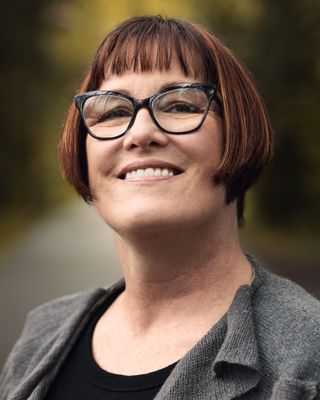
A group for teens to learn to regulate feelings, improve relationships, increase skillfulness with hard things and be more present and aware. Parents are expected to attend parent night reviews to support family learning and practice of DBT skills. Stay with your DBT therapist or work with ours. Meets weekly on Wednesdays, 6 month commitment required.
This group is a safe space for neurodivergent (adhd/autism/highly sensitive) women* to discuss the challenges of navigating neurodiversity in a neurotypical world, share resources, and learn new skills. There is healing power in peer support and groups can be excellent way to fill in the gaps in care. Some topics to be discussed: relationships, shame, imposter syndrome, work life, and executive functioning. We will be meeting online weekly for 8 weeks, next group is TBD. Up to 8 members. *Including trans women and non-binary femmes

This group is a safe space for neurodivergent (adhd/autism/highly sensitive) women* to discuss the challenges of navigating neurodiversity in a neurotypical world, share resources, and learn new skills. There is healing power in peer support and groups can be excellent way to fill in the gaps in care. Some topics to be discussed: relationships, shame, imposter syndrome, work life, and executive functioning. We will be meeting online weekly for 8 weeks, next group is TBD. Up to 8 members. *Including trans women and non-binary femmes
DVIT Men's Group. Assessment required prior to joining.

Hosted by Steffanee Holt
Clinical Social Work/Therapist, MSW, LICSW
Group meets in University Place, WA 98466
DVIT Men's Group. Assessment required prior to joining.
Did you have a caregiver who was not emotionally responsive, enmeshed, emotionally reactive or abusive? Do you struggle with feeling secure and healthy in your relationships or with self loathing? Healing is possible and it is best done together in community. This is a 12 week series to support Adults who are healing from core emotional wounds as a result of emotionally immature caregivers. We will support each other through processing, narrative, attachment, somatic and intersectional approaches and tools in order to have a healthier relationship with ourselves and others.

Hosted by Erika Nelson (Accepting New Clients)
Clinical Social Work/Therapist, LCSW
Group meets in Seattle, WA 98107
Did you have a caregiver who was not emotionally responsive, enmeshed, emotionally reactive or abusive? Do you struggle with feeling secure and healthy in your relationships or with self loathing? Healing is possible and it is best done together in community. This is a 12 week series to support Adults who are healing from core emotional wounds as a result of emotionally immature caregivers. We will support each other through processing, narrative, attachment, somatic and intersectional approaches and tools in order to have a healthier relationship with ourselves and others.
See more therapy options for Kent


FAQs - About Group Therapy and Support Groups
How can I find a support group in Kent?
To find a support group in your area, start by entering your city, zip code, or the name of the group into the search bar at the top of the page. When searching, consider whether you prefer an in-person or virtual group. This can help you decide how broad your geographic search should be. If you are open to virtual groups, you might want to search by state instead of just your city, especially if there are limited options nearby.
Once you complete your search, you can use the filters to narrow the results by selecting specialties (such as grief, trauma, or eating disorders), therapeutic approaches, age groups, and other criteria to find a group that best fits your needs.
Once you complete your search, you can use the filters to narrow the results by selecting specialties (such as grief, trauma, or eating disorders), therapeutic approaches, age groups, and other criteria to find a group that best fits your needs.
How does group therapy work?
Group therapy is led by one or more trained therapists and provides a space where participants can process their experiences and learn from others facing similar challenges. Groups may focus on a specific issue—such as addiction, grief, physical illnesses, parenting, or caregiving—or they may center around a particular therapeutic approach, such as Cognitive Behavioral Therapy (CBT), social skill development, or Exposure Therapy. Some groups are also designed for specific populations, such as teens, veterans, or LGBTQ+ individuals.
It’s also important to distinguish group therapy from peer-led support groups, like Alcoholics Anonymous. While both can offer valuable support, therapy groups are typically led by licensed professionals and follow a more structured format. Therapy groups often meet for a fixed length of time with a consistent group of members, while many peer support groups meet for an indefinite period of time with members coming and going.
It’s also important to distinguish group therapy from peer-led support groups, like Alcoholics Anonymous. While both can offer valuable support, therapy groups are typically led by licensed professionals and follow a more structured format. Therapy groups often meet for a fixed length of time with a consistent group of members, while many peer support groups meet for an indefinite period of time with members coming and going.
What are the benefits of group therapy?
Group therapy offers several important benefits. It brings together people facing similar challenges—whether related to mental health, physical health, or life transitions—and creates a supportive environment where participants can exchange feedback, share experiences, and learn from one another. Hearing different perspectives can help individuals discover new coping strategies and practical tools they may not have encountered on their own. Sharing personal experiences, such as coping with a serious illness or navigating family struggles, can also reduce feelings of isolation and foster a sense of connection and understanding. In addition to emotional support, group members often gain useful, real-world advice from peers who have faced similar situations.
Group therapy is typically more affordable than individual therapy and, for certain conditions, can be equally effective. Many groups also include structured activities—such as guided journaling, cognitive-behavioral exercises, or role-playing—to help participants develop concrete skills they can apply in daily life.
Group therapy is typically more affordable than individual therapy and, for certain conditions, can be equally effective. Many groups also include structured activities—such as guided journaling, cognitive-behavioral exercises, or role-playing—to help participants develop concrete skills they can apply in daily life.
Is group therapy as effective as individual therapy?
It is difficult to make a blanket statement about the effectiveness of support groups, as they vary widely in focus and the conditions they address. However, support groups can be highly valuable in helping individuals gain emotional support and achieve meaningful treatment outcomes. For certain conditions, such as substance use, research has shown that group therapy can be particularly effective—sometimes just as effective as individual therapy—in supporting long-term recovery.
Many professionals attribute the effectiveness of group therapy to the unique benefits of the group setting, which fosters peer-to-peer learning and a sense of connection through shared experiences. Group settings also offer accountability and encouragement from both facilitators and fellow participants, which helps sustain motivation and supports continued progress. These factors together play a key role in promoting the overall effectiveness of group therapy.
Many professionals attribute the effectiveness of group therapy to the unique benefits of the group setting, which fosters peer-to-peer learning and a sense of connection through shared experiences. Group settings also offer accountability and encouragement from both facilitators and fellow participants, which helps sustain motivation and supports continued progress. These factors together play a key role in promoting the overall effectiveness of group therapy.
How much does group therapy cost?
Group therapy is typically less expensive than individual therapy, with sessions typically costing between $50 and $75 each. In comparison, individual therapy can cost anywhere from $100 to $200 or more per session, even with insurance. Some therapists or organizations offer low-cost or free group therapy options, particularly through community centers or nonprofit organizations. In some cases, groups may require payment upfront for a set number of sessions, such as paying for six weekly sessions at the first meeting. However, many providers offer payment plans to help make participation more accessible if this upfront payment is required.
Does insurance cover group therapy?
As with individual therapy, insurance coverage for group therapy varies based on factors such as your specific insurance plan, the purpose of the group, your diagnosis, and whether the group provider is in-network. Many insurance plans cover group therapy sessions that address diagnosable mental health conditions, such as substance use disorders, anxiety, or depression.
However, groups that focus on topics not directly tied to a mental health diagnosis—such as parenting support or divorce recovery—are less likely to be covered. Because coverage can vary widely, it’s important to check with your insurance provider before joining a group to confirm whether the sessions will be covered and what out-of-pocket costs you may be responsible for.
However, groups that focus on topics not directly tied to a mental health diagnosis—such as parenting support or divorce recovery—are less likely to be covered. Because coverage can vary widely, it’s important to check with your insurance provider before joining a group to confirm whether the sessions will be covered and what out-of-pocket costs you may be responsible for.
How long does group therapy last?
The length of each group therapy session typically ranges from 45 minutes to two hours, depending on the therapy approach, the group’s goals, and how often the group meets. In some cases, group therapy is part of a larger treatment program, such as an Intensive Outpatient Program (IOP), where group sessions complement individual therapy and are scheduled as part of the program’s overall structure.
The duration of participation in a group also varies. Some groups are designed to be short-term, lasting anywhere from 6 to 24 weeks—for example, bereavement groups or skills-based groups like those using Dialectical Behavioral Therapy (DBT). Other groups may be longer-term, lasting a year or more, and some ongoing support groups meet indefinitely, allowing participants to stay as long as they find the group helpful.
The duration of participation in a group also varies. Some groups are designed to be short-term, lasting anywhere from 6 to 24 weeks—for example, bereavement groups or skills-based groups like those using Dialectical Behavioral Therapy (DBT). Other groups may be longer-term, lasting a year or more, and some ongoing support groups meet indefinitely, allowing participants to stay as long as they find the group helpful.
What are the limitations of support groups?
Support groups offer many benefits, but they also have certain limitations. Unlike therapy groups, many support groups do not provide formal therapeutic treatment and are not led by licensed mental health professionals. For individuals seeking clinical treatment for specific mental health diagnoses—such as depression, eating disorders, or substance use—individual therapy or group therapy led by a licensed professional may offer more personalized and specialized care.
The effectiveness of a support group also depends heavily on the group’s participants and the overall group dynamic. When members engage respectfully and offer constructive support, the group can foster valuable peer-to-peer learning. However, if certain participants dominate discussions, provide inaccurate advice, or create conflict, it can disrupt the group’s sense of safety and reduce its effectiveness. Confidentiality can also be harder to maintain in support groups, particularly in open groups where participants can join or leave at any time. With new members regularly entering the group, it can be more difficult to build and sustain a consistent sense of trust and privacy.
The effectiveness of a support group also depends heavily on the group’s participants and the overall group dynamic. When members engage respectfully and offer constructive support, the group can foster valuable peer-to-peer learning. However, if certain participants dominate discussions, provide inaccurate advice, or create conflict, it can disrupt the group’s sense of safety and reduce its effectiveness. Confidentiality can also be harder to maintain in support groups, particularly in open groups where participants can join or leave at any time. With new members regularly entering the group, it can be more difficult to build and sustain a consistent sense of trust and privacy.