Support Groups in Ruckersville, VA
Where Emotional Struggles Meet Real Solutions. Join our comprehensive Dialectical Behavior Therapy (DBT) skills group, held virtually from the comfort of your own home and billable through insurance. This group follows the full DBT model, adapted to a 1-hour format for accessibility. It is led by a DBT-trained clinician with extensive experience teaching the Marsha Linehan model. Ideal for those seeking structured, evidence-based outcomes. Participants will be given practical, evidence-based skills to manage emotions, improve relationships, and reduce impulsive behaviors. Group restarts June 16th. Open Enrollment.
Where Emotional Struggles Meet Real Solutions. Join our comprehensive Dialectical Behavior Therapy (DBT) skills group, held virtually from the comfort of your own home and billable through insurance. This group follows the full DBT model, adapted to a 1-hour format for accessibility. It is led by a DBT-trained clinician with extensive experience teaching the Marsha Linehan model. Ideal for those seeking structured, evidence-based outcomes. Participants will be given practical, evidence-based skills to manage emotions, improve relationships, and reduce impulsive behaviors. Group restarts June 16th. Open Enrollment.
Are you highly self-controlled, perfectionistic, or struggle to connect emotionally with others? Our Radically Open Dialectical Behavior Therapy (RO-DBT) group is designed to help individuals who experience chronic overcontrol—often seen in anxiety, depression, anorexia, OCD, and autism spectrum traits. This evidence-based group focuses on building openness, emotional expression, and social connectedness. Led by a trained RO-DBT provider, sessions teach core skills such as flexible responding, self-enquiry, and authentic communication. Held virtually and billable through insurance, this group offers a supportive space to challenge rigid patterns and begin to build meaningful connections.
Are you highly self-controlled, perfectionistic, or struggle to connect emotionally with others? Our Radically Open Dialectical Behavior Therapy (RO-DBT) group is designed to help individuals who experience chronic overcontrol—often seen in anxiety, depression, anorexia, OCD, and autism spectrum traits. This evidence-based group focuses on building openness, emotional expression, and social connectedness. Led by a trained RO-DBT provider, sessions teach core skills such as flexible responding, self-enquiry, and authentic communication. Held virtually and billable through insurance, this group offers a supportive space to challenge rigid patterns and begin to build meaningful connections.
More Groups Nearby
This therapist-led, closed group is for adults who have lost someone to suicide and are seeking a space to process their grief with others who understand. Suicide loss often brings complex emotions, including guilt, anger, and confusion. This group offers a supportive, nonjudgmental space to share your experience, explore what feels unspoken, and feel less alone. This is a processing-focused group, not psychoeducational. Participants are invited to share at their own pace within a safe, structured environment. This group is best suited for individuals not in immediate crisis and able to engage together. Starting 6/2/26

Hosted by Michelle Shifflett
Clinical Social Work/Therapist, LCSW
Group meets in Charlottesville, VA 22902
This therapist-led, closed group is for adults who have lost someone to suicide and are seeking a space to process their grief with others who understand. Suicide loss often brings complex emotions, including guilt, anger, and confusion. This group offers a supportive, nonjudgmental space to share your experience, explore what feels unspoken, and feel less alone. This is a processing-focused group, not psychoeducational. Participants are invited to share at their own pace within a safe, structured environment. This group is best suited for individuals not in immediate crisis and able to engage together. Starting 6/2/26
Are you a teenager struggling with negative thoughts about your body? Join us for an 8-week supportive group where you'll connect with other teens, talk openly about body image, and learn ways to build a healthier relationship with your body.
Are you a teenager struggling with negative thoughts about your body? Join us for an 8-week supportive group where you'll connect with other teens, talk openly about body image, and learn ways to build a healthier relationship with your body.
Cville Family Therapy
Hosted by James Edmund Czywczynski
Licensed Professional Counselor, LPC
Group meets in Charlottesville, VA 22911
Cville Family Therapy
Nourishment for the Mind is a 6-week virtual integrative group designed to explore the connection between mental health and nutrition. Participants will learn how food, movement, emotional awareness, and daily habits can support overall well-being. Each session focuses on practical topics such as motivation for change, healthier eating basics, reading nutrition labels, meal planning, mindful choices, emotional eating, stress management, self-care, and exercise for mood. This group provides a supportive space to build insight, develop realistic strategies, and create sustainable lifestyle changes. Led by Gianna Giuoco, LPC, CIMHP, the program is offered virtually through secure Google Meets.
Hosted by Hope & Harmony Online Counseling
Licensed Professional Counselor, LPC
Group meets in Culpeper, VA 22701
Nourishment for the Mind is a 6-week virtual integrative group designed to explore the connection between mental health and nutrition. Participants will learn how food, movement, emotional awareness, and daily habits can support overall well-being. Each session focuses on practical topics such as motivation for change, healthier eating basics, reading nutrition labels, meal planning, mindful choices, emotional eating, stress management, self-care, and exercise for mood. This group provides a supportive space to build insight, develop realistic strategies, and create sustainable lifestyle changes. Led by Gianna Giuoco, LPC, CIMHP, the program is offered virtually through secure Google Meets.
Regulate & Restore is a 8-week group for adults wanting to better understand their nervous system and feel more grounded in daily life. Together, we’ll explore what overwhelm, shutdown, and activation look like in your body while learning practical tools to help you return to steadier states. Each session weaves in trauma-informed skills, compassionate guidance, and space for reflection—so you can build a personalized regulation plan that truly fits you. A brief intake call is required to ensure the group feels like a comfortable and supportive match.
Hosted by Michelle Shifflett
Clinical Social Work/Therapist, LCSW
Group meets in Charlottesville, VA 22902
Regulate & Restore is a 8-week group for adults wanting to better understand their nervous system and feel more grounded in daily life. Together, we’ll explore what overwhelm, shutdown, and activation look like in your body while learning practical tools to help you return to steadier states. Each session weaves in trauma-informed skills, compassionate guidance, and space for reflection—so you can build a personalized regulation plan that truly fits you. A brief intake call is required to ensure the group feels like a comfortable and supportive match.
Groups focus on skills and strategies to improve focus, attention, communication skills and social interactions. Meetings occur weekly and continue throughout the year. Group members are welcome to attend for as long as needed. This group meets from 6:00 to 6:45 pm on Thursday evenings.
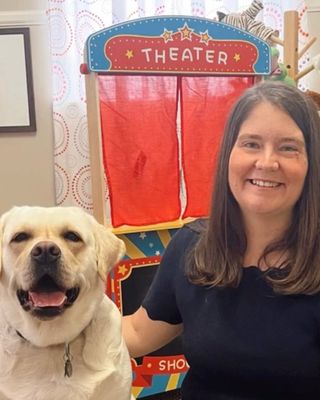
Hosted by Kris Marowski
Licensed Professional Counselor, LPC, ACS, RPT-S™, CAAPT®, CCMHC
Group meets in Culpeper, VA 22701
Groups focus on skills and strategies to improve focus, attention, communication skills and social interactions. Meetings occur weekly and continue throughout the year. Group members are welcome to attend for as long as needed. This group meets from 6:00 to 6:45 pm on Thursday evenings.
This Process Group begins with a check-in and a guided meditation. If a client asks for "group time" the focus shifts to this issue and support and feedback are given by the group and therapist. If no client issues are pressing, an educational, coping or skill building topic is introduced and discussed. This Group is part of Orchard Mountain's Intensive Outpatient Program (IOP).

Hosted by David L. Allen
Licensed Professional Counselor, LPC, NCC
Group meets in Charlottesville, VA 22901
This Process Group begins with a check-in and a guided meditation. If a client asks for "group time" the focus shifts to this issue and support and feedback are given by the group and therapist. If no client issues are pressing, an educational, coping or skill building topic is introduced and discussed. This Group is part of Orchard Mountain's Intensive Outpatient Program (IOP).
Boys in the 4th-6th grade and 6th-8th grade learn how to play cooperatively in group child-centered play therapy sessions. Building healthy leadership skills and making decisions as a group is a focus during sessions.

Hosted by Adam D Williams
Licensed Professional Counselor, MS, LPC, RPT-S
Group meets in Charlottesville, VA 22901
Boys in the 4th-6th grade and 6th-8th grade learn how to play cooperatively in group child-centered play therapy sessions. Building healthy leadership skills and making decisions as a group is a focus during sessions.
The Relational Space group will foster an environment where you can connect in meaningful ways and gain exposure to new perspectives with yourself and others. This group is for you if you are looking to improve your relationship with others, Maybe you feel lonely or lacking connections with those you're close love ones. You may be successful in professional settings and yet feel dissatisfied in relationships. Group will be twelve weeks long starting on September 10th. VIRTUAL GROUP. Group size is limited to 6 people. All individuals over age of 20 are welcomed.

Hosted by Melissa K Hinton
Licensed Professional Counselor, MA, LPC
Group meets in Harrisonburg, VA 22801
The Relational Space group will foster an environment where you can connect in meaningful ways and gain exposure to new perspectives with yourself and others. This group is for you if you are looking to improve your relationship with others, Maybe you feel lonely or lacking connections with those you're close love ones. You may be successful in professional settings and yet feel dissatisfied in relationships. Group will be twelve weeks long starting on September 10th. VIRTUAL GROUP. Group size is limited to 6 people. All individuals over age of 20 are welcomed.
For men of all ages, this group focuses on developing skills to help when you become emotionally overwhelmed You will learn simple techniques to help you act from the peaceful place within you. Whether it's the family you grew up in, your wife, friends or the guy who just cut you off in traffic, you'll learn that you are never separated from a quiet wisdom which can solve the problem at hand.

Hosted by Robert C Rannigan
Licensed Professional Counselor, MEd, LPC
Group meets in Charlottesville, VA 22901
For men of all ages, this group focuses on developing skills to help when you become emotionally overwhelmed You will learn simple techniques to help you act from the peaceful place within you. Whether it's the family you grew up in, your wife, friends or the guy who just cut you off in traffic, you'll learn that you are never separated from a quiet wisdom which can solve the problem at hand.
**In-person and virtual support group - Wednesdays Sept.9 - Nov. 11, 2026 - attend from anywhere!** Have you ever felt like all or part of your identity was unwelcome by your belief system? Did you lose your place in religious or spiritual community for asking too many questions? Looking for space to explore, deconstruct, and potentially reconstruct your beliefs? This group will help you better understand the intersections of religion, power and control, self-esteem, grief/loss, bodies, sexuality, gender, and help you feel empowered to make your own decisions.

Hosted by Jackie Street Rose
Clinical Social Work/Therapist, LCSW
Group meets in Charlottesville, VA 22911
**In-person and virtual support group - Wednesdays Sept.9 - Nov. 11, 2026 - attend from anywhere!** Have you ever felt like all or part of your identity was unwelcome by your belief system? Did you lose your place in religious or spiritual community for asking too many questions? Looking for space to explore, deconstruct, and potentially reconstruct your beliefs? This group will help you better understand the intersections of religion, power and control, self-esteem, grief/loss, bodies, sexuality, gender, and help you feel empowered to make your own decisions.
Prepare Enrich Pre-Marital and Marital Assessments in Charlottesville, Zion Crossroads, and Richmond.
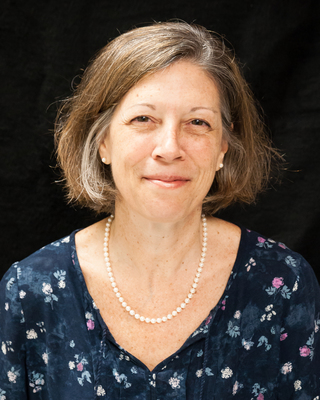
Hosted by Angela Denise Lucia
Licensed Professional Counselor, MA, LPC
Group meets in Charlottesville, VA 22911
Prepare Enrich Pre-Marital and Marital Assessments in Charlottesville, Zion Crossroads, and Richmond.
The Mindful Meditation Workshop is a re-occurring series with a different mindfulness topic and activity every week. At Aurora, you will learn different strategies for stress reduction and relaxation, and why these exercises are scientifically supported to improve wellness. Topics include breath work, guided imagery, drumming, body scans, and more.

Hosted by Laura Anne Copley
Licensed Professional Counselor, PhD, LPC, CTS
Group meets in Harrisonburg, VA 22801
The Mindful Meditation Workshop is a re-occurring series with a different mindfulness topic and activity every week. At Aurora, you will learn different strategies for stress reduction and relaxation, and why these exercises are scientifically supported to improve wellness. Topics include breath work, guided imagery, drumming, body scans, and more.
Cville Family Therapy is a locally rooted practice dedicated to supporting individuals and families in Charlottesville, Virginia. We understand the unique needs of our community and take pride in providing thoughtful, collaborative care. Our clinicians prioritize building strong relationships with clients while working together to help you reach your goals. We integrate evidence-based practices with a warm, approachable style so you and your family feel heard, respected, and supported. Our flexible, down-to-earth approach makes therapy practical and effective, without the rigidity of outdated models.
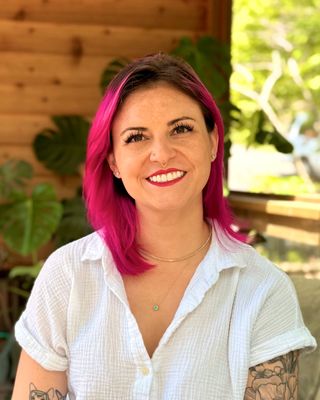
Hosted by Alexandra Werntz Czywczynski
Psychologist, PhD, LCP
Group meets in Charlottesville, VA 22911
Cville Family Therapy is a locally rooted practice dedicated to supporting individuals and families in Charlottesville, Virginia. We understand the unique needs of our community and take pride in providing thoughtful, collaborative care. Our clinicians prioritize building strong relationships with clients while working together to help you reach your goals. We integrate evidence-based practices with a warm, approachable style so you and your family feel heard, respected, and supported. Our flexible, down-to-earth approach makes therapy practical and effective, without the rigidity of outdated models.
This group explores navigating the complexities of midlife while leaning into the wisdom and strength that experience brings. We will utilize a speciality journal as well as an "intentional life by design" template
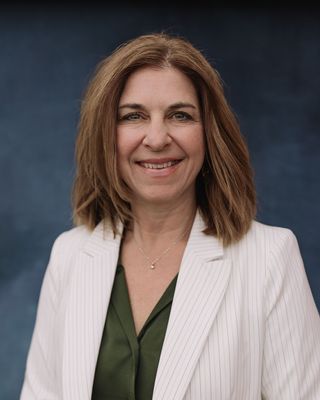
Hosted by Dr. Michele L Kielty
Licensed Professional Counselor, PhD, LPC
Group meets in Charlottesville, VA 22902
This group explores navigating the complexities of midlife while leaning into the wisdom and strength that experience brings. We will utilize a speciality journal as well as an "intentional life by design" template
This group is for individuals with a chronic illness seeking support and tools to assist with increasing connection, meaning, and quality of life. It is a safe space to explore your experience with chronic illness and connect with others on the same journey. $20.00 per session
This group is for individuals with a chronic illness seeking support and tools to assist with increasing connection, meaning, and quality of life. It is a safe space to explore your experience with chronic illness and connect with others on the same journey. $20.00 per session
The nexus of spiritual, mental and physical health is the key to finding that life balance so many of us are looking for. The journey begins with growing trust. It is a great joy is to assist others to traverse life's difficult transitions with grace. If you seek relief from depression, anxiety, and painful relationship patterns, parenting issues, separation, divorce, job loss, or grief, then reach out to get started. See website for more details: cmcville.com
Hosted by Diana C. Brawley
Clinical Social Work/Therapist, LCSW, ACSW, MDiv, ThM, MSW
Group meets in Charlottesville, VA 22903
The nexus of spiritual, mental and physical health is the key to finding that life balance so many of us are looking for. The journey begins with growing trust. It is a great joy is to assist others to traverse life's difficult transitions with grace. If you seek relief from depression, anxiety, and painful relationship patterns, parenting issues, separation, divorce, job loss, or grief, then reach out to get started. See website for more details: cmcville.com
So what exactly is an Interpersonal Processing Group? In short, interpersonal groups are a powerful outlet for people to learn more about themselves and their relationships with others. At Aurora, a safe and engaging environment will help you explore your emotions and learn how to attune to the feelings of others. Over time, you will begin to understand your identity and relationship patterns better, and develop new skills to improve the quality of your relationships. This group will focus on overcoming toxic relationships and rebuilding a happy, healthy life.
Hosted by Laura Anne Copley
Licensed Professional Counselor, PhD, LPC, CTS
Group meets in Harrisonburg, VA 22801
So what exactly is an Interpersonal Processing Group? In short, interpersonal groups are a powerful outlet for people to learn more about themselves and their relationships with others. At Aurora, a safe and engaging environment will help you explore your emotions and learn how to attune to the feelings of others. Over time, you will begin to understand your identity and relationship patterns better, and develop new skills to improve the quality of your relationships. This group will focus on overcoming toxic relationships and rebuilding a happy, healthy life.
See more therapy options for Ruckersville


Nearby Searches for Ruckersville
See More Support Groups FAQs - About Group Therapy and Support Groups
How can I find a support group in Ruckersville?
To find a support group in your area, start by entering your city, zip code, or the name of the group into the search bar at the top of the page. When searching, consider whether you prefer an in-person or virtual group. This can help you decide how broad your geographic search should be. If you are open to virtual groups, you might want to search by state instead of just your city, especially if there are limited options nearby.
Once you complete your search, you can use the filters to narrow the results by selecting specialties (such as grief, trauma, or eating disorders), therapeutic approaches, age groups, and other criteria to find a group that best fits your needs.
How does group therapy work?
Group therapy is led by one or more trained therapists and provides a space where participants can process their experiences and learn from others facing similar challenges. Groups may focus on a specific issue—such as addiction, grief, physical illnesses, parenting, or caregiving—or they may center around a particular therapeutic approach, such as Cognitive Behavioral Therapy (CBT), social skill development, or Exposure Therapy. Some groups are also designed for specific populations, such as teens, veterans, or LGBTQ+ individuals.
It’s also important to distinguish group therapy from peer-led support groups, like Alcoholics Anonymous. While both can offer valuable support, therapy groups are typically led by licensed professionals and follow a more structured format. Therapy groups often meet for a fixed length of time with a consistent group of members, while many peer support groups meet for an indefinite period of time with members coming and going.
What are the benefits of group therapy?
Group therapy offers several important benefits. It brings together people facing similar challenges—whether related to mental health, physical health, or life transitions—and creates a supportive environment where participants can exchange feedback, share experiences, and learn from one another. Hearing different perspectives can help individuals discover new coping strategies and practical tools they may not have encountered on their own. Sharing personal experiences, such as coping with a serious illness or navigating family struggles, can also reduce feelings of isolation and foster a sense of connection and understanding. In addition to emotional support, group members often gain useful, real-world advice from peers who have faced similar situations.
Group therapy is typically more affordable than individual therapy and, for certain conditions, can be equally effective. Many groups also include structured activities—such as guided journaling, cognitive-behavioral exercises, or role-playing—to help participants develop concrete skills they can apply in daily life.
Is group therapy as effective as individual therapy?
It is difficult to make a blanket statement about the effectiveness of support groups, as they vary widely in focus and the conditions they address. However, support groups can be highly valuable in helping individuals gain emotional support and achieve meaningful treatment outcomes. For certain conditions, such as substance use, research has shown that group therapy can be particularly effective—sometimes just as effective as individual therapy—in supporting long-term recovery.
Many professionals attribute the effectiveness of group therapy to the unique benefits of the group setting, which fosters peer-to-peer learning and a sense of connection through shared experiences. Group settings also offer accountability and encouragement from both facilitators and fellow participants, which helps sustain motivation and supports continued progress. These factors together play a key role in promoting the overall effectiveness of group therapy.
How much does group therapy cost?
Group therapy is typically less expensive than individual therapy, with sessions typically costing between $50 and $75 each. In comparison, individual therapy can cost anywhere from $100 to $200 or more per session, even with insurance. Some therapists or organizations offer low-cost or free group therapy options, particularly through community centers or nonprofit organizations. In some cases, groups may require payment upfront for a set number of sessions, such as paying for six weekly sessions at the first meeting. However, many providers offer payment plans to help make participation more accessible if this upfront payment is required.
Does insurance cover group therapy?
As with individual therapy, insurance coverage for group therapy varies based on factors such as your specific insurance plan, the purpose of the group, your diagnosis, and whether the group provider is in-network. Many insurance plans cover group therapy sessions that address diagnosable mental health conditions, such as substance use disorders, anxiety, or depression.
However, groups that focus on topics not directly tied to a mental health diagnosis—such as parenting support or divorce recovery—are less likely to be covered. Because coverage can vary widely, it’s important to check with your insurance provider before joining a group to confirm whether the sessions will be covered and what out-of-pocket costs you may be responsible for.
How long does group therapy last?
The length of each group therapy session typically ranges from 45 minutes to two hours, depending on the therapy approach, the group’s goals, and how often the group meets. In some cases, group therapy is part of a larger treatment program, such as an Intensive Outpatient Program (IOP), where group sessions complement individual therapy and are scheduled as part of the program’s overall structure.
The duration of participation in a group also varies. Some groups are designed to be short-term, lasting anywhere from 6 to 24 weeks—for example, bereavement groups or skills-based groups like those using Dialectical Behavioral Therapy (DBT). Other groups may be longer-term, lasting a year or more, and some ongoing support groups meet indefinitely, allowing participants to stay as long as they find the group helpful.
What are the limitations of support groups?
Support groups offer many benefits, but they also have certain limitations. Unlike therapy groups, many support groups do not provide formal therapeutic treatment and are not led by licensed mental health professionals. For individuals seeking clinical treatment for specific mental health diagnoses—such as depression, eating disorders, or substance use—individual therapy or group therapy led by a licensed professional may offer more personalized and specialized care.
The effectiveness of a support group also depends heavily on the group’s participants and the overall group dynamic. When members engage respectfully and offer constructive support, the group can foster valuable peer-to-peer learning. However, if certain participants dominate discussions, provide inaccurate advice, or create conflict, it can disrupt the group’s sense of safety and reduce its effectiveness. Confidentiality can also be harder to maintain in support groups, particularly in open groups where participants can join or leave at any time. With new members regularly entering the group, it can be more difficult to build and sustain a consistent sense of trust and privacy.