Support Groups in Bon Air, VA
Dialectical Behavior Therapy Skills Group

Dialectical Behavior Therapy Skills Group
Guided practices and group process to transform the root of craving and suffering, connect with community, and deepen your recovery. Although addiction takes so much from our lives, the process of recovery - inviting courage, compassion, present moment attunement, and the right kind of supports - offers great potential for personal transformation, including deep healing of past wounding, and a deeper sense of who you are, and what your purpose is in this world. The group will explore the deeper waters of addiction and recovery. All addictions welcome (e.g. substances, food, sex, thought, technology, gambling, relationships, spending).

Guided practices and group process to transform the root of craving and suffering, connect with community, and deepen your recovery. Although addiction takes so much from our lives, the process of recovery - inviting courage, compassion, present moment attunement, and the right kind of supports - offers great potential for personal transformation, including deep healing of past wounding, and a deeper sense of who you are, and what your purpose is in this world. The group will explore the deeper waters of addiction and recovery. All addictions welcome (e.g. substances, food, sex, thought, technology, gambling, relationships, spending).

Hosted by Brian Mcclinton
Marriage & Family Therapist, MS, LPC, LMFT
Group meets in Bon Air, VA 23235
More Groups Nearby
Offering clinical consultation and supportive guidance for newly licensed providers and/or clinicians in solo practice, with support for case conceptualization, ethical decision-making, and professional growth. Please feel free to reach out for more information.

Hosted by Heather D. Cole
Licensed Professional Counselor, MEd, LPC-S
Group meets in Richmond, VA 23230
Offering clinical consultation and supportive guidance for newly licensed providers and/or clinicians in solo practice, with support for case conceptualization, ethical decision-making, and professional growth. Please feel free to reach out for more information.
Our goal is to help individuals create meaningful changes in their lives that allow them to feel present, fulfilled, and emotionally balanced. We help clients become more aware of their thoughts and emotions and to learn how to manage them in a way that creates a sense of peace and freedom. We work collaboratively with clients to help them discover what is truly meaningful in their lives and empower them to take action and make change. We strive to be fully present and focus on establishing a connection through warmth and openness in order to foster a healing environment.

Our goal is to help individuals create meaningful changes in their lives that allow them to feel present, fulfilled, and emotionally balanced. We help clients become more aware of their thoughts and emotions and to learn how to manage them in a way that creates a sense of peace and freedom. We work collaboratively with clients to help them discover what is truly meaningful in their lives and empower them to take action and make change. We strive to be fully present and focus on establishing a connection through warmth and openness in order to foster a healing environment.
Most couples know what they'd like to do differently. Doing it in the moment is the hard part. In Adventuring Party, you and your partner build characters who adventure together and the table becomes a place to practice being the kind of partner you're working toward being, with a therapist right there helping you notice what's working. Eight weeks, online, Monday evenings. No tabletop experience needed; willingness to play is the only requirement. Every couple meets with me first, together and individually, to be sure the group is a good fit.
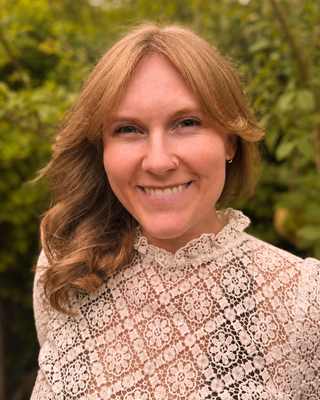
Hosted by Ashton Nicewonger Hadj-Alouane
Resident in Counseling, MEd
Group meets in Richmond, VA 23220
Most couples know what they'd like to do differently. Doing it in the moment is the hard part. In Adventuring Party, you and your partner build characters who adventure together and the table becomes a place to practice being the kind of partner you're working toward being, with a therapist right there helping you notice what's working. Eight weeks, online, Monday evenings. No tabletop experience needed; willingness to play is the only requirement. Every couple meets with me first, together and individually, to be sure the group is a good fit.
Grow Therapy makes accessing therapy easier. Therapy costs are a primary concern with more and more providers not accepting insurance. Grow partners with health plans to deliver exceptional behavioral healthcare. With Grow, you find qualified practitioners that also accept insurance.

Grow Therapy makes accessing therapy easier. Therapy costs are a primary concern with more and more providers not accepting insurance. Grow partners with health plans to deliver exceptional behavioral healthcare. With Grow, you find qualified practitioners that also accept insurance.
Help adolescents & teenagers understand their feelings of grief &/or loss, recognize the signs & stages of it, and know its ok to embrace it.

Hosted by Center of Hope, Wholeness & Recovery, LLC
Pastoral Counselor, PhD, CPC
Group meets in North Chesterfield, VA 23235
Help adolescents & teenagers understand their feelings of grief &/or loss, recognize the signs & stages of it, and know its ok to embrace it.
Individual and Group Supervision: Are you a social work supervisee looking for a supportive and insightful LCSW supervisor in the state of Virginia? PORTAL’s 1-1 and group supervision opportunities provide a collaborative space to grow professionally, reflect on your practice, and gain valuable guidance from an experienced supervisor. Self-care as a lifestyle. Opportunities to learn from peers in a structured setting. In-person and virtual opportunities to participate. Individual: $100/hour Group: $50/group hour

Individual and Group Supervision: Are you a social work supervisee looking for a supportive and insightful LCSW supervisor in the state of Virginia? PORTAL’s 1-1 and group supervision opportunities provide a collaborative space to grow professionally, reflect on your practice, and gain valuable guidance from an experienced supervisor. Self-care as a lifestyle. Opportunities to learn from peers in a structured setting. In-person and virtual opportunities to participate. Individual: $100/hour Group: $50/group hour
This group is for women who may be further along in their healing journey, who have implemented affect regulation skills, and who feel comfortable exploring creative expression. With an emphasis on post-traumatic growth, participants will be able to explore music, movement, and improvisation as part of finding one's voice. Both therapist are EMDR trained with years of experience in using EMDR to treat trauma, and this group will include elements of EMDR interventions.

This group is for women who may be further along in their healing journey, who have implemented affect regulation skills, and who feel comfortable exploring creative expression. With an emphasis on post-traumatic growth, participants will be able to explore music, movement, and improvisation as part of finding one's voice. Both therapist are EMDR trained with years of experience in using EMDR to treat trauma, and this group will include elements of EMDR interventions.
An 8-week virtual support group designed for women of color who are seeking connection, healing, and empowerment. Sessions are 60 minutes each week and blend psychoeducation, reflection, somatic grounding, and group discussion. Guided by a trauma-informed, culturally responsive therapist, Roots & Rising helps participants explore identity, boundaries, generational patterns, and self-compassion in a supportive community of women who truly understand.

Hosted by Saffron Integrative Therapy
Clinical Social Work/Therapist, LLC
Group meets in Richmond, VA 23229
An 8-week virtual support group designed for women of color who are seeking connection, healing, and empowerment. Sessions are 60 minutes each week and blend psychoeducation, reflection, somatic grounding, and group discussion. Guided by a trauma-informed, culturally responsive therapist, Roots & Rising helps participants explore identity, boundaries, generational patterns, and self-compassion in a supportive community of women who truly understand.
DBH is an iIndependent private practice located in Richmond, Va. Dominion Behavioral Health's licensed providers offer mental health therapy to children, adolescents and adults. We have a team of psychiatrists and psychiatric nurses that specialize in psychiatric evaluation, TMS therapy, and medication management.
DBH is an iIndependent private practice located in Richmond, Va. Dominion Behavioral Health's licensed providers offer mental health therapy to children, adolescents and adults. We have a team of psychiatrists and psychiatric nurses that specialize in psychiatric evaluation, TMS therapy, and medication management.
This group is for you if you've ever... -Felt like you are too “late in life” coming out - Encountered rejection, suspicion, or biphobia from the queer community - Experienced religious, family, or relational pressure to “perform heterosexuality” - Felt like you don’t fit neatly into existing definitions of queerness. We will provide a safe and supportive connection opportunity for folks who feel on the edges of queer spaces or have felt rejected by the community for not being queer enough or being perceived as “sexual tourists”. Virtual Wednesdays, in person Thursdays in Richmond,

This group is for you if you've ever... -Felt like you are too “late in life” coming out - Encountered rejection, suspicion, or biphobia from the queer community - Experienced religious, family, or relational pressure to “perform heterosexuality” - Felt like you don’t fit neatly into existing definitions of queerness. We will provide a safe and supportive connection opportunity for folks who feel on the edges of queer spaces or have felt rejected by the community for not being queer enough or being perceived as “sexual tourists”. Virtual Wednesdays, in person Thursdays in Richmond,
This 6-week group is designed to help children learn and practice a variety of mindfulness skills to help them increase their focus, gain self-awareness, manage overwhelming thoughts and emotions, and learn to calm down while becoming more present. We will incorporate creative activities that will foster connection and acceptance. Mindfulness is a powerful way for kids to develop a healthy connection to themselves and the world around them.
Hosted by Nidhi Tewari
Clinical Social Work/Therapist, MSW, LCSW
Group meets in Mechanicsville, VA 23116
This 6-week group is designed to help children learn and practice a variety of mindfulness skills to help them increase their focus, gain self-awareness, manage overwhelming thoughts and emotions, and learn to calm down while becoming more present. We will incorporate creative activities that will foster connection and acceptance. Mindfulness is a powerful way for kids to develop a healthy connection to themselves and the world around them.
Dialectical Behavior Therapy addresses and treats extreme emotional intensity & behaviors. It is a combination between traditional cognitive behavioral therapy & eastern philosophy. That eastern philosophy is meditation, self-acceptance, & walking the middle path. It is blended with cognitive behavior therapy concepts, such as looking at how one’s thinking impacts their emotional experience, environment, & behaviors. It helps individuals learn how to find balance between acceptance & maintaining a strong commitment to change and improve overall quality of life & relationships. The group provides a platform for individuals to learn & practice skills for mindfulness, emotion regulation, distress tolerance, walking the middle path, & interpersonal effectiveness.

Hosted by Lighthouse Behavioral Health Center, LLC
Licensed Professional Counselor, LPC
Group meets in Richmond, VA 23235
Dialectical Behavior Therapy addresses and treats extreme emotional intensity & behaviors. It is a combination between traditional cognitive behavioral therapy & eastern philosophy. That eastern philosophy is meditation, self-acceptance, & walking the middle path. It is blended with cognitive behavior therapy concepts, such as looking at how one’s thinking impacts their emotional experience, environment, & behaviors. It helps individuals learn how to find balance between acceptance & maintaining a strong commitment to change and improve overall quality of life & relationships. The group provides a platform for individuals to learn & practice skills for mindfulness, emotion regulation, distress tolerance, walking the middle path, & interpersonal effectiveness.
A year-long journey of monthly Brainspotting experiences to release what holds you back and realign with your best self. You should sign up if you… Feel like you’re always “too much” or carrying too much. Need a space to release what your body has been holding. Want clarity, grounding, and inner alignment each month. Are craving a deeper reconnection with your best, truest self. Are ready to accelerate your healing in a gentle, nervous-system–supportive way. THIS IS A VIRTUAL GROUP

A year-long journey of monthly Brainspotting experiences to release what holds you back and realign with your best self. You should sign up if you… Feel like you’re always “too much” or carrying too much. Need a space to release what your body has been holding. Want clarity, grounding, and inner alignment each month. Are craving a deeper reconnection with your best, truest self. Are ready to accelerate your healing in a gentle, nervous-system–supportive way. THIS IS A VIRTUAL GROUP
Anger Management Groups are offered in a supportive, structured virtual setting for adults who want to better understand and manage their anger. This 10-week program focuses on identifying triggers, improving emotional regulation, developing healthier responses to stress, and strengthening communication skills. Groups are facilitated by a internationally certified anger management therapist and provide practical tools that can be applied in everyday situations. The program is appropriate for individuals seeking personal growth as well as those court-ordered or probation-referred to attend. A certificate of completion is provided upon successful participation. Contact for more information about upcoming groups.

Hosted by Heather Hensley
Clinical Social Work/Therapist, MSW, LCSW
Group meets in Midlothian, VA 23112
Anger Management Groups are offered in a supportive, structured virtual setting for adults who want to better understand and manage their anger. This 10-week program focuses on identifying triggers, improving emotional regulation, developing healthier responses to stress, and strengthening communication skills. Groups are facilitated by a internationally certified anger management therapist and provide practical tools that can be applied in everyday situations. The program is appropriate for individuals seeking personal growth as well as those court-ordered or probation-referred to attend. A certificate of completion is provided upon successful participation. Contact for more information about upcoming groups.
Meeting for clergy women to share and create community centered on wholeness and personal development. For more information, please call VIPCare or write VIPCare's Executive Director, Douglas M. Thorpe, at dthorpe@vipcare.org
Hosted by Virginia Institute of Pastoral Care (VIPCare)
Licensed Professional Counselor, PhD, DMin, MSW, LCSW, LPC
Group meets in Richmond, VA 23226
Meeting for clergy women to share and create community centered on wholeness and personal development. For more information, please call VIPCare or write VIPCare's Executive Director, Douglas M. Thorpe, at dthorpe@vipcare.org
This group was born from years of working with women therapeutically 1:1 who struggle with self-criticism, shame, and inner conflicts about showing up for themselves the way they show up for others. We will be exploring the duality of self compassion. The Yin and the Yang sides. The soft nurturing side of the practice, and its counterpart, the yang side, that encourages us to stand up and act on our behalf. Visit www.compassioncollectiverva.com for all the details. Looking forward to seeing you in group ! (Group will meet in person, and begins September 17th, limited 12 participants)

Hosted by Caitlin Shiflett
Clinical Social Work/Therapist, LCSW, PRYT
Group meets in Richmond, VA 23220
This group was born from years of working with women therapeutically 1:1 who struggle with self-criticism, shame, and inner conflicts about showing up for themselves the way they show up for others. We will be exploring the duality of self compassion. The Yin and the Yang sides. The soft nurturing side of the practice, and its counterpart, the yang side, that encourages us to stand up and act on our behalf. Visit www.compassioncollectiverva.com for all the details. Looking forward to seeing you in group ! (Group will meet in person, and begins September 17th, limited 12 participants)
Heedful Resolutions Behavioral Health Services, LLC offers a nurturing space for transformative healing and self-discovery, welcoming children, adolescents, adults, and the LGBTIA+ community. Our team provides tailored therapies, including CBT, DBT, and EMDR, fostering deep personal connections for growth. We embrace an integrative approach, addressing holistic well-being in a supportive, respectful environment. Committed to empowering individuals through life's challenges, Heedful Resolutions is your partner in pursuing mental health, personal development, and a balanced life. Join us on a journey of understanding, growth, and lasting change

Hosted by Heedful Resolutions Behavioral Health Services
Clinical Social Work/Therapist, LCSW
Group meets in Ashland, VA 23005
Heedful Resolutions Behavioral Health Services, LLC offers a nurturing space for transformative healing and self-discovery, welcoming children, adolescents, adults, and the LGBTIA+ community. Our team provides tailored therapies, including CBT, DBT, and EMDR, fostering deep personal connections for growth. We embrace an integrative approach, addressing holistic well-being in a supportive, respectful environment. Committed to empowering individuals through life's challenges, Heedful Resolutions is your partner in pursuing mental health, personal development, and a balanced life. Join us on a journey of understanding, growth, and lasting change
See more therapy options for Bon Air


FAQs - About Group Therapy and Support Groups
How can I find a support group in Bon Air?
To find a support group in your area, start by entering your city, zip code, or the name of the group into the search bar at the top of the page. When searching, consider whether you prefer an in-person or virtual group. This can help you decide how broad your geographic search should be. If you are open to virtual groups, you might want to search by state instead of just your city, especially if there are limited options nearby.
Once you complete your search, you can use the filters to narrow the results by selecting specialties (such as grief, trauma, or eating disorders), therapeutic approaches, age groups, and other criteria to find a group that best fits your needs.
Once you complete your search, you can use the filters to narrow the results by selecting specialties (such as grief, trauma, or eating disorders), therapeutic approaches, age groups, and other criteria to find a group that best fits your needs.
How does group therapy work?
Group therapy is led by one or more trained therapists and provides a space where participants can process their experiences and learn from others facing similar challenges. Groups may focus on a specific issue—such as addiction, grief, physical illnesses, parenting, or caregiving—or they may center around a particular therapeutic approach, such as Cognitive Behavioral Therapy (CBT), social skill development, or Exposure Therapy. Some groups are also designed for specific populations, such as teens, veterans, or LGBTQ+ individuals.
It’s also important to distinguish group therapy from peer-led support groups, like Alcoholics Anonymous. While both can offer valuable support, therapy groups are typically led by licensed professionals and follow a more structured format. Therapy groups often meet for a fixed length of time with a consistent group of members, while many peer support groups meet for an indefinite period of time with members coming and going.
It’s also important to distinguish group therapy from peer-led support groups, like Alcoholics Anonymous. While both can offer valuable support, therapy groups are typically led by licensed professionals and follow a more structured format. Therapy groups often meet for a fixed length of time with a consistent group of members, while many peer support groups meet for an indefinite period of time with members coming and going.
What are the benefits of group therapy?
Group therapy offers several important benefits. It brings together people facing similar challenges—whether related to mental health, physical health, or life transitions—and creates a supportive environment where participants can exchange feedback, share experiences, and learn from one another. Hearing different perspectives can help individuals discover new coping strategies and practical tools they may not have encountered on their own. Sharing personal experiences, such as coping with a serious illness or navigating family struggles, can also reduce feelings of isolation and foster a sense of connection and understanding. In addition to emotional support, group members often gain useful, real-world advice from peers who have faced similar situations.
Group therapy is typically more affordable than individual therapy and, for certain conditions, can be equally effective. Many groups also include structured activities—such as guided journaling, cognitive-behavioral exercises, or role-playing—to help participants develop concrete skills they can apply in daily life.
Group therapy is typically more affordable than individual therapy and, for certain conditions, can be equally effective. Many groups also include structured activities—such as guided journaling, cognitive-behavioral exercises, or role-playing—to help participants develop concrete skills they can apply in daily life.
Is group therapy as effective as individual therapy?
It is difficult to make a blanket statement about the effectiveness of support groups, as they vary widely in focus and the conditions they address. However, support groups can be highly valuable in helping individuals gain emotional support and achieve meaningful treatment outcomes. For certain conditions, such as substance use, research has shown that group therapy can be particularly effective—sometimes just as effective as individual therapy—in supporting long-term recovery.
Many professionals attribute the effectiveness of group therapy to the unique benefits of the group setting, which fosters peer-to-peer learning and a sense of connection through shared experiences. Group settings also offer accountability and encouragement from both facilitators and fellow participants, which helps sustain motivation and supports continued progress. These factors together play a key role in promoting the overall effectiveness of group therapy.
Many professionals attribute the effectiveness of group therapy to the unique benefits of the group setting, which fosters peer-to-peer learning and a sense of connection through shared experiences. Group settings also offer accountability and encouragement from both facilitators and fellow participants, which helps sustain motivation and supports continued progress. These factors together play a key role in promoting the overall effectiveness of group therapy.
How much does group therapy cost?
Group therapy is typically less expensive than individual therapy, with sessions typically costing between $50 and $75 each. In comparison, individual therapy can cost anywhere from $100 to $200 or more per session, even with insurance. Some therapists or organizations offer low-cost or free group therapy options, particularly through community centers or nonprofit organizations. In some cases, groups may require payment upfront for a set number of sessions, such as paying for six weekly sessions at the first meeting. However, many providers offer payment plans to help make participation more accessible if this upfront payment is required.
Does insurance cover group therapy?
As with individual therapy, insurance coverage for group therapy varies based on factors such as your specific insurance plan, the purpose of the group, your diagnosis, and whether the group provider is in-network. Many insurance plans cover group therapy sessions that address diagnosable mental health conditions, such as substance use disorders, anxiety, or depression.
However, groups that focus on topics not directly tied to a mental health diagnosis—such as parenting support or divorce recovery—are less likely to be covered. Because coverage can vary widely, it’s important to check with your insurance provider before joining a group to confirm whether the sessions will be covered and what out-of-pocket costs you may be responsible for.
However, groups that focus on topics not directly tied to a mental health diagnosis—such as parenting support or divorce recovery—are less likely to be covered. Because coverage can vary widely, it’s important to check with your insurance provider before joining a group to confirm whether the sessions will be covered and what out-of-pocket costs you may be responsible for.
How long does group therapy last?
The length of each group therapy session typically ranges from 45 minutes to two hours, depending on the therapy approach, the group’s goals, and how often the group meets. In some cases, group therapy is part of a larger treatment program, such as an Intensive Outpatient Program (IOP), where group sessions complement individual therapy and are scheduled as part of the program’s overall structure.
The duration of participation in a group also varies. Some groups are designed to be short-term, lasting anywhere from 6 to 24 weeks—for example, bereavement groups or skills-based groups like those using Dialectical Behavioral Therapy (DBT). Other groups may be longer-term, lasting a year or more, and some ongoing support groups meet indefinitely, allowing participants to stay as long as they find the group helpful.
The duration of participation in a group also varies. Some groups are designed to be short-term, lasting anywhere from 6 to 24 weeks—for example, bereavement groups or skills-based groups like those using Dialectical Behavioral Therapy (DBT). Other groups may be longer-term, lasting a year or more, and some ongoing support groups meet indefinitely, allowing participants to stay as long as they find the group helpful.
What are the limitations of support groups?
Support groups offer many benefits, but they also have certain limitations. Unlike therapy groups, many support groups do not provide formal therapeutic treatment and are not led by licensed mental health professionals. For individuals seeking clinical treatment for specific mental health diagnoses—such as depression, eating disorders, or substance use—individual therapy or group therapy led by a licensed professional may offer more personalized and specialized care.
The effectiveness of a support group also depends heavily on the group’s participants and the overall group dynamic. When members engage respectfully and offer constructive support, the group can foster valuable peer-to-peer learning. However, if certain participants dominate discussions, provide inaccurate advice, or create conflict, it can disrupt the group’s sense of safety and reduce its effectiveness. Confidentiality can also be harder to maintain in support groups, particularly in open groups where participants can join or leave at any time. With new members regularly entering the group, it can be more difficult to build and sustain a consistent sense of trust and privacy.
The effectiveness of a support group also depends heavily on the group’s participants and the overall group dynamic. When members engage respectfully and offer constructive support, the group can foster valuable peer-to-peer learning. However, if certain participants dominate discussions, provide inaccurate advice, or create conflict, it can disrupt the group’s sense of safety and reduce its effectiveness. Confidentiality can also be harder to maintain in support groups, particularly in open groups where participants can join or leave at any time. With new members regularly entering the group, it can be more difficult to build and sustain a consistent sense of trust and privacy.