Support Groups in Salt Lake County, UT
Intensive outpatient program focused on the treatment of new mothers struggling with postpartum mental health issues.

Intensive outpatient program focused on the treatment of new mothers struggling with postpartum mental health issues.
This group offers men a grounded, experiential path to healing through psychodrama, somatic experiencing, and embodied connection. Instead of talking about trauma, we work with how it lives in the body—through movement, role exploration, and nervous?system regulation. Men learn to release stored survival energy, express emotions safely, and reconnect with strength, clarity, and purpose. This is a supportive space to break isolation, challenge old patterns, and practice new ways of relating. You don’t need the right words—just a willingness to show up, breathe, and take the next step toward yourself.
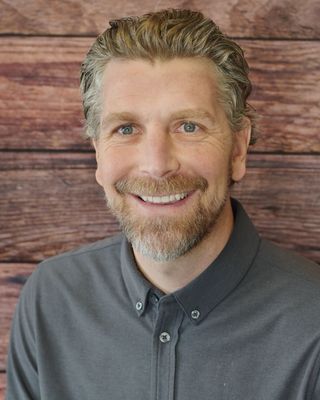
This group offers men a grounded, experiential path to healing through psychodrama, somatic experiencing, and embodied connection. Instead of talking about trauma, we work with how it lives in the body—through movement, role exploration, and nervous?system regulation. Men learn to release stored survival energy, express emotions safely, and reconnect with strength, clarity, and purpose. This is a supportive space to break isolation, challenge old patterns, and practice new ways of relating. You don’t need the right words—just a willingness to show up, breathe, and take the next step toward yourself.
*Skills-Training Groups are currently being offered via electronic platform! Now offering DBT skills groups in accordance with the evidence-based model. DBT is backed by a significant body of research and is proven to be effective in reducing emotional dysregulation and reactivity. Groups include skills training in: Mindfulness, Distress Tolerance, Interpersonal Effectiveness, and Emotion Regulation. Comprehensive DBT services are also available-- including weekly individual therapy, participation in skills group, telephone coaching, and therapist consultation team. Contact me today to enroll!

Hosted by Victoria Choate
Clinical Social Work/Therapist, LCSW , MSW
Group meets in Salt Lake City, UT 84105
*Skills-Training Groups are currently being offered via electronic platform! Now offering DBT skills groups in accordance with the evidence-based model. DBT is backed by a significant body of research and is proven to be effective in reducing emotional dysregulation and reactivity. Groups include skills training in: Mindfulness, Distress Tolerance, Interpersonal Effectiveness, and Emotion Regulation. Comprehensive DBT services are also available-- including weekly individual therapy, participation in skills group, telephone coaching, and therapist consultation team. Contact me today to enroll!
A Support Group for Female-Identifying and Non-Binary Adults Impacted by Childhood Sexual Abuse. Have you experienced childhood sexual abuse and found yourself carrying the weight of it into adulthood? You’re not alone—and you don’t have to carry it alone anymore! Join other adult women who understand what it’s like to live with the lasting impact of childhood sexual trauma in a space rooted in compassion, safety, and support.

A Support Group for Female-Identifying and Non-Binary Adults Impacted by Childhood Sexual Abuse. Have you experienced childhood sexual abuse and found yourself carrying the weight of it into adulthood? You’re not alone—and you don’t have to carry it alone anymore! Join other adult women who understand what it’s like to live with the lasting impact of childhood sexual trauma in a space rooted in compassion, safety, and support.
How Does a Faith Transition Affect You? Let Natasha be your Post Faith Transition Resource. Join Natasha in person or online on the 1st Wednesday of each month for a free faith transition support group. In-Person: 7:30-9 PM MT @ 2040 E Murray Holladay Rd. Ste 103C Holladay, UT 84117 On-Line: 8-9 PM MT Via ZOOM: https://us02web.zoom.us/j/87473771844 Meeting ID: 87473771844

How Does a Faith Transition Affect You? Let Natasha be your Post Faith Transition Resource. Join Natasha in person or online on the 1st Wednesday of each month for a free faith transition support group. In-Person: 7:30-9 PM MT @ 2040 E Murray Holladay Rd. Ste 103C Holladay, UT 84117 On-Line: 8-9 PM MT Via ZOOM: https://us02web.zoom.us/j/87473771844 Meeting ID: 87473771844
Change happens one small shift at a time. It’s not an all-or-nothing program. It’s an opportunity to take what you need, when you need it — or even come back to it later. We’re navigating away from talking about self-care as a complete solution, and equipping you with another way to support yourself. While each workshop in the series may feel more applicable to you based on your journey, the content in each workshop is meant to be applicable no matter where you are in your life. Learn more: https://forwardhealing.co/the-shift

Hosted by Forward Healing Therapy
Clinical Social Work/Therapist, MSW, LCSW, Founder
Group meets in Murray, UT 84121
Change happens one small shift at a time. It’s not an all-or-nothing program. It’s an opportunity to take what you need, when you need it — or even come back to it later. We’re navigating away from talking about self-care as a complete solution, and equipping you with another way to support yourself. While each workshop in the series may feel more applicable to you based on your journey, the content in each workshop is meant to be applicable no matter where you are in your life. Learn more: https://forwardhealing.co/the-shift
Navigating What's Next is an 8-week group for emerging adults (ages 16–26) navigating college, career, and life transitions. Whether you're choosing a major, preparing for college, graduating and searching for your first job, or feeling uncertain about your future, this group is designed to help. Together, we'll explore career direction, manage anxiety and overthinking, and build the confidence to take meaningful next steps. Through guided discussions, practical exercises, and peer support, participants will gain greater clarity, resilience, and actionable strategies for navigating the future with confidence rather than fear. This group starts on August 2026

Hosted by Drew Melebeck
Pre-Licensed Professional, ACHMC, EdS, CHT
Group meets in Taylorsville, UT 84123
Navigating What's Next is an 8-week group for emerging adults (ages 16–26) navigating college, career, and life transitions. Whether you're choosing a major, preparing for college, graduating and searching for your first job, or feeling uncertain about your future, this group is designed to help. Together, we'll explore career direction, manage anxiety and overthinking, and build the confidence to take meaningful next steps. Through guided discussions, practical exercises, and peer support, participants will gain greater clarity, resilience, and actionable strategies for navigating the future with confidence rather than fear. This group starts on August 2026
How to build relationships and communicate effectively.

How to build relationships and communicate effectively.
Our supportive weekly process group is designed for women ready to connect, heal, and grow together. Here, you can be real about your problems and receive genuine support that actually makes a difference. Connect with others facing struggles while gaining practical tools. Feel support only group therapy can provide as you receive compassion and perspectives from multiple women witnessing your journey. Group combines peer support with educational components to help you build resilience and create positive change. Led by a LMFT with 15yrs of group experience, this weekly telehealth session offers an economical therapy option in a safe, confidential environment.

Hosted by Faith Kershisnik
Marriage & Family Therapist, LMFT
Group meets in Salt Lake City, UT 84105
Our supportive weekly process group is designed for women ready to connect, heal, and grow together. Here, you can be real about your problems and receive genuine support that actually makes a difference. Connect with others facing struggles while gaining practical tools. Feel support only group therapy can provide as you receive compassion and perspectives from multiple women witnessing your journey. Group combines peer support with educational components to help you build resilience and create positive change. Led by a LMFT with 15yrs of group experience, this weekly telehealth session offers an economical therapy option in a safe, confidential environment.
This 8-week Mindfulness-Based Cognitive Therapy (MBCT) group is an evidence-based program designed to help individuals struggling with depression and anxiety develop a healthier relationship with their thoughts, emotions, and stress. Rather than trying to “fix” or eliminate difficult feelings, MBCT teaches practical mindfulness and cognitive skills to help you notice patterns early, respond with greater awareness, and reduce emotional reactivity. This is an open group; it is recommended to attend all classes. Starting March 6th to April 24th, 2026. Group is free, please call 801-277-2129 to register. Space is limited

This 8-week Mindfulness-Based Cognitive Therapy (MBCT) group is an evidence-based program designed to help individuals struggling with depression and anxiety develop a healthier relationship with their thoughts, emotions, and stress. Rather than trying to “fix” or eliminate difficult feelings, MBCT teaches practical mindfulness and cognitive skills to help you notice patterns early, respond with greater awareness, and reduce emotional reactivity. This is an open group; it is recommended to attend all classes. Starting March 6th to April 24th, 2026. Group is free, please call 801-277-2129 to register. Space is limited
We are a group of passionate therapists focused on deep and meaningful therapeutic experiences. We have a variety of specialties (including Trauma, Anxiety, Depression, Life Transition, Narcissistic Personality Disorder, etc.). We practice from a variety of modalities (EMDR, Psychodynamic, ACT, DBT, Humanistic, and Feminist Multicultural).

We are a group of passionate therapists focused on deep and meaningful therapeutic experiences. We have a variety of specialties (including Trauma, Anxiety, Depression, Life Transition, Narcissistic Personality Disorder, etc.). We practice from a variety of modalities (EMDR, Psychodynamic, ACT, DBT, Humanistic, and Feminist Multicultural).
Wellspace Utah is currently accepting new clients for our evidence-based DBT groups. DBT is backed by a significant body of research and is proven to be effective in reducing emotional dysregulation and reactivity. Groups include skills training in: Mindfulness, Distress Tolerance, Interpersonal Effectiveness, and Emotion Regulation. Comprehensive DBT services are also available-- including weekly individual therapy, participation in skills group, telephone coaching, and therapist consultation team. Contact me today to enroll!

Hosted by Janelle Spink
Clinical Social Work/Therapist, LCSW
Group meets in Salt Lake City, UT 84102
Wellspace Utah is currently accepting new clients for our evidence-based DBT groups. DBT is backed by a significant body of research and is proven to be effective in reducing emotional dysregulation and reactivity. Groups include skills training in: Mindfulness, Distress Tolerance, Interpersonal Effectiveness, and Emotion Regulation. Comprehensive DBT services are also available-- including weekly individual therapy, participation in skills group, telephone coaching, and therapist consultation team. Contact me today to enroll!
This is an open group that explores life past the eating disorder. Topics will rotate and will be taught from different therapeutic frameworks per the therapist’s specialty or focus (IE experiential therapy, art therapy, multicultural, LGBTQ+, etc.)

Hosted by Center for Change - Cottonwood Heights
Treatment Center, LCMHC
Group meets in Cottonwood Heights, UT 84121
This is an open group that explores life past the eating disorder. Topics will rotate and will be taught from different therapeutic frameworks per the therapist’s specialty or focus (IE experiential therapy, art therapy, multicultural, LGBTQ+, etc.)
The therapists at Lighthouse Counseling Services act as a beacon to help you navigate your life challenges. We want to help you to reach your goals.
The therapists at Lighthouse Counseling Services act as a beacon to help you navigate your life challenges. We want to help you to reach your goals.
This group will provide you with the skills and confidence to address the challenges of raising a teenager. You will discover what behaviors are normal for a teen and what behaviors you need to be concerned about and how to address them so that your teen stays on the right track and your family life stays intact.

This group will provide you with the skills and confidence to address the challenges of raising a teenager. You will discover what behaviors are normal for a teen and what behaviors you need to be concerned about and how to address them so that your teen stays on the right track and your family life stays intact.
Happiness 101 is technically a class, not a group and it is FREE. Happiness 101 is designed to be uplifting. Participants can expect to have fun, learn HOW to be happy by breaking unhappy habits and meet like-minded people. Studies have proven over and over that people often make choices that lead them further away from Happiness. The material taught in this class is based on scientific research. Learn what will REALLY make you Happy. Each class is unique. For recorded information, call 877-476-6338

Happiness 101 is technically a class, not a group and it is FREE. Happiness 101 is designed to be uplifting. Participants can expect to have fun, learn HOW to be happy by breaking unhappy habits and meet like-minded people. Studies have proven over and over that people often make choices that lead them further away from Happiness. The material taught in this class is based on scientific research. Learn what will REALLY make you Happy. Each class is unique. For recorded information, call 877-476-6338
This is an on-going group that is open to men looking for the support of a community. We are located downtown Salt Lake City. Meetings are in the evenings at 7 oclock but days shift according to schedules. The group is about identifiying the masks we wear in society, becoming aware of the how we live in societal expectations of providing and performing, and learning to find safety in group of men to break free from these expectations and develop a deaper understanding of ourselves based in emotionality, discernement, and authenticity.
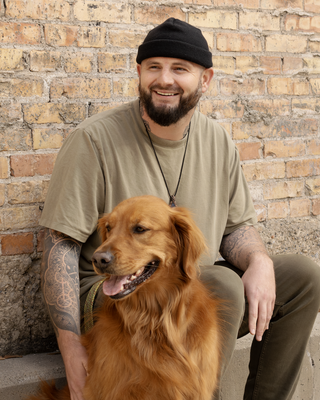
Hosted by Ripple Counseling and Consultation PLLC
Counselor, CMHC, NCC, MEd
Group meets in Salt Lake City, UT 84111
This is an on-going group that is open to men looking for the support of a community. We are located downtown Salt Lake City. Meetings are in the evenings at 7 oclock but days shift according to schedules. The group is about identifiying the masks we wear in society, becoming aware of the how we live in societal expectations of providing and performing, and learning to find safety in group of men to break free from these expectations and develop a deaper understanding of ourselves based in emotionality, discernement, and authenticity.
This group is a supportive, confidential space for men and male-presenting people to talk honestly about life, stress, relationships, and mental health. There’s no pressure to have everything figured out or to show up a certain way — just real conversation, mutual respect, and shared support. We welcome diverse experiences of masculinity and aim to create a space where listening, connection, and personal growth can happen at your own pace.

This group is a supportive, confidential space for men and male-presenting people to talk honestly about life, stress, relationships, and mental health. There’s no pressure to have everything figured out or to show up a certain way — just real conversation, mutual respect, and shared support. We welcome diverse experiences of masculinity and aim to create a space where listening, connection, and personal growth can happen at your own pace.
We focus on helping women pursue their happiness and achieve felicity. What is felicity? Felicity is great happiness. It is what we will help you soar toward. Why women? Menstruation. Pregnancy. Breastfeeding. Menopause. Women have unique health care needs, including mental health care. We provide specialized care for women during the reproductive years and through menopause. We offer comprehensive psychiatric evaluations, consultations, and follow-up appointments for women.

Hosted by Dr. Allyce K Jones
Psychiatric Nurse Practitioner, DNP, PMHNPBC, APRN, MSCP, PMH-C
Group meets in Draper, UT 84020
We focus on helping women pursue their happiness and achieve felicity. What is felicity? Felicity is great happiness. It is what we will help you soar toward. Why women? Menstruation. Pregnancy. Breastfeeding. Menopause. Women have unique health care needs, including mental health care. We provide specialized care for women during the reproductive years and through menopause. We offer comprehensive psychiatric evaluations, consultations, and follow-up appointments for women.
It is often difficult to talk about postpartum mental health. It is not a time that friends and family members would expect to see you sad. It's hard to say what you feel inside when what you are feeling doesn't seem to match your circumstances. You are not alone. Did you know 1 in 7 women suffers from depression, anxiety, or other disorders following pregnancy. Support groups are an effective way to help women heal and find the happiness they were looking forward to with the birth of a baby.

Hosted by Reach Counseling
Clinical Social Work/Therapist, LCSW
Group meets in South Jordan, UT 84095
It is often difficult to talk about postpartum mental health. It is not a time that friends and family members would expect to see you sad. It's hard to say what you feel inside when what you are feeling doesn't seem to match your circumstances. You are not alone. Did you know 1 in 7 women suffers from depression, anxiety, or other disorders following pregnancy. Support groups are an effective way to help women heal and find the happiness they were looking forward to with the birth of a baby.
See more therapy options for Salt Lake County


FAQs - About Group Therapy and Support Groups
How can I find a support group in Salt Lake County?
To find a support group in your area, start by entering your city, zip code, or the name of the group into the search bar at the top of the page. When searching, consider whether you prefer an in-person or virtual group. This can help you decide how broad your geographic search should be. If you are open to virtual groups, you might want to search by state instead of just your city, especially if there are limited options nearby.
Once you complete your search, you can use the filters to narrow the results by selecting specialties (such as grief, trauma, or eating disorders), therapeutic approaches, age groups, and other criteria to find a group that best fits your needs.
How does group therapy work?
Group therapy is led by one or more trained therapists and provides a space where participants can process their experiences and learn from others facing similar challenges. Groups may focus on a specific issue—such as addiction, grief, physical illnesses, parenting, or caregiving—or they may center around a particular therapeutic approach, such as Cognitive Behavioral Therapy (CBT), social skill development, or Exposure Therapy. Some groups are also designed for specific populations, such as teens, veterans, or LGBTQ+ individuals.
It’s also important to distinguish group therapy from peer-led support groups, like Alcoholics Anonymous. While both can offer valuable support, therapy groups are typically led by licensed professionals and follow a more structured format. Therapy groups often meet for a fixed length of time with a consistent group of members, while many peer support groups meet for an indefinite period of time with members coming and going.
What are the benefits of group therapy?
Group therapy offers several important benefits. It brings together people facing similar challenges—whether related to mental health, physical health, or life transitions—and creates a supportive environment where participants can exchange feedback, share experiences, and learn from one another. Hearing different perspectives can help individuals discover new coping strategies and practical tools they may not have encountered on their own. Sharing personal experiences, such as coping with a serious illness or navigating family struggles, can also reduce feelings of isolation and foster a sense of connection and understanding. In addition to emotional support, group members often gain useful, real-world advice from peers who have faced similar situations.
Group therapy is typically more affordable than individual therapy and, for certain conditions, can be equally effective. Many groups also include structured activities—such as guided journaling, cognitive-behavioral exercises, or role-playing—to help participants develop concrete skills they can apply in daily life.
Is group therapy as effective as individual therapy?
It is difficult to make a blanket statement about the effectiveness of support groups, as they vary widely in focus and the conditions they address. However, support groups can be highly valuable in helping individuals gain emotional support and achieve meaningful treatment outcomes. For certain conditions, such as substance use, research has shown that group therapy can be particularly effective—sometimes just as effective as individual therapy—in supporting long-term recovery.
Many professionals attribute the effectiveness of group therapy to the unique benefits of the group setting, which fosters peer-to-peer learning and a sense of connection through shared experiences. Group settings also offer accountability and encouragement from both facilitators and fellow participants, which helps sustain motivation and supports continued progress. These factors together play a key role in promoting the overall effectiveness of group therapy.
How much does group therapy cost?
Group therapy is typically less expensive than individual therapy, with sessions typically costing between $50 and $75 each. In comparison, individual therapy can cost anywhere from $100 to $200 or more per session, even with insurance. Some therapists or organizations offer low-cost or free group therapy options, particularly through community centers or nonprofit organizations. In some cases, groups may require payment upfront for a set number of sessions, such as paying for six weekly sessions at the first meeting. However, many providers offer payment plans to help make participation more accessible if this upfront payment is required.
Does insurance cover group therapy?
As with individual therapy, insurance coverage for group therapy varies based on factors such as your specific insurance plan, the purpose of the group, your diagnosis, and whether the group provider is in-network. Many insurance plans cover group therapy sessions that address diagnosable mental health conditions, such as substance use disorders, anxiety, or depression.
However, groups that focus on topics not directly tied to a mental health diagnosis—such as parenting support or divorce recovery—are less likely to be covered. Because coverage can vary widely, it’s important to check with your insurance provider before joining a group to confirm whether the sessions will be covered and what out-of-pocket costs you may be responsible for.
How long does group therapy last?
The length of each group therapy session typically ranges from 45 minutes to two hours, depending on the therapy approach, the group’s goals, and how often the group meets. In some cases, group therapy is part of a larger treatment program, such as an Intensive Outpatient Program (IOP), where group sessions complement individual therapy and are scheduled as part of the program’s overall structure.
The duration of participation in a group also varies. Some groups are designed to be short-term, lasting anywhere from 6 to 24 weeks—for example, bereavement groups or skills-based groups like those using Dialectical Behavioral Therapy (DBT). Other groups may be longer-term, lasting a year or more, and some ongoing support groups meet indefinitely, allowing participants to stay as long as they find the group helpful.
What are the limitations of support groups?
Support groups offer many benefits, but they also have certain limitations. Unlike therapy groups, many support groups do not provide formal therapeutic treatment and are not led by licensed mental health professionals. For individuals seeking clinical treatment for specific mental health diagnoses—such as depression, eating disorders, or substance use—individual therapy or group therapy led by a licensed professional may offer more personalized and specialized care.
The effectiveness of a support group also depends heavily on the group’s participants and the overall group dynamic. When members engage respectfully and offer constructive support, the group can foster valuable peer-to-peer learning. However, if certain participants dominate discussions, provide inaccurate advice, or create conflict, it can disrupt the group’s sense of safety and reduce its effectiveness. Confidentiality can also be harder to maintain in support groups, particularly in open groups where participants can join or leave at any time. With new members regularly entering the group, it can be more difficult to build and sustain a consistent sense of trust and privacy.