Support Groups in Lakeway, TX
**The Intimacy Gap** is a virtual psychoeducational and process group for individuals experiencing challenges with desire, affection, emotional connection, or sexual intimacy in their relationships. Many people find themselves feeling rejected, disconnected, pressured, lonely, or unsure how to talk about intimacy without conflict. This group offers a supportive space to better understand relationship dynamics, explore patterns that impact intimacy, and learn practical tools for communication and connection. Through guided discussion, education, and reflection, participants will gain insight, reduce isolation, and develop a clearer path toward more fulfilling and connected relationships.

**The Intimacy Gap** is a virtual psychoeducational and process group for individuals experiencing challenges with desire, affection, emotional connection, or sexual intimacy in their relationships. Many people find themselves feeling rejected, disconnected, pressured, lonely, or unsure how to talk about intimacy without conflict. This group offers a supportive space to better understand relationship dynamics, explore patterns that impact intimacy, and learn practical tools for communication and connection. Through guided discussion, education, and reflection, participants will gain insight, reduce isolation, and develop a clearer path toward more fulfilling and connected relationships.
Lakeway Psychiatry and Behavioral Health is offering crash course adolescent process groups for the next weeks to help optimize your child/adolescent's mental health needs, coping skills, social skills, and any other mental health struggles that they may be experiencing.

Lakeway Psychiatry and Behavioral Health is offering crash course adolescent process groups for the next weeks to help optimize your child/adolescent's mental health needs, coping skills, social skills, and any other mental health struggles that they may be experiencing.
Four week group for ages 11-15 Learn manageable tools and strategies that can help you cope better and feel less depressed and anxious. Group Topics include: Changing negative thoughts; Learning to cope with stressors; Increasing self-confidence and resilience; Learning mindfulness and relaxation strategies. Feel free to email me at cristinacastrophd@gmail.com for more information or to add your name to the group list. Phone screenings will take place once the start date is set.

Four week group for ages 11-15 Learn manageable tools and strategies that can help you cope better and feel less depressed and anxious. Group Topics include: Changing negative thoughts; Learning to cope with stressors; Increasing self-confidence and resilience; Learning mindfulness and relaxation strategies. Feel free to email me at cristinacastrophd@gmail.com for more information or to add your name to the group list. Phone screenings will take place once the start date is set.
More Groups Nearby
Weekly support for women navigating relationships, burnout, identity shifts, anxiety, grief, and the complicated reality of being human. There’s something powerful about sitting in a room and realizing you are not the only one carrying what you carry. This weekly women’s therapy group is designed to be a supportive, grounded space where women can process life in real time — honestly, openly, and without needing to perform wellness. Whether you’re feeling emotionally exhausted, disconnected in relationships, overwhelmed by life transitions, or simply tired of trying to hold everything together alone, group therapy can offer both support and change.

Weekly support for women navigating relationships, burnout, identity shifts, anxiety, grief, and the complicated reality of being human. There’s something powerful about sitting in a room and realizing you are not the only one carrying what you carry. This weekly women’s therapy group is designed to be a supportive, grounded space where women can process life in real time — honestly, openly, and without needing to perform wellness. Whether you’re feeling emotionally exhausted, disconnected in relationships, overwhelmed by life transitions, or simply tired of trying to hold everything together alone, group therapy can offer both support and change.
Dialectical Behavior Therapy is an evidence based therapy that has been found to be effective across a wide range of issues and behaviors. DBT helps people learn to manage intense emotions and decrease impulsive behaviors. DBT has been shown to be helpful with emotion regulation, decreasing anger and anxiety, increasing feelings of happiness, as well as with self-harm, anger outbursts, suicide thoughts or attempts, difficulty with interpersonal effectiveness, & substance use. Groups are each 90 minutes with options of either Sundays 10-11:30am, Sundays 1pm-2:30pm & Mondays 5pm-6:30pm.

Hosted by Rachel Burgreen, LCSW-S & Co
Clinical Social Work/Therapist, LCSW-S
Group meets in Austin, TX 78731
Dialectical Behavior Therapy is an evidence based therapy that has been found to be effective across a wide range of issues and behaviors. DBT helps people learn to manage intense emotions and decrease impulsive behaviors. DBT has been shown to be helpful with emotion regulation, decreasing anger and anxiety, increasing feelings of happiness, as well as with self-harm, anger outbursts, suicide thoughts or attempts, difficulty with interpersonal effectiveness, & substance use. Groups are each 90 minutes with options of either Sundays 10-11:30am, Sundays 1pm-2:30pm & Mondays 5pm-6:30pm.
The goal of this counseling group is to have a supportive place to become educated in research-based information about the trauma that comes with sexual betrayal in all forms. You will also come to understand the nature of sexual addiction/ compulsion. These deeper understandings allow you to view what is happening inside you as reasonable and expected. Often partners say things like “I just thought I was crazy.”

Hosted by Latina M Griffin
Clinical Social Work/Therapist, LCSW, CCPS, CSAT, EMDR, CCTP
Group meets in Round Rock, TX 78664
The goal of this counseling group is to have a supportive place to become educated in research-based information about the trauma that comes with sexual betrayal in all forms. You will also come to understand the nature of sexual addiction/ compulsion. These deeper understandings allow you to view what is happening inside you as reasonable and expected. Often partners say things like “I just thought I was crazy.”
This group is co led with another therapist and is a fun progressive psychoeducational/ process group. We will learn about sex and relationship topics as set by the group. Topics can include adding toys in the bedroom, kink/ 50 shades, open relationships, LGBTQ, std/stis information and problematic behaviors.

Hosted by Respark Therapy & Associates
Marriage & Family Therapist, MA, LPC-S, LMFT-S, CST-S, AASECT
Group meets in Austin, TX 78746
This group is co led with another therapist and is a fun progressive psychoeducational/ process group. We will learn about sex and relationship topics as set by the group. Topics can include adding toys in the bedroom, kink/ 50 shades, open relationships, LGBTQ, std/stis information and problematic behaviors.
Adult therapy group for survivors of childhood trauma who want to explore how their childhood experiences have and continue to impact their life. Together, we will discuss and share about common themes survivors experience. We get curious about things like trust, safety, and intimacy. Along the way we will learn a lot, feel a lot, and find strength in each other. Hopefully we will break the silence and see ourselves in a new light, too. Sessions include grounding and breathing exercises. Guide includes key information and questions, plus companion reflection prompts.

Adult therapy group for survivors of childhood trauma who want to explore how their childhood experiences have and continue to impact their life. Together, we will discuss and share about common themes survivors experience. We get curious about things like trust, safety, and intimacy. Along the way we will learn a lot, feel a lot, and find strength in each other. Hopefully we will break the silence and see ourselves in a new light, too. Sessions include grounding and breathing exercises. Guide includes key information and questions, plus companion reflection prompts.
Being Lab is an experiential growth program for people ready to move beyond people-pleasing, self-doubt, and inherited ways of living. Grounded in Initiatory Psychology, the group helps participants recognize the roles and protective patterns that once created belonging but now limit authenticity, intimacy, and purpose. Through guided exercises, honest reflection, and meaningful group connection, participants develop stronger boundaries, clearer self-trust, and the courage to live from what is genuinely true. This is more than self-improvement—it is an invitation to reclaim the self you learned to leave behind and begin living from your deepest values.

Being Lab is an experiential growth program for people ready to move beyond people-pleasing, self-doubt, and inherited ways of living. Grounded in Initiatory Psychology, the group helps participants recognize the roles and protective patterns that once created belonging but now limit authenticity, intimacy, and purpose. Through guided exercises, honest reflection, and meaningful group connection, participants develop stronger boundaries, clearer self-trust, and the courage to live from what is genuinely true. This is more than self-improvement—it is an invitation to reclaim the self you learned to leave behind and begin living from your deepest values.
Therapy Unlocked is a counseling center where therapists work 7 days a week to meet the needs of people looking for help. Most people can get an appointment within a few days.

Therapy Unlocked is a counseling center where therapists work 7 days a week to meet the needs of people looking for help. Most people can get an appointment within a few days.
This is an ongoing men's group that meets on Tuesday evenings. A participant may start on any Tuesday, as long as there is room in the class. The class is educational and is not usually covered by health insurance. The cost is $480.00 for 12 sessions if you pay in advance, due at the time you begin. Payment is by Zelle, Venmo or credit card (extra fee). If you would like to pay one session at a time the cost is $50.00 per session for as many sessions as you want or need.

This is an ongoing men's group that meets on Tuesday evenings. A participant may start on any Tuesday, as long as there is room in the class. The class is educational and is not usually covered by health insurance. The cost is $480.00 for 12 sessions if you pay in advance, due at the time you begin. Payment is by Zelle, Venmo or credit card (extra fee). If you would like to pay one session at a time the cost is $50.00 per session for as many sessions as you want or need.
Asian American women & non-binary folks are masters of nuance. Used to navigating across cultures, we balance taking up space and invisibility, we balance family & self, we teeter between affirming & ending generational patterns, we work hard. And too often, we’re doing all that in a vacuum. But you were never meant to push through it alone. Join me for an empowering therapy group only for Asian American women and non-binary folks, where we can be ourselves, form authentic bonds, receive support, and feel understood while working toward personal growth. Group is held virtually.

Asian American women & non-binary folks are masters of nuance. Used to navigating across cultures, we balance taking up space and invisibility, we balance family & self, we teeter between affirming & ending generational patterns, we work hard. And too often, we’re doing all that in a vacuum. But you were never meant to push through it alone. Join me for an empowering therapy group only for Asian American women and non-binary folks, where we can be ourselves, form authentic bonds, receive support, and feel understood while working toward personal growth. Group is held virtually.
The workplace is more demanding than ever, and many professionals have little space to process the impact. This group provides a focused space to connect with peers, make sense of experiences, and shift patterns that shape their approach to work and life. It’s not about performance hacks, but honest exploration of what it means to be human at work and how work affects well-being. The group welcomes professionals across industries and roles, from early career through senior leadership. Recent themes include adapting alongside AI, burnout and sustained overload and the impact of layoffs and job transitions.

Hosted by Mary Lynn Marinucci
Clinical Social Work/Therapist, LCSW-S, MBA
Group meets in Austin, TX 78751
The workplace is more demanding than ever, and many professionals have little space to process the impact. This group provides a focused space to connect with peers, make sense of experiences, and shift patterns that shape their approach to work and life. It’s not about performance hacks, but honest exploration of what it means to be human at work and how work affects well-being. The group welcomes professionals across industries and roles, from early career through senior leadership. Recent themes include adapting alongside AI, burnout and sustained overload and the impact of layoffs and job transitions.
This is a group for those who have uncovered secrets in the family tree later in life, such as through DNA tests such as Ancestry.com or 23andMe and have discovered any shocking news about their lineage. These experiences may include finding out they were donor conceived, adopted, or surprising news about affairs resulting in half siblings and other bio family they never knew about. I hope to bring a tremendous amount of support to individuals navigating these challenges.

Hosted by Morgan Grace
Clinical Social Work/Therapist, LCSW-S, LCDC, CCTP, EMDR, TCYM
Group meets in Austin, TX 78701
This is a group for those who have uncovered secrets in the family tree later in life, such as through DNA tests such as Ancestry.com or 23andMe and have discovered any shocking news about their lineage. These experiences may include finding out they were donor conceived, adopted, or surprising news about affairs resulting in half siblings and other bio family they never knew about. I hope to bring a tremendous amount of support to individuals navigating these challenges.
Heather offers clinical consultation to fully licensed professionals looking to grow their knowledge in general sex therapy issues and alternative relationships and sexuality. This consultation group meets bi-weekly (Monday's, 12:30pm- 2:10pm) to consult on cases, learn sex therapy skills and private practice development. I have a passion for helping entrepreneurs launch their business and this interest flows seamlessly into helping interns run the small business of being in private practice.

Hosted by Respark Therapy & Associates
Marriage & Family Therapist, MA, LPC-S, LMFT-S, CST, AASECT
Group meets in Austin, TX 78746
Heather offers clinical consultation to fully licensed professionals looking to grow their knowledge in general sex therapy issues and alternative relationships and sexuality. This consultation group meets bi-weekly (Monday's, 12:30pm- 2:10pm) to consult on cases, learn sex therapy skills and private practice development. I have a passion for helping entrepreneurs launch their business and this interest flows seamlessly into helping interns run the small business of being in private practice.
Twenty-five percent of people with OCD experience symptoms before age 14. While OCD is very treatable, children with OCD often feel isolated and misunderstood. Austin Anxiety and OCD Specialists is excited to offer a professionally led skills group specifically designed for children with OCD. Group members will gain support from other children who can relate to the unique experience of navigating childhood with OCD while learning important skills to cope with OCD in a fun, supportive environment. This group is for children ages 7-11 and meets in Round Rock and Westlake.

Twenty-five percent of people with OCD experience symptoms before age 14. While OCD is very treatable, children with OCD often feel isolated and misunderstood. Austin Anxiety and OCD Specialists is excited to offer a professionally led skills group specifically designed for children with OCD. Group members will gain support from other children who can relate to the unique experience of navigating childhood with OCD while learning important skills to cope with OCD in a fun, supportive environment. This group is for children ages 7-11 and meets in Round Rock and Westlake.
The more we understand ourselves, the more we can understand others. The more we can understand others, the more we can understand ourselves. This process is not linear, it is circular. Group is the most powerful therapeutic modality to engage this process. I believe we learn more about ourselves in relationships, not in isolation. In relationship with other group members, we experience and gain understanding of the feelings and impulses we naturally defend against in the here and now. Group becomes a microcosm of our everyday life, and embodies how we interact and engage with others, i.e. parents, spouses, peers, and friends.
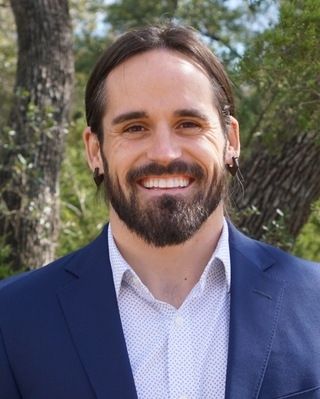
The more we understand ourselves, the more we can understand others. The more we can understand others, the more we can understand ourselves. This process is not linear, it is circular. Group is the most powerful therapeutic modality to engage this process. I believe we learn more about ourselves in relationships, not in isolation. In relationship with other group members, we experience and gain understanding of the feelings and impulses we naturally defend against in the here and now. Group becomes a microcosm of our everyday life, and embodies how we interact and engage with others, i.e. parents, spouses, peers, and friends.
Creative Solutions Behavioral Health, PLLC in Cedar Park, Texas provides compassionate, evidence-based mental health care for children, adolescents, adults, and families. Led by founders with over 20 years of clinical experience, our highly trained psychologists and counselors create a safe, confidential, and supportive environment where clients feel heard and understood. Services include therapy for anxiety, depression, life transitions, and family concerns, as well as psychological testing and evaluations. Offering both in-person and teletherapy options, we are dedicated to helping individuals and families achieve growth, healing, and lasting positive change.

Creative Solutions Behavioral Health, PLLC in Cedar Park, Texas provides compassionate, evidence-based mental health care for children, adolescents, adults, and families. Led by founders with over 20 years of clinical experience, our highly trained psychologists and counselors create a safe, confidential, and supportive environment where clients feel heard and understood. Services include therapy for anxiety, depression, life transitions, and family concerns, as well as psychological testing and evaluations. Offering both in-person and teletherapy options, we are dedicated to helping individuals and families achieve growth, healing, and lasting positive change.
Ongoing, weekly psychotherapy group. Members learn how to be honest with their feelings toward others, and they work to deepen their understanding of themselves and their relationships. This group is co-led with Anna Graybeal, Phd, CGP. In addition to this group, we also lead a weekly group on Wednesdays from 12-1:30pm.

Hosted by Rhea Pledger
Licensed Professional Counselor, MA, LPC, CGP
Group meets in Austin, TX 78731
Ongoing, weekly psychotherapy group. Members learn how to be honest with their feelings toward others, and they work to deepen their understanding of themselves and their relationships. This group is co-led with Anna Graybeal, Phd, CGP. In addition to this group, we also lead a weekly group on Wednesdays from 12-1:30pm.
DBT for codependency recovery group is to support and to empower individuals affected by abuse, neglect, abandonment, enmeshment and other issues that hinder personal growth, relationships and vocational effectiveness. You may or may not have a diagnosis of mental health or substance use disorders, and may experience addiction, neglect, abuse or any type of childhood trauma, acquire social and emotional habits and patterns that no longer work in adulthood. Survival behaviors are such as compulsive caretaking, martyring, scapegoating, controlling, people-pleasing, and approval-seeking. DBT for codependency recovery group meets weekly.

Hosted by Group Therapy Austin
Licensed Professional Counselor, MA, LPC, ST-S, ALST-GT
Group meets in Austin, TX 78759
DBT for codependency recovery group is to support and to empower individuals affected by abuse, neglect, abandonment, enmeshment and other issues that hinder personal growth, relationships and vocational effectiveness. You may or may not have a diagnosis of mental health or substance use disorders, and may experience addiction, neglect, abuse or any type of childhood trauma, acquire social and emotional habits and patterns that no longer work in adulthood. Survival behaviors are such as compulsive caretaking, martyring, scapegoating, controlling, people-pleasing, and approval-seeking. DBT for codependency recovery group meets weekly.
See more therapy options for Lakeway


FAQs - About Group Therapy and Support Groups
How can I find a support group in Lakeway?
To find a support group in your area, start by entering your city, zip code, or the name of the group into the search bar at the top of the page. When searching, consider whether you prefer an in-person or virtual group. This can help you decide how broad your geographic search should be. If you are open to virtual groups, you might want to search by state instead of just your city, especially if there are limited options nearby.
Once you complete your search, you can use the filters to narrow the results by selecting specialties (such as grief, trauma, or eating disorders), therapeutic approaches, age groups, and other criteria to find a group that best fits your needs.
Once you complete your search, you can use the filters to narrow the results by selecting specialties (such as grief, trauma, or eating disorders), therapeutic approaches, age groups, and other criteria to find a group that best fits your needs.
How does group therapy work?
Group therapy is led by one or more trained therapists and provides a space where participants can process their experiences and learn from others facing similar challenges. Groups may focus on a specific issue—such as addiction, grief, physical illnesses, parenting, or caregiving—or they may center around a particular therapeutic approach, such as Cognitive Behavioral Therapy (CBT), social skill development, or Exposure Therapy. Some groups are also designed for specific populations, such as teens, veterans, or LGBTQ+ individuals.
It’s also important to distinguish group therapy from peer-led support groups, like Alcoholics Anonymous. While both can offer valuable support, therapy groups are typically led by licensed professionals and follow a more structured format. Therapy groups often meet for a fixed length of time with a consistent group of members, while many peer support groups meet for an indefinite period of time with members coming and going.
It’s also important to distinguish group therapy from peer-led support groups, like Alcoholics Anonymous. While both can offer valuable support, therapy groups are typically led by licensed professionals and follow a more structured format. Therapy groups often meet for a fixed length of time with a consistent group of members, while many peer support groups meet for an indefinite period of time with members coming and going.
What are the benefits of group therapy?
Group therapy offers several important benefits. It brings together people facing similar challenges—whether related to mental health, physical health, or life transitions—and creates a supportive environment where participants can exchange feedback, share experiences, and learn from one another. Hearing different perspectives can help individuals discover new coping strategies and practical tools they may not have encountered on their own. Sharing personal experiences, such as coping with a serious illness or navigating family struggles, can also reduce feelings of isolation and foster a sense of connection and understanding. In addition to emotional support, group members often gain useful, real-world advice from peers who have faced similar situations.
Group therapy is typically more affordable than individual therapy and, for certain conditions, can be equally effective. Many groups also include structured activities—such as guided journaling, cognitive-behavioral exercises, or role-playing—to help participants develop concrete skills they can apply in daily life.
Group therapy is typically more affordable than individual therapy and, for certain conditions, can be equally effective. Many groups also include structured activities—such as guided journaling, cognitive-behavioral exercises, or role-playing—to help participants develop concrete skills they can apply in daily life.
Is group therapy as effective as individual therapy?
It is difficult to make a blanket statement about the effectiveness of support groups, as they vary widely in focus and the conditions they address. However, support groups can be highly valuable in helping individuals gain emotional support and achieve meaningful treatment outcomes. For certain conditions, such as substance use, research has shown that group therapy can be particularly effective—sometimes just as effective as individual therapy—in supporting long-term recovery.
Many professionals attribute the effectiveness of group therapy to the unique benefits of the group setting, which fosters peer-to-peer learning and a sense of connection through shared experiences. Group settings also offer accountability and encouragement from both facilitators and fellow participants, which helps sustain motivation and supports continued progress. These factors together play a key role in promoting the overall effectiveness of group therapy.
Many professionals attribute the effectiveness of group therapy to the unique benefits of the group setting, which fosters peer-to-peer learning and a sense of connection through shared experiences. Group settings also offer accountability and encouragement from both facilitators and fellow participants, which helps sustain motivation and supports continued progress. These factors together play a key role in promoting the overall effectiveness of group therapy.
How much does group therapy cost?
Group therapy is typically less expensive than individual therapy, with sessions typically costing between $50 and $75 each. In comparison, individual therapy can cost anywhere from $100 to $200 or more per session, even with insurance. Some therapists or organizations offer low-cost or free group therapy options, particularly through community centers or nonprofit organizations. In some cases, groups may require payment upfront for a set number of sessions, such as paying for six weekly sessions at the first meeting. However, many providers offer payment plans to help make participation more accessible if this upfront payment is required.
Does insurance cover group therapy?
As with individual therapy, insurance coverage for group therapy varies based on factors such as your specific insurance plan, the purpose of the group, your diagnosis, and whether the group provider is in-network. Many insurance plans cover group therapy sessions that address diagnosable mental health conditions, such as substance use disorders, anxiety, or depression.
However, groups that focus on topics not directly tied to a mental health diagnosis—such as parenting support or divorce recovery—are less likely to be covered. Because coverage can vary widely, it’s important to check with your insurance provider before joining a group to confirm whether the sessions will be covered and what out-of-pocket costs you may be responsible for.
However, groups that focus on topics not directly tied to a mental health diagnosis—such as parenting support or divorce recovery—are less likely to be covered. Because coverage can vary widely, it’s important to check with your insurance provider before joining a group to confirm whether the sessions will be covered and what out-of-pocket costs you may be responsible for.
How long does group therapy last?
The length of each group therapy session typically ranges from 45 minutes to two hours, depending on the therapy approach, the group’s goals, and how often the group meets. In some cases, group therapy is part of a larger treatment program, such as an Intensive Outpatient Program (IOP), where group sessions complement individual therapy and are scheduled as part of the program’s overall structure.
The duration of participation in a group also varies. Some groups are designed to be short-term, lasting anywhere from 6 to 24 weeks—for example, bereavement groups or skills-based groups like those using Dialectical Behavioral Therapy (DBT). Other groups may be longer-term, lasting a year or more, and some ongoing support groups meet indefinitely, allowing participants to stay as long as they find the group helpful.
The duration of participation in a group also varies. Some groups are designed to be short-term, lasting anywhere from 6 to 24 weeks—for example, bereavement groups or skills-based groups like those using Dialectical Behavioral Therapy (DBT). Other groups may be longer-term, lasting a year or more, and some ongoing support groups meet indefinitely, allowing participants to stay as long as they find the group helpful.
What are the limitations of support groups?
Support groups offer many benefits, but they also have certain limitations. Unlike therapy groups, many support groups do not provide formal therapeutic treatment and are not led by licensed mental health professionals. For individuals seeking clinical treatment for specific mental health diagnoses—such as depression, eating disorders, or substance use—individual therapy or group therapy led by a licensed professional may offer more personalized and specialized care.
The effectiveness of a support group also depends heavily on the group’s participants and the overall group dynamic. When members engage respectfully and offer constructive support, the group can foster valuable peer-to-peer learning. However, if certain participants dominate discussions, provide inaccurate advice, or create conflict, it can disrupt the group’s sense of safety and reduce its effectiveness. Confidentiality can also be harder to maintain in support groups, particularly in open groups where participants can join or leave at any time. With new members regularly entering the group, it can be more difficult to build and sustain a consistent sense of trust and privacy.
The effectiveness of a support group also depends heavily on the group’s participants and the overall group dynamic. When members engage respectfully and offer constructive support, the group can foster valuable peer-to-peer learning. However, if certain participants dominate discussions, provide inaccurate advice, or create conflict, it can disrupt the group’s sense of safety and reduce its effectiveness. Confidentiality can also be harder to maintain in support groups, particularly in open groups where participants can join or leave at any time. With new members regularly entering the group, it can be more difficult to build and sustain a consistent sense of trust and privacy.