Support Groups in Bastrop County, TX
Located 30 min east of Austin in Elgin, TX, this facilty offers a residential treatment resort style. We know what it’s like to be in crisis. Foundation Stone Wellness is a haven from the distress of mental illness, chronic stress, and also all your troubles at home. Your stay begins with stabilization in our supportive, welcoming environment. Our clinicians will work with you to untangle complex emotions, disrupt dysregulated behavior patterns, taper or optimize existing medications, and also prepare for the restorative experience that awaits you. 701 State Hwy 95, Elgin, TX 78621 (512) 866-5459

Hosted by Kennedy M Sabelko
Licensed Professional Counselor, PhD, LPC-S
Group meets in Elgin, TX 78621
Located 30 min east of Austin in Elgin, TX, this facilty offers a residential treatment resort style. We know what it’s like to be in crisis. Foundation Stone Wellness is a haven from the distress of mental illness, chronic stress, and also all your troubles at home. Your stay begins with stabilization in our supportive, welcoming environment. Our clinicians will work with you to untangle complex emotions, disrupt dysregulated behavior patterns, taper or optimize existing medications, and also prepare for the restorative experience that awaits you. 701 State Hwy 95, Elgin, TX 78621 (512) 866-5459
If you have lost someone to suicide, you may be experiencing pain that words can’t describe. This group offers a safe, understanding space to share, listen, and begin healing...together. What to Expect: Gentle, confidential support among those who understand Guidance on coping with grief, guilt, and unanswered questions Hope-filled conversations about rebuilding life after loss Resources for continued healing and community connection. Who is it for: Adults (17+) in Bastrop County who have experienced the loss of a loved one to suicide; family members, friends, or anyone affected by this kind of loss. Provided FREE by Smithville Community Clinic

Hosted by T. J. Finn
Licensed Professional Counselor, MEd, NPT-C, LPC
Group meets in Smithville, TX 78957
If you have lost someone to suicide, you may be experiencing pain that words can’t describe. This group offers a safe, understanding space to share, listen, and begin healing...together. What to Expect: Gentle, confidential support among those who understand Guidance on coping with grief, guilt, and unanswered questions Hope-filled conversations about rebuilding life after loss Resources for continued healing and community connection. Who is it for: Adults (17+) in Bastrop County who have experienced the loss of a loved one to suicide; family members, friends, or anyone affected by this kind of loss. Provided FREE by Smithville Community Clinic
Sustainable recovery is only possible if one trains the mind-body in resilience to stress. Using the methods and technology of HeartMath along with meditation and mindfulness training and SOMA Breath holistic healing, we can all learn self-regulation and interpersonal connection.

Hosted by John R Freeman
Drug & Alcohol Counselor, MS,, MA,, LCDC, CADC
Group meets in Paige, TX 78659
Sustainable recovery is only possible if one trains the mind-body in resilience to stress. Using the methods and technology of HeartMath along with meditation and mindfulness training and SOMA Breath holistic healing, we can all learn self-regulation and interpersonal connection.
Psychoeducational Therapeutic Support Group- Meets the first Monday of every month. January 5, 2026 – Orientation & Establishing Safety February 2, 2026 – Understanding Grief & Emotional Shock March 2, 2026 – Letting Go of Blame and Shame April 6, 2026 – Rebuilding Identity May 4, 2026 – Boundaries & Assertive Communication June 1, 2026 – Co-Parenting and Family Adjustment July 6, 2026 – Managing Loneliness and Rebuilding Support August 3, 2026 – Financial and Practical Recovery September 7, 2026 – Trust and Vulnerability October 5, 2026 – Healthy Love and Future Relationships November 2, 2026 – Meaning-Making and Growth December 7, 2026 – Closure & Celebration. Guided by T.J. Finn's book, "The Art of Starting Over"
Hosted by T. J. Finn
Licensed Professional Counselor, MEd, NPT-C, LPC
Group meets in Bastrop, TX 78602
Psychoeducational Therapeutic Support Group- Meets the first Monday of every month. January 5, 2026 – Orientation & Establishing Safety February 2, 2026 – Understanding Grief & Emotional Shock March 2, 2026 – Letting Go of Blame and Shame April 6, 2026 – Rebuilding Identity May 4, 2026 – Boundaries & Assertive Communication June 1, 2026 – Co-Parenting and Family Adjustment July 6, 2026 – Managing Loneliness and Rebuilding Support August 3, 2026 – Financial and Practical Recovery September 7, 2026 – Trust and Vulnerability October 5, 2026 – Healthy Love and Future Relationships November 2, 2026 – Meaning-Making and Growth December 7, 2026 – Closure & Celebration. Guided by T.J. Finn's book, "The Art of Starting Over"
Online Groups
we will host online sport parenting group sessions: contact if interested. Fall Groups beginning September 2023

we will host online sport parenting group sessions: contact if interested. Fall Groups beginning September 2023
This group is for women in their 20s who want to feel more connected with their peers. In this bi-weekly process group we will explore topics like: managing new responsibilities related to work and/ or college student roles, imposter syndrome, family and peer relationships, romantic relationships, dating, etc. If you’re a 20-something who finds your current stage of life a bit isolating and are longing for deeper connection from other women, this may be the group for you! This group is in-person in Austin, Tx

This group is for women in their 20s who want to feel more connected with their peers. In this bi-weekly process group we will explore topics like: managing new responsibilities related to work and/ or college student roles, imposter syndrome, family and peer relationships, romantic relationships, dating, etc. If you’re a 20-something who finds your current stage of life a bit isolating and are longing for deeper connection from other women, this may be the group for you! This group is in-person in Austin, Tx
Weekly 1 hour. $50 per class. 6 week course. This course has been designed to help moms learn to cope effectively with this new phase of life. Skills will be taught to help address anxiety and depression, along with the many emotions that are common during this time. Other topics that will be addressed will be body image, nutrition, sleep, asserting needs, and navigating the adjustment into motherhood.

Hosted by Becca Allen Counseling
Licensed Professional Counselor, LPC, NCC, CEDS-C, PMH-C, LMHC
Group meets in Alamo Heights, TX 78209
Weekly 1 hour. $50 per class. 6 week course. This course has been designed to help moms learn to cope effectively with this new phase of life. Skills will be taught to help address anxiety and depression, along with the many emotions that are common during this time. Other topics that will be addressed will be body image, nutrition, sleep, asserting needs, and navigating the adjustment into motherhood.
Umbrella Psychotherapy offers an in-person support group for adults ages 18+ to help build connections and community while supporting your recovery journey. A diagnosis is not required to join the group.

Umbrella Psychotherapy offers an in-person support group for adults ages 18+ to help build connections and community while supporting your recovery journey. A diagnosis is not required to join the group.
Political Stress Coaching Support Group offers a confidential online space to process the anxiety, grief, and exhaustion today's political climate can generate. Led by Gordon Leith, LPC-S — a licensed counselor with over 30 years of clinical group experience — these sessions blend evidence-based coaching principles with the proven power of group support. Drawing on acceptance, values clarification, and present-moment awareness, participants learn to stay grounded without disengaging from what matters to them. This is not therapy — it's structured, goal-focused coaching that builds resilience, restores perspective, and helps you move forward with clarity and purpose.

Political Stress Coaching Support Group offers a confidential online space to process the anxiety, grief, and exhaustion today's political climate can generate. Led by Gordon Leith, LPC-S — a licensed counselor with over 30 years of clinical group experience — these sessions blend evidence-based coaching principles with the proven power of group support. Drawing on acceptance, values clarification, and present-moment awareness, participants learn to stay grounded without disengaging from what matters to them. This is not therapy — it's structured, goal-focused coaching that builds resilience, restores perspective, and helps you move forward with clarity and purpose.
This mixed-gender process group is open to adults of all ages who are interested in better understanding themselves and their relationships with others. Members are encouraged to explore their defenses and their thoughts, feelings, and impulses towards other group members in the here-and-now with curiosity and genuineness.

This mixed-gender process group is open to adults of all ages who are interested in better understanding themselves and their relationships with others. Members are encouraged to explore their defenses and their thoughts, feelings, and impulses towards other group members in the here-and-now with curiosity and genuineness.
We are Christian counselors in Garden Ridge TX. We offer non-judgmental counseling for those who seek guidance. We offer individual, marriage and play therapy-so we can accommodate all. We also have a sliding scale and reasonable rates, so everyone can get help.
Hosted by Kelly S Zentner
Licensed Professional Counselor, MA, LPC-S
Group meets in Garden Ridge, TX 78266
We are Christian counselors in Garden Ridge TX. We offer non-judgmental counseling for those who seek guidance. We offer individual, marriage and play therapy-so we can accommodate all. We also have a sliding scale and reasonable rates, so everyone can get help.
This is a process, education, and support group for women and NB folx ages 22+ focused on healing body image struggles. We take a HAES, anti-diet, fat liberation, LGBTQ+ affirming, and body positive approach in this 1hr group every other Wednesday. One time intake is $120, session standard rate is $50/session. Group is virtual.

This is a process, education, and support group for women and NB folx ages 22+ focused on healing body image struggles. We take a HAES, anti-diet, fat liberation, LGBTQ+ affirming, and body positive approach in this 1hr group every other Wednesday. One time intake is $120, session standard rate is $50/session. Group is virtual.
"Moving Through Pain" is a weekly group that runs for 6 weeks. This group is ideal for those who have done for are doing individual counseling, and need focused trauma processing. This is a trauma/painful experiences processing group using the GTEP (Group Traumatic Episode Protocol) model of EMDR, some didactic work using trauma eggs, and some yoga for processing/closing. Yoga is beginner level. This will be a closed group that meets in person. Contact me for additional information and upcoming dates.

Hosted by Lora Hufton
Licensed Professional Counselor, LPC, EMDR , TCYM
Group meets in San Marcos, TX 78666
"Moving Through Pain" is a weekly group that runs for 6 weeks. This group is ideal for those who have done for are doing individual counseling, and need focused trauma processing. This is a trauma/painful experiences processing group using the GTEP (Group Traumatic Episode Protocol) model of EMDR, some didactic work using trauma eggs, and some yoga for processing/closing. Yoga is beginner level. This will be a closed group that meets in person. Contact me for additional information and upcoming dates.
Weekly sessions in English for adults who identify as BIPOC (Black, Indigenous, People of Color: Latinx, Asian American, Afro Descendant, Mix, etc.) with focus on Interpersonal Relationships, Emotional Regulation or Binge Drinking/Substance Use.

Weekly sessions in English for adults who identify as BIPOC (Black, Indigenous, People of Color: Latinx, Asian American, Afro Descendant, Mix, etc.) with focus on Interpersonal Relationships, Emotional Regulation or Binge Drinking/Substance Use.
Embrace your authentic self in community. This group will provide a safe space to be yourself, create community, and process the ups and down of life. Topics may include managing dysphoria, anxiety, depression, social connection and relational challenges, etc. Open to residents of Texas, Colorado, and Michigan
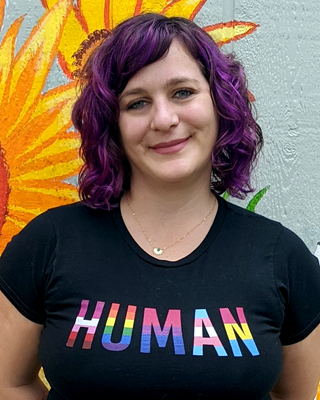
Hosted by Ashley Taylor
Licensed Professional Counselor, MA, LPC
Group meets in Round Rock, TX 78664
Embrace your authentic self in community. This group will provide a safe space to be yourself, create community, and process the ups and down of life. Topics may include managing dysphoria, anxiety, depression, social connection and relational challenges, etc. Open to residents of Texas, Colorado, and Michigan
You're calm with patients all day, then you snap at your spouse or your kid the second you walk in the door and you hate that about yourself. In medicine, burnout doesn't always look tired. Sometimes it looks angry. This group is for physicians, nurses, and other medical professionals who are done feeling guilty after every blow-up and actually want to figure out what's underneath it.

Hosted by Christina Runnels
Licensed Professional Counselor, MA, LPC-S, PMH-C
Group meets in San Antonio, TX 78229
You're calm with patients all day, then you snap at your spouse or your kid the second you walk in the door and you hate that about yourself. In medicine, burnout doesn't always look tired. Sometimes it looks angry. This group is for physicians, nurses, and other medical professionals who are done feeling guilty after every blow-up and actually want to figure out what's underneath it.
During this intensive we utilize Dialectical Behavior Therapy (DBT) to teach the skills necessary for learning to live their best life.

Hosted by The Timothy Center
Treatment Center, PhD, LPC-S, CSAT-C2, PA-C
Group meets in Austin, TX 78759
During this intensive we utilize Dialectical Behavior Therapy (DBT) to teach the skills necessary for learning to live their best life.
Dealing with a difficult co-parenting relationship? You're not alone. In this group, you'll meet other people who get it. You'll learn strategies for reducing your stress and co-parenting more effectively. We'll also study ways to protect your kid(s) from the adults' conflict. I offer this group virtually and in person. A new group will start in the fall of 2026. If you message to let me know you're interested, I'll let you know once I've finalized the dates. Limited reduced fee spots are available.

Dealing with a difficult co-parenting relationship? You're not alone. In this group, you'll meet other people who get it. You'll learn strategies for reducing your stress and co-parenting more effectively. We'll also study ways to protect your kid(s) from the adults' conflict. I offer this group virtually and in person. A new group will start in the fall of 2026. If you message to let me know you're interested, I'll let you know once I've finalized the dates. Limited reduced fee spots are available.
*Daytime and Evening options available Omega Recovery's intensive out-patient(IOP) program is designed for an individual that is new to recovery, as well as any individual that needs added support in their current recovery program. It's also a perfect step down option from a residential or PHP level of care, and can often make the difference in long term recovery for an individual residing in sober living. This program is specifically designed to be beneficial for anyone that is struggling with substance abuse or mental health issues. They will also receive multiple one-on-one sessions with their counselor each month.
*Daytime and Evening options available Omega Recovery's intensive out-patient(IOP) program is designed for an individual that is new to recovery, as well as any individual that needs added support in their current recovery program. It's also a perfect step down option from a residential or PHP level of care, and can often make the difference in long term recovery for an individual residing in sober living. This program is specifically designed to be beneficial for anyone that is struggling with substance abuse or mental health issues. They will also receive multiple one-on-one sessions with their counselor each month.
Learn how early loss & trauma affects attachment, behavior and more. Get empowered with parenting skills that work! Come away with confidence & peace that you have what you need within you to help your child thrive!

Learn how early loss & trauma affects attachment, behavior and more. Get empowered with parenting skills that work! Come away with confidence & peace that you have what you need within you to help your child thrive!
See more therapy options for Bastrop County


FAQs - About Group Therapy and Support Groups
How can I find a support group in Bastrop County?
To find a support group in your area, start by entering your city, zip code, or the name of the group into the search bar at the top of the page. When searching, consider whether you prefer an in-person or virtual group. This can help you decide how broad your geographic search should be. If you are open to virtual groups, you might want to search by state instead of just your city, especially if there are limited options nearby.
Once you complete your search, you can use the filters to narrow the results by selecting specialties (such as grief, trauma, or eating disorders), therapeutic approaches, age groups, and other criteria to find a group that best fits your needs.
Once you complete your search, you can use the filters to narrow the results by selecting specialties (such as grief, trauma, or eating disorders), therapeutic approaches, age groups, and other criteria to find a group that best fits your needs.
How does group therapy work?
Group therapy is led by one or more trained therapists and provides a space where participants can process their experiences and learn from others facing similar challenges. Groups may focus on a specific issue—such as addiction, grief, physical illnesses, parenting, or caregiving—or they may center around a particular therapeutic approach, such as Cognitive Behavioral Therapy (CBT), social skill development, or Exposure Therapy. Some groups are also designed for specific populations, such as teens, veterans, or LGBTQ+ individuals.
It’s also important to distinguish group therapy from peer-led support groups, like Alcoholics Anonymous. While both can offer valuable support, therapy groups are typically led by licensed professionals and follow a more structured format. Therapy groups often meet for a fixed length of time with a consistent group of members, while many peer support groups meet for an indefinite period of time with members coming and going.
It’s also important to distinguish group therapy from peer-led support groups, like Alcoholics Anonymous. While both can offer valuable support, therapy groups are typically led by licensed professionals and follow a more structured format. Therapy groups often meet for a fixed length of time with a consistent group of members, while many peer support groups meet for an indefinite period of time with members coming and going.
What are the benefits of group therapy?
Group therapy offers several important benefits. It brings together people facing similar challenges—whether related to mental health, physical health, or life transitions—and creates a supportive environment where participants can exchange feedback, share experiences, and learn from one another. Hearing different perspectives can help individuals discover new coping strategies and practical tools they may not have encountered on their own. Sharing personal experiences, such as coping with a serious illness or navigating family struggles, can also reduce feelings of isolation and foster a sense of connection and understanding. In addition to emotional support, group members often gain useful, real-world advice from peers who have faced similar situations.
Group therapy is typically more affordable than individual therapy and, for certain conditions, can be equally effective. Many groups also include structured activities—such as guided journaling, cognitive-behavioral exercises, or role-playing—to help participants develop concrete skills they can apply in daily life.
Group therapy is typically more affordable than individual therapy and, for certain conditions, can be equally effective. Many groups also include structured activities—such as guided journaling, cognitive-behavioral exercises, or role-playing—to help participants develop concrete skills they can apply in daily life.
Is group therapy as effective as individual therapy?
It is difficult to make a blanket statement about the effectiveness of support groups, as they vary widely in focus and the conditions they address. However, support groups can be highly valuable in helping individuals gain emotional support and achieve meaningful treatment outcomes. For certain conditions, such as substance use, research has shown that group therapy can be particularly effective—sometimes just as effective as individual therapy—in supporting long-term recovery.
Many professionals attribute the effectiveness of group therapy to the unique benefits of the group setting, which fosters peer-to-peer learning and a sense of connection through shared experiences. Group settings also offer accountability and encouragement from both facilitators and fellow participants, which helps sustain motivation and supports continued progress. These factors together play a key role in promoting the overall effectiveness of group therapy.
Many professionals attribute the effectiveness of group therapy to the unique benefits of the group setting, which fosters peer-to-peer learning and a sense of connection through shared experiences. Group settings also offer accountability and encouragement from both facilitators and fellow participants, which helps sustain motivation and supports continued progress. These factors together play a key role in promoting the overall effectiveness of group therapy.
How much does group therapy cost?
Group therapy is typically less expensive than individual therapy, with sessions typically costing between $50 and $75 each. In comparison, individual therapy can cost anywhere from $100 to $200 or more per session, even with insurance. Some therapists or organizations offer low-cost or free group therapy options, particularly through community centers or nonprofit organizations. In some cases, groups may require payment upfront for a set number of sessions, such as paying for six weekly sessions at the first meeting. However, many providers offer payment plans to help make participation more accessible if this upfront payment is required.
Does insurance cover group therapy?
As with individual therapy, insurance coverage for group therapy varies based on factors such as your specific insurance plan, the purpose of the group, your diagnosis, and whether the group provider is in-network. Many insurance plans cover group therapy sessions that address diagnosable mental health conditions, such as substance use disorders, anxiety, or depression.
However, groups that focus on topics not directly tied to a mental health diagnosis—such as parenting support or divorce recovery—are less likely to be covered. Because coverage can vary widely, it’s important to check with your insurance provider before joining a group to confirm whether the sessions will be covered and what out-of-pocket costs you may be responsible for.
However, groups that focus on topics not directly tied to a mental health diagnosis—such as parenting support or divorce recovery—are less likely to be covered. Because coverage can vary widely, it’s important to check with your insurance provider before joining a group to confirm whether the sessions will be covered and what out-of-pocket costs you may be responsible for.
How long does group therapy last?
The length of each group therapy session typically ranges from 45 minutes to two hours, depending on the therapy approach, the group’s goals, and how often the group meets. In some cases, group therapy is part of a larger treatment program, such as an Intensive Outpatient Program (IOP), where group sessions complement individual therapy and are scheduled as part of the program’s overall structure.
The duration of participation in a group also varies. Some groups are designed to be short-term, lasting anywhere from 6 to 24 weeks—for example, bereavement groups or skills-based groups like those using Dialectical Behavioral Therapy (DBT). Other groups may be longer-term, lasting a year or more, and some ongoing support groups meet indefinitely, allowing participants to stay as long as they find the group helpful.
The duration of participation in a group also varies. Some groups are designed to be short-term, lasting anywhere from 6 to 24 weeks—for example, bereavement groups or skills-based groups like those using Dialectical Behavioral Therapy (DBT). Other groups may be longer-term, lasting a year or more, and some ongoing support groups meet indefinitely, allowing participants to stay as long as they find the group helpful.
What are the limitations of support groups?
Support groups offer many benefits, but they also have certain limitations. Unlike therapy groups, many support groups do not provide formal therapeutic treatment and are not led by licensed mental health professionals. For individuals seeking clinical treatment for specific mental health diagnoses—such as depression, eating disorders, or substance use—individual therapy or group therapy led by a licensed professional may offer more personalized and specialized care.
The effectiveness of a support group also depends heavily on the group’s participants and the overall group dynamic. When members engage respectfully and offer constructive support, the group can foster valuable peer-to-peer learning. However, if certain participants dominate discussions, provide inaccurate advice, or create conflict, it can disrupt the group’s sense of safety and reduce its effectiveness. Confidentiality can also be harder to maintain in support groups, particularly in open groups where participants can join or leave at any time. With new members regularly entering the group, it can be more difficult to build and sustain a consistent sense of trust and privacy.
The effectiveness of a support group also depends heavily on the group’s participants and the overall group dynamic. When members engage respectfully and offer constructive support, the group can foster valuable peer-to-peer learning. However, if certain participants dominate discussions, provide inaccurate advice, or create conflict, it can disrupt the group’s sense of safety and reduce its effectiveness. Confidentiality can also be harder to maintain in support groups, particularly in open groups where participants can join or leave at any time. With new members regularly entering the group, it can be more difficult to build and sustain a consistent sense of trust and privacy.