Support Groups in Berry Hill, TN
Demystify meditation—learn a variety of ways to meditate including mindfulness techniques through instruction and weekly practice. This group is usually offered online through a HIPPA-compliant platform. Please inquire about upcoming dates and times.

Demystify meditation—learn a variety of ways to meditate including mindfulness techniques through instruction and weekly practice. This group is usually offered online through a HIPPA-compliant platform. Please inquire about upcoming dates and times.
Heal through connection & community ---Build insight & confidence---Strengthen relationship skills---Receive coaching on assertive communication---Create lasting internal & external resources. $60/group; $60 deposit to hold your spot. A 6-week commitment is required. Convenient location in Berry Hill *To register email Gena Leone, LCSW
Heal through connection & community ---Build insight & confidence---Strengthen relationship skills---Receive coaching on assertive communication---Create lasting internal & external resources. $60/group; $60 deposit to hold your spot. A 6-week commitment is required. Convenient location in Berry Hill *To register email Gena Leone, LCSW
More Groups Nearby
Calling all Middle School Adventurers! Join our party and embark on epic quests filled with dragons, mysteries, magic, and teamwork in this guided Dungeons & Dragons Social Skills Group. Through collaborative storytelling and exciting challenges, adventurers will strengthen communication, confidence, problem-solving, creativity, and friendship skills while exploring immersive fantasy worlds together. Whether battling monsters, uncovering hidden treasures, or supporting fellow party members, each session offers opportunities for connection and heroic growth. Ready to join the adventure? Call 615-241-2125, email admin@ohanacenter.org, visit https://forms.gle/fJBPGQkbvCzbJ9vt5

Calling all Middle School Adventurers! Join our party and embark on epic quests filled with dragons, mysteries, magic, and teamwork in this guided Dungeons & Dragons Social Skills Group. Through collaborative storytelling and exciting challenges, adventurers will strengthen communication, confidence, problem-solving, creativity, and friendship skills while exploring immersive fantasy worlds together. Whether battling monsters, uncovering hidden treasures, or supporting fellow party members, each session offers opportunities for connection and heroic growth. Ready to join the adventure? Call 615-241-2125, email admin@ohanacenter.org, visit https://forms.gle/fJBPGQkbvCzbJ9vt5
The divorce recovery group welcomes all people to guide them on the path of recovery after separation or divorce. Through a thirteen week in person group, those who have gone through difficult seasons can come out stronger and move forward with clairity and confidence.
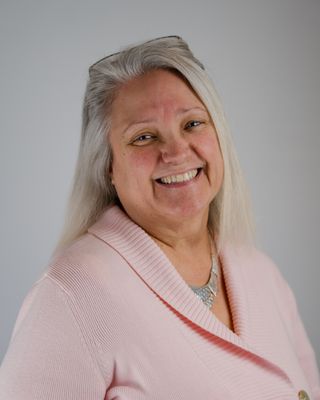
Hosted by Joan Downs
Licensed Professional Counselor, MA, LPC, NCC
Group meets in Murfreesboro, TN 37129
The divorce recovery group welcomes all people to guide them on the path of recovery after separation or divorce. Through a thirteen week in person group, those who have gone through difficult seasons can come out stronger and move forward with clairity and confidence.
I am the leader of two weekly online RO-DBT Skills Classes. The class is offered on both Tuesdays and Wednesdays from 5:00–6:30 pm CST, and members attend one weekly class based on the day they are enrolled. RO-DBT helps those struggling with overcontrolled behavior and emotional loneliness. These issues are commonly linked with perfectionism, chronic depression, anxiety, Anorexia Nervosa, Avoidant Personality Disorder, OCD, and Autism Spectrum. Class is a psychoeducational, skills-based setting to learn about flexibility, openness, and social connectedness. ***This group is hosted through PSYCHe PLLC***

Hosted by Sally Roesch
Licensed Professional Counselor, LPC, LMHC
Group meets in Nashville, TN 37215
I am the leader of two weekly online RO-DBT Skills Classes. The class is offered on both Tuesdays and Wednesdays from 5:00–6:30 pm CST, and members attend one weekly class based on the day they are enrolled. RO-DBT helps those struggling with overcontrolled behavior and emotional loneliness. These issues are commonly linked with perfectionism, chronic depression, anxiety, Anorexia Nervosa, Avoidant Personality Disorder, OCD, and Autism Spectrum. Class is a psychoeducational, skills-based setting to learn about flexibility, openness, and social connectedness. ***This group is hosted through PSYCHe PLLC***
This coed interpersonal therapy group helps members refine the skills to notice, articulate, and understand their thoughts and feelings about themselves and others. In a confidential setting, members will work to increase their capacity to have healthy relationships, cope with problems, and ultimately take more from life. You may benefit from this group if you want to be more authentic in your relationships, have difficulty expressing your feelings, have trouble trusting others, often feel dissatisfied in relationships, frequently put others' needs before your own, or experience anxiety in social situations.

Hosted by Andrea Barrett
Licensed Professional Counselor, LPC, MHSP
Group meets in Nashville, TN 37212
This coed interpersonal therapy group helps members refine the skills to notice, articulate, and understand their thoughts and feelings about themselves and others. In a confidential setting, members will work to increase their capacity to have healthy relationships, cope with problems, and ultimately take more from life. You may benefit from this group if you want to be more authentic in your relationships, have difficulty expressing your feelings, have trouble trusting others, often feel dissatisfied in relationships, frequently put others' needs before your own, or experience anxiety in social situations.
For adults who have left a high-control group, coercive community, or "cultic" environment, or who have been impacted by a loved one's involvement. These groups may include religious or spiritual organizations with extreme beliefs, or rigid ideologies, thought-reforming political movements (such as QAnon), MLM organizations, or high-demand self-help or therapeutic groups. Through education and shared experience, members will explore coercive control, identity erosion, and the grief that follows leaving, while processing trauma, rebuilding trust in their own perception, and untangling shame and confusion. Facilitators incorporate somatic practices to support nervous system regulation and trauma integration.

For adults who have left a high-control group, coercive community, or "cultic" environment, or who have been impacted by a loved one's involvement. These groups may include religious or spiritual organizations with extreme beliefs, or rigid ideologies, thought-reforming political movements (such as QAnon), MLM organizations, or high-demand self-help or therapeutic groups. Through education and shared experience, members will explore coercive control, identity erosion, and the grief that follows leaving, while processing trauma, rebuilding trust in their own perception, and untangling shame and confusion. Facilitators incorporate somatic practices to support nervous system regulation and trauma integration.
This interpersonal process group is for individuals recovering from narcissistic relationships or struggling with recurring patterns involving control, emotional manipulation, self-doubt, shame, or difficulty trusting themselves in relationships. The group provides a supportive space to better understand how these experiences shape emotional reactions, attachment patterns, boundaries, and sense of self. Using a here-and-now relational approach, members explore patterns as they emerge within the group itself, helping increase emotional awareness, authenticity, and confidence in relationships. Members work toward developing a stronger sense of self, clearer boundaries, and more secure and connected relationships.

This interpersonal process group is for individuals recovering from narcissistic relationships or struggling with recurring patterns involving control, emotional manipulation, self-doubt, shame, or difficulty trusting themselves in relationships. The group provides a supportive space to better understand how these experiences shape emotional reactions, attachment patterns, boundaries, and sense of self. Using a here-and-now relational approach, members explore patterns as they emerge within the group itself, helping increase emotional awareness, authenticity, and confidence in relationships. Members work toward developing a stronger sense of self, clearer boundaries, and more secure and connected relationships.
Dialectical Behavior Therapy is a comprehensive and evidence-based approach that combines cognitive-behavioral techniques with mindfulness principles. DBT 101, you’ll find a safe and non-judgmental space where individuals come together to learn and practice valuable skills that can be integrated daily for self-regulation. This group is going to be led by Amy Narusas, an experienced and compassionate licensed clinical social worker who has years of experience with teaching DBT principles.
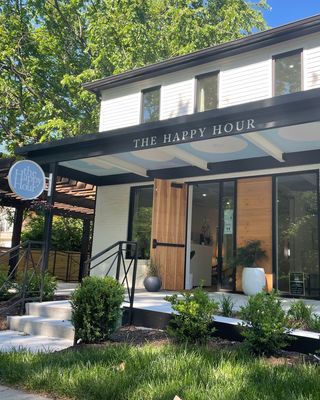
Dialectical Behavior Therapy is a comprehensive and evidence-based approach that combines cognitive-behavioral techniques with mindfulness principles. DBT 101, you’ll find a safe and non-judgmental space where individuals come together to learn and practice valuable skills that can be integrated daily for self-regulation. This group is going to be led by Amy Narusas, an experienced and compassionate licensed clinical social worker who has years of experience with teaching DBT principles.
This group will help teens build social skills and practice them with similarly aged teens! Activities will focus on building self-awareness, emotional regulation, and stress management, fostering a sense of calm and confidence in a fun, interactive environment.

Hosted by Abigail Weatherly
Licensed Professional Counselor, MS, LPCMHSP, NCC
Group meets in Franklin, TN 37067
This group will help teens build social skills and practice them with similarly aged teens! Activities will focus on building self-awareness, emotional regulation, and stress management, fostering a sense of calm and confidence in a fun, interactive environment.
Opportunity to gather support from other caregivers as you face challenges with your family members. This is held on an equine facility and interaction with horses is available.

Hosted by Carlin Giles Healing Pastures, LLC
Licensed Professional Counselor, LPCMHSP
Group meets in Madison, TN 37115
Opportunity to gather support from other caregivers as you face challenges with your family members. This is held on an equine facility and interaction with horses is available.
Parenting can be both rewarding and overwhelming — you don’t have to do it alone. Our parent counseling group provides a supportive space to strengthen skills of connection, practice healthy correction, and find encouragement along your unique parenting journey. Together, we focus on building stronger relationships with your children, navigating challenges with confidence, and fostering a home environment where both parents and kids can thrive.
Hosted by Abigail Weatherly
Licensed Professional Counselor, MS, LPCMHSP, NCC
Group meets in Franklin, TN 37067
Parenting can be both rewarding and overwhelming — you don’t have to do it alone. Our parent counseling group provides a supportive space to strengthen skills of connection, practice healthy correction, and find encouragement along your unique parenting journey. Together, we focus on building stronger relationships with your children, navigating challenges with confidence, and fostering a home environment where both parents and kids can thrive.
What if God allows brokenness to bring us into closer relationship with Him? What if the pain is to reshape us to understand how beloved we truly are? You will learn how to build a compassionate and Christ-based identity out of difficult experiences or past shame using biblical study, psychological principles, and art therapy. Includes teaching and small group processing. Group meets for 12 weeks. Curriculum by Jill Baird, MS, MA.
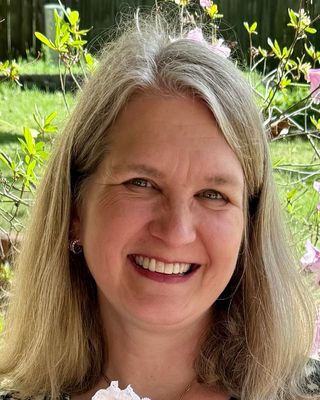
What if God allows brokenness to bring us into closer relationship with Him? What if the pain is to reshape us to understand how beloved we truly are? You will learn how to build a compassionate and Christ-based identity out of difficult experiences or past shame using biblical study, psychological principles, and art therapy. Includes teaching and small group processing. Group meets for 12 weeks. Curriculum by Jill Baird, MS, MA.
Gather to explore the deep themes of human experience: birth, love, destruction, creativity, hope, grief, community, solitude, encounter, death. Guided by the Tarot, this immersive series invites you to move beyond interpretation into direct, embodied relationship with the 22 mirrors of the Major Arcana. Each 2-hour session dives into the relationship between an archetypal pairing, +YOU. We will interface with the living symbols, connecting through expressive arts, guided movement, storywork, dream analysis, fairytale & beyond. No prior Tarot experience required. Register @ watershedcoop.org/archetypes – the full series ($555) or single session(s) ($50/session) are available. All are welcome!

Gather to explore the deep themes of human experience: birth, love, destruction, creativity, hope, grief, community, solitude, encounter, death. Guided by the Tarot, this immersive series invites you to move beyond interpretation into direct, embodied relationship with the 22 mirrors of the Major Arcana. Each 2-hour session dives into the relationship between an archetypal pairing, +YOU. We will interface with the living symbols, connecting through expressive arts, guided movement, storywork, dream analysis, fairytale & beyond. No prior Tarot experience required. Register @ watershedcoop.org/archetypes – the full series ($555) or single session(s) ($50/session) are available. All are welcome!
70% of 2nd marriages end in divorce. This is a supportive workshop for stepmothers experiencing the following: trust issues, fear of divorcing again, power and communication struggles with step-kids, setting boundaries and limits at home, having tough conversations with current/soon-to-spouses.
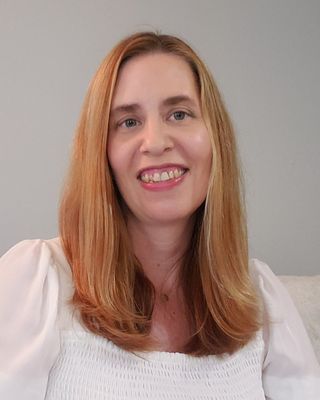
70% of 2nd marriages end in divorce. This is a supportive workshop for stepmothers experiencing the following: trust issues, fear of divorcing again, power and communication struggles with step-kids, setting boundaries and limits at home, having tough conversations with current/soon-to-spouses.
Support for pregnancy and early parenting — when you need more than once-a-week care. Becoming a parent can bring joy, love, and also stress, worry, and exhaustion. If things feel heavier than expected, you are not alone. Rooted Connections offers extra support during pregnancy and postpartum. This program includes: Virtual group therapy (3x per week), Weekly individual therapy. Family, couples, or parent-child sessions, and Medication management (if needed). We support parents experiencing: Anxiety or panic, Depression, Mood changes, Trouble bonding with baby, and Feeling overwhelmed by daily life. Virtual Support available across TN.

Hosted by Allied Behavioral Health Solutions
Licensed Professional Counselor, LPCMHSP
Group meets in Nashville, TN 37203
Support for pregnancy and early parenting — when you need more than once-a-week care. Becoming a parent can bring joy, love, and also stress, worry, and exhaustion. If things feel heavier than expected, you are not alone. Rooted Connections offers extra support during pregnancy and postpartum. This program includes: Virtual group therapy (3x per week), Weekly individual therapy. Family, couples, or parent-child sessions, and Medication management (if needed). We support parents experiencing: Anxiety or panic, Depression, Mood changes, Trouble bonding with baby, and Feeling overwhelmed by daily life. Virtual Support available across TN.
Children will participate in activities that are age-appropriate to help them express their emotions about the divorce or separation. They will engage in discussions, role-playing, arts and crafts, storytelling, reading, and games to develop coping skills and form bonds with other children who are going through similar changes in their families.

Hosted by Renee Lackey EMDR
Licensed Professional Counselor, MA, LPC, MHSP
Group meets in Brentwood, TN 37027
Children will participate in activities that are age-appropriate to help them express their emotions about the divorce or separation. They will engage in discussions, role-playing, arts and crafts, storytelling, reading, and games to develop coping skills and form bonds with other children who are going through similar changes in their families.
Do you struggle with feeling desirable? This group, led by a therapist in a fat body, will be a space to foster belonging between plus size folks, process how fatphobia impacts desirability, & provide tools to build healthy body image. This group is for women and non-binary folks that are plus sized. The group will start on October 13, 2025 and run for 8 sessions. For registry and/or inquiries email me at meganmosssymmetry@gmail.com

Do you struggle with feeling desirable? This group, led by a therapist in a fat body, will be a space to foster belonging between plus size folks, process how fatphobia impacts desirability, & provide tools to build healthy body image. This group is for women and non-binary folks that are plus sized. The group will start on October 13, 2025 and run for 8 sessions. For registry and/or inquiries email me at meganmosssymmetry@gmail.com
The expressive arts trauma processing group will be every Monday from 6-7:30. I plan to use my background in dance as well as a training and continuing education in Play/ Expressive Arts Therapy and EMDR to cultivate a creative and relational space to process complex trauma. Each group will involve a short check in, a unique expressive arts activity, and space to reflect and process with a group of like-minded individuals. Please reach out for a consultation to see if you would be a good fit for this group.

Hosted by Megan Barbee
Licensed Professional Counselor, LPC, MHSP
Group meets in Nashville, TN 37207
The expressive arts trauma processing group will be every Monday from 6-7:30. I plan to use my background in dance as well as a training and continuing education in Play/ Expressive Arts Therapy and EMDR to cultivate a creative and relational space to process complex trauma. Each group will involve a short check in, a unique expressive arts activity, and space to reflect and process with a group of like-minded individuals. Please reach out for a consultation to see if you would be a good fit for this group.
Navigating the complexities of caring for individuals with neurodivergent conditions such as autism, dyslexia, ADHD, and more can be both deeply rewarding and immensely challenging. For caregivers, the journey is often marked by a unique set of hurdles and triumphs, requiring not just patience and dedication, but also understanding and specialized knowledge. This support group offers a nurturing space for caregivers to share experiences, insights, and coping strategies. In our meetings, you’ll find solace in knowing you are not alone. https://booking.cojilio.com/thehappyhour

Navigating the complexities of caring for individuals with neurodivergent conditions such as autism, dyslexia, ADHD, and more can be both deeply rewarding and immensely challenging. For caregivers, the journey is often marked by a unique set of hurdles and triumphs, requiring not just patience and dedication, but also understanding and specialized knowledge. This support group offers a nurturing space for caregivers to share experiences, insights, and coping strategies. In our meetings, you’ll find solace in knowing you are not alone. https://booking.cojilio.com/thehappyhour
See more therapy options for Berry Hill


FAQs - About Group Therapy and Support Groups
How can I find a support group in Berry Hill?
To find a support group in your area, start by entering your city, zip code, or the name of the group into the search bar at the top of the page. When searching, consider whether you prefer an in-person or virtual group. This can help you decide how broad your geographic search should be. If you are open to virtual groups, you might want to search by state instead of just your city, especially if there are limited options nearby.
Once you complete your search, you can use the filters to narrow the results by selecting specialties (such as grief, trauma, or eating disorders), therapeutic approaches, age groups, and other criteria to find a group that best fits your needs.
Once you complete your search, you can use the filters to narrow the results by selecting specialties (such as grief, trauma, or eating disorders), therapeutic approaches, age groups, and other criteria to find a group that best fits your needs.
How does group therapy work?
Group therapy is led by one or more trained therapists and provides a space where participants can process their experiences and learn from others facing similar challenges. Groups may focus on a specific issue—such as addiction, grief, physical illnesses, parenting, or caregiving—or they may center around a particular therapeutic approach, such as Cognitive Behavioral Therapy (CBT), social skill development, or Exposure Therapy. Some groups are also designed for specific populations, such as teens, veterans, or LGBTQ+ individuals.
It’s also important to distinguish group therapy from peer-led support groups, like Alcoholics Anonymous. While both can offer valuable support, therapy groups are typically led by licensed professionals and follow a more structured format. Therapy groups often meet for a fixed length of time with a consistent group of members, while many peer support groups meet for an indefinite period of time with members coming and going.
It’s also important to distinguish group therapy from peer-led support groups, like Alcoholics Anonymous. While both can offer valuable support, therapy groups are typically led by licensed professionals and follow a more structured format. Therapy groups often meet for a fixed length of time with a consistent group of members, while many peer support groups meet for an indefinite period of time with members coming and going.
What are the benefits of group therapy?
Group therapy offers several important benefits. It brings together people facing similar challenges—whether related to mental health, physical health, or life transitions—and creates a supportive environment where participants can exchange feedback, share experiences, and learn from one another. Hearing different perspectives can help individuals discover new coping strategies and practical tools they may not have encountered on their own. Sharing personal experiences, such as coping with a serious illness or navigating family struggles, can also reduce feelings of isolation and foster a sense of connection and understanding. In addition to emotional support, group members often gain useful, real-world advice from peers who have faced similar situations.
Group therapy is typically more affordable than individual therapy and, for certain conditions, can be equally effective. Many groups also include structured activities—such as guided journaling, cognitive-behavioral exercises, or role-playing—to help participants develop concrete skills they can apply in daily life.
Group therapy is typically more affordable than individual therapy and, for certain conditions, can be equally effective. Many groups also include structured activities—such as guided journaling, cognitive-behavioral exercises, or role-playing—to help participants develop concrete skills they can apply in daily life.
Is group therapy as effective as individual therapy?
It is difficult to make a blanket statement about the effectiveness of support groups, as they vary widely in focus and the conditions they address. However, support groups can be highly valuable in helping individuals gain emotional support and achieve meaningful treatment outcomes. For certain conditions, such as substance use, research has shown that group therapy can be particularly effective—sometimes just as effective as individual therapy—in supporting long-term recovery.
Many professionals attribute the effectiveness of group therapy to the unique benefits of the group setting, which fosters peer-to-peer learning and a sense of connection through shared experiences. Group settings also offer accountability and encouragement from both facilitators and fellow participants, which helps sustain motivation and supports continued progress. These factors together play a key role in promoting the overall effectiveness of group therapy.
Many professionals attribute the effectiveness of group therapy to the unique benefits of the group setting, which fosters peer-to-peer learning and a sense of connection through shared experiences. Group settings also offer accountability and encouragement from both facilitators and fellow participants, which helps sustain motivation and supports continued progress. These factors together play a key role in promoting the overall effectiveness of group therapy.
How much does group therapy cost?
Group therapy is typically less expensive than individual therapy, with sessions typically costing between $50 and $75 each. In comparison, individual therapy can cost anywhere from $100 to $200 or more per session, even with insurance. Some therapists or organizations offer low-cost or free group therapy options, particularly through community centers or nonprofit organizations. In some cases, groups may require payment upfront for a set number of sessions, such as paying for six weekly sessions at the first meeting. However, many providers offer payment plans to help make participation more accessible if this upfront payment is required.
Does insurance cover group therapy?
As with individual therapy, insurance coverage for group therapy varies based on factors such as your specific insurance plan, the purpose of the group, your diagnosis, and whether the group provider is in-network. Many insurance plans cover group therapy sessions that address diagnosable mental health conditions, such as substance use disorders, anxiety, or depression.
However, groups that focus on topics not directly tied to a mental health diagnosis—such as parenting support or divorce recovery—are less likely to be covered. Because coverage can vary widely, it’s important to check with your insurance provider before joining a group to confirm whether the sessions will be covered and what out-of-pocket costs you may be responsible for.
However, groups that focus on topics not directly tied to a mental health diagnosis—such as parenting support or divorce recovery—are less likely to be covered. Because coverage can vary widely, it’s important to check with your insurance provider before joining a group to confirm whether the sessions will be covered and what out-of-pocket costs you may be responsible for.
How long does group therapy last?
The length of each group therapy session typically ranges from 45 minutes to two hours, depending on the therapy approach, the group’s goals, and how often the group meets. In some cases, group therapy is part of a larger treatment program, such as an Intensive Outpatient Program (IOP), where group sessions complement individual therapy and are scheduled as part of the program’s overall structure.
The duration of participation in a group also varies. Some groups are designed to be short-term, lasting anywhere from 6 to 24 weeks—for example, bereavement groups or skills-based groups like those using Dialectical Behavioral Therapy (DBT). Other groups may be longer-term, lasting a year or more, and some ongoing support groups meet indefinitely, allowing participants to stay as long as they find the group helpful.
The duration of participation in a group also varies. Some groups are designed to be short-term, lasting anywhere from 6 to 24 weeks—for example, bereavement groups or skills-based groups like those using Dialectical Behavioral Therapy (DBT). Other groups may be longer-term, lasting a year or more, and some ongoing support groups meet indefinitely, allowing participants to stay as long as they find the group helpful.
What are the limitations of support groups?
Support groups offer many benefits, but they also have certain limitations. Unlike therapy groups, many support groups do not provide formal therapeutic treatment and are not led by licensed mental health professionals. For individuals seeking clinical treatment for specific mental health diagnoses—such as depression, eating disorders, or substance use—individual therapy or group therapy led by a licensed professional may offer more personalized and specialized care.
The effectiveness of a support group also depends heavily on the group’s participants and the overall group dynamic. When members engage respectfully and offer constructive support, the group can foster valuable peer-to-peer learning. However, if certain participants dominate discussions, provide inaccurate advice, or create conflict, it can disrupt the group’s sense of safety and reduce its effectiveness. Confidentiality can also be harder to maintain in support groups, particularly in open groups where participants can join or leave at any time. With new members regularly entering the group, it can be more difficult to build and sustain a consistent sense of trust and privacy.
The effectiveness of a support group also depends heavily on the group’s participants and the overall group dynamic. When members engage respectfully and offer constructive support, the group can foster valuable peer-to-peer learning. However, if certain participants dominate discussions, provide inaccurate advice, or create conflict, it can disrupt the group’s sense of safety and reduce its effectiveness. Confidentiality can also be harder to maintain in support groups, particularly in open groups where participants can join or leave at any time. With new members regularly entering the group, it can be more difficult to build and sustain a consistent sense of trust and privacy.