Support Groups in Goose Creek, SC
***Drug and Alcohol Assessments 843-990-8798 To fulfill your probation or court ordered requirements. Virtual Appointments available on Zoom.

Hosted by SAP Evaluations and Drug & Alcohol Assessments
Clinical Social Work/Therapist, LISW-CP, LCSW
Group meets in Goose Creek, SC 29445
***Drug and Alcohol Assessments 843-990-8798 To fulfill your probation or court ordered requirements. Virtual Appointments available on Zoom.
We will meet together to provide support in a Dialectical Skills Training Skills training group. Currently the Monday night group is full but the Tuesday night group has room.

Hosted by Sarah Leitner
Licensed Professional Counselor, MA, LPC
Group meets in Goose Creek, SC 29445
We will meet together to provide support in a Dialectical Skills Training Skills training group. Currently the Monday night group is full but the Tuesday night group has room.
****Anger Management Classes for your court or probation requirements. 843-990-8798 12 Week Program
Hosted by SAP Evaluations and Drug & Alcohol Assessments
Clinical Social Work/Therapist, LISW-CP, LCSW
Group meets in Goose Creek, SC 29445
****Anger Management Classes for your court or probation requirements. 843-990-8798 12 Week Program
PARENTS, THIS ONE’S FOR YOU! Are the BIG behaviors at home leaving you exhausted, overwhelmed, & questioning everything? You’re not alone — Saturday mornings are designed specifically for parents who are navigating challenging behaviors craving more peace, connection, & confidence. Learn about Understanding what’s really driving your child’s big behaviors, Respond instead of react * Set healthy boundaries & nurturing relationship * Break the cycle of guilt, yelling, & shutdowns. This is your chance to pause, reflect, & reset with calm. Let’s build connection—not chaos.
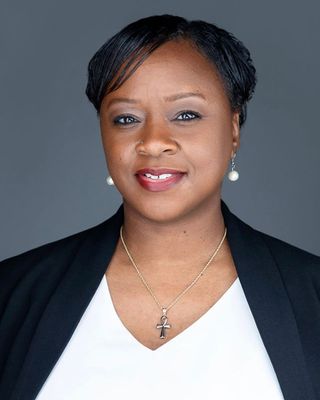
Hosted by Queen-Ella Pringle
Licensed Professional Counselor, LPC, LMFTA, CFLE, PMH-C
Group meets in Goose Creek, SC 29445
PARENTS, THIS ONE’S FOR YOU! Are the BIG behaviors at home leaving you exhausted, overwhelmed, & questioning everything? You’re not alone — Saturday mornings are designed specifically for parents who are navigating challenging behaviors craving more peace, connection, & confidence. Learn about Understanding what’s really driving your child’s big behaviors, Respond instead of react * Set healthy boundaries & nurturing relationship * Break the cycle of guilt, yelling, & shutdowns. This is your chance to pause, reflect, & reset with calm. Let’s build connection—not chaos.
This virtual 45-minute midday support group is designed for overwhelmed parents seeking practical tools, emotional relief, and connection—without waiting until evening for help. Held during lunch hours, the group offers trauma-informed guidance, brief psychoeducation, and supportive discussion focused on parenting stress, emotional regulation, boundaries, and burnout recovery. Ideal for stay-at-home parents, remote or hybrid workers, and caregivers with flexible schedules, this group provides a calm, culturally responsive space to reset, refocus, and strengthen parenting confidence—so you can return to your day feeling grounded, supported, and empowered.
Hosted by Queen-Ella Pringle
Licensed Professional Counselor, LPC, LMFTA, CFLE, PMH-C
Group meets in Goose Creek, SC 29445
This virtual 45-minute midday support group is designed for overwhelmed parents seeking practical tools, emotional relief, and connection—without waiting until evening for help. Held during lunch hours, the group offers trauma-informed guidance, brief psychoeducation, and supportive discussion focused on parenting stress, emotional regulation, boundaries, and burnout recovery. Ideal for stay-at-home parents, remote or hybrid workers, and caregivers with flexible schedules, this group provides a calm, culturally responsive space to reset, refocus, and strengthen parenting confidence—so you can return to your day feeling grounded, supported, and empowered.
4-Week Virtual Group for Parents Raising Children Across Two Homes Led by: Queen-Ella Pringle, MFT, CFLE, LPCA, PMHC, IMH-E®• Co-Parenting Strategist The Co-Parenting Reset Group is a structured, skills-based, judgment-free space for separated, divorced, or never-married co-parents who want to reduce conflict, communicate better, and support their children’s emotional wellbeing. Format: 4 weeks, 60 minutes //Price: $40/session/$140 full program //Location: Virtual (Zoom) Group: 10–15 participants //Approach: Trauma-Informed • Attachment-Informed • Solution-Focused • DBT-Integrated • Family Systems Lens
Hosted by Queen-Ella Pringle
Licensed Professional Counselor, LPC, LMFTA, CFLE, PMH-C
Group meets in Goose Creek, SC 29445
4-Week Virtual Group for Parents Raising Children Across Two Homes Led by: Queen-Ella Pringle, MFT, CFLE, LPCA, PMHC, IMH-E®• Co-Parenting Strategist The Co-Parenting Reset Group is a structured, skills-based, judgment-free space for separated, divorced, or never-married co-parents who want to reduce conflict, communicate better, and support their children’s emotional wellbeing. Format: 4 weeks, 60 minutes //Price: $40/session/$140 full program //Location: Virtual (Zoom) Group: 10–15 participants //Approach: Trauma-Informed • Attachment-Informed • Solution-Focused • DBT-Integrated • Family Systems Lens
More Groups Nearby
This virtual support group is here to hold you through chronic healing. Whether you're dealing with chronic illness, chronic pain, grief, and/or trauma - this group is for you. We will meet every other Tuesday virtually and work on various topics each month. This group will be facilitated by Tiffany Reese, a South Carolina licensed professional counselor at Fierce Renewal Counseling LLC. Please reach out if you'd like to learn more - our next meeting is May 26th, 2026.
Hosted by Sydney Reinert
Licensed Professional Counselor, MS, LPC
Group meets in Charleston, SC 29407
This virtual support group is here to hold you through chronic healing. Whether you're dealing with chronic illness, chronic pain, grief, and/or trauma - this group is for you. We will meet every other Tuesday virtually and work on various topics each month. This group will be facilitated by Tiffany Reese, a South Carolina licensed professional counselor at Fierce Renewal Counseling LLC. Please reach out if you'd like to learn more - our next meeting is May 26th, 2026.
Dialectical Behavior Therapy, or DBT, is one of the most proven and effective methods to improve your mental health. DBT is grounded on practical life skills that anyone can learn. At Carolina Grace we offer 1:1 skills coaching with a trained DBT Skills Coach.
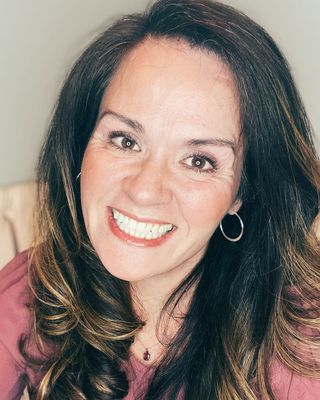
Hosted by Danielle J Baez
Clinical Social Work/Therapist, LISW-CP, SUPER
Group meets in Summerville, SC 29485
Dialectical Behavior Therapy, or DBT, is one of the most proven and effective methods to improve your mental health. DBT is grounded on practical life skills that anyone can learn. At Carolina Grace we offer 1:1 skills coaching with a trained DBT Skills Coach.
Private practice

Hosted by Samantha Rukavina
Licensed Professional Counselor, LPC
Group meets in Charleston, SC 29403
Private practice
The Morning group is for people who are tapering off their medications. Our motto is "Skills before Pills". Groups are 3 hours a day, 3 days a week for 24-30 sessions (7.5-8 weeks)
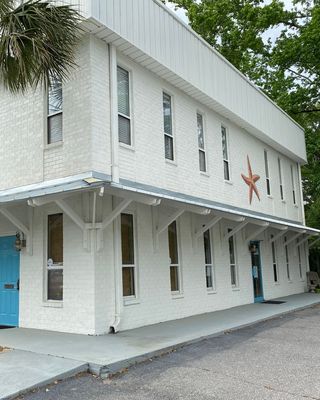
Hosted by The Middle Path at Barrier Island
Treatment Center, LISW-CP, C-DBT
Group meets in Charleston, SC 29407
The Morning group is for people who are tapering off their medications. Our motto is "Skills before Pills". Groups are 3 hours a day, 3 days a week for 24-30 sessions (7.5-8 weeks)
The Fibromyalgia High Noon group in Charleston, SC is a fellowship of people who share their experience, strength and hope with each other that they may solve their common problem and help others to recover from fibromyalgia. Fibromyalgia High Noon Group is not allied with any sect, denomination, politics, organization or institution; does not wish to engage in any controversy; neither endorses nor opposes any causes. All participants shall remain anonymous, and there are no dues or fees for attendance.
The Fibromyalgia High Noon group in Charleston, SC is a fellowship of people who share their experience, strength and hope with each other that they may solve their common problem and help others to recover from fibromyalgia. Fibromyalgia High Noon Group is not allied with any sect, denomination, politics, organization or institution; does not wish to engage in any controversy; neither endorses nor opposes any causes. All participants shall remain anonymous, and there are no dues or fees for attendance.
This Group is designed to help Women learn to overcome their fear, anxiety, and worries using DBT Skills. This group will be held the 4th Saturday of each Month. This group has not started yet, as we are waiting to add group members.

This Group is designed to help Women learn to overcome their fear, anxiety, and worries using DBT Skills. This group will be held the 4th Saturday of each Month. This group has not started yet, as we are waiting to add group members.
I run a grief and bereavement group several times a year with varying themes: Grief & the Holidays (November- January) ; The Hurricane of Grief (new grievers) and Creating Memories. Please reach out if you are interested in going on a waitlist for one of these offerings.

Hosted by Elizabeth Dawn Zsolnay
Clinical Social Work/Therapist, LCSW, MSW
Group meets in Mount Pleasant, SC 29464
I run a grief and bereavement group several times a year with varying themes: Grief & the Holidays (November- January) ; The Hurricane of Grief (new grievers) and Creating Memories. Please reach out if you are interested in going on a waitlist for one of these offerings.
This is a 6-week closed therapy group for adults navigating trauma, chronic stress, or life transitions. Many feel disconnected from who they are beneath survival roles and coping patterns. This group offers a supportive space to explore identity, reconnect with authentic self, and build emotional and nervous system awareness. We integrate trauma-informed, evidence-based approaches, somatic awareness, parts work, mindfulness, with opportunities for reflection and connection. Tarot used as symbolic tool for insight and discussion. Meets Wednesdays, October 14–November 18, 5:30–7 PM. Cost: $300. Intake required for non-current clients (+$185). Reserve by October 12.

Hosted by Krissy Barry
Licensed Professional Counselor, LPC, LPCS, AADC
Group meets in North Charleston, SC 29405
This is a 6-week closed therapy group for adults navigating trauma, chronic stress, or life transitions. Many feel disconnected from who they are beneath survival roles and coping patterns. This group offers a supportive space to explore identity, reconnect with authentic self, and build emotional and nervous system awareness. We integrate trauma-informed, evidence-based approaches, somatic awareness, parts work, mindfulness, with opportunities for reflection and connection. Tarot used as symbolic tool for insight and discussion. Meets Wednesdays, October 14–November 18, 5:30–7 PM. Cost: $300. Intake required for non-current clients (+$185). Reserve by October 12.
A vision board is great. It can give you an idea of what you want to accomplish or experience. But do you ask yourself, "How did I get here and why am I not living the life I envision right now?" In this therapy group we will explore the beliefs and behaviors that have been holding you back and find inspiration from others who are in various stages of self-awareness and expression of personal identity. Are you ready to go Beyond The Vision Board? Contact me about joining an existing group or organizing one of your own.

Hosted by Noelle Nevins
Licensed Professional Counselor, MA CMHC, CT, SC & FL
Group meets in Johns Island, SC 29455
A vision board is great. It can give you an idea of what you want to accomplish or experience. But do you ask yourself, "How did I get here and why am I not living the life I envision right now?" In this therapy group we will explore the beliefs and behaviors that have been holding you back and find inspiration from others who are in various stages of self-awareness and expression of personal identity. Are you ready to go Beyond The Vision Board? Contact me about joining an existing group or organizing one of your own.
Outpatient psychiatric and mental health group providing medication management and therapy.

Hosted by TaTreka Middleton
Psychiatric Nurse Practitioner, DNP, MPH, PMHNP
Group meets in North Charleston, SC 29420
Outpatient psychiatric and mental health group providing medication management and therapy.
Are you struggling to understand why people say that your 20s are supposed to be “the best years of your life” when you’re not finding that to be true? Are you dealing with academic and career pressures, navigating friendships, managing family relationships, feeling isolated at times, trying to find yourself, using alcohol or substances to cope with stress, navigating romantic relationships, and perhaps dealing with grief, all while going through many transitions constantly? You are not alone. While your 20s can be exciting, they can also feel tumultuous and confusing. We will navigate through all of the above together.

Hosted by Caroline O'Neill Gage
Licensed Professional Counselor, LPC
Group meets in Mount Pleasant, SC 29464
Are you struggling to understand why people say that your 20s are supposed to be “the best years of your life” when you’re not finding that to be true? Are you dealing with academic and career pressures, navigating friendships, managing family relationships, feeling isolated at times, trying to find yourself, using alcohol or substances to cope with stress, navigating romantic relationships, and perhaps dealing with grief, all while going through many transitions constantly? You are not alone. While your 20s can be exciting, they can also feel tumultuous and confusing. We will navigate through all of the above together.
We are relational beings in need of connection, but do you find continue to find yourself in dysfunctional or unsatisfying relationships? In this group you will learn about different attachment styles; be able to identify your own patterns of relating; gain insight into the development of reinforcing interactions; and leave with tools for healthier relationships going forward. You will be able to not only begin a path of healing for yourself, but also support others on their journey. Contact me for information about joining an existing group or organizing a group of your own. Virtual or in person.
Hosted by Noelle Nevins
Licensed Professional Counselor, MA CMHC, CT, SC & FL
Group meets in Johns Island, SC 29455
We are relational beings in need of connection, but do you find continue to find yourself in dysfunctional or unsatisfying relationships? In this group you will learn about different attachment styles; be able to identify your own patterns of relating; gain insight into the development of reinforcing interactions; and leave with tools for healthier relationships going forward. You will be able to not only begin a path of healing for yourself, but also support others on their journey. Contact me for information about joining an existing group or organizing a group of your own. Virtual or in person.
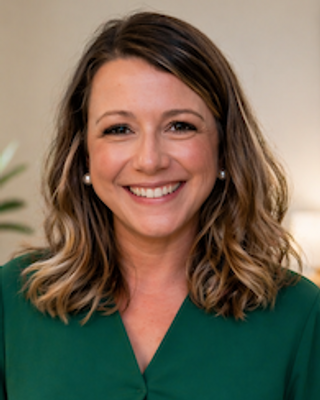
Come join us for a 6-week anxiety group for kids between the ages of 11-14 years old starting July 12, 2023. This group incorporates the principles and techniques of Cognitive Behvioral Therapy (CBT) to provide valuable skills and support for effectively managing anxiety. This group meets on Wednesdays 3pm-4pm. Space is limited. This group is facilitated by Marcella Berman, LISW-CP and Leslie Sorce, LMSW. Interested in joining? Call 843-732-9776 or email at info@lcbhealth.com
Hosted by Marcella Berman
Clinical Social Work/Therapist, LISW-CP
Group meets in Mount Pleasant, SC 29466
Come join us for a 6-week anxiety group for kids between the ages of 11-14 years old starting July 12, 2023. This group incorporates the principles and techniques of Cognitive Behvioral Therapy (CBT) to provide valuable skills and support for effectively managing anxiety. This group meets on Wednesdays 3pm-4pm. Space is limited. This group is facilitated by Marcella Berman, LISW-CP and Leslie Sorce, LMSW. Interested in joining? Call 843-732-9776 or email at info@lcbhealth.com
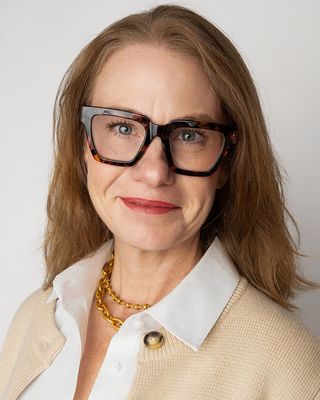
Feeling STUCK in your relationship? Wish you could COMMUNICATE BETTER with your partner? Wondering how to recover from an affair? Ready to increase your intimacy and have MORE SEX with your significant other? However your relationship is struggling, we are here to help. We specialize in IN-PERSON and ONLINE couples counseling, marriage counseling, sex therapy, and relationship counseling. Our approach is rooted in compassion and understanding, aiming to create a safe space where both of you can explore, understand, and transform your relationship. —— Reach out today for a free phone consult.
Hosted by Jessica Gregg
Licensed Professional Counselor, MSEd, MA, LPCS
Group meets in Mount Pleasant, SC 29464
Feeling STUCK in your relationship? Wish you could COMMUNICATE BETTER with your partner? Wondering how to recover from an affair? Ready to increase your intimacy and have MORE SEX with your significant other? However your relationship is struggling, we are here to help. We specialize in IN-PERSON and ONLINE couples counseling, marriage counseling, sex therapy, and relationship counseling. Our approach is rooted in compassion and understanding, aiming to create a safe space where both of you can explore, understand, and transform your relationship. —— Reach out today for a free phone consult.
See more therapy options for Goose Creek


Nearby Searches for Goose Creek
See More Support Groups FAQs - About Group Therapy and Support Groups
How can I find a support group in Goose Creek?
To find a support group in your area, start by entering your city, zip code, or the name of the group into the search bar at the top of the page. When searching, consider whether you prefer an in-person or virtual group. This can help you decide how broad your geographic search should be. If you are open to virtual groups, you might want to search by state instead of just your city, especially if there are limited options nearby.
Once you complete your search, you can use the filters to narrow the results by selecting specialties (such as grief, trauma, or eating disorders), therapeutic approaches, age groups, and other criteria to find a group that best fits your needs.
How does group therapy work?
Group therapy is led by one or more trained therapists and provides a space where participants can process their experiences and learn from others facing similar challenges. Groups may focus on a specific issue—such as addiction, grief, physical illnesses, parenting, or caregiving—or they may center around a particular therapeutic approach, such as Cognitive Behavioral Therapy (CBT), social skill development, or Exposure Therapy. Some groups are also designed for specific populations, such as teens, veterans, or LGBTQ+ individuals.
It’s also important to distinguish group therapy from peer-led support groups, like Alcoholics Anonymous. While both can offer valuable support, therapy groups are typically led by licensed professionals and follow a more structured format. Therapy groups often meet for a fixed length of time with a consistent group of members, while many peer support groups meet for an indefinite period of time with members coming and going.
What are the benefits of group therapy?
Group therapy offers several important benefits. It brings together people facing similar challenges—whether related to mental health, physical health, or life transitions—and creates a supportive environment where participants can exchange feedback, share experiences, and learn from one another. Hearing different perspectives can help individuals discover new coping strategies and practical tools they may not have encountered on their own. Sharing personal experiences, such as coping with a serious illness or navigating family struggles, can also reduce feelings of isolation and foster a sense of connection and understanding. In addition to emotional support, group members often gain useful, real-world advice from peers who have faced similar situations.
Group therapy is typically more affordable than individual therapy and, for certain conditions, can be equally effective. Many groups also include structured activities—such as guided journaling, cognitive-behavioral exercises, or role-playing—to help participants develop concrete skills they can apply in daily life.
Is group therapy as effective as individual therapy?
It is difficult to make a blanket statement about the effectiveness of support groups, as they vary widely in focus and the conditions they address. However, support groups can be highly valuable in helping individuals gain emotional support and achieve meaningful treatment outcomes. For certain conditions, such as substance use, research has shown that group therapy can be particularly effective—sometimes just as effective as individual therapy—in supporting long-term recovery.
Many professionals attribute the effectiveness of group therapy to the unique benefits of the group setting, which fosters peer-to-peer learning and a sense of connection through shared experiences. Group settings also offer accountability and encouragement from both facilitators and fellow participants, which helps sustain motivation and supports continued progress. These factors together play a key role in promoting the overall effectiveness of group therapy.
How much does group therapy cost?
Group therapy is typically less expensive than individual therapy, with sessions typically costing between $50 and $75 each. In comparison, individual therapy can cost anywhere from $100 to $200 or more per session, even with insurance. Some therapists or organizations offer low-cost or free group therapy options, particularly through community centers or nonprofit organizations. In some cases, groups may require payment upfront for a set number of sessions, such as paying for six weekly sessions at the first meeting. However, many providers offer payment plans to help make participation more accessible if this upfront payment is required.
Does insurance cover group therapy?
As with individual therapy, insurance coverage for group therapy varies based on factors such as your specific insurance plan, the purpose of the group, your diagnosis, and whether the group provider is in-network. Many insurance plans cover group therapy sessions that address diagnosable mental health conditions, such as substance use disorders, anxiety, or depression.
However, groups that focus on topics not directly tied to a mental health diagnosis—such as parenting support or divorce recovery—are less likely to be covered. Because coverage can vary widely, it’s important to check with your insurance provider before joining a group to confirm whether the sessions will be covered and what out-of-pocket costs you may be responsible for.
How long does group therapy last?
The length of each group therapy session typically ranges from 45 minutes to two hours, depending on the therapy approach, the group’s goals, and how often the group meets. In some cases, group therapy is part of a larger treatment program, such as an Intensive Outpatient Program (IOP), where group sessions complement individual therapy and are scheduled as part of the program’s overall structure.
The duration of participation in a group also varies. Some groups are designed to be short-term, lasting anywhere from 6 to 24 weeks—for example, bereavement groups or skills-based groups like those using Dialectical Behavioral Therapy (DBT). Other groups may be longer-term, lasting a year or more, and some ongoing support groups meet indefinitely, allowing participants to stay as long as they find the group helpful.
What are the limitations of support groups?
Support groups offer many benefits, but they also have certain limitations. Unlike therapy groups, many support groups do not provide formal therapeutic treatment and are not led by licensed mental health professionals. For individuals seeking clinical treatment for specific mental health diagnoses—such as depression, eating disorders, or substance use—individual therapy or group therapy led by a licensed professional may offer more personalized and specialized care.
The effectiveness of a support group also depends heavily on the group’s participants and the overall group dynamic. When members engage respectfully and offer constructive support, the group can foster valuable peer-to-peer learning. However, if certain participants dominate discussions, provide inaccurate advice, or create conflict, it can disrupt the group’s sense of safety and reduce its effectiveness. Confidentiality can also be harder to maintain in support groups, particularly in open groups where participants can join or leave at any time. With new members regularly entering the group, it can be more difficult to build and sustain a consistent sense of trust and privacy.