Support Groups in Charleston County, SC
At Best Life Counseling LLC], we believe healing happens in connection. Our team of licensed professional therapists are here to support individuals, couples, and families through life’s challenges with compassion, expertise, and care. Whether you're navigating anxiety, trauma, relationship struggles, or personal growth, you don’t have to do it alone. We’re honored to walk beside you on your path to wellness. Now accepting new clients—exclusively virtual sessions.
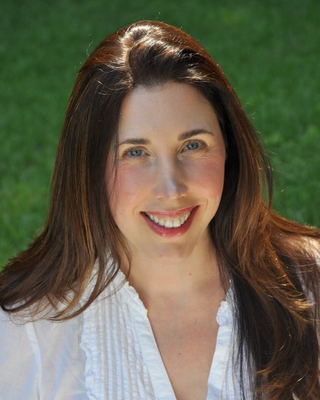
Hosted by Ariel MacArran
Licensed Professional Counselor, LPC
Group meets in Mount Pleasant, SC 29464
At Best Life Counseling LLC], we believe healing happens in connection. Our team of licensed professional therapists are here to support individuals, couples, and families through life’s challenges with compassion, expertise, and care. Whether you're navigating anxiety, trauma, relationship struggles, or personal growth, you don’t have to do it alone. We’re honored to walk beside you on your path to wellness. Now accepting new clients—exclusively virtual sessions.
LPC - Associates up to 12 Supervisees under LPCS Clinical Supervision. A maximum of 60 Clinical Supervision Group hours under guidelines of the SCLLR Board for Group Supervision. Only 6 Supervisees allowed in a group session. Individual Supervision up to 2 Associates for a maximum of 120 hours or minimum of 60 hours total requirements. A minimum of 1.5 hours per Group sessions and 1 hour per Individual sessions.
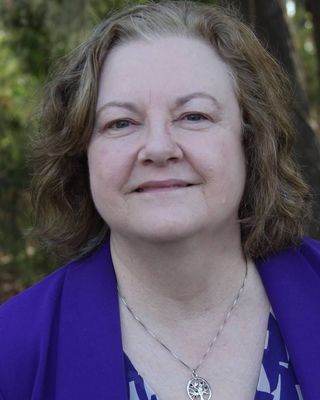
Hosted by A Shepherd's Heart Counseling
Pastoral Counselor, MA, LPC/S, LAC, MAC, AADC
Group meets in Charleston, SC 29407
LPC - Associates up to 12 Supervisees under LPCS Clinical Supervision. A maximum of 60 Clinical Supervision Group hours under guidelines of the SCLLR Board for Group Supervision. Only 6 Supervisees allowed in a group session. Individual Supervision up to 2 Associates for a maximum of 120 hours or minimum of 60 hours total requirements. A minimum of 1.5 hours per Group sessions and 1 hour per Individual sessions.
Join our therapist-lead open support group for adults who experience intrusive thoughts, obsessive thinking, rumination, or compulsive behavior! This is the perfect group for someone wanting a little extra support on their mental health journey. You do not need an OCD diagnosis to attend. We meet the second Wednesday of each month from 6:30pm to 8:00pm on the second floor of Ethredge Counseling Group, located at 125 Wappoo Creek Drive on James Island. Cost: $5 (cash or thru Eventbrite) Contact: contact@landrieethredge.com
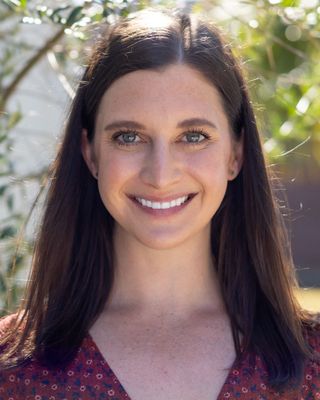
Hosted by Claire Johnson Mixson
Licensed Professional Counselor Associate, LPCA, EFT, EMDR
Group meets in Charleston, SC 29412
Join our therapist-lead open support group for adults who experience intrusive thoughts, obsessive thinking, rumination, or compulsive behavior! This is the perfect group for someone wanting a little extra support on their mental health journey. You do not need an OCD diagnosis to attend. We meet the second Wednesday of each month from 6:30pm to 8:00pm on the second floor of Ethredge Counseling Group, located at 125 Wappoo Creek Drive on James Island. Cost: $5 (cash or thru Eventbrite) Contact: contact@landrieethredge.com
Parents will learn principles behind children's behavior and begin to adopt a more evolved mindset on how the ways we interact with our children- through our body language, tone of voice, choice of words and actions and how we listen- affect the way they see themselves, their relationships, and their outside world. Children 4 and up are FREE and will participate in a mindfulness and art class with Aly Murphy, author of the Manatee Finds Mindfulness. Tickets are $50 and available on EventBrite/Being Aware.
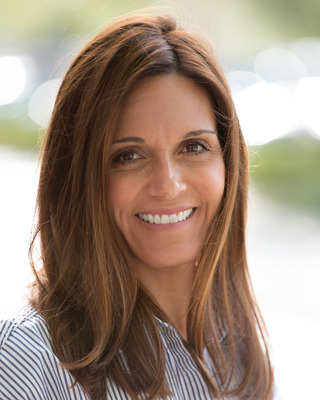
Hosted by Christi Solomon Zerega
Licensed Professional Counselor, LPC, MA
Group meets in Mount Pleasant, SC 29464
Parents will learn principles behind children's behavior and begin to adopt a more evolved mindset on how the ways we interact with our children- through our body language, tone of voice, choice of words and actions and how we listen- affect the way they see themselves, their relationships, and their outside world. Children 4 and up are FREE and will participate in a mindfulness and art class with Aly Murphy, author of the Manatee Finds Mindfulness. Tickets are $50 and available on EventBrite/Being Aware.
I facilitated one-time and ongoing groups for adoptees ages 4th grade through young adults. These groups combine creative activities with exploring feelings and teaching strategies for handling adoption-related experiences. Groups are a powerful way for adoptees to fit in and belong. They provide an opportunity to share questions and experiences around adoption in a supportive place.
I facilitated one-time and ongoing groups for adoptees ages 4th grade through young adults. These groups combine creative activities with exploring feelings and teaching strategies for handling adoption-related experiences. Groups are a powerful way for adoptees to fit in and belong. They provide an opportunity to share questions and experiences around adoption in a supportive place.
We are relational beings in need of connection, but do you find continue to find yourself in dysfunctional or unsatisfying relationships? In this group you will learn about different attachment styles; be able to identify your own patterns of relating; gain insight into the development of reinforcing interactions; and leave with tools for healthier relationships going forward. You will be able to not only begin a path of healing for yourself, but also support others on their journey. Contact me for information about joining an existing group or organizing a group of your own. Virtual or in person.
Hosted by Noelle Nevins
Licensed Professional Counselor, MA CMHC, CT, SC & FL
Group meets in Johns Island, SC 29455
We are relational beings in need of connection, but do you find continue to find yourself in dysfunctional or unsatisfying relationships? In this group you will learn about different attachment styles; be able to identify your own patterns of relating; gain insight into the development of reinforcing interactions; and leave with tools for healthier relationships going forward. You will be able to not only begin a path of healing for yourself, but also support others on their journey. Contact me for information about joining an existing group or organizing a group of your own. Virtual or in person.
Calm in the Chaos is a short-term, skills-based group designed for individuals who experience anxiety, overwhelm, or frequent stress and want practical tools to feel more grounded. This group offers a supportive environment to learn strategies for managing anxious thoughts, regulating emotions, and responding to stress in healthier ways. Participants will learn evidence-based coping skills drawn from cognitive behavioral therapy, mindfulness, and nervous system regulation practices. Sessions focus on building tools that can be used outside of group, including calming the body during stress and managing overthinking.

Hosted by Sharana Sloss
Clinical Social Work/Therapist, LISW-CP, RYT 500
Group meets in Charleston, SC 29418
Calm in the Chaos is a short-term, skills-based group designed for individuals who experience anxiety, overwhelm, or frequent stress and want practical tools to feel more grounded. This group offers a supportive environment to learn strategies for managing anxious thoughts, regulating emotions, and responding to stress in healthier ways. Participants will learn evidence-based coping skills drawn from cognitive behavioral therapy, mindfulness, and nervous system regulation practices. Sessions focus on building tools that can be used outside of group, including calming the body during stress and managing overthinking.
Small peer support group led by a licensed addictions counselor. All stages of recovery welcome. Meets Tuesdays from 12:30- 1:30pm
Small peer support group led by a licensed addictions counselor. All stages of recovery welcome. Meets Tuesdays from 12:30- 1:30pm
Mindset Evolution is an online group program built on Acceptance and Commitment Therapy, facilitated by Michael Chester, MA, LPC. Ten guided video sessions cover values clarification, recognizing choice points, willingness, unhooking from unhelpful thoughts, and opposite action, with companion guides and a members-only community. Live Q&A sessions are held regularly. Built for adults who know what they want but keep not doing it. This is an educational program, not therapy, and not a substitute for professional treatment. It isn't appropriate during acute crisis. Free 7-day trial, then $49/month.

Hosted by Michael Chester
Licensed Professional Counselor, MA, LPC
Group meets in Mount Pleasant, SC 29464
Mindset Evolution is an online group program built on Acceptance and Commitment Therapy, facilitated by Michael Chester, MA, LPC. Ten guided video sessions cover values clarification, recognizing choice points, willingness, unhooking from unhelpful thoughts, and opposite action, with companion guides and a members-only community. Live Q&A sessions are held regularly. Built for adults who know what they want but keep not doing it. This is an educational program, not therapy, and not a substitute for professional treatment. It isn't appropriate during acute crisis. Free 7-day trial, then $49/month.
(www.cdbta.com). This is an adult Skills Group providing instruction in Mindfulness, Distress Tolerance, Emotion Regulation, and Interpersonal Effectiveness skills over a 6-month period with weekly 2 hour meetings. Mindfulness skills for increasing awareness of the present moment to decrease destructive thoughts. Emotion Regulation skills to build strategies for understanding and managing strong emotions. Distress Tolerance skills to developing strategies to calm overwhelming emotions and urges. Interpersonal Effectiveness skills for learning ways to communicate needs and emotions effectively.
(www.cdbta.com). This is an adult Skills Group providing instruction in Mindfulness, Distress Tolerance, Emotion Regulation, and Interpersonal Effectiveness skills over a 6-month period with weekly 2 hour meetings. Mindfulness skills for increasing awareness of the present moment to decrease destructive thoughts. Emotion Regulation skills to build strategies for understanding and managing strong emotions. Distress Tolerance skills to developing strategies to calm overwhelming emotions and urges. Interpersonal Effectiveness skills for learning ways to communicate needs and emotions effectively.
The Fibromyalgia High Noon group in Charleston, SC is a fellowship of people who share their experience, strength and hope with each other that they may solve their common problem and help others to recover from fibromyalgia. Fibromyalgia High Noon Group is not allied with any sect, denomination, politics, organization or institution; does not wish to engage in any controversy; neither endorses nor opposes any causes. All participants shall remain anonymous, and there are no dues or fees for attendance.
The Fibromyalgia High Noon group in Charleston, SC is a fellowship of people who share their experience, strength and hope with each other that they may solve their common problem and help others to recover from fibromyalgia. Fibromyalgia High Noon Group is not allied with any sect, denomination, politics, organization or institution; does not wish to engage in any controversy; neither endorses nor opposes any causes. All participants shall remain anonymous, and there are no dues or fees for attendance.
The Morning group is for people who are tapering off their medications. Our motto is "Skills before Pills". Groups are 3 hours a day, 3 days a week for 24-30 sessions (7.5-8 weeks)
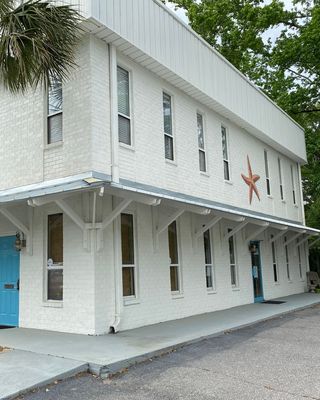
Hosted by The Middle Path at Barrier Island
Treatment Center, LISW-CP, C-DBT
Group meets in Charleston, SC 29407
The Morning group is for people who are tapering off their medications. Our motto is "Skills before Pills". Groups are 3 hours a day, 3 days a week for 24-30 sessions (7.5-8 weeks)
On 3/29, Unlock the power of your mornings with Amy Foster's transformative class designed for purpose-driven individuals. Discover why a morning routine matters and how it sets the tone for a positive, productive day while regaining control over your schedule.
In this group, we’ll explore practices proven to enhance self-care, self-discovery, and productivity. By the end of the class, you’ll understand the importance of a morning routine and have the tools and guidance to create your own personalized routine. Say goodbye to burnout as you journey towards greater balance, fulfillment, and well-being.

On 3/29, Unlock the power of your mornings with Amy Foster's transformative class designed for purpose-driven individuals. Discover why a morning routine matters and how it sets the tone for a positive, productive day while regaining control over your schedule.
In this group, we’ll explore practices proven to enhance self-care, self-discovery, and productivity. By the end of the class, you’ll understand the importance of a morning routine and have the tools and guidance to create your own personalized routine. Say goodbye to burnout as you journey towards greater balance, fulfillment, and well-being.
I run a grief and bereavement group several times a year with varying themes: Grief & the Holidays (November- January) ; The Hurricane of Grief (new grievers) and Creating Memories. Please reach out if you are interested in going on a waitlist for one of these offerings.

Hosted by Elizabeth Dawn Zsolnay
Clinical Social Work/Therapist, LCSW, MSW
Group meets in Mount Pleasant, SC 29464
I run a grief and bereavement group several times a year with varying themes: Grief & the Holidays (November- January) ; The Hurricane of Grief (new grievers) and Creating Memories. Please reach out if you are interested in going on a waitlist for one of these offerings.
Individual and couples counseling
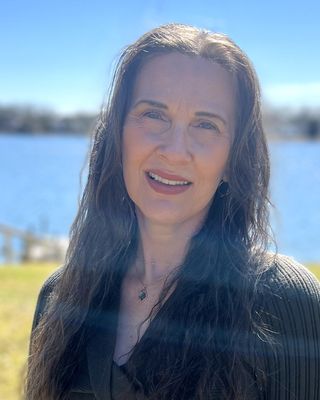
Hosted by Nannette E. Williams
Marriage & Family Therapist, MS, LMFT
Group meets in Charleston, SC 29407
Individual and couples counseling
This 10-week group is for women wanting to free themselves from burnout. This is a space to connect with others while gaining education and tools from Burnout by Emily and Amelia Nagoski. Through supportive group discussion and reflection prompts, participants will explore the themes of the book and step away from this group with tools to improve their burnout. This group will meet virtually weekly on Thursdays, September 3-November 5. Space is limited, so reach out to hello@torigiblintherapy.com today to reserve your spot!
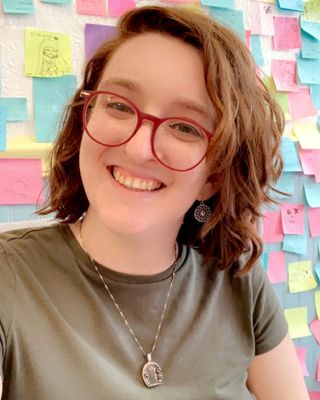
This 10-week group is for women wanting to free themselves from burnout. This is a space to connect with others while gaining education and tools from Burnout by Emily and Amelia Nagoski. Through supportive group discussion and reflection prompts, participants will explore the themes of the book and step away from this group with tools to improve their burnout. This group will meet virtually weekly on Thursdays, September 3-November 5. Space is limited, so reach out to hello@torigiblintherapy.com today to reserve your spot!
An eight week interpersonal process therapy group for men that provides an opportunity for sharing, feedback, vulnerability, and accountability. Group members will be encouraged to share the complexities, stressors, and successes in their lives across all domains, including relationships, mental health, and personal growth. This group will provide a wonderful opportunity for enhancing interpersonal communication skills, improving perspective-taking abilities, and finding support/empathy for fellow men. Group sessions will occur in-person once weekly for 90 minutes. Dr. McGinnis will facilitate the group. Regular attendance for the eight weeks is required.

An eight week interpersonal process therapy group for men that provides an opportunity for sharing, feedback, vulnerability, and accountability. Group members will be encouraged to share the complexities, stressors, and successes in their lives across all domains, including relationships, mental health, and personal growth. This group will provide a wonderful opportunity for enhancing interpersonal communication skills, improving perspective-taking abilities, and finding support/empathy for fellow men. Group sessions will occur in-person once weekly for 90 minutes. Dr. McGinnis will facilitate the group. Regular attendance for the eight weeks is required.
Group therapy offers a safe support system for individuals seeking to explore and grow from their challenging experiences. This virtual group for adults (18+) led by Dr. Ashley Bullock is an immersive group therapy program based on Acceptance and Commitment Therapy (ACT) and incorporates foundational yoga practices and concepts. We will engage in skill learning, mindful yoga practices, and group discussion to further develop emotional balance and psychological flexibility. The group is 1.5 hours a week for 4 weeks. Free initial individual consultations will be provided by Dr. Bullock to introduce group program and determine if group is appropriate.

Group therapy offers a safe support system for individuals seeking to explore and grow from their challenging experiences. This virtual group for adults (18+) led by Dr. Ashley Bullock is an immersive group therapy program based on Acceptance and Commitment Therapy (ACT) and incorporates foundational yoga practices and concepts. We will engage in skill learning, mindful yoga practices, and group discussion to further develop emotional balance and psychological flexibility. The group is 1.5 hours a week for 4 weeks. Free initial individual consultations will be provided by Dr. Bullock to introduce group program and determine if group is appropriate.
To provide support and understanding about the complexities of Eating Disorders to individuals and their families.

Hosted by Donna Marie Friedman
Licensed Professional Counselor, MS, LPC
Group meets in Mount Pleasant, SC 29464
To provide support and understanding about the complexities of Eating Disorders to individuals and their families.
Hey everyone! We are so excited to share that we are beginning an Adult Eating Disorder Support Group this Fall! This group is aimed for those with disordered eating/eating disorders ages 18 and up. This group will run From September 3rd to October 29th, 2026 in-person at Wild Oak Wellness in West Ashley. Please reach out with any questions or concerns!

Hey everyone! We are so excited to share that we are beginning an Adult Eating Disorder Support Group this Fall! This group is aimed for those with disordered eating/eating disorders ages 18 and up. This group will run From September 3rd to October 29th, 2026 in-person at Wild Oak Wellness in West Ashley. Please reach out with any questions or concerns!
See more therapy options for Charleston County


FAQs - About Group Therapy and Support Groups
How can I find a support group in Charleston County?
To find a support group in your area, start by entering your city, zip code, or the name of the group into the search bar at the top of the page. When searching, consider whether you prefer an in-person or virtual group. This can help you decide how broad your geographic search should be. If you are open to virtual groups, you might want to search by state instead of just your city, especially if there are limited options nearby.
Once you complete your search, you can use the filters to narrow the results by selecting specialties (such as grief, trauma, or eating disorders), therapeutic approaches, age groups, and other criteria to find a group that best fits your needs.
Once you complete your search, you can use the filters to narrow the results by selecting specialties (such as grief, trauma, or eating disorders), therapeutic approaches, age groups, and other criteria to find a group that best fits your needs.
How does group therapy work?
Group therapy is led by one or more trained therapists and provides a space where participants can process their experiences and learn from others facing similar challenges. Groups may focus on a specific issue—such as addiction, grief, physical illnesses, parenting, or caregiving—or they may center around a particular therapeutic approach, such as Cognitive Behavioral Therapy (CBT), social skill development, or Exposure Therapy. Some groups are also designed for specific populations, such as teens, veterans, or LGBTQ+ individuals.
It’s also important to distinguish group therapy from peer-led support groups, like Alcoholics Anonymous. While both can offer valuable support, therapy groups are typically led by licensed professionals and follow a more structured format. Therapy groups often meet for a fixed length of time with a consistent group of members, while many peer support groups meet for an indefinite period of time with members coming and going.
It’s also important to distinguish group therapy from peer-led support groups, like Alcoholics Anonymous. While both can offer valuable support, therapy groups are typically led by licensed professionals and follow a more structured format. Therapy groups often meet for a fixed length of time with a consistent group of members, while many peer support groups meet for an indefinite period of time with members coming and going.
What are the benefits of group therapy?
Group therapy offers several important benefits. It brings together people facing similar challenges—whether related to mental health, physical health, or life transitions—and creates a supportive environment where participants can exchange feedback, share experiences, and learn from one another. Hearing different perspectives can help individuals discover new coping strategies and practical tools they may not have encountered on their own. Sharing personal experiences, such as coping with a serious illness or navigating family struggles, can also reduce feelings of isolation and foster a sense of connection and understanding. In addition to emotional support, group members often gain useful, real-world advice from peers who have faced similar situations.
Group therapy is typically more affordable than individual therapy and, for certain conditions, can be equally effective. Many groups also include structured activities—such as guided journaling, cognitive-behavioral exercises, or role-playing—to help participants develop concrete skills they can apply in daily life.
Group therapy is typically more affordable than individual therapy and, for certain conditions, can be equally effective. Many groups also include structured activities—such as guided journaling, cognitive-behavioral exercises, or role-playing—to help participants develop concrete skills they can apply in daily life.
Is group therapy as effective as individual therapy?
It is difficult to make a blanket statement about the effectiveness of support groups, as they vary widely in focus and the conditions they address. However, support groups can be highly valuable in helping individuals gain emotional support and achieve meaningful treatment outcomes. For certain conditions, such as substance use, research has shown that group therapy can be particularly effective—sometimes just as effective as individual therapy—in supporting long-term recovery.
Many professionals attribute the effectiveness of group therapy to the unique benefits of the group setting, which fosters peer-to-peer learning and a sense of connection through shared experiences. Group settings also offer accountability and encouragement from both facilitators and fellow participants, which helps sustain motivation and supports continued progress. These factors together play a key role in promoting the overall effectiveness of group therapy.
Many professionals attribute the effectiveness of group therapy to the unique benefits of the group setting, which fosters peer-to-peer learning and a sense of connection through shared experiences. Group settings also offer accountability and encouragement from both facilitators and fellow participants, which helps sustain motivation and supports continued progress. These factors together play a key role in promoting the overall effectiveness of group therapy.
How much does group therapy cost?
Group therapy is typically less expensive than individual therapy, with sessions typically costing between $50 and $75 each. In comparison, individual therapy can cost anywhere from $100 to $200 or more per session, even with insurance. Some therapists or organizations offer low-cost or free group therapy options, particularly through community centers or nonprofit organizations. In some cases, groups may require payment upfront for a set number of sessions, such as paying for six weekly sessions at the first meeting. However, many providers offer payment plans to help make participation more accessible if this upfront payment is required.
Does insurance cover group therapy?
As with individual therapy, insurance coverage for group therapy varies based on factors such as your specific insurance plan, the purpose of the group, your diagnosis, and whether the group provider is in-network. Many insurance plans cover group therapy sessions that address diagnosable mental health conditions, such as substance use disorders, anxiety, or depression.
However, groups that focus on topics not directly tied to a mental health diagnosis—such as parenting support or divorce recovery—are less likely to be covered. Because coverage can vary widely, it’s important to check with your insurance provider before joining a group to confirm whether the sessions will be covered and what out-of-pocket costs you may be responsible for.
However, groups that focus on topics not directly tied to a mental health diagnosis—such as parenting support or divorce recovery—are less likely to be covered. Because coverage can vary widely, it’s important to check with your insurance provider before joining a group to confirm whether the sessions will be covered and what out-of-pocket costs you may be responsible for.
How long does group therapy last?
The length of each group therapy session typically ranges from 45 minutes to two hours, depending on the therapy approach, the group’s goals, and how often the group meets. In some cases, group therapy is part of a larger treatment program, such as an Intensive Outpatient Program (IOP), where group sessions complement individual therapy and are scheduled as part of the program’s overall structure.
The duration of participation in a group also varies. Some groups are designed to be short-term, lasting anywhere from 6 to 24 weeks—for example, bereavement groups or skills-based groups like those using Dialectical Behavioral Therapy (DBT). Other groups may be longer-term, lasting a year or more, and some ongoing support groups meet indefinitely, allowing participants to stay as long as they find the group helpful.
The duration of participation in a group also varies. Some groups are designed to be short-term, lasting anywhere from 6 to 24 weeks—for example, bereavement groups or skills-based groups like those using Dialectical Behavioral Therapy (DBT). Other groups may be longer-term, lasting a year or more, and some ongoing support groups meet indefinitely, allowing participants to stay as long as they find the group helpful.
What are the limitations of support groups?
Support groups offer many benefits, but they also have certain limitations. Unlike therapy groups, many support groups do not provide formal therapeutic treatment and are not led by licensed mental health professionals. For individuals seeking clinical treatment for specific mental health diagnoses—such as depression, eating disorders, or substance use—individual therapy or group therapy led by a licensed professional may offer more personalized and specialized care.
The effectiveness of a support group also depends heavily on the group’s participants and the overall group dynamic. When members engage respectfully and offer constructive support, the group can foster valuable peer-to-peer learning. However, if certain participants dominate discussions, provide inaccurate advice, or create conflict, it can disrupt the group’s sense of safety and reduce its effectiveness. Confidentiality can also be harder to maintain in support groups, particularly in open groups where participants can join or leave at any time. With new members regularly entering the group, it can be more difficult to build and sustain a consistent sense of trust and privacy.
The effectiveness of a support group also depends heavily on the group’s participants and the overall group dynamic. When members engage respectfully and offer constructive support, the group can foster valuable peer-to-peer learning. However, if certain participants dominate discussions, provide inaccurate advice, or create conflict, it can disrupt the group’s sense of safety and reduce its effectiveness. Confidentiality can also be harder to maintain in support groups, particularly in open groups where participants can join or leave at any time. With new members regularly entering the group, it can be more difficult to build and sustain a consistent sense of trust and privacy.