Support Groups in Bucks County, PA
This is a group for parents of kids with ADHD who are on medication and who are not. We guide parents in dealing with the different issues that present for kids with ADHD. There are often issues with organization at home and school that can wreak havoc on a family. We also discuss issues with the inability to keep a routine, time management, keep up with academics, hygiene, nutrition, sleep and a very messy bedroom. We gather as a group so parents can support each other in their journey to walk beside their adolescent/child with ADHD.

Hosted by Michael Bondar
Psychiatric Nurse Practitioner, PMHNP, BC
Group meets in Doylestown, PA 18901
This is a group for parents of kids with ADHD who are on medication and who are not. We guide parents in dealing with the different issues that present for kids with ADHD. There are often issues with organization at home and school that can wreak havoc on a family. We also discuss issues with the inability to keep a routine, time management, keep up with academics, hygiene, nutrition, sleep and a very messy bedroom. We gather as a group so parents can support each other in their journey to walk beside their adolescent/child with ADHD.
Learning to let go of destructive codependent behaviors that impact all of your relationships. Learn healthier behavior choices for healthier relationships. See options for new communication skills. Break free of old destructive behavior. Develop new healthier and beneficial responses.
Next group start date: Wednesday 02/26/20 6:30pm-8:00pm.
Group will meet for an initial 6 weeks.
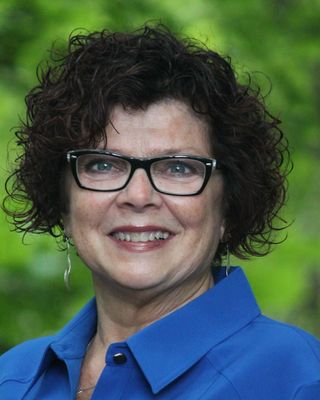
Learning to let go of destructive codependent behaviors that impact all of your relationships. Learn healthier behavior choices for healthier relationships. See options for new communication skills. Break free of old destructive behavior. Develop new healthier and beneficial responses.
Next group start date: Wednesday 02/26/20 6:30pm-8:00pm.
Group will meet for an initial 6 weeks.
Join us for these five weeks to learn new coping skills and apply them to your day-to-day life. When we have a way to cope with the pressures of everyday life that can cause anxiety, depression, and other diagnoses, life can be more manageable.

Join us for these five weeks to learn new coping skills and apply them to your day-to-day life. When we have a way to cope with the pressures of everyday life that can cause anxiety, depression, and other diagnoses, life can be more manageable.
Seeing an increased need for specialized therapists who treat ages 4-24, founders Marykate Schrack and Katie Robbins, decided to create a practice focused specifically on this demographic. Marykate and Katie saw the frustration that many parents experienced when they were shuffled from one office to the next, seeking multiple services for their children and teens. Together, they sought to create a one-stop-shop where parents could access everything from Autism and ADHD testing to full-scale educational and social evaluations, nutritional counseling, sports therapy, and psychiatric services.

Hosted by Marykate Schrack New Outlook Childhood Concentration
Licensed Professional Counselor, MEd, LPC
Group meets in Doylestown, PA 18901
Seeing an increased need for specialized therapists who treat ages 4-24, founders Marykate Schrack and Katie Robbins, decided to create a practice focused specifically on this demographic. Marykate and Katie saw the frustration that many parents experienced when they were shuffled from one office to the next, seeking multiple services for their children and teens. Together, they sought to create a one-stop-shop where parents could access everything from Autism and ADHD testing to full-scale educational and social evaluations, nutritional counseling, sports therapy, and psychiatric services.
Group therapy offers a wonderful support for women. Infants, of course, are always welcome. Issues discussed vary from group to group, but may include relationship issues, societal and family expectations, events and activities in the community, developing support networks and infant and child development. Please call first for a consultation. Time of group may be changed.

Group therapy offers a wonderful support for women. Infants, of course, are always welcome. Issues discussed vary from group to group, but may include relationship issues, societal and family expectations, events and activities in the community, developing support networks and infant and child development. Please call first for a consultation. Time of group may be changed.
The group is led by .a Psychiatric Provider, an ADHD Therapist, an Executive Functioning Skills Coach, a Psychologist who performs ADHD Evaluations, and a Holistic Health Coach. We educate parents' who have a child of any age who has been diagnosed with ADHD. We review how ADHD can impact all aspects of their child's daily life including academics, relationships, and family, We review the latest research on the ADHD medications, and the MTH-FR Genetic Mutation and its possible role with ADHD. We explain the differences and benefits of ADHD Therapy, ADHD Coaching, and Executive Functioning Skills Coaching.
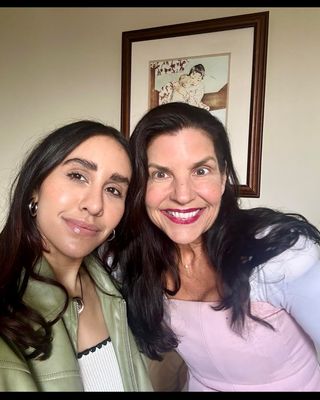
The group is led by .a Psychiatric Provider, an ADHD Therapist, an Executive Functioning Skills Coach, a Psychologist who performs ADHD Evaluations, and a Holistic Health Coach. We educate parents' who have a child of any age who has been diagnosed with ADHD. We review how ADHD can impact all aspects of their child's daily life including academics, relationships, and family, We review the latest research on the ADHD medications, and the MTH-FR Genetic Mutation and its possible role with ADHD. We explain the differences and benefits of ADHD Therapy, ADHD Coaching, and Executive Functioning Skills Coaching.
Doylestown. Donation basis, informal group for social skills and connection. This is a very fun, casual, and warm group... Saturdays 12-2

Hosted by Peter J. Ryan
Licensed Professional Counselor, MSc, LPC, FOT
Group meets in Doylestown, PA 18901
Doylestown. Donation basis, informal group for social skills and connection. This is a very fun, casual, and warm group... Saturdays 12-2
We will identify what drives women to do so much. Explore our thoughts(+ and -) about ourselves. We will discuss fear based beliefs that cause negative feelings, and in the end, ignite patterns that are not working in our lives. We will be solution focused in finding new healthier ways of dealing with life's stressors.

We will identify what drives women to do so much. Explore our thoughts(+ and -) about ourselves. We will discuss fear based beliefs that cause negative feelings, and in the end, ignite patterns that are not working in our lives. We will be solution focused in finding new healthier ways of dealing with life's stressors.
The Couples Relationship Skills Building Group is a small group (2-4 couples) who come together to learn about relationship skills that will help their communication, build trust, resolve conflict and enhance their understanding of each other. The group meets for 2 hours weekly for 8 weeks. Each session of 2 hours is structured to learn how to be in a relationship with your partner and feel that you can be heard and understood. Experiential exercises are provided and homework is expected to help in building a better and healthy relationship.

The Couples Relationship Skills Building Group is a small group (2-4 couples) who come together to learn about relationship skills that will help their communication, build trust, resolve conflict and enhance their understanding of each other. The group meets for 2 hours weekly for 8 weeks. Each session of 2 hours is structured to learn how to be in a relationship with your partner and feel that you can be heard and understood. Experiential exercises are provided and homework is expected to help in building a better and healthy relationship.
Modern Behavioral was created with a vision of connecting clients with a rejuvenating healing atmosphere in mind. We understand the value of attending to details in design, quality of staff and services when it comes to creating a Zen experience for our clients. We place our focus on balancing Behavioral, Spiritual and Physical health as a whole. The conventional pharmacologically based treatment addresses mental health from only one angle potentially resulting in long term consequences. We believe that integrating a Holistic approach to a healthier lifestyle only makes sense... not Dollar$.

Modern Behavioral was created with a vision of connecting clients with a rejuvenating healing atmosphere in mind. We understand the value of attending to details in design, quality of staff and services when it comes to creating a Zen experience for our clients. We place our focus on balancing Behavioral, Spiritual and Physical health as a whole. The conventional pharmacologically based treatment addresses mental health from only one angle potentially resulting in long term consequences. We believe that integrating a Holistic approach to a healthier lifestyle only makes sense... not Dollar$.
Studies have shown that groups in conjunction with psychotherapy and medication (if needed) is the most successful combination in healing and maintaining health and happiness. We provide a supportive, confidential and safe environment where there is a family feeling of caring and concern for every client. Call for times as each group is different.
Studies have shown that groups in conjunction with psychotherapy and medication (if needed) is the most successful combination in healing and maintaining health and happiness. We provide a supportive, confidential and safe environment where there is a family feeling of caring and concern for every client. Call for times as each group is different.
This is a group addressing how we hurt ourselves by displacing our emotional problems on our bodies. Participants must be ready to move beyond their self-harming behaviors. We discuss how self-harming behaviors are addictive because they were 'adapted' for dealing with adverse childhood events. We learn how to safely reveal and re-'view' the negative emotions and core beliefs. A music selection from one participant enables everyone to find their personal imagery and words to 'express the distress' of events that still hurt. This sharing empowers participants to choose creative action even under the stress of daily life.

Hosted by Nancy E. Lubow PhD. LPC, MT-BC
Licensed Professional Counselor, PhD, LPC, MT-BC
Group meets in Quakertown, PA 18951
This is a group addressing how we hurt ourselves by displacing our emotional problems on our bodies. Participants must be ready to move beyond their self-harming behaviors. We discuss how self-harming behaviors are addictive because they were 'adapted' for dealing with adverse childhood events. We learn how to safely reveal and re-'view' the negative emotions and core beliefs. A music selection from one participant enables everyone to find their personal imagery and words to 'express the distress' of events that still hurt. This sharing empowers participants to choose creative action even under the stress of daily life.
In person DBT group for teens 14-16. During this 16 week group, your teen will build new skills that will help them make more mindful decisions, increase distress tolerance, decrease impulsive or self-destructive behaviors, and increase feelings of self-trust and confidence. Your teen will learn effective ways to seek support and engage in healthy and satisfying relationships with others. Your teen will engage in learning DBT skills through group activities and discussion and engage in in-session skills practice with other group members. Group starts Wednesday November 4 2026.

Hosted by Sabrie Hawkins
Licensed Professional Counselor, LPC
Group meets in Fountainville, PA 18923
In person DBT group for teens 14-16. During this 16 week group, your teen will build new skills that will help them make more mindful decisions, increase distress tolerance, decrease impulsive or self-destructive behaviors, and increase feelings of self-trust and confidence. Your teen will learn effective ways to seek support and engage in healthy and satisfying relationships with others. Your teen will engage in learning DBT skills through group activities and discussion and engage in in-session skills practice with other group members. Group starts Wednesday November 4 2026.
Experience a chance to discover your own spirituality, health, and awareness. Through interactive discussions, participants will reveal their own blocks and fears toward mental health and create a life of awareness using ancient philosophies that provide insight into the essence and meaning of life. Combining the methods of breathing, imagery, energy, processing, and change participants will create the life they desire.

Experience a chance to discover your own spirituality, health, and awareness. Through interactive discussions, participants will reveal their own blocks and fears toward mental health and create a life of awareness using ancient philosophies that provide insight into the essence and meaning of life. Combining the methods of breathing, imagery, energy, processing, and change participants will create the life they desire.
Men's group explores issues important to guys in a supportive environment. We meet monthly, usually on Monday evenings. Join us!

Hosted by Rik Fire
Clinical Social Work/Therapist, MSW, LCSW, LISW, LICSW
Group meets in Warminster, PA 18974
Men's group explores issues important to guys in a supportive environment. We meet monthly, usually on Monday evenings. Join us!
Hope Springs takes a unique approach to each individual. We treat teens and adults. The experienced staff at Hope Springs has embraced the philosophy that each of us is very different even when suffering from similar conditions. Although our treatment plans are based on proven techniques, we realize that there is not a one size fits all treatment plan.

Hope Springs takes a unique approach to each individual. We treat teens and adults. The experienced staff at Hope Springs has embraced the philosophy that each of us is very different even when suffering from similar conditions. Although our treatment plans are based on proven techniques, we realize that there is not a one size fits all treatment plan.
Relational Resilience is an 8-week, 90-minute closed, trauma-informed process group for high-functioning women who feel stuck in repeating attachment patterns. Participants are often capable and responsible in many areas of life professionally, at home, or in care-giving roles yet struggle with emotional reactivity, insecurity, or recurring conflict in close relationships. Through guided discussion, attachment education, and structured reflection, members learn to regulate triggers, strengthen boundaries, interrupt destructive cycles, and build secure relational patterns.

Hosted by The Solution Therapy Group
Marriage & Family Therapist, MA, LMFT
Group meets in Doylestown, PA 18901
Relational Resilience is an 8-week, 90-minute closed, trauma-informed process group for high-functioning women who feel stuck in repeating attachment patterns. Participants are often capable and responsible in many areas of life professionally, at home, or in care-giving roles yet struggle with emotional reactivity, insecurity, or recurring conflict in close relationships. Through guided discussion, attachment education, and structured reflection, members learn to regulate triggers, strengthen boundaries, interrupt destructive cycles, and build secure relational patterns.
LEGO Club - This group is designed to support the development of cooperation, verbal and nonverbal communication, joint attention, problem solving, and friendship skills. Children ages 10-13 work together to build a LEGO set. Based on the set, they then create a script and produce a Lego movie. Children develop social skills in a natural, exciting and creative way. Facilitated by a child/Adolescent Licensed Psychologist. Please call our center for details.

LEGO Club - This group is designed to support the development of cooperation, verbal and nonverbal communication, joint attention, problem solving, and friendship skills. Children ages 10-13 work together to build a LEGO set. Based on the set, they then create a script and produce a Lego movie. Children develop social skills in a natural, exciting and creative way. Facilitated by a child/Adolescent Licensed Psychologist. Please call our center for details.
I am offering group supervision for those who are pre-licensed and looking to acquire some supervisory hours through a group setting. As per the guidelines, pre-licensed professionals can seek group supervision, "... at least 1 of the 2 hours shall be with the supervisee individually and in person, and 1 of the 2 hours may be with the supervisee in a group setting and in person." This will be a small group (maximum 4 people) and will meet monthly for 4 hours. Time and date TBD depending on availability.

Hosted by Gina Marie Murphy
Licensed Professional Counselor, MS, LPC, NCC
Group meets in Yardley, PA 19067
I am offering group supervision for those who are pre-licensed and looking to acquire some supervisory hours through a group setting. As per the guidelines, pre-licensed professionals can seek group supervision, "... at least 1 of the 2 hours shall be with the supervisee individually and in person, and 1 of the 2 hours may be with the supervisee in a group setting and in person." This will be a small group (maximum 4 people) and will meet monthly for 4 hours. Time and date TBD depending on availability.
Liv Associates is a private outpatient counseling center committed to providing clinical expertise and support as you work to improve and enrich your life. Our goal is to provide a variety of Psychological Services, Testing/Assessments to children, adolescents, and adults in a warm and supportive environment.

Liv Associates is a private outpatient counseling center committed to providing clinical expertise and support as you work to improve and enrich your life. Our goal is to provide a variety of Psychological Services, Testing/Assessments to children, adolescents, and adults in a warm and supportive environment.
See more therapy options for Bucks County


FAQs - About Group Therapy and Support Groups
How can I find a support group in Bucks County?
To find a support group in your area, start by entering your city, zip code, or the name of the group into the search bar at the top of the page. When searching, consider whether you prefer an in-person or virtual group. This can help you decide how broad your geographic search should be. If you are open to virtual groups, you might want to search by state instead of just your city, especially if there are limited options nearby.
Once you complete your search, you can use the filters to narrow the results by selecting specialties (such as grief, trauma, or eating disorders), therapeutic approaches, age groups, and other criteria to find a group that best fits your needs.
Once you complete your search, you can use the filters to narrow the results by selecting specialties (such as grief, trauma, or eating disorders), therapeutic approaches, age groups, and other criteria to find a group that best fits your needs.
How does group therapy work?
Group therapy is led by one or more trained therapists and provides a space where participants can process their experiences and learn from others facing similar challenges. Groups may focus on a specific issue—such as addiction, grief, physical illnesses, parenting, or caregiving—or they may center around a particular therapeutic approach, such as Cognitive Behavioral Therapy (CBT), social skill development, or Exposure Therapy. Some groups are also designed for specific populations, such as teens, veterans, or LGBTQ+ individuals.
It’s also important to distinguish group therapy from peer-led support groups, like Alcoholics Anonymous. While both can offer valuable support, therapy groups are typically led by licensed professionals and follow a more structured format. Therapy groups often meet for a fixed length of time with a consistent group of members, while many peer support groups meet for an indefinite period of time with members coming and going.
It’s also important to distinguish group therapy from peer-led support groups, like Alcoholics Anonymous. While both can offer valuable support, therapy groups are typically led by licensed professionals and follow a more structured format. Therapy groups often meet for a fixed length of time with a consistent group of members, while many peer support groups meet for an indefinite period of time with members coming and going.
What are the benefits of group therapy?
Group therapy offers several important benefits. It brings together people facing similar challenges—whether related to mental health, physical health, or life transitions—and creates a supportive environment where participants can exchange feedback, share experiences, and learn from one another. Hearing different perspectives can help individuals discover new coping strategies and practical tools they may not have encountered on their own. Sharing personal experiences, such as coping with a serious illness or navigating family struggles, can also reduce feelings of isolation and foster a sense of connection and understanding. In addition to emotional support, group members often gain useful, real-world advice from peers who have faced similar situations.
Group therapy is typically more affordable than individual therapy and, for certain conditions, can be equally effective. Many groups also include structured activities—such as guided journaling, cognitive-behavioral exercises, or role-playing—to help participants develop concrete skills they can apply in daily life.
Group therapy is typically more affordable than individual therapy and, for certain conditions, can be equally effective. Many groups also include structured activities—such as guided journaling, cognitive-behavioral exercises, or role-playing—to help participants develop concrete skills they can apply in daily life.
Is group therapy as effective as individual therapy?
It is difficult to make a blanket statement about the effectiveness of support groups, as they vary widely in focus and the conditions they address. However, support groups can be highly valuable in helping individuals gain emotional support and achieve meaningful treatment outcomes. For certain conditions, such as substance use, research has shown that group therapy can be particularly effective—sometimes just as effective as individual therapy—in supporting long-term recovery.
Many professionals attribute the effectiveness of group therapy to the unique benefits of the group setting, which fosters peer-to-peer learning and a sense of connection through shared experiences. Group settings also offer accountability and encouragement from both facilitators and fellow participants, which helps sustain motivation and supports continued progress. These factors together play a key role in promoting the overall effectiveness of group therapy.
Many professionals attribute the effectiveness of group therapy to the unique benefits of the group setting, which fosters peer-to-peer learning and a sense of connection through shared experiences. Group settings also offer accountability and encouragement from both facilitators and fellow participants, which helps sustain motivation and supports continued progress. These factors together play a key role in promoting the overall effectiveness of group therapy.
How much does group therapy cost?
Group therapy is typically less expensive than individual therapy, with sessions typically costing between $50 and $75 each. In comparison, individual therapy can cost anywhere from $100 to $200 or more per session, even with insurance. Some therapists or organizations offer low-cost or free group therapy options, particularly through community centers or nonprofit organizations. In some cases, groups may require payment upfront for a set number of sessions, such as paying for six weekly sessions at the first meeting. However, many providers offer payment plans to help make participation more accessible if this upfront payment is required.
Does insurance cover group therapy?
As with individual therapy, insurance coverage for group therapy varies based on factors such as your specific insurance plan, the purpose of the group, your diagnosis, and whether the group provider is in-network. Many insurance plans cover group therapy sessions that address diagnosable mental health conditions, such as substance use disorders, anxiety, or depression.
However, groups that focus on topics not directly tied to a mental health diagnosis—such as parenting support or divorce recovery—are less likely to be covered. Because coverage can vary widely, it’s important to check with your insurance provider before joining a group to confirm whether the sessions will be covered and what out-of-pocket costs you may be responsible for.
However, groups that focus on topics not directly tied to a mental health diagnosis—such as parenting support or divorce recovery—are less likely to be covered. Because coverage can vary widely, it’s important to check with your insurance provider before joining a group to confirm whether the sessions will be covered and what out-of-pocket costs you may be responsible for.
How long does group therapy last?
The length of each group therapy session typically ranges from 45 minutes to two hours, depending on the therapy approach, the group’s goals, and how often the group meets. In some cases, group therapy is part of a larger treatment program, such as an Intensive Outpatient Program (IOP), where group sessions complement individual therapy and are scheduled as part of the program’s overall structure.
The duration of participation in a group also varies. Some groups are designed to be short-term, lasting anywhere from 6 to 24 weeks—for example, bereavement groups or skills-based groups like those using Dialectical Behavioral Therapy (DBT). Other groups may be longer-term, lasting a year or more, and some ongoing support groups meet indefinitely, allowing participants to stay as long as they find the group helpful.
The duration of participation in a group also varies. Some groups are designed to be short-term, lasting anywhere from 6 to 24 weeks—for example, bereavement groups or skills-based groups like those using Dialectical Behavioral Therapy (DBT). Other groups may be longer-term, lasting a year or more, and some ongoing support groups meet indefinitely, allowing participants to stay as long as they find the group helpful.
What are the limitations of support groups?
Support groups offer many benefits, but they also have certain limitations. Unlike therapy groups, many support groups do not provide formal therapeutic treatment and are not led by licensed mental health professionals. For individuals seeking clinical treatment for specific mental health diagnoses—such as depression, eating disorders, or substance use—individual therapy or group therapy led by a licensed professional may offer more personalized and specialized care.
The effectiveness of a support group also depends heavily on the group’s participants and the overall group dynamic. When members engage respectfully and offer constructive support, the group can foster valuable peer-to-peer learning. However, if certain participants dominate discussions, provide inaccurate advice, or create conflict, it can disrupt the group’s sense of safety and reduce its effectiveness. Confidentiality can also be harder to maintain in support groups, particularly in open groups where participants can join or leave at any time. With new members regularly entering the group, it can be more difficult to build and sustain a consistent sense of trust and privacy.
The effectiveness of a support group also depends heavily on the group’s participants and the overall group dynamic. When members engage respectfully and offer constructive support, the group can foster valuable peer-to-peer learning. However, if certain participants dominate discussions, provide inaccurate advice, or create conflict, it can disrupt the group’s sense of safety and reduce its effectiveness. Confidentiality can also be harder to maintain in support groups, particularly in open groups where participants can join or leave at any time. With new members regularly entering the group, it can be more difficult to build and sustain a consistent sense of trust and privacy.