Support Groups in Silverton, OR
Group therapy TBD on size and interest from community.

Group therapy TBD on size and interest from community.
Psycho education skills group TBD on class size and community interest. Topics include: coping skills, interpersonal/communication skills, and more.
Psycho education skills group TBD on class size and community interest. Topics include: coping skills, interpersonal/communication skills, and more.
More Groups Nearby
As a community of fellow humans on this life journey, we gather. With the purpose of co-creating, support, and laughter we gather. In honor of spirit, rhythm, deep and authentic connection, releasing and allowing, we gather. A Sacred Circle is a time and space for rhythm, movement and connection, a place to honor our spirit within. It is a gathering to create a community of support with a common language of compassion.We support each other as fellow travelers on this journey of life.

Hosted by Lydia Byhardt Bollinger
Clinical Social Work/Therapist, MSW, LCSW
Group meets in West Linn, OR 97068
As a community of fellow humans on this life journey, we gather. With the purpose of co-creating, support, and laughter we gather. In honor of spirit, rhythm, deep and authentic connection, releasing and allowing, we gather. A Sacred Circle is a time and space for rhythm, movement and connection, a place to honor our spirit within. It is a gathering to create a community of support with a common language of compassion.We support each other as fellow travelers on this journey of life.
Psychotherapy

Psychotherapy
Early adulthood can feel exciting, overwhelming, and lonely all at the same time. Whether you're in college, working, figuring out your next step, building relationships, or wondering if everyone else has life more together than you do, you're not alone. This group is a space for women ages 18–25 to slow down, process life's challenges, and build meaningful connection with others navigating a similar season. We'll explore topics like anxiety, relationships, identity, life transitions, and the pressures of adulthood in a supportive, judgment-free environment.

Early adulthood can feel exciting, overwhelming, and lonely all at the same time. Whether you're in college, working, figuring out your next step, building relationships, or wondering if everyone else has life more together than you do, you're not alone. This group is a space for women ages 18–25 to slow down, process life's challenges, and build meaningful connection with others navigating a similar season. We'll explore topics like anxiety, relationships, identity, life transitions, and the pressures of adulthood in a supportive, judgment-free environment.
Are you feeling the call to shed, shift, and realign? Join us for a guided soul - spring cleaning - a powerful monthly journey inward. This is a safe, sacred space to: ? Release stuck energy & emotional residue ? Reconnect with your intuitive self ? Explore your inner world with grounded support ? Receive mystical insight through guided practice Clinically informed. Led by Lisa Solterbeck LCSW Intuitive Empath $150 per person | Space is limited by design Attend one or all. Let the healing begin, come as you are. Leave more whole. March 26th, April 30th, May 28th, June 25th, July 30th, August 27th, September 24
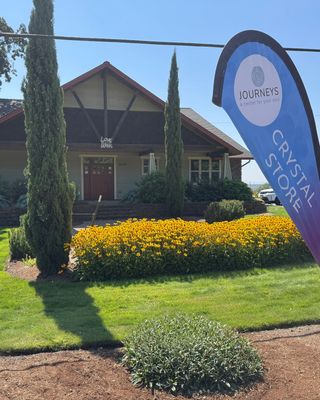
Hosted by Journeys A Center for Your Soul
Clinical Social Work/Therapist, LCSW, CHT
Group meets in Salem, OR 97304
Are you feeling the call to shed, shift, and realign? Join us for a guided soul - spring cleaning - a powerful monthly journey inward. This is a safe, sacred space to: ? Release stuck energy & emotional residue ? Reconnect with your intuitive self ? Explore your inner world with grounded support ? Receive mystical insight through guided practice Clinically informed. Led by Lisa Solterbeck LCSW Intuitive Empath $150 per person | Space is limited by design Attend one or all. Let the healing begin, come as you are. Leave more whole. March 26th, April 30th, May 28th, June 25th, July 30th, August 27th, September 24
The Behavioral Health Men's Group is a supportive community dedicated to fostering mental wellness among men. We provide a safe and welcoming space for participants to share experiences, gain insights, and develop effective coping strategies. Rooted in a sense of belonging, our group expands the 'Circle of Concern,' offering support for those navigating mental health challenges while focusing on personal growth, emotional resilience, and mentorship. Stay tuned—more details coming soon.

Hosted by Grassroots Counseling & Consulting, LLC - Salem
Clinical Social Work/Therapist, LCSW
Group meets in Salem, OR 97301
The Behavioral Health Men's Group is a supportive community dedicated to fostering mental wellness among men. We provide a safe and welcoming space for participants to share experiences, gain insights, and develop effective coping strategies. Rooted in a sense of belonging, our group expands the 'Circle of Concern,' offering support for those navigating mental health challenges while focusing on personal growth, emotional resilience, and mentorship. Stay tuned—more details coming soon.
Starting in June for adults with caregivers who were unavailable, invalidating, overly self-focused, leaving you without the support needed for development. You'll learn about emotionally immature parenting & how it can contribute to difficulties with emotional regulation, boundaries, self-esteem, & relationships. The group aims to validate experiences and feelings of loss, anger, or confusion that often arise from childhood experiences with EIP. Members are encouraged to acknowledge these patterns are common responses to early environments that lacked attuned emotional support. The group provides opportunities to share narratives, learn from one another’s experiences, and foster a sense of belonging.

Hosted by Ashley Garcia
Marriage & Family Therapist, MA , LMFT, CCTS-I
Group meets in Sherwood, OR 97140
Starting in June for adults with caregivers who were unavailable, invalidating, overly self-focused, leaving you without the support needed for development. You'll learn about emotionally immature parenting & how it can contribute to difficulties with emotional regulation, boundaries, self-esteem, & relationships. The group aims to validate experiences and feelings of loss, anger, or confusion that often arise from childhood experiences with EIP. Members are encouraged to acknowledge these patterns are common responses to early environments that lacked attuned emotional support. The group provides opportunities to share narratives, learn from one another’s experiences, and foster a sense of belonging.
Losing a pet is like losing a family member, and the grief can feel overwhelming. Our Pet Loss Support Group offers a compassionate space to connect with others who understand. You don't have to navigate this alone. Share stories, find comfort, and learn coping strategies in a supportive and confidential environment. This is a place to honor your pet's memory and begin to heal. Sharing is optional; listening is always welcome. Art activities are optional but encouraged.

Hosted by Holly Schaffer
Licensed Professional Counselor, L, P, C
Group meets in Lake Oswego, OR 97035
Losing a pet is like losing a family member, and the grief can feel overwhelming. Our Pet Loss Support Group offers a compassionate space to connect with others who understand. You don't have to navigate this alone. Share stories, find comfort, and learn coping strategies in a supportive and confidential environment. This is a place to honor your pet's memory and begin to heal. Sharing is optional; listening is always welcome. Art activities are optional but encouraged.
One day small group of 5 retreat in Salem on April 20th. Full day retreat includes: Grounding Meditation Group Ketamine-Assisted Psychotherapy Journey Lunch One on One integration check-in Group integration process Sound healing and breathing practice to close. This also includes one 90-minute group prep session and one 90-minute group integration session.

One day small group of 5 retreat in Salem on April 20th. Full day retreat includes: Grounding Meditation Group Ketamine-Assisted Psychotherapy Journey Lunch One on One integration check-in Group integration process Sound healing and breathing practice to close. This also includes one 90-minute group prep session and one 90-minute group integration session.
This group was for kids ages 5-12 years old who's parent's are going through or have gone through divorce. For 13 weeks, I helped lead this group as a counseling intern providing psycho-education, curriculum, and Christian centered care for these kids. The group when alongside Divorce Care for Adults. Offered every summer/fall. Please contact me for current times, days, and start dates for the next group.

This group was for kids ages 5-12 years old who's parent's are going through or have gone through divorce. For 13 weeks, I helped lead this group as a counseling intern providing psycho-education, curriculum, and Christian centered care for these kids. The group when alongside Divorce Care for Adults. Offered every summer/fall. Please contact me for current times, days, and start dates for the next group.
Starting on 5/28/26 This group is a specialized, trauma-informed intervention designed to support women 18+ in understanding and processing their trauma experiences while fostering healing and resilience. It offers a balance of psychoeducation and experiential processing, providing both knowledge and a safe space for emotional exploration and growth. Participants learn about the neurobiological and psychological impacts of trauma, including how traumatic experiences can affect mood regulation, relationships, and overall well-being.
Hosted by Ashley Garcia
Marriage & Family Therapist, MA , LMFT, CCTS-I
Group meets in Sherwood, OR 97140
Starting on 5/28/26 This group is a specialized, trauma-informed intervention designed to support women 18+ in understanding and processing their trauma experiences while fostering healing and resilience. It offers a balance of psychoeducation and experiential processing, providing both knowledge and a safe space for emotional exploration and growth. Participants learn about the neurobiological and psychological impacts of trauma, including how traumatic experiences can affect mood regulation, relationships, and overall well-being.
Telehealth DBT Skills Group from the comfort of your home.

Hosted by Pathways to Wellbeing Counseling
Pre-Licensed Professional, BS, MA, PCA, YT, MT
Group meets in Tigard, OR 97224
Telehealth DBT Skills Group from the comfort of your home.
Parent / Guardian Support Group is available to families during the inquiry process before admission, during treatment and after discharge. This group provides a space for families to receive and offer support as well as education on recovery, resiliency, healthy communication and setting nurturing boundaries for families with youth in Madrona Recovery residential treatment services.

Parent / Guardian Support Group is available to families during the inquiry process before admission, during treatment and after discharge. This group provides a space for families to receive and offer support as well as education on recovery, resiliency, healthy communication and setting nurturing boundaries for families with youth in Madrona Recovery residential treatment services.
Hypnosis for weight loss. Learn about health, increase self esteem, reduce stress and achieve your body goals. This is the perfect complement to any diet or weight loss regimen. Hypnosis helps you lose weight for LIFE because we change the core beliefs you have about yourself. Poor habits are released and a positive lifestyle becomes natural.

Hypnosis for weight loss. Learn about health, increase self esteem, reduce stress and achieve your body goals. This is the perfect complement to any diet or weight loss regimen. Hypnosis helps you lose weight for LIFE because we change the core beliefs you have about yourself. Poor habits are released and a positive lifestyle becomes natural.
Online May 20th-June 17th. This course will get you into a creative flow and offers psychoeducation about creativity and mental health. Participants will create art at home and utilize it explore personal struggles and discover new perspectives. If you are ready to look at the parts of yourself where you might stuck and are able to share about your experiences with others, this course might be right for you. OHP insurance accepted.

Online May 20th-June 17th. This course will get you into a creative flow and offers psychoeducation about creativity and mental health. Participants will create art at home and utilize it explore personal struggles and discover new perspectives. If you are ready to look at the parts of yourself where you might stuck and are able to share about your experiences with others, this course might be right for you. OHP insurance accepted.
Group Supervision for those seeking LCSW or LPC licensure. Special focus on working with children, using art and somatic therapies, integrating neuroscience and a deeper understanding of trauma.
Hosted by Lydia Byhardt Bollinger
Clinical Social Work/Therapist, MSW, LCSW
Group meets in West Linn, OR 97068
Group Supervision for those seeking LCSW or LPC licensure. Special focus on working with children, using art and somatic therapies, integrating neuroscience and a deeper understanding of trauma.
This is a monthly group that meets virtually. In this group you will learn how to deeply relax, which can prepare the body for sleep. The techniques are aimed to quiet the mind and to balance the nervous system. This group is a support for anyone experiencing stress, and is particularly useful for healthcare workers and those in the healing professions who are experiencing burn out or compassion fatigue.

This is a monthly group that meets virtually. In this group you will learn how to deeply relax, which can prepare the body for sleep. The techniques are aimed to quiet the mind and to balance the nervous system. This group is a support for anyone experiencing stress, and is particularly useful for healthcare workers and those in the healing professions who are experiencing burn out or compassion fatigue.
Looking to unblock your creativity and claim your creative spirit? The Artist's Way leads participants through weekly checkins, creative exercises, and self exploration to get closer to their authentic creative core. This group follows a non-denominational spiritual approach. First group starts on January 6th, 2026. Visit www.enlightencandc.com to sign up!

Hosted by Enlighten Counseling and Consulting, LLC
Licensed Professional Counselor, LPC, CRC
Group meets in Salem, OR 97304
Looking to unblock your creativity and claim your creative spirit? The Artist's Way leads participants through weekly checkins, creative exercises, and self exploration to get closer to their authentic creative core. This group follows a non-denominational spiritual approach. First group starts on January 6th, 2026. Visit www.enlightencandc.com to sign up!
This support group combines equine therapy, meditation, energetics, and couple & family mental healthcare for parents in any season of parenthood. This group welcomes parents-to-be, pregnant parents, parents who have lost children, postpartum parents, parents at any stage of their child's development, and grandparents too. We meet bi-weekly at Helping Hands Healing Sanctuary in Newberg, OR on Saturday afternoons from 2:30 to 4:30 pm beginning in March 2027. We will be exploring somatic & energetic regulation, intergenerational healing, and prenatal & postpartum support, all grounded in community care. Please reach out to schedule and to learn more!

Hosted by Satya MacGregor
Marriage & Family Therapist, MS, LMFT, CHT, RM
Group meets in Newberg, OR 97132
This support group combines equine therapy, meditation, energetics, and couple & family mental healthcare for parents in any season of parenthood. This group welcomes parents-to-be, pregnant parents, parents who have lost children, postpartum parents, parents at any stage of their child's development, and grandparents too. We meet bi-weekly at Helping Hands Healing Sanctuary in Newberg, OR on Saturday afternoons from 2:30 to 4:30 pm beginning in March 2027. We will be exploring somatic & energetic regulation, intergenerational healing, and prenatal & postpartum support, all grounded in community care. Please reach out to schedule and to learn more!
See more therapy options for Silverton


FAQs - About Group Therapy and Support Groups
How can I find a support group in Silverton?
To find a support group in your area, start by entering your city, zip code, or the name of the group into the search bar at the top of the page. When searching, consider whether you prefer an in-person or virtual group. This can help you decide how broad your geographic search should be. If you are open to virtual groups, you might want to search by state instead of just your city, especially if there are limited options nearby.
Once you complete your search, you can use the filters to narrow the results by selecting specialties (such as grief, trauma, or eating disorders), therapeutic approaches, age groups, and other criteria to find a group that best fits your needs.
Once you complete your search, you can use the filters to narrow the results by selecting specialties (such as grief, trauma, or eating disorders), therapeutic approaches, age groups, and other criteria to find a group that best fits your needs.
How does group therapy work?
Group therapy is led by one or more trained therapists and provides a space where participants can process their experiences and learn from others facing similar challenges. Groups may focus on a specific issue—such as addiction, grief, physical illnesses, parenting, or caregiving—or they may center around a particular therapeutic approach, such as Cognitive Behavioral Therapy (CBT), social skill development, or Exposure Therapy. Some groups are also designed for specific populations, such as teens, veterans, or LGBTQ+ individuals.
It’s also important to distinguish group therapy from peer-led support groups, like Alcoholics Anonymous. While both can offer valuable support, therapy groups are typically led by licensed professionals and follow a more structured format. Therapy groups often meet for a fixed length of time with a consistent group of members, while many peer support groups meet for an indefinite period of time with members coming and going.
It’s also important to distinguish group therapy from peer-led support groups, like Alcoholics Anonymous. While both can offer valuable support, therapy groups are typically led by licensed professionals and follow a more structured format. Therapy groups often meet for a fixed length of time with a consistent group of members, while many peer support groups meet for an indefinite period of time with members coming and going.
What are the benefits of group therapy?
Group therapy offers several important benefits. It brings together people facing similar challenges—whether related to mental health, physical health, or life transitions—and creates a supportive environment where participants can exchange feedback, share experiences, and learn from one another. Hearing different perspectives can help individuals discover new coping strategies and practical tools they may not have encountered on their own. Sharing personal experiences, such as coping with a serious illness or navigating family struggles, can also reduce feelings of isolation and foster a sense of connection and understanding. In addition to emotional support, group members often gain useful, real-world advice from peers who have faced similar situations.
Group therapy is typically more affordable than individual therapy and, for certain conditions, can be equally effective. Many groups also include structured activities—such as guided journaling, cognitive-behavioral exercises, or role-playing—to help participants develop concrete skills they can apply in daily life.
Group therapy is typically more affordable than individual therapy and, for certain conditions, can be equally effective. Many groups also include structured activities—such as guided journaling, cognitive-behavioral exercises, or role-playing—to help participants develop concrete skills they can apply in daily life.
Is group therapy as effective as individual therapy?
It is difficult to make a blanket statement about the effectiveness of support groups, as they vary widely in focus and the conditions they address. However, support groups can be highly valuable in helping individuals gain emotional support and achieve meaningful treatment outcomes. For certain conditions, such as substance use, research has shown that group therapy can be particularly effective—sometimes just as effective as individual therapy—in supporting long-term recovery.
Many professionals attribute the effectiveness of group therapy to the unique benefits of the group setting, which fosters peer-to-peer learning and a sense of connection through shared experiences. Group settings also offer accountability and encouragement from both facilitators and fellow participants, which helps sustain motivation and supports continued progress. These factors together play a key role in promoting the overall effectiveness of group therapy.
Many professionals attribute the effectiveness of group therapy to the unique benefits of the group setting, which fosters peer-to-peer learning and a sense of connection through shared experiences. Group settings also offer accountability and encouragement from both facilitators and fellow participants, which helps sustain motivation and supports continued progress. These factors together play a key role in promoting the overall effectiveness of group therapy.
How much does group therapy cost?
Group therapy is typically less expensive than individual therapy, with sessions typically costing between $50 and $75 each. In comparison, individual therapy can cost anywhere from $100 to $200 or more per session, even with insurance. Some therapists or organizations offer low-cost or free group therapy options, particularly through community centers or nonprofit organizations. In some cases, groups may require payment upfront for a set number of sessions, such as paying for six weekly sessions at the first meeting. However, many providers offer payment plans to help make participation more accessible if this upfront payment is required.
Does insurance cover group therapy?
As with individual therapy, insurance coverage for group therapy varies based on factors such as your specific insurance plan, the purpose of the group, your diagnosis, and whether the group provider is in-network. Many insurance plans cover group therapy sessions that address diagnosable mental health conditions, such as substance use disorders, anxiety, or depression.
However, groups that focus on topics not directly tied to a mental health diagnosis—such as parenting support or divorce recovery—are less likely to be covered. Because coverage can vary widely, it’s important to check with your insurance provider before joining a group to confirm whether the sessions will be covered and what out-of-pocket costs you may be responsible for.
However, groups that focus on topics not directly tied to a mental health diagnosis—such as parenting support or divorce recovery—are less likely to be covered. Because coverage can vary widely, it’s important to check with your insurance provider before joining a group to confirm whether the sessions will be covered and what out-of-pocket costs you may be responsible for.
How long does group therapy last?
The length of each group therapy session typically ranges from 45 minutes to two hours, depending on the therapy approach, the group’s goals, and how often the group meets. In some cases, group therapy is part of a larger treatment program, such as an Intensive Outpatient Program (IOP), where group sessions complement individual therapy and are scheduled as part of the program’s overall structure.
The duration of participation in a group also varies. Some groups are designed to be short-term, lasting anywhere from 6 to 24 weeks—for example, bereavement groups or skills-based groups like those using Dialectical Behavioral Therapy (DBT). Other groups may be longer-term, lasting a year or more, and some ongoing support groups meet indefinitely, allowing participants to stay as long as they find the group helpful.
The duration of participation in a group also varies. Some groups are designed to be short-term, lasting anywhere from 6 to 24 weeks—for example, bereavement groups or skills-based groups like those using Dialectical Behavioral Therapy (DBT). Other groups may be longer-term, lasting a year or more, and some ongoing support groups meet indefinitely, allowing participants to stay as long as they find the group helpful.
What are the limitations of support groups?
Support groups offer many benefits, but they also have certain limitations. Unlike therapy groups, many support groups do not provide formal therapeutic treatment and are not led by licensed mental health professionals. For individuals seeking clinical treatment for specific mental health diagnoses—such as depression, eating disorders, or substance use—individual therapy or group therapy led by a licensed professional may offer more personalized and specialized care.
The effectiveness of a support group also depends heavily on the group’s participants and the overall group dynamic. When members engage respectfully and offer constructive support, the group can foster valuable peer-to-peer learning. However, if certain participants dominate discussions, provide inaccurate advice, or create conflict, it can disrupt the group’s sense of safety and reduce its effectiveness. Confidentiality can also be harder to maintain in support groups, particularly in open groups where participants can join or leave at any time. With new members regularly entering the group, it can be more difficult to build and sustain a consistent sense of trust and privacy.
The effectiveness of a support group also depends heavily on the group’s participants and the overall group dynamic. When members engage respectfully and offer constructive support, the group can foster valuable peer-to-peer learning. However, if certain participants dominate discussions, provide inaccurate advice, or create conflict, it can disrupt the group’s sense of safety and reduce its effectiveness. Confidentiality can also be harder to maintain in support groups, particularly in open groups where participants can join or leave at any time. With new members regularly entering the group, it can be more difficult to build and sustain a consistent sense of trust and privacy.