Support Groups in Oregon City, OR
This live workshop is designed to enhance a couple’s relationship so they have better success with communication and problem solving. This series is a great option for couples who want to strengthen their relationship or who would like to have couples counseling but cannot afford the expense of private counseling.
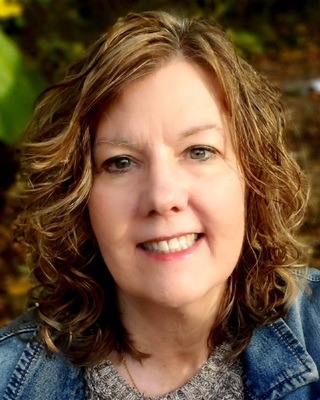
Hosted by Patricia Rohani
Licensed Professional Counselor, LMFT, LPC
Group meets in Oregon City, OR 97045
This live workshop is designed to enhance a couple’s relationship so they have better success with communication and problem solving. This series is a great option for couples who want to strengthen their relationship or who would like to have couples counseling but cannot afford the expense of private counseling.
More Groups Nearby
Confidential, therapist-led space for adult men to talk openly about stress, relationships, anger, anxiety, depression, loneliness, and other life challenges. This ongoing virtual group gives men an opportunity to connect with others, gain perspective, and work through difficult experiences in a supportive group setting.

Confidential, therapist-led space for adult men to talk openly about stress, relationships, anger, anxiety, depression, loneliness, and other life challenges. This ongoing virtual group gives men an opportunity to connect with others, gain perspective, and work through difficult experiences in a supportive group setting.
On this Journey of Self Discovery tour, you will explore four of the Sheldrick Wildlife Trust wildlife sanctuaries while deepening your personal journey of self-discovery. Our emphasis is meeting and viewing elephants and self transformation. The tour is designed to deepen your connection with yourself and with nature. As you explore the wild landscapes, you will also engage in Daily Group Talks with your fellow travelers. Our friend, Deborah High, M.A., LMFT, will lead daily practices and guide discussions during this life-changing journey. For more information please contact www.captureafricatours.com. (This safari is in Kenya Africa)

On this Journey of Self Discovery tour, you will explore four of the Sheldrick Wildlife Trust wildlife sanctuaries while deepening your personal journey of self-discovery. Our emphasis is meeting and viewing elephants and self transformation. The tour is designed to deepen your connection with yourself and with nature. As you explore the wild landscapes, you will also engage in Daily Group Talks with your fellow travelers. Our friend, Deborah High, M.A., LMFT, will lead daily practices and guide discussions during this life-changing journey. For more information please contact www.captureafricatours.com. (This safari is in Kenya Africa)
Wild Peloria is a child, adolescent, adult, and family mental health practice grounded in neurodivergent-affirming, trauma-informed, and relationship-centered care. We specialize in play therapy, PCIT, attachment-based family therapy, Nature-based therapy, and sensory- and somatic-informed approaches that honor each client’s nervous system, development, and lived experience. Wild Peloria supports children, teens, parents, and neurodivergent individuals through collaborative, developmentally attuned care, and partners closely with families, schools, and community providers to promote connection, regulation, and resilience.
Wild Peloria is a child, adolescent, adult, and family mental health practice grounded in neurodivergent-affirming, trauma-informed, and relationship-centered care. We specialize in play therapy, PCIT, attachment-based family therapy, Nature-based therapy, and sensory- and somatic-informed approaches that honor each client’s nervous system, development, and lived experience. Wild Peloria supports children, teens, parents, and neurodivergent individuals through collaborative, developmentally attuned care, and partners closely with families, schools, and community providers to promote connection, regulation, and resilience.
This is an online group to support you as you integrate your professionally facilitated psychedelic experience(s). This group is NOT intended for people that partake in "self-guided" psychedelic experiences. Group members will be invited to share with one another, identify key insights, explore residual thoughts and feelings related to your journey(s), and discover ways to re-integrate into your everyday life.

Hosted by Theresa Ferrante
Clinical Social Work/Therapist, LCSW, LICSW
Group meets in Portland, OR 97203
This is an online group to support you as you integrate your professionally facilitated psychedelic experience(s). This group is NOT intended for people that partake in "self-guided" psychedelic experiences. Group members will be invited to share with one another, identify key insights, explore residual thoughts and feelings related to your journey(s), and discover ways to re-integrate into your everyday life.
A safe, therapeutic group environment for those clients who experience both mental health and substance use issues. Reduce mental health symptoms and maintain sobriety through behavior modification. Clients will learn coping skills and practice mindfulness using a cognitive behavioral therapy approach.

Hosted by Dr. John K Anderson
Clinical Social Work/Therapist, PhD, LCSW, LICSW, CADCIII, CGACI
Group meets in Portland, OR 97219
A safe, therapeutic group environment for those clients who experience both mental health and substance use issues. Reduce mental health symptoms and maintain sobriety through behavior modification. Clients will learn coping skills and practice mindfulness using a cognitive behavioral therapy approach.
This 12-week group combines Acceptance and Commitment Therapy (ACT) and Exposure and Response Prevention (ERP) to help participants build practical, trauma-informed skills for managing OCD. The first half of each session focuses on learning and practicing evidence-based tools for responding to intrusive thoughts, uncertainty, and compulsions. The second half is a supportive process group where participants can connect with others who understand the challenges of living with OCD, share experiences, and build community. This is a rolling group, with ongoing rounds offered both in person and online, allowing new members to join throughout the year.

This 12-week group combines Acceptance and Commitment Therapy (ACT) and Exposure and Response Prevention (ERP) to help participants build practical, trauma-informed skills for managing OCD. The first half of each session focuses on learning and practicing evidence-based tools for responding to intrusive thoughts, uncertainty, and compulsions. The second half is a supportive process group where participants can connect with others who understand the challenges of living with OCD, share experiences, and build community. This is a rolling group, with ongoing rounds offered both in person and online, allowing new members to join throughout the year.
Does dating feel like the same story on repeat? Perhaps you're ending up in the same dynamic over and over, or maybe you're not sure why it feels so unsafe once you're in a relationship. Overthinking, overgiving, pulling back, or choosing partners who can’t fully meet your needs are all patterns worth addressing. We will focus on what shows up in real time: how you connect, protect yourself, and respond. This group will run for 8 consecutive weeks and is capped at 5-8 adults. Beginning once interest is met.

Does dating feel like the same story on repeat? Perhaps you're ending up in the same dynamic over and over, or maybe you're not sure why it feels so unsafe once you're in a relationship. Overthinking, overgiving, pulling back, or choosing partners who can’t fully meet your needs are all patterns worth addressing. We will focus on what shows up in real time: how you connect, protect yourself, and respond. This group will run for 8 consecutive weeks and is capped at 5-8 adults. Beginning once interest is met.
Join us for a relaxing outdoor gathering exploring hypnosis through the lens of somatic awareness and nervous system regulation. Together, we'll explore how patterns such as anxiety, stress, overthinking, and the urge to constantly "fix" ourselves may be intelligent survival responses—and how hypnosis can support greater ease, flexibility, and resilience. No previous experience is necessary, and participation is always at your own pace. The Evening Will Include: • A talk on stress, regulation, and the brain-body connection • An introduction to hypnosis as a form of social learning • A guided hypnosis experience inspired by Somatic Experiencing® principles

Join us for a relaxing outdoor gathering exploring hypnosis through the lens of somatic awareness and nervous system regulation. Together, we'll explore how patterns such as anxiety, stress, overthinking, and the urge to constantly "fix" ourselves may be intelligent survival responses—and how hypnosis can support greater ease, flexibility, and resilience. No previous experience is necessary, and participation is always at your own pace. The Evening Will Include: • A talk on stress, regulation, and the brain-body connection • An introduction to hypnosis as a form of social learning • A guided hypnosis experience inspired by Somatic Experiencing® principles
Struggling with overwhelming emotions, difficult relationships, or the urge to react before you think? DBT (Dialectical Behavior Therapy) is one of the most effective, research-backed approaches for building real-world coping skills — and this group makes it accessible. Led by Morgan Diaz at Bridge to Relationship, this skills-based group teaches mindfulness, emotional regulation, distress tolerance, and interpersonal effectiveness in a supportive, structured setting. You'll leave each session with practical tools you can actually use. Open to adults. Sliding scale from 0-$150 available. In-person and telehealth options. Join anytime! Day/time flexible!
Hosted by Bridge To Relationship
Licensed Professional Counselor, LPC, LMFT
Group meets in Portland, OR 97214
Struggling with overwhelming emotions, difficult relationships, or the urge to react before you think? DBT (Dialectical Behavior Therapy) is one of the most effective, research-backed approaches for building real-world coping skills — and this group makes it accessible. Led by Morgan Diaz at Bridge to Relationship, this skills-based group teaches mindfulness, emotional regulation, distress tolerance, and interpersonal effectiveness in a supportive, structured setting. You'll leave each session with practical tools you can actually use. Open to adults. Sliding scale from 0-$150 available. In-person and telehealth options. Join anytime! Day/time flexible!
When I brought my baby home, I felt disenchanted! It wasn't the experience I had imagined, and that realization was difficult to admit. I want this space to be warm, welcoming, and honest - a place where we can talk openly about the realities of the postpartum period. Whether you're feeling overwhelmed, disconnected, exhausted, joyful, or all of the above, you are welcome here. Let's have real conversations about what postpartum life actually feels like. Infants welcome! Closed group. 3-8 participants.

Hosted by Jesa Herman
Marriage & Family Therapist Associate, MA
Group meets in Lake Oswego, OR 97034
When I brought my baby home, I felt disenchanted! It wasn't the experience I had imagined, and that realization was difficult to admit. I want this space to be warm, welcoming, and honest - a place where we can talk openly about the realities of the postpartum period. Whether you're feeling overwhelmed, disconnected, exhausted, joyful, or all of the above, you are welcome here. Let's have real conversations about what postpartum life actually feels like. Infants welcome! Closed group. 3-8 participants.
Hold Me Tight®Portland is a 2 day Couples Workshop designed to help couples rebuild trust, support, and intimacy while learning needed skills to repair conflict and have difficult conversations. Visit www.holdmetightportland.com to register and for more information:

Hosted by Laurel Marshall Counseling
Marriage & Family Therapist, MA, LMFT
Group meets in Portland, OR 97227
Hold Me Tight®Portland is a 2 day Couples Workshop designed to help couples rebuild trust, support, and intimacy while learning needed skills to repair conflict and have difficult conversations. Visit www.holdmetightportland.com to register and for more information:
This 4-week virtual group is designed for adults who want to develop emotional resilience and inner peace. Together, we’ll explore how to alchemize fear, self-doubt, shame, and stress into clarity, calm, and confidence using evidence-based techniques and holistic practices. Each session combines mindfulness, cognitive tools, somatic awareness, and group connection to support deep, lasting change. This is a supportive, non-judgmental space to learn how to stop spiraling and start shifting—gently and powerfully. Led by Heather, a psychiatric nurse practitioner, this group is open to individuals living in Oregon.

Hosted by Heather Richardson
Psychiatric Nurse Practitioner, PMHNP, MSN, RN
Group meets in Portland, OR 97211
This 4-week virtual group is designed for adults who want to develop emotional resilience and inner peace. Together, we’ll explore how to alchemize fear, self-doubt, shame, and stress into clarity, calm, and confidence using evidence-based techniques and holistic practices. Each session combines mindfulness, cognitive tools, somatic awareness, and group connection to support deep, lasting change. This is a supportive, non-judgmental space to learn how to stop spiraling and start shifting—gently and powerfully. Led by Heather, a psychiatric nurse practitioner, this group is open to individuals living in Oregon.
Charles Figley (1993) defined secondary trauma as “…the natural consequent behaviors and emotions resulting from knowing about a traumatizing event experienced by another - and the stress resulting from helping or wanting to help a traumatized or suffering person.” Individuals in helping professions are very likely to experience secondary trauma at some point in their careers. Helping professionals can include social workers, counselors, therapists, psychologists, educators, health/alternative care providers, etc. This group provides a space through yoga, mindfulness and meditation for helping professionals to transform trauma to resilience and is lead by a professional who themselves have experienced secondary trauma.
Charles Figley (1993) defined secondary trauma as “…the natural consequent behaviors and emotions resulting from knowing about a traumatizing event experienced by another - and the stress resulting from helping or wanting to help a traumatized or suffering person.” Individuals in helping professions are very likely to experience secondary trauma at some point in their careers. Helping professionals can include social workers, counselors, therapists, psychologists, educators, health/alternative care providers, etc. This group provides a space through yoga, mindfulness and meditation for helping professionals to transform trauma to resilience and is lead by a professional who themselves have experienced secondary trauma.
Psycho education skills group TBD on class size and community interest. Topics include: coping skills, interpersonal/communication skills, and more.

Psycho education skills group TBD on class size and community interest. Topics include: coping skills, interpersonal/communication skills, and more.
Based off curriculum from Brene Brown, this 8-week group will help you understand the power of shame and learn tools to help you live with more resilience & joy.

Based off curriculum from Brene Brown, this 8-week group will help you understand the power of shame and learn tools to help you live with more resilience & joy.
Non-Offending Parenting Group: A trauma-informed Spanish-language group for caregivers supporting children after sexual abuse, offering education, safety tools, and healing support. / Grupo para Padres No Ofensores: Un grupo en español e informado por el trauma para padres que apoyan a hijos después del abuso sexual, con educación, seguridad y apoyo para sanar.
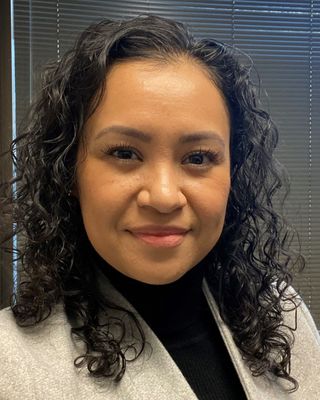
Hosted by Ariana Chavarría Campos
Clinical Social Work/Therapist, LCSW
Group meets in Gresham, OR 97030
Non-Offending Parenting Group: A trauma-informed Spanish-language group for caregivers supporting children after sexual abuse, offering education, safety tools, and healing support. / Grupo para Padres No Ofensores: Un grupo en español e informado por el trauma para padres que apoyan a hijos después del abuso sexual, con educación, seguridad y apoyo para sanar.
Motherhood includes joy, exhaustion, and everything in between—and many moms feel isolated in the midst of it. This group offers a safe, welcoming space for honest connection and shared vulnerability, grounded in the understanding that none of us are alone in these struggles. Using evidence-based approaches such as Mindful Self-Compassion (MSC) and Acceptance and Commitment Therapy (ACT), participants will build a practical set of skills to manage emotions, reduce self-criticism, set healthy boundaries, and respond to stress with greater balance and compassion. If you're interested in joining please email me!
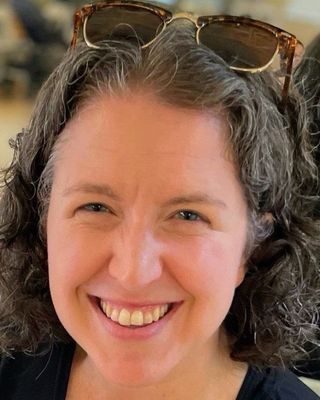
Motherhood includes joy, exhaustion, and everything in between—and many moms feel isolated in the midst of it. This group offers a safe, welcoming space for honest connection and shared vulnerability, grounded in the understanding that none of us are alone in these struggles. Using evidence-based approaches such as Mindful Self-Compassion (MSC) and Acceptance and Commitment Therapy (ACT), participants will build a practical set of skills to manage emotions, reduce self-criticism, set healthy boundaries, and respond to stress with greater balance and compassion. If you're interested in joining please email me!
STARTS TUESDAYS 1/17/22. In this group, participants will learn about how they come into relationship through psychoeducation combined with a heavy focus on the here and now of the group process. How do you love? What makes you come toward others, and what makes you pull away? How can we feel safe with others? This group is for anyone who wants to have close, loving relationships, and knows first hand just how hard, and vulnerable, that can be. Check out the website to see weekly themes and to register: www.connectivetherapycollective.com/ group-therapy

STARTS TUESDAYS 1/17/22. In this group, participants will learn about how they come into relationship through psychoeducation combined with a heavy focus on the here and now of the group process. How do you love? What makes you come toward others, and what makes you pull away? How can we feel safe with others? This group is for anyone who wants to have close, loving relationships, and knows first hand just how hard, and vulnerable, that can be. Check out the website to see weekly themes and to register: www.connectivetherapycollective.com/ group-therapy
Along with Kelly Reams, LCSW, we lead a group providing psychoanalytic consultation on to psychotherapists providing psychoanalytic therapy to children and adolescents and their families. The group meets from Noon to 1:50pm on the second and fourth Thursdays of the month from September through May.

Along with Kelly Reams, LCSW, we lead a group providing psychoanalytic consultation on to psychotherapists providing psychoanalytic therapy to children and adolescents and their families. The group meets from Noon to 1:50pm on the second and fourth Thursdays of the month from September through May.
See more therapy options for Oregon City


FAQs - About Group Therapy and Support Groups
How can I find a support group in Oregon City?
To find a support group in your area, start by entering your city, zip code, or the name of the group into the search bar at the top of the page. When searching, consider whether you prefer an in-person or virtual group. This can help you decide how broad your geographic search should be. If you are open to virtual groups, you might want to search by state instead of just your city, especially if there are limited options nearby.
Once you complete your search, you can use the filters to narrow the results by selecting specialties (such as grief, trauma, or eating disorders), therapeutic approaches, age groups, and other criteria to find a group that best fits your needs.
Once you complete your search, you can use the filters to narrow the results by selecting specialties (such as grief, trauma, or eating disorders), therapeutic approaches, age groups, and other criteria to find a group that best fits your needs.
How does group therapy work?
Group therapy is led by one or more trained therapists and provides a space where participants can process their experiences and learn from others facing similar challenges. Groups may focus on a specific issue—such as addiction, grief, physical illnesses, parenting, or caregiving—or they may center around a particular therapeutic approach, such as Cognitive Behavioral Therapy (CBT), social skill development, or Exposure Therapy. Some groups are also designed for specific populations, such as teens, veterans, or LGBTQ+ individuals.
It’s also important to distinguish group therapy from peer-led support groups, like Alcoholics Anonymous. While both can offer valuable support, therapy groups are typically led by licensed professionals and follow a more structured format. Therapy groups often meet for a fixed length of time with a consistent group of members, while many peer support groups meet for an indefinite period of time with members coming and going.
It’s also important to distinguish group therapy from peer-led support groups, like Alcoholics Anonymous. While both can offer valuable support, therapy groups are typically led by licensed professionals and follow a more structured format. Therapy groups often meet for a fixed length of time with a consistent group of members, while many peer support groups meet for an indefinite period of time with members coming and going.
What are the benefits of group therapy?
Group therapy offers several important benefits. It brings together people facing similar challenges—whether related to mental health, physical health, or life transitions—and creates a supportive environment where participants can exchange feedback, share experiences, and learn from one another. Hearing different perspectives can help individuals discover new coping strategies and practical tools they may not have encountered on their own. Sharing personal experiences, such as coping with a serious illness or navigating family struggles, can also reduce feelings of isolation and foster a sense of connection and understanding. In addition to emotional support, group members often gain useful, real-world advice from peers who have faced similar situations.
Group therapy is typically more affordable than individual therapy and, for certain conditions, can be equally effective. Many groups also include structured activities—such as guided journaling, cognitive-behavioral exercises, or role-playing—to help participants develop concrete skills they can apply in daily life.
Group therapy is typically more affordable than individual therapy and, for certain conditions, can be equally effective. Many groups also include structured activities—such as guided journaling, cognitive-behavioral exercises, or role-playing—to help participants develop concrete skills they can apply in daily life.
Is group therapy as effective as individual therapy?
It is difficult to make a blanket statement about the effectiveness of support groups, as they vary widely in focus and the conditions they address. However, support groups can be highly valuable in helping individuals gain emotional support and achieve meaningful treatment outcomes. For certain conditions, such as substance use, research has shown that group therapy can be particularly effective—sometimes just as effective as individual therapy—in supporting long-term recovery.
Many professionals attribute the effectiveness of group therapy to the unique benefits of the group setting, which fosters peer-to-peer learning and a sense of connection through shared experiences. Group settings also offer accountability and encouragement from both facilitators and fellow participants, which helps sustain motivation and supports continued progress. These factors together play a key role in promoting the overall effectiveness of group therapy.
Many professionals attribute the effectiveness of group therapy to the unique benefits of the group setting, which fosters peer-to-peer learning and a sense of connection through shared experiences. Group settings also offer accountability and encouragement from both facilitators and fellow participants, which helps sustain motivation and supports continued progress. These factors together play a key role in promoting the overall effectiveness of group therapy.
How much does group therapy cost?
Group therapy is typically less expensive than individual therapy, with sessions typically costing between $50 and $75 each. In comparison, individual therapy can cost anywhere from $100 to $200 or more per session, even with insurance. Some therapists or organizations offer low-cost or free group therapy options, particularly through community centers or nonprofit organizations. In some cases, groups may require payment upfront for a set number of sessions, such as paying for six weekly sessions at the first meeting. However, many providers offer payment plans to help make participation more accessible if this upfront payment is required.
Does insurance cover group therapy?
As with individual therapy, insurance coverage for group therapy varies based on factors such as your specific insurance plan, the purpose of the group, your diagnosis, and whether the group provider is in-network. Many insurance plans cover group therapy sessions that address diagnosable mental health conditions, such as substance use disorders, anxiety, or depression.
However, groups that focus on topics not directly tied to a mental health diagnosis—such as parenting support or divorce recovery—are less likely to be covered. Because coverage can vary widely, it’s important to check with your insurance provider before joining a group to confirm whether the sessions will be covered and what out-of-pocket costs you may be responsible for.
However, groups that focus on topics not directly tied to a mental health diagnosis—such as parenting support or divorce recovery—are less likely to be covered. Because coverage can vary widely, it’s important to check with your insurance provider before joining a group to confirm whether the sessions will be covered and what out-of-pocket costs you may be responsible for.
How long does group therapy last?
The length of each group therapy session typically ranges from 45 minutes to two hours, depending on the therapy approach, the group’s goals, and how often the group meets. In some cases, group therapy is part of a larger treatment program, such as an Intensive Outpatient Program (IOP), where group sessions complement individual therapy and are scheduled as part of the program’s overall structure.
The duration of participation in a group also varies. Some groups are designed to be short-term, lasting anywhere from 6 to 24 weeks—for example, bereavement groups or skills-based groups like those using Dialectical Behavioral Therapy (DBT). Other groups may be longer-term, lasting a year or more, and some ongoing support groups meet indefinitely, allowing participants to stay as long as they find the group helpful.
The duration of participation in a group also varies. Some groups are designed to be short-term, lasting anywhere from 6 to 24 weeks—for example, bereavement groups or skills-based groups like those using Dialectical Behavioral Therapy (DBT). Other groups may be longer-term, lasting a year or more, and some ongoing support groups meet indefinitely, allowing participants to stay as long as they find the group helpful.
What are the limitations of support groups?
Support groups offer many benefits, but they also have certain limitations. Unlike therapy groups, many support groups do not provide formal therapeutic treatment and are not led by licensed mental health professionals. For individuals seeking clinical treatment for specific mental health diagnoses—such as depression, eating disorders, or substance use—individual therapy or group therapy led by a licensed professional may offer more personalized and specialized care.
The effectiveness of a support group also depends heavily on the group’s participants and the overall group dynamic. When members engage respectfully and offer constructive support, the group can foster valuable peer-to-peer learning. However, if certain participants dominate discussions, provide inaccurate advice, or create conflict, it can disrupt the group’s sense of safety and reduce its effectiveness. Confidentiality can also be harder to maintain in support groups, particularly in open groups where participants can join or leave at any time. With new members regularly entering the group, it can be more difficult to build and sustain a consistent sense of trust and privacy.
The effectiveness of a support group also depends heavily on the group’s participants and the overall group dynamic. When members engage respectfully and offer constructive support, the group can foster valuable peer-to-peer learning. However, if certain participants dominate discussions, provide inaccurate advice, or create conflict, it can disrupt the group’s sense of safety and reduce its effectiveness. Confidentiality can also be harder to maintain in support groups, particularly in open groups where participants can join or leave at any time. With new members regularly entering the group, it can be more difficult to build and sustain a consistent sense of trust and privacy.