Support Groups in Oklahoma City, OK
Eternal Embrace is a experiential group to help people learn to cope with grief in healthy ways and to practice rituals to honor their loved ones. Through mindfulness, values exploration, and somatic awareness, participants learn to hold grief with compassion while taking meaningful steps forward. We honor loss as a transformative experience, exploring its spiritual and existential dimensions. Guided exercises, group sharing, and creative practices foster connection, resilience, and a deepened sense of purpose. This is a space to move beyond avoidance, embrace the full range of emotions, and rediscover what truly matters in life.
Hosted by Twelfth House Wellness LLC
Licensed Professional Counselor, MS, LPC-S, CIMHP
Group meets in Oklahoma City, OK 73112
Eternal Embrace is a experiential group to help people learn to cope with grief in healthy ways and to practice rituals to honor their loved ones. Through mindfulness, values exploration, and somatic awareness, participants learn to hold grief with compassion while taking meaningful steps forward. We honor loss as a transformative experience, exploring its spiritual and existential dimensions. Guided exercises, group sharing, and creative practices foster connection, resilience, and a deepened sense of purpose. This is a space to move beyond avoidance, embrace the full range of emotions, and rediscover what truly matters in life.
Dialectical Behavioral Therapy as a modality offers a skill-based approach to treatment. In DBT psycho-educational groups, the group will focus on emotion regulation, interpersonal effectiveness, mindfulness and distress tolerance efforts to manage and build a life worth living. DBT Groups will be private pay as psycho-educational DBT groups are innately different than group therapy and aren't covered by insurance. If comprehensive DBT is what you are seeking, DBT groups will be mandatory and will be discussed when discussing treatment coordination. DBT psycho-education groups can and are helpful for anyone wanting to benefit in outlined skill sets above.

Hosted by Sarah E. Zimmer
Clinical Social Work/Therapist, LCSW
Group meets in Oklahoma City, OK 73112
Dialectical Behavioral Therapy as a modality offers a skill-based approach to treatment. In DBT psycho-educational groups, the group will focus on emotion regulation, interpersonal effectiveness, mindfulness and distress tolerance efforts to manage and build a life worth living. DBT Groups will be private pay as psycho-educational DBT groups are innately different than group therapy and aren't covered by insurance. If comprehensive DBT is what you are seeking, DBT groups will be mandatory and will be discussed when discussing treatment coordination. DBT psycho-education groups can and are helpful for anyone wanting to benefit in outlined skill sets above.
Social Skills Group utilizing TTRPG Dugions and Dragons/Critical core platform to facilitate role play social situations to build skills, critical thinking, emotional regulation, group planning skills, collaboration, gray aria thinking and more. Groups can be held in person or virtually using HIPPA approved telehealth program DOXY.ME and the D&D beyond maps system. Group times may very depending on participants availability. Groups may be a series of 3 consecutive 6-8 session adventures lasting 1.5 hrs apiece or in perpetuity.

Hosted by Richard Alex Bledsoe
Licensed Professional Counselor, LPC
Group meets in Oklahoma City, OK 73116
Social Skills Group utilizing TTRPG Dugions and Dragons/Critical core platform to facilitate role play social situations to build skills, critical thinking, emotional regulation, group planning skills, collaboration, gray aria thinking and more. Groups can be held in person or virtually using HIPPA approved telehealth program DOXY.ME and the D&D beyond maps system. Group times may very depending on participants availability. Groups may be a series of 3 consecutive 6-8 session adventures lasting 1.5 hrs apiece or in perpetuity.
TRE® is an innovative series of exercises that assist the body in releasing deep muscular patterns of stress, tension and trauma. https://traumaprevention.com/ Email me to find out about the new class/group schedule

Hosted by Victoria Cocklin
Licensed Professional Counselor, MS, LPC
Group meets in Oklahoma City, OK 73162
TRE® is an innovative series of exercises that assist the body in releasing deep muscular patterns of stress, tension and trauma. https://traumaprevention.com/ Email me to find out about the new class/group schedule
Do you find yourself surrounded by narcissists or always end up in a relationship with one, believe other people's *wants* > than your *needs*, avoid conflict at all costs, self-isolate even when no narcissist's isolating you, suffer long-lasting shame for your one mistake, yet continually forgive all the many mistakes your partner has made? Is your (ex)narcissist your only real social support system? If so, you may be a victim of narcissistic abuse. New groups begin when there are enough ready who agree on a day/time. Learn more/apply at https://okcmentalhealth.com/narcabuse

Hosted by Jonathan D. Grant
Licensed Professional Counselor, MA, LPC
Group meets in Oklahoma City, OK 73116
Do you find yourself surrounded by narcissists or always end up in a relationship with one, believe other people's *wants* > than your *needs*, avoid conflict at all costs, self-isolate even when no narcissist's isolating you, suffer long-lasting shame for your one mistake, yet continually forgive all the many mistakes your partner has made? Is your (ex)narcissist your only real social support system? If so, you may be a victim of narcissistic abuse. New groups begin when there are enough ready who agree on a day/time. Learn more/apply at https://okcmentalhealth.com/narcabuse
An experiential group that is aimed at self-exploration and personal growth. (This is an informal group that is best suited for individuals who are curious about topics related to psychology and/or are looking for ways to enhance the therapeutic outcome). The Dream group: a lighthearted introduction to dream work aimed at exploring one's own sub-conscious from Jungian perspective. (This group will be considered a closed group and/or special request after Feb.12). Fee $35

Hosted by Kristin R Alex
Licensed Professional Counselor, MEd, LPC, PLLC
Group meets in Oklahoma City, OK 73116
An experiential group that is aimed at self-exploration and personal growth. (This is an informal group that is best suited for individuals who are curious about topics related to psychology and/or are looking for ways to enhance the therapeutic outcome). The Dream group: a lighthearted introduction to dream work aimed at exploring one's own sub-conscious from Jungian perspective. (This group will be considered a closed group and/or special request after Feb.12). Fee $35
Este grupo es un grupo GRATIS para hombres y mujeres adultos que han pasado por la muerte de un ser querido y quieren aprender a manejar de una manera más efectiva sus emociones y entender el proceso de duelo.

Hosted by La Vida Sin Miedo - Cecilia Herrera-Leggett
Clinical Social Work/Therapist, LCSW
Group meets in Oklahoma City, OK 73112
Este grupo es un grupo GRATIS para hombres y mujeres adultos que han pasado por la muerte de un ser querido y quieren aprender a manejar de una manera más efectiva sus emociones y entender el proceso de duelo.
A Healing Circle is a gentle, supportive space where you can slow down, breathe, and reconnect with yourself. It’s not therapy, not a class, and not a performance. It’s a moment of presence, connection, and inner clarity — held with compassion and without judgment. For millennia, humans have gathered around fire circles — to listen, to make meaning, to steady themselves in times of change. OKC Healing Circles are offered free of charge, as an act of community care. www.okchealingcircle.com

Hosted by Dane Libart
Clinical Social Work/Therapist, LCSW, LLC
Group meets in Oklahoma City, OK 73102
A Healing Circle is a gentle, supportive space where you can slow down, breathe, and reconnect with yourself. It’s not therapy, not a class, and not a performance. It’s a moment of presence, connection, and inner clarity — held with compassion and without judgment. For millennia, humans have gathered around fire circles — to listen, to make meaning, to steady themselves in times of change. OKC Healing Circles are offered free of charge, as an act of community care. www.okchealingcircle.com
I am recruiting 4-5 participants for this group currently. Time and dates will be determined by participant availability. MSOYW is a two hour weekly group over 8 weeks designed to help participants build up their sense of self worth. Participants will learn why self worth is important, explore negative life events and relationships that contribute to diminished self worth, and engage in activities designed to develop positive self worth. MSOYW is a group curriculum created by Cindy Lee at Halo Project.

I am recruiting 4-5 participants for this group currently. Time and dates will be determined by participant availability. MSOYW is a two hour weekly group over 8 weeks designed to help participants build up their sense of self worth. Participants will learn why self worth is important, explore negative life events and relationships that contribute to diminished self worth, and engage in activities designed to develop positive self worth. MSOYW is a group curriculum created by Cindy Lee at Halo Project.
Gaming, Internet, texting/sexting, social media, pornography, drugs, alcohol, blended families issues... and more can get out-of-control. This doesn’t make your teen a bad person, it simply means they might need some professional help. Reserve a spot for your teen to join a 12-week adolescent group of young men that will be educational while providing them with tools that will help them overcome some of the behaviors that are causing chaos in their life and your family. Their is a limited number of spots to participate in this confidential, respectful, and safe group setting.

Hosted by Vicki Harris Wyatt
Licensed Professional Counselor, PhD, LPC, LADC, CSAT, CMAT
Group meets in Oklahoma City, OK 73101
Gaming, Internet, texting/sexting, social media, pornography, drugs, alcohol, blended families issues... and more can get out-of-control. This doesn’t make your teen a bad person, it simply means they might need some professional help. Reserve a spot for your teen to join a 12-week adolescent group of young men that will be educational while providing them with tools that will help them overcome some of the behaviors that are causing chaos in their life and your family. Their is a limited number of spots to participate in this confidential, respectful, and safe group setting.
A pregnancy wellness group to: *Talk about the stuff nobody else will. *Build real coping skills for real life. *Show up for ourselves the way we show up for everyone else.

A pregnancy wellness group to: *Talk about the stuff nobody else will. *Build real coping skills for real life. *Show up for ourselves the way we show up for everyone else.
This psychoeducational group is designed to help individuals understand and heal from patterns of codependency by building self-awareness, emotional regulation, and healthy relationship skills. Participants will explore boundaries, self-worth, communication styles, and the impact of people-pleasing and over-responsibility. Through guided discussions, practical tools, and supportive peer connection, members will learn how to cultivate balance, autonomy, and secure attachment. This group offers a structured, non-judgmental space focused on growth, insight, and practicing healthier ways of relating to self and others.

Hosted by Rikki Johnson
Clinical Social Work/Therapist, MSW, LMSW, LCSW
Group meets in Oklahoma City, OK 73114
This psychoeducational group is designed to help individuals understand and heal from patterns of codependency by building self-awareness, emotional regulation, and healthy relationship skills. Participants will explore boundaries, self-worth, communication styles, and the impact of people-pleasing and over-responsibility. Through guided discussions, practical tools, and supportive peer connection, members will learn how to cultivate balance, autonomy, and secure attachment. This group offers a structured, non-judgmental space focused on growth, insight, and practicing healthier ways of relating to self and others.
September 30 and October 1 are the first drop-in support group of OSA. Drop-ins allow participants to attend groups whenever they would like as long as spots are available. All groups are $40 and participants must pay at the time of sign-up. Each group is 75 minutes and are held on Mondays & Tuesdays at 5-6:15 pm CST. Although the groups are unstructured, each week groups will have a primary focus. . For more information, please visit https://www.talkswithtecii.com THIS IS NOT THERAPY!

Hosted by Dr. Martecia Oates
Licensed Professional Counselor, PhD, LPC
Group meets in Oklahoma City, OK 73114
September 30 and October 1 are the first drop-in support group of OSA. Drop-ins allow participants to attend groups whenever they would like as long as spots are available. All groups are $40 and participants must pay at the time of sign-up. Each group is 75 minutes and are held on Mondays & Tuesdays at 5-6:15 pm CST. Although the groups are unstructured, each week groups will have a primary focus. . For more information, please visit https://www.talkswithtecii.com THIS IS NOT THERAPY!
Starting Tuesday June 11, 2024- This group is intended for children ages 8-12 years old who want to learn how to practice social skills in a fun and engaging way. We will learn conversation skills, perspective taking, conflict resolution, having empathy for others and more!

Hosted by Nancy Rumley Soliz
Marriage & Family Therapist, LMFT, RPT-S
Group meets in Oklahoma City, OK 73120
Starting Tuesday June 11, 2024- This group is intended for children ages 8-12 years old who want to learn how to practice social skills in a fun and engaging way. We will learn conversation skills, perspective taking, conflict resolution, having empathy for others and more!
Self-Worth is the foundation of who we are as human beings and in today's world highly sought after. It plays a role in every decision we make and in every relationship we have. This eight week program is designed for anybody who desires the freedom that comes with living in positive self worth and secure attachment. The Making Sense of Your Worth curriculum follows a step-by-step process of gaining positive self worth. It was created by Cindy R. Lee, LCSW in partnership with HALO Project International and participants in the program show an increase in positive self-worth upon completion.

Hosted by Silver Springs Counseling
Licensed Professional Counselor, MA, LPC
Group meets in Oklahoma City, OK 73116
Self-Worth is the foundation of who we are as human beings and in today's world highly sought after. It plays a role in every decision we make and in every relationship we have. This eight week program is designed for anybody who desires the freedom that comes with living in positive self worth and secure attachment. The Making Sense of Your Worth curriculum follows a step-by-step process of gaining positive self worth. It was created by Cindy R. Lee, LCSW in partnership with HALO Project International and participants in the program show an increase in positive self-worth upon completion.
What to Expect: A safe, non-judgmental, space to share, learn and grow with others who can relate. Focusing on areas such as • Body image & self-worth • Coping skills and recovery practices • Processing & understanding difficult emotions • Relapse prevention • Support & resources

What to Expect: A safe, non-judgmental, space to share, learn and grow with others who can relate. Focusing on areas such as • Body image & self-worth • Coping skills and recovery practices • Processing & understanding difficult emotions • Relapse prevention • Support & resources
Where people in every stage of life can find life-changing spiritual, emotional, and psychological peace through our exceptional mental health and psychiatric care services.

Where people in every stage of life can find life-changing spiritual, emotional, and psychological peace through our exceptional mental health and psychiatric care services.
DBT is an evidenced based approach to reduce symptoms of mood, anxiety, eating, addiction, and personality disorders. DBT groups provide skills training in:
Mindful Awareness, Mood Regulation, Distress Tolerance, and Relationship Skills.

Hosted by Ronda Kiefer
Licensed Professional Counselor, MA, LPC
Group meets in Oklahoma City, OK 73120
DBT is an evidenced based approach to reduce symptoms of mood, anxiety, eating, addiction, and personality disorders. DBT groups provide skills training in:
Mindful Awareness, Mood Regulation, Distress Tolerance, and Relationship Skills.
This 8 week group is for couples who want to work on communication, closeness, & connection through activities/exercises and processing. $40 p/couple for each week or $220 total if paid up front.

Hosted by Brooke Montoya
Licensed Professional Counselor, Phd Can, LPC-S, LADC-S, CHT
Group meets in Oklahoma City, OK 73159
This 8 week group is for couples who want to work on communication, closeness, & connection through activities/exercises and processing. $40 p/couple for each week or $220 total if paid up front.
Jim's aim with Neurotherapy is to bring his skills in Brain Mapping (Quantitative EEG), brain training (neurofeedback, EEG biofeedback, Neurotherapy), and psychotherapy to meet the needs of the patients in the metro area. Jim's advanced training and passion for learning the latest, innovative, multi-modality approaches have increased Neurotherapy's efficiency and effectiveness. His patients achieve maximum health and quality of life. Jim's aim with Neurotherapy is to bring his skills in Brain Mapping (Quantitative EEG), brain training (neurofeedback, EEG biofeedback, Neurotherapy), and psychotherapy to meet the needs of the patients in the metro area.
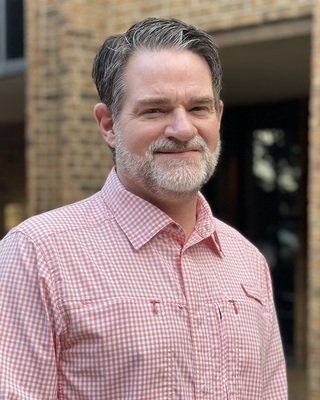
Hosted by Jim Hale, MS,LPC,LADC,BCN- Counsel & Neurofeedback
Licensed Professional Counselor, MS, LPC, LADC-MH, BCN
Group meets in Oklahoma City, OK 73116
Jim's aim with Neurotherapy is to bring his skills in Brain Mapping (Quantitative EEG), brain training (neurofeedback, EEG biofeedback, Neurotherapy), and psychotherapy to meet the needs of the patients in the metro area. Jim's advanced training and passion for learning the latest, innovative, multi-modality approaches have increased Neurotherapy's efficiency and effectiveness. His patients achieve maximum health and quality of life. Jim's aim with Neurotherapy is to bring his skills in Brain Mapping (Quantitative EEG), brain training (neurofeedback, EEG biofeedback, Neurotherapy), and psychotherapy to meet the needs of the patients in the metro area.
See more therapy options for Oklahoma City


FAQs - About Group Therapy and Support Groups
How can I find a support group in Oklahoma City?
To find a support group in your area, start by entering your city, zip code, or the name of the group into the search bar at the top of the page. When searching, consider whether you prefer an in-person or virtual group. This can help you decide how broad your geographic search should be. If you are open to virtual groups, you might want to search by state instead of just your city, especially if there are limited options nearby.
Once you complete your search, you can use the filters to narrow the results by selecting specialties (such as grief, trauma, or eating disorders), therapeutic approaches, age groups, and other criteria to find a group that best fits your needs.
Once you complete your search, you can use the filters to narrow the results by selecting specialties (such as grief, trauma, or eating disorders), therapeutic approaches, age groups, and other criteria to find a group that best fits your needs.
How does group therapy work?
Group therapy is led by one or more trained therapists and provides a space where participants can process their experiences and learn from others facing similar challenges. Groups may focus on a specific issue—such as addiction, grief, physical illnesses, parenting, or caregiving—or they may center around a particular therapeutic approach, such as Cognitive Behavioral Therapy (CBT), social skill development, or Exposure Therapy. Some groups are also designed for specific populations, such as teens, veterans, or LGBTQ+ individuals.
It’s also important to distinguish group therapy from peer-led support groups, like Alcoholics Anonymous. While both can offer valuable support, therapy groups are typically led by licensed professionals and follow a more structured format. Therapy groups often meet for a fixed length of time with a consistent group of members, while many peer support groups meet for an indefinite period of time with members coming and going.
It’s also important to distinguish group therapy from peer-led support groups, like Alcoholics Anonymous. While both can offer valuable support, therapy groups are typically led by licensed professionals and follow a more structured format. Therapy groups often meet for a fixed length of time with a consistent group of members, while many peer support groups meet for an indefinite period of time with members coming and going.
What are the benefits of group therapy?
Group therapy offers several important benefits. It brings together people facing similar challenges—whether related to mental health, physical health, or life transitions—and creates a supportive environment where participants can exchange feedback, share experiences, and learn from one another. Hearing different perspectives can help individuals discover new coping strategies and practical tools they may not have encountered on their own. Sharing personal experiences, such as coping with a serious illness or navigating family struggles, can also reduce feelings of isolation and foster a sense of connection and understanding. In addition to emotional support, group members often gain useful, real-world advice from peers who have faced similar situations.
Group therapy is typically more affordable than individual therapy and, for certain conditions, can be equally effective. Many groups also include structured activities—such as guided journaling, cognitive-behavioral exercises, or role-playing—to help participants develop concrete skills they can apply in daily life.
Group therapy is typically more affordable than individual therapy and, for certain conditions, can be equally effective. Many groups also include structured activities—such as guided journaling, cognitive-behavioral exercises, or role-playing—to help participants develop concrete skills they can apply in daily life.
Is group therapy as effective as individual therapy?
It is difficult to make a blanket statement about the effectiveness of support groups, as they vary widely in focus and the conditions they address. However, support groups can be highly valuable in helping individuals gain emotional support and achieve meaningful treatment outcomes. For certain conditions, such as substance use, research has shown that group therapy can be particularly effective—sometimes just as effective as individual therapy—in supporting long-term recovery.
Many professionals attribute the effectiveness of group therapy to the unique benefits of the group setting, which fosters peer-to-peer learning and a sense of connection through shared experiences. Group settings also offer accountability and encouragement from both facilitators and fellow participants, which helps sustain motivation and supports continued progress. These factors together play a key role in promoting the overall effectiveness of group therapy.
Many professionals attribute the effectiveness of group therapy to the unique benefits of the group setting, which fosters peer-to-peer learning and a sense of connection through shared experiences. Group settings also offer accountability and encouragement from both facilitators and fellow participants, which helps sustain motivation and supports continued progress. These factors together play a key role in promoting the overall effectiveness of group therapy.
How much does group therapy cost?
Group therapy is typically less expensive than individual therapy, with sessions typically costing between $50 and $75 each. In comparison, individual therapy can cost anywhere from $100 to $200 or more per session, even with insurance. Some therapists or organizations offer low-cost or free group therapy options, particularly through community centers or nonprofit organizations. In some cases, groups may require payment upfront for a set number of sessions, such as paying for six weekly sessions at the first meeting. However, many providers offer payment plans to help make participation more accessible if this upfront payment is required.
Does insurance cover group therapy?
As with individual therapy, insurance coverage for group therapy varies based on factors such as your specific insurance plan, the purpose of the group, your diagnosis, and whether the group provider is in-network. Many insurance plans cover group therapy sessions that address diagnosable mental health conditions, such as substance use disorders, anxiety, or depression.
However, groups that focus on topics not directly tied to a mental health diagnosis—such as parenting support or divorce recovery—are less likely to be covered. Because coverage can vary widely, it’s important to check with your insurance provider before joining a group to confirm whether the sessions will be covered and what out-of-pocket costs you may be responsible for.
However, groups that focus on topics not directly tied to a mental health diagnosis—such as parenting support or divorce recovery—are less likely to be covered. Because coverage can vary widely, it’s important to check with your insurance provider before joining a group to confirm whether the sessions will be covered and what out-of-pocket costs you may be responsible for.
How long does group therapy last?
The length of each group therapy session typically ranges from 45 minutes to two hours, depending on the therapy approach, the group’s goals, and how often the group meets. In some cases, group therapy is part of a larger treatment program, such as an Intensive Outpatient Program (IOP), where group sessions complement individual therapy and are scheduled as part of the program’s overall structure.
The duration of participation in a group also varies. Some groups are designed to be short-term, lasting anywhere from 6 to 24 weeks—for example, bereavement groups or skills-based groups like those using Dialectical Behavioral Therapy (DBT). Other groups may be longer-term, lasting a year or more, and some ongoing support groups meet indefinitely, allowing participants to stay as long as they find the group helpful.
The duration of participation in a group also varies. Some groups are designed to be short-term, lasting anywhere from 6 to 24 weeks—for example, bereavement groups or skills-based groups like those using Dialectical Behavioral Therapy (DBT). Other groups may be longer-term, lasting a year or more, and some ongoing support groups meet indefinitely, allowing participants to stay as long as they find the group helpful.
What are the limitations of support groups?
Support groups offer many benefits, but they also have certain limitations. Unlike therapy groups, many support groups do not provide formal therapeutic treatment and are not led by licensed mental health professionals. For individuals seeking clinical treatment for specific mental health diagnoses—such as depression, eating disorders, or substance use—individual therapy or group therapy led by a licensed professional may offer more personalized and specialized care.
The effectiveness of a support group also depends heavily on the group’s participants and the overall group dynamic. When members engage respectfully and offer constructive support, the group can foster valuable peer-to-peer learning. However, if certain participants dominate discussions, provide inaccurate advice, or create conflict, it can disrupt the group’s sense of safety and reduce its effectiveness. Confidentiality can also be harder to maintain in support groups, particularly in open groups where participants can join or leave at any time. With new members regularly entering the group, it can be more difficult to build and sustain a consistent sense of trust and privacy.
The effectiveness of a support group also depends heavily on the group’s participants and the overall group dynamic. When members engage respectfully and offer constructive support, the group can foster valuable peer-to-peer learning. However, if certain participants dominate discussions, provide inaccurate advice, or create conflict, it can disrupt the group’s sense of safety and reduce its effectiveness. Confidentiality can also be harder to maintain in support groups, particularly in open groups where participants can join or leave at any time. With new members regularly entering the group, it can be more difficult to build and sustain a consistent sense of trust and privacy.