Support Groups in Willoughby, OH
This is a clinical support for graduate students who need a practicum site as a part of their training.

Hosted by Dr. Karen L. Graves Exodus Counseling Ser.
Counselor, DMin, LPCC-S, LICDC, SAP
Group meets in Willoughby, OH 44094
This is a clinical support for graduate students who need a practicum site as a part of their training.
Sip and paint groups are therapeutic groups held for all girl groups and for the moms of our children and adolescent Patients. They are so much fun. Come Join Us and make an appointment soon. Limited seating up to 10 per group. Call the office at 440-516-0281 #1. Lets have some fun! Appetizers are served, its apart of the ambiance!
Hosted by Dr. Karen L. Graves Exodus Counseling Ser.
Counselor, DMin, LPCC-S, LICDC, SAP
Group meets in Willoughby, OH 44094
Sip and paint groups are therapeutic groups held for all girl groups and for the moms of our children and adolescent Patients. They are so much fun. Come Join Us and make an appointment soon. Limited seating up to 10 per group. Call the office at 440-516-0281 #1. Lets have some fun! Appetizers are served, its apart of the ambiance!
More Groups Nearby
Thank you for your interest in the Relationship Recovery Program. This group is a 6 Months psychoeducational program structurally designed healing group specifically designed for adults who experienced negative childhood experiences within their family systems who want to better understand how childhood trauma impacts their relationships today. On the website under "RRP GROUP" there is a client screening to ensure the group is the right fit for your needs.

Thank you for your interest in the Relationship Recovery Program. This group is a 6 Months psychoeducational program structurally designed healing group specifically designed for adults who experienced negative childhood experiences within their family systems who want to better understand how childhood trauma impacts their relationships today. On the website under "RRP GROUP" there is a client screening to ensure the group is the right fit for your needs.
DBT Skills Group for ages 18 to 25 who experience chronic emotional difficulties. Primary goals of the group are to decrease self-destructive behaviors, increase effective coping skills, and create a sense of behavioral and emotional stability for the group member. Topics include emotion regulation, interpersonal effectiveness, distress tolerance, and mindfulness. We also address building confidence, short and long term goals, and self-care. All group members are required to be in weekly individual therapy throughout the course of the program. An initial screening must be scheduled ahead. Private pay only. Run by Dr. Colleen Monn at Trysa Shulman & Associates

DBT Skills Group for ages 18 to 25 who experience chronic emotional difficulties. Primary goals of the group are to decrease self-destructive behaviors, increase effective coping skills, and create a sense of behavioral and emotional stability for the group member. Topics include emotion regulation, interpersonal effectiveness, distress tolerance, and mindfulness. We also address building confidence, short and long term goals, and self-care. All group members are required to be in weekly individual therapy throughout the course of the program. An initial screening must be scheduled ahead. Private pay only. Run by Dr. Colleen Monn at Trysa Shulman & Associates
Cleveland Integrative Counseling educates and empowers children, adolescents and adults to become emotionally balanced confident individuals, equipping them with the tools and coping strategies necessary to handle life's obstacles and challenges.

Hosted by Cristina Nedelcu
Clinical Social Work/Therapist, PhD, LISW
Group meets in Shaker Heights, OH 44122
Cleveland Integrative Counseling educates and empowers children, adolescents and adults to become emotionally balanced confident individuals, equipping them with the tools and coping strategies necessary to handle life's obstacles and challenges.
We come together in a nurturing, supportive environment to explore the patterns that feed our addictions. We then practice and strengthen new coping skills as we develop an addiction free lifestyle. We learn together, as we share in the challenges and success of each of us as we move along this path.

Hosted by Lee London-Trail
Licensed Professional Counselor, LICDC-S, LPC
Group meets in Twinsburg, OH 44087
We come together in a nurturing, supportive environment to explore the patterns that feed our addictions. We then practice and strengthen new coping skills as we develop an addiction free lifestyle. We learn together, as we share in the challenges and success of each of us as we move along this path.
If you’re looking for a place to safely learn more about yourself, others, and the way you interact in relationships, this group is for you! Our IP group offers an opportunity to experiment with communication styles, share authentically, and expand your capacity for deep and meaningful interpersonal connections. You will be invited to practice giving and receiving interpersonal feedback and to learn new ways of engaging in relationships. Run by Dr. Colleen Monn at Trysa Shulman and Associates
If you’re looking for a place to safely learn more about yourself, others, and the way you interact in relationships, this group is for you! Our IP group offers an opportunity to experiment with communication styles, share authentically, and expand your capacity for deep and meaningful interpersonal connections. You will be invited to practice giving and receiving interpersonal feedback and to learn new ways of engaging in relationships. Run by Dr. Colleen Monn at Trysa Shulman and Associates
Gemstone Wellness Group was founded and created by a social worker who has worked in many areas of mental and behavioral health with people of all ages. Gemstone's goals is to create healthy communities by empowering healthy families. Engaging in safe mental health, positive engagements and building resilient communities. Servicing the everyday men & women, the strong friend and the ones who feel unseen and unheard. We are a team of educated and confident mental & behavioral health providers, together service the needs of the millennial family and beyond.

Gemstone Wellness Group was founded and created by a social worker who has worked in many areas of mental and behavioral health with people of all ages. Gemstone's goals is to create healthy communities by empowering healthy families. Engaging in safe mental health, positive engagements and building resilient communities. Servicing the everyday men & women, the strong friend and the ones who feel unseen and unheard. We are a team of educated and confident mental & behavioral health providers, together service the needs of the millennial family and beyond.
This group support network is for adults looking to learn more about suicide loss or for those grieving the loss of a loved one to suicide. Each session uses a survivor focused approach and features individual and group peer support, resources, and information. These monthly meetings are free to attend, but registration is still required.

Hosted by Amanda Wozniak
Licensed Professional Counselor, MAEd, LPC, CDCA
Group meets in Independence, OH 44131
This group support network is for adults looking to learn more about suicide loss or for those grieving the loss of a loved one to suicide. Each session uses a survivor focused approach and features individual and group peer support, resources, and information. These monthly meetings are free to attend, but registration is still required.
Meet with other people who have ADHD. Receive inspiration, support, validation, fellowship. Meetings have already started, and will rotate with engaging support-groups, dinners, and outings.

Hosted by Strive Mental Health and Wellness LLC
Verified Verified
Group meets in Shaker Heights, OH 44120
Meet with other people who have ADHD. Receive inspiration, support, validation, fellowship. Meetings have already started, and will rotate with engaging support-groups, dinners, and outings.
Find support and community in our weekly group! Insurance is accepted or out of pocket pay $30 per group. Next monthly cycle starting on 6/6/26 running every Thursday 6:30pm-7:30pm in Tremont! June’s theme will focus on mindfulness and body awareness. This group will offer you a chance to pause, breathe deeply, and nurture your mind with kindness. Come back to your body and come back to yourself through mindfulness, grounding, and self awareness skills. Themes will change every month. If you’re struggling with overthinking, anxiety/depression, feeling disconnected from yourself or purpose this is the space for you!

Hosted by Jordan Bekelja
Licensed Professional Clinical Counselor , LPCC-S, MAEd
Group meets in Cleveland, OH 44113
Find support and community in our weekly group! Insurance is accepted or out of pocket pay $30 per group. Next monthly cycle starting on 6/6/26 running every Thursday 6:30pm-7:30pm in Tremont! June’s theme will focus on mindfulness and body awareness. This group will offer you a chance to pause, breathe deeply, and nurture your mind with kindness. Come back to your body and come back to yourself through mindfulness, grounding, and self awareness skills. Themes will change every month. If you’re struggling with overthinking, anxiety/depression, feeling disconnected from yourself or purpose this is the space for you!
This is a neurodivergent affirming group for autistic adults, led by Dr Adriana Faur, PhD. This evidence-based group will focus on friendship, support, assertive communication, managing everyday stress, handling conflict and rejection, navigating complex social situations (building relationships with friends, co-workers, romantic relationships etc) coping with discrimination and internalized ableism. This in person group will have 8 participants and will meet weekly in person (also online option) starting Saturday, June 9th-July 15th, skipping July 8th. The cost is $300 for the 6 week cycle. Please email psy@ipsyhealth.com or call 216-801-4656x0 for information.

This is a neurodivergent affirming group for autistic adults, led by Dr Adriana Faur, PhD. This evidence-based group will focus on friendship, support, assertive communication, managing everyday stress, handling conflict and rejection, navigating complex social situations (building relationships with friends, co-workers, romantic relationships etc) coping with discrimination and internalized ableism. This in person group will have 8 participants and will meet weekly in person (also online option) starting Saturday, June 9th-July 15th, skipping July 8th. The cost is $300 for the 6 week cycle. Please email psy@ipsyhealth.com or call 216-801-4656x0 for information.
? At Florence Kimbo, MD, LLC, our physicians, psychiatric nurse practitioners, licensed professional counselors, and social workers are adept in treating most psychiatric and mental health disorders using diagnostic skills, medication management, and individualized behavioral therapies for children, adolescents and adults.

Hosted by Saissy Kendig
Psychiatric Nurse Practitioner, PMHNP, BC
Group meets in Middleburg Heights, OH 44130
? At Florence Kimbo, MD, LLC, our physicians, psychiatric nurse practitioners, licensed professional counselors, and social workers are adept in treating most psychiatric and mental health disorders using diagnostic skills, medication management, and individualized behavioral therapies for children, adolescents and adults.
Single with Purpose, Power & Vision (SPPV) is a psycho-educational support group for teen-aged and/or single adult parents who are struggling with the daily responsibilities of raising children in our complex and difficult world today. It can be overwhelming and exhausting as a single parent to take on this daunting task. This workshop will provide and empower single parents with the necessary tools to learn, grow, and cope with the challenges, and successfully raise productive and responsible individuals.
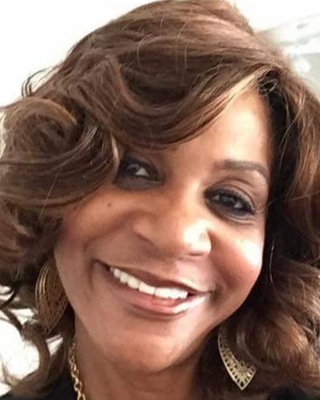
Hosted by Finding Your Destiny, LLC - Celeste A Bozeman
Counselor, MEd, NBCC, LPCC-s
Group meets in Euclid, OH 44132
Single with Purpose, Power & Vision (SPPV) is a psycho-educational support group for teen-aged and/or single adult parents who are struggling with the daily responsibilities of raising children in our complex and difficult world today. It can be overwhelming and exhausting as a single parent to take on this daunting task. This workshop will provide and empower single parents with the necessary tools to learn, grow, and cope with the challenges, and successfully raise productive and responsible individuals.
River Couples Counseling (www.rivercouples.com) provides counseling for partners seeking support with communication, conflict, and relationship decisions. Couples often come to therapy feeling stuck in patterns they do not fully understand or struggling to have important conversations without tension or distance. This practice offers a steady, structured space to explore what is happening between partners, identify underlying dynamics, and clarify shared or individual goals. Counseling focuses on improving understanding, strengthening communication, and supporting thoughtful decision making, whether couples are working to deepen their connection, navigate a crossroads, or determine what comes next for their relationship.
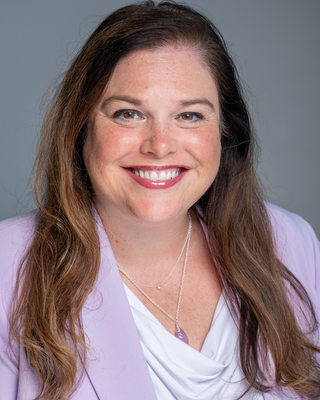
Hosted by Shannon J. Greybar Milliken
Licensed Professional Counselor, EdD, MA
Group meets in Highland Heights, OH 44143
River Couples Counseling (www.rivercouples.com) provides counseling for partners seeking support with communication, conflict, and relationship decisions. Couples often come to therapy feeling stuck in patterns they do not fully understand or struggling to have important conversations without tension or distance. This practice offers a steady, structured space to explore what is happening between partners, identify underlying dynamics, and clarify shared or individual goals. Counseling focuses on improving understanding, strengthening communication, and supporting thoughtful decision making, whether couples are working to deepen their connection, navigate a crossroads, or determine what comes next for their relationship.
Finding Hope is a grief education and support space for individuals who have experienced the loss of a loved one and are finding it difficult to accept and begin moving forward. It is designed to provide education about the grieving process and work toward accepting loss. This group is 12 week group that begins in January and ends in March. It typically occurs on Wednesdays at 6:30 pm.

Hosted by Jessica M Wolfal
Licensed Professional Clinical Counselor, LPCC
Group meets in Beachwood, OH 44122
Finding Hope is a grief education and support space for individuals who have experienced the loss of a loved one and are finding it difficult to accept and begin moving forward. It is designed to provide education about the grieving process and work toward accepting loss. This group is 12 week group that begins in January and ends in March. It typically occurs on Wednesdays at 6:30 pm.
Express Not Suppress Foundation -Virtual Support Group, trauma informed care, Neuro-Affirming Interventions, Occupational Therapist Guest Speaker, Autism specialist, BCBAs, Speech language pathologist, parent advocacy and experiences of growth.

Hosted by Jerome Cash
Licensed Professional Clinical Counselor, MEd, EMDR, ASDCS
Group meets in Cleveland, OH 44106
Express Not Suppress Foundation -Virtual Support Group, trauma informed care, Neuro-Affirming Interventions, Occupational Therapist Guest Speaker, Autism specialist, BCBAs, Speech language pathologist, parent advocacy and experiences of growth.
Our partial hospitalization group takes place daily from 9am-3:30pm and includes group therapy, individual therapy, family therapy, medication management, educational support, and other services that assist adolescents in need of intensive mental health support.
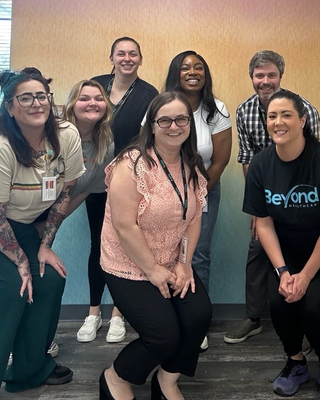
Our partial hospitalization group takes place daily from 9am-3:30pm and includes group therapy, individual therapy, family therapy, medication management, educational support, and other services that assist adolescents in need of intensive mental health support.
This group will be focused on using tapping (EFT) and somatic & Energy Psychology methods to release stress and build emotional resilience for the particular challenges the pandemic poses. People can join with video or not, so can be relatively anonymous, if desired. Please call my office at 330.653.5081 to be placed on the list. I plan to begin this group the week of March 16th. I am accepting donations for this group, but as it's a community service contribution, I want it to be open to everyone...maybe especially those whose finances are insufficient.

This group will be focused on using tapping (EFT) and somatic & Energy Psychology methods to release stress and build emotional resilience for the particular challenges the pandemic poses. People can join with video or not, so can be relatively anonymous, if desired. Please call my office at 330.653.5081 to be placed on the list. I plan to begin this group the week of March 16th. I am accepting donations for this group, but as it's a community service contribution, I want it to be open to everyone...maybe especially those whose finances are insufficient.
90-minute group, offered virtually on Tuesdays 4:30-6:00 pm EST, hybrid Wednesdays 1-2:30 pm, and hybrid Thursdays 4:30-6:00 pm. Led by an expert skills trainer, and designed to be more like a class than a process group, we review the 4 skills modules: Mindfulness, Distress Tolerance, Emotion Regulation, and Interpersonal Effectiveness. The group consists of a mindfulness practice, homework review, and teaching/learning the new skill(s) for the week. Open to LWDBT clients and to others seeing community therapists!

90-minute group, offered virtually on Tuesdays 4:30-6:00 pm EST, hybrid Wednesdays 1-2:30 pm, and hybrid Thursdays 4:30-6:00 pm. Led by an expert skills trainer, and designed to be more like a class than a process group, we review the 4 skills modules: Mindfulness, Distress Tolerance, Emotion Regulation, and Interpersonal Effectiveness. The group consists of a mindfulness practice, homework review, and teaching/learning the new skill(s) for the week. Open to LWDBT clients and to others seeing community therapists!
See more therapy options for Willoughby


FAQs - About Group Therapy and Support Groups
How can I find a support group in Willoughby?
To find a support group in your area, start by entering your city, zip code, or the name of the group into the search bar at the top of the page. When searching, consider whether you prefer an in-person or virtual group. This can help you decide how broad your geographic search should be. If you are open to virtual groups, you might want to search by state instead of just your city, especially if there are limited options nearby.
Once you complete your search, you can use the filters to narrow the results by selecting specialties (such as grief, trauma, or eating disorders), therapeutic approaches, age groups, and other criteria to find a group that best fits your needs.
Once you complete your search, you can use the filters to narrow the results by selecting specialties (such as grief, trauma, or eating disorders), therapeutic approaches, age groups, and other criteria to find a group that best fits your needs.
How does group therapy work?
Group therapy is led by one or more trained therapists and provides a space where participants can process their experiences and learn from others facing similar challenges. Groups may focus on a specific issue—such as addiction, grief, physical illnesses, parenting, or caregiving—or they may center around a particular therapeutic approach, such as Cognitive Behavioral Therapy (CBT), social skill development, or Exposure Therapy. Some groups are also designed for specific populations, such as teens, veterans, or LGBTQ+ individuals.
It’s also important to distinguish group therapy from peer-led support groups, like Alcoholics Anonymous. While both can offer valuable support, therapy groups are typically led by licensed professionals and follow a more structured format. Therapy groups often meet for a fixed length of time with a consistent group of members, while many peer support groups meet for an indefinite period of time with members coming and going.
It’s also important to distinguish group therapy from peer-led support groups, like Alcoholics Anonymous. While both can offer valuable support, therapy groups are typically led by licensed professionals and follow a more structured format. Therapy groups often meet for a fixed length of time with a consistent group of members, while many peer support groups meet for an indefinite period of time with members coming and going.
What are the benefits of group therapy?
Group therapy offers several important benefits. It brings together people facing similar challenges—whether related to mental health, physical health, or life transitions—and creates a supportive environment where participants can exchange feedback, share experiences, and learn from one another. Hearing different perspectives can help individuals discover new coping strategies and practical tools they may not have encountered on their own. Sharing personal experiences, such as coping with a serious illness or navigating family struggles, can also reduce feelings of isolation and foster a sense of connection and understanding. In addition to emotional support, group members often gain useful, real-world advice from peers who have faced similar situations.
Group therapy is typically more affordable than individual therapy and, for certain conditions, can be equally effective. Many groups also include structured activities—such as guided journaling, cognitive-behavioral exercises, or role-playing—to help participants develop concrete skills they can apply in daily life.
Group therapy is typically more affordable than individual therapy and, for certain conditions, can be equally effective. Many groups also include structured activities—such as guided journaling, cognitive-behavioral exercises, or role-playing—to help participants develop concrete skills they can apply in daily life.
Is group therapy as effective as individual therapy?
It is difficult to make a blanket statement about the effectiveness of support groups, as they vary widely in focus and the conditions they address. However, support groups can be highly valuable in helping individuals gain emotional support and achieve meaningful treatment outcomes. For certain conditions, such as substance use, research has shown that group therapy can be particularly effective—sometimes just as effective as individual therapy—in supporting long-term recovery.
Many professionals attribute the effectiveness of group therapy to the unique benefits of the group setting, which fosters peer-to-peer learning and a sense of connection through shared experiences. Group settings also offer accountability and encouragement from both facilitators and fellow participants, which helps sustain motivation and supports continued progress. These factors together play a key role in promoting the overall effectiveness of group therapy.
Many professionals attribute the effectiveness of group therapy to the unique benefits of the group setting, which fosters peer-to-peer learning and a sense of connection through shared experiences. Group settings also offer accountability and encouragement from both facilitators and fellow participants, which helps sustain motivation and supports continued progress. These factors together play a key role in promoting the overall effectiveness of group therapy.
How much does group therapy cost?
Group therapy is typically less expensive than individual therapy, with sessions typically costing between $50 and $75 each. In comparison, individual therapy can cost anywhere from $100 to $200 or more per session, even with insurance. Some therapists or organizations offer low-cost or free group therapy options, particularly through community centers or nonprofit organizations. In some cases, groups may require payment upfront for a set number of sessions, such as paying for six weekly sessions at the first meeting. However, many providers offer payment plans to help make participation more accessible if this upfront payment is required.
Does insurance cover group therapy?
As with individual therapy, insurance coverage for group therapy varies based on factors such as your specific insurance plan, the purpose of the group, your diagnosis, and whether the group provider is in-network. Many insurance plans cover group therapy sessions that address diagnosable mental health conditions, such as substance use disorders, anxiety, or depression.
However, groups that focus on topics not directly tied to a mental health diagnosis—such as parenting support or divorce recovery—are less likely to be covered. Because coverage can vary widely, it’s important to check with your insurance provider before joining a group to confirm whether the sessions will be covered and what out-of-pocket costs you may be responsible for.
However, groups that focus on topics not directly tied to a mental health diagnosis—such as parenting support or divorce recovery—are less likely to be covered. Because coverage can vary widely, it’s important to check with your insurance provider before joining a group to confirm whether the sessions will be covered and what out-of-pocket costs you may be responsible for.
How long does group therapy last?
The length of each group therapy session typically ranges from 45 minutes to two hours, depending on the therapy approach, the group’s goals, and how often the group meets. In some cases, group therapy is part of a larger treatment program, such as an Intensive Outpatient Program (IOP), where group sessions complement individual therapy and are scheduled as part of the program’s overall structure.
The duration of participation in a group also varies. Some groups are designed to be short-term, lasting anywhere from 6 to 24 weeks—for example, bereavement groups or skills-based groups like those using Dialectical Behavioral Therapy (DBT). Other groups may be longer-term, lasting a year or more, and some ongoing support groups meet indefinitely, allowing participants to stay as long as they find the group helpful.
The duration of participation in a group also varies. Some groups are designed to be short-term, lasting anywhere from 6 to 24 weeks—for example, bereavement groups or skills-based groups like those using Dialectical Behavioral Therapy (DBT). Other groups may be longer-term, lasting a year or more, and some ongoing support groups meet indefinitely, allowing participants to stay as long as they find the group helpful.
What are the limitations of support groups?
Support groups offer many benefits, but they also have certain limitations. Unlike therapy groups, many support groups do not provide formal therapeutic treatment and are not led by licensed mental health professionals. For individuals seeking clinical treatment for specific mental health diagnoses—such as depression, eating disorders, or substance use—individual therapy or group therapy led by a licensed professional may offer more personalized and specialized care.
The effectiveness of a support group also depends heavily on the group’s participants and the overall group dynamic. When members engage respectfully and offer constructive support, the group can foster valuable peer-to-peer learning. However, if certain participants dominate discussions, provide inaccurate advice, or create conflict, it can disrupt the group’s sense of safety and reduce its effectiveness. Confidentiality can also be harder to maintain in support groups, particularly in open groups where participants can join or leave at any time. With new members regularly entering the group, it can be more difficult to build and sustain a consistent sense of trust and privacy.
The effectiveness of a support group also depends heavily on the group’s participants and the overall group dynamic. When members engage respectfully and offer constructive support, the group can foster valuable peer-to-peer learning. However, if certain participants dominate discussions, provide inaccurate advice, or create conflict, it can disrupt the group’s sense of safety and reduce its effectiveness. Confidentiality can also be harder to maintain in support groups, particularly in open groups where participants can join or leave at any time. With new members regularly entering the group, it can be more difficult to build and sustain a consistent sense of trust and privacy.